 TechOffice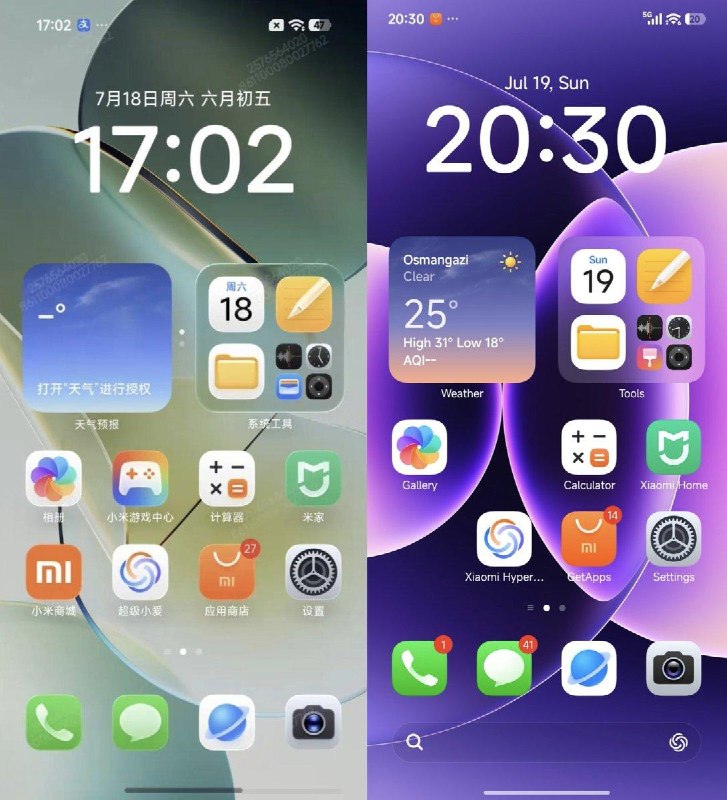
The Emergence of HyperOS 4: A Fresh Look at User Experience The tech community is buzzing with excitement as the first glimpse of the new HyperOS 4 homescreen has been revealed. This upgrade promises a significant enhancement in user experience, providing a more immersive and visually appealing interface. Below, we will explore the key features of HyperOS 4 and compare them with its predecessor, HyperOS 3.1. Key Features of HyperOS 4 New Liquid Glass Effects: One of the most striking features is the introduction of liquid glass effects applied to folders. This enhancement gives users a more dynamic and visually captivating experience, with proper refraction that mimics real glass. 2.5D App Icons: HyperOS 4 boasts all-new 2.5D app icons, which add depth and a modern aesthetic to the homescreen, making the overall interface feel more engaging. Thicker Status Bar Icons: The status bar design has been revamped, featuring thicker icons that improve visibility, coupled with a shorter gesture bar design for a more streamlined and user-friendly interaction. Side-by-Side Comparison: HyperOS 4 vs. HyperOS 3.1 In order to fully appreciate the advancements introduced with HyperOS 4, a side-by-side comparison with HyperOS 3.1 is essential. The following table illustrates the differences between the two versions. Feature HyperOS 4 HyperOS 3.1 Folder Effects Liquid glass effects with proper refraction Standard folder design App Icon Design All-new 2.5D icons Flat 2D icons Status Bar Icons Thicker icons for better visibility Standard thickness Gesture Bar Design Shorter for improved user interaction Standard length Conclusion The unveiling of HyperOS 4 not only signifies a leap in aesthetic appeal but also enhances usability through thoughtful design improvements. With features like liquid glass effects and 2.5D app icons, Xiaomi is setting a new standard in user interface design. As we await further details and eventual release, the anticipation continues to grow among technology enthusiasts and users alike.

HyperOS 3.1 Camera App Update: Enhancements and Installation Guide The rapidly evolving landscape of mobile technology continues to draw attention, particularly with the recent update to the HyperOS 3.1 Camera application. This new release is poised to enhance user experience significantly, particularly for users in the Chinese market. Update Details Attribute Details Version 6.3.008230.6 Size 168.7 MB Region China Extracted From REDMI Note 17 Pro Compatibility HyperOS 2/3 Changelog Highlights The HyperOS 3.1 Camera app update addresses an array of issues and introduces several key optimizations: Updated Version: The release carries the new version number 6.3.008230.6. Bug Fixes: The update resolves multiple bugs and operational issues that have constrained user experience in earlier versions. General Optimizations: Various enhancements have been made to improve app performance and reliability. Installation Instructions For users eager to experience the latest features of the HyperOS 3.1 Camera app, the installation process is straightforward: Download the APK: Obtain the APK file from a reliable source. Use Xiaomi File Manager: Navigate to the downloaded APK using the Xiaomi File Manager. Install the APK: Choose to install the APK over the existing version of the app. Reboot if Required: Follow the prompts, and restart the device if necessary to apply updates. Completion: The app is now updated and ready for use. Community Engagement This update has generated interest within the tech community, particularly among users of Xiaomi devices. As evidenced by discussions across various platforms, including active forums and social media channels, users eagerly anticipate the improved capabilities that come with this new version. The official handle for the release updates can be followed at @XiaomiHSU. In conclusion, the HyperOS 3.1 Camera app update represents a significant step forward in mobile photography and user interface experience for Xiaomi users. Its rollout emphasizes the brand's commitment to continuous improvement and customer satisfaction.

Updated HyperOS 3.1 Brings Significant Enhancements to Gallery Editor The technological advancements in the field of photo editing have intensified over the years, with artificial intelligence emerging as a pivotal component in enhancing user experiences. The recent update, HyperOS 3.1, introduces a host of new features to the Gallery Editor, specifically designed to make photo editing simpler and more intuitive for users. Below, we explore the key updates included in this latest version. New Features of HyperOS 3.1 The new updates enhance the overall functionality of the Gallery Editor, with particular emphasis on AI-driven enhancements. Here are the most notable improvements: Optimized AI Categories: The AI photo editing functions have been restructured for better accessibility. Users will now find it easier to navigate through AI features due to improved categorization. Image Editor Defaults: The default interface for the image editor has been changed to start on the Crop page. This adjustment aims to streamline the cropping process and make aspect ratio modifications more intuitive for all users. Enhanced AI Beautify Function: With just one tap, users can now rectify flawed images. The updated beautify function addresses common issues such as underexposure and overexposure while ensuring that natural lighting is restored effectively. Performance Optimization: The latest update also focuses on rectifying existing bugs within the Gallery Editor. These fixes are expected to enhance the user experience significantly, ensuring smoother operation and improved responsiveness. Impact on User Experience The updates in HyperOS 3.1 signify a concerted effort to enhance user satisfaction by leveraging advanced technologies. Users are likely to appreciate the greater ease of finding and utilizing AI functions, which can save valuable time during the editing process. The default setting on the Crop page will simplify one of the most common tasks that users undertake when editing images, leading to a more streamlined workflow. Moreover, the refined AI beautify function adds a layer of sophistication to what has traditionally been complex photo editing tasks. By enabling users to rectify image flaws with minimal effort, HyperOS 3.1 caters not only to professionals but also to casual photographers looking for quick solutions. Conclusion The launch of HyperOS 3.1 marks a significant step forward in the realm of photo editing applications. With its emphasis on user-friendly navigation, intuitive design, and enhanced performance, it promises to elevate the photo editing experience to new heights. As users engage with the updated features, it will be fascinating to see how they reshape photography for both casual users and professionals alike. For those interested in becoming part of the ongoing conversation surrounding these technological advancements, the community at @Techoffice_officiall provides a platform for sharing experiences and feedback. Feature Description Optimized AI Categories Improved accessibility for AI photo editing functions. Image Editor Defaults Default interface set to the Crop page for intuitive adjustments. Enhanced AI Beautify Function One-tap correction for image flaws, including exposure adjustments. Performance Optimization Bug fixes and improved user experience overall.

Apple's Upcoming iPhone 18 Pro Lineup: An Overview of Stunning Color Options As the tech world eagerly anticipates the release of Apple's iPhone 18 Pro lineup, rumors and leaks are beginning to paint a vibrant picture of what consumers can expect. Central to the excitement surrounding the new devices are the exquisite color options that Apple has planned, further establishing the iPhone as not just a communication device, but a personal fashion accessory as well. Anticipated Color Palette According to insider reports, the iPhone 18 Pro lineup is expected to feature a selection of colors designed to appeal to a wide array of preferences. These colors are not merely aesthetic choices; they reflect Apple's ongoing commitment to personal expression through technology. Here’s a closer look at the rumored color options: Color Option Description Target Audience Deep Space Black An elegant, classic black that conveys sophistication. Professional users and minimalists. Starlight Silver A subtle silver finish that gleams under light. Users who prefer a refined look. Midnight Blue A rich blue hue that stands out while maintaining elegance. Those wanting a bold yet sophisticated tone. Emerald Green A vibrant green that provides an eye-catching option. Users seeking a unique and playful style. Crimson Red A striking red finish that is both bold and memorable. People who want to make a statement. Importance of Color Choices in Smartphone Technology Color options play a vital role in a consumer's decision-making process. With smartphones now viewed as extensions of personal identity, the significance of aesthetic appeal has never been greater. Apple’s thoughtful approach to color options not only enhances the visual allure of the iPhone 18 Pro models but also aligns with broader trends in consumer electronics. In recent years, tech companies have recognized that consumers desire devices that reflect their individuality. The iPhone 18 Pro lineup is set to capitalize on this trend, as the array of color choices allows buyers to choose models that resonate with their personal taste and lifestyle, thus elevating the overall user experience. Final Thoughts The forthcoming iPhone 18 Pro lineup promises to captivate users not just with advanced technology and features, but also with impeccable color options designed for every personality. As Apple continues to innovate, the iPhone remains a leader not only in functionality but also in style, further solidifying its position in the competitive smartphone market. Stay tuned for more updates as Apple prepares for its official launch, where we can expect further details on specifications, pricing, and availability of the iPhone 18 Pro lineup. The world of technology is undoubtedly buzzing with anticipation, and the vibrant colors of the upcoming devices are just the beginning.

Apple Files Lawsuit Against OpenAI: Allegations of Trade Secret Theft In a significant legal development, Apple Inc. has initiated a lawsuit against OpenAI, alleging that the artificial intelligence firm, along with two of its former employees, engaged in a systematic and coordinated scheme to leak confidential trade secrets. The lawsuit underscores the deepening tensions between traditional technology companies and newer players in the AI landscape. Overview of the Allegations Apple's assertion does not merely posit isolated incidents of data leakage but suggests a broader and more systematic practice intended to extract sensitive information from the tech giant. The claims include the misuse of insider knowledge and resources by former Apple employees now affiliated with OpenAI. Key Incidents Highlighted in the Lawsuit Refusal to Return Work Equipment: One former iPhone engineer allegedly refused to return his work laptop upon leaving Apple. Reports indicate he continued to access Apple’s internal databases, extracting data while simultaneously employed at OpenAI. Casual Admission of Misconduct: This engineer purportedly boasted to former colleagues, stating “lol, I still have access, this’ll be fun.” Such comments raise serious concerns regarding the ethical standards and intentions behind his departure. Recruitment and Data Solicitation: Tang Tan, who served nearly 25 years with Apple as a prominent iPhone designer before becoming OpenAI's head of hardware, is accused of actively poaching talent from Apple. Reports suggest that Tan requested candidates bring proprietary mockups and schematics during their interviews with OpenAI. Claims and Responses Apple asserts that the data allegedly pilfered played a crucial role in OpenAI’s development of its own AI hardware. In light of these claims, Apple is seeking both a permanent injunction against the use of the purportedly stolen data and monetary damages for the alleged wrongdoing. In response, OpenAI has categorically denied the accusations. The organization stated it has “no interest in other companies’ trade secrets,” dismissing Apple's allegations as a strategy to recontextualize a typical hiring dispute into claims of a systematic theft of trade secrets. Implications of the Lawsuit This legal action raises important questions about the boundaries between competition and ethics in the tech industry, particularly in the rapidly evolving field of artificial intelligence. The outcome of this lawsuit could have far-reaching implications for how companies protect their intellectual property against emerging threats from both former employees and competing firms. Allegations Details Refusal to Return Laptop Former engineer continued accessing Apple’s databases while at OpenAI. Casual Admission Bodily statements implying continued access to Apple’s internal systems. Recruitment Practices Tang Tan allegedly solicited proprietary information during talent interviews. The case not only highlights the significance of trade secrets in the tech industry but also serves as a cautionary tale for companies operating in a competitive landscape marked by rapid innovation and fierce rivalry. As the lawsuit unfolds, it will be critical to monitor how this will shape future interactions between traditional tech giants and the burgeoning AI sector.

EveryCine: A Game-Changer in Streaming Entertainment In a rapidly evolving digital landscape, EveryCine emerges as a compelling contender in the realm of online streaming platforms. With a promise of free cinema devoid of advertisements, this service invites users to experience movies and live sports in high definition without any cost. In this article, we will delve into the unique offerings of EveryCine, discuss how it operates, and evaluate its potential impact on the streaming industry as a whole. Key Features of EveryCine EveryCine sets itself apart with several standout features that appeal to a broad audience base: No Advertisements: One of the major pain points for viewers is the interruption of content by ads. EveryCine prides itself on offering an uninterrupted viewing experience. Free Access: Users can enjoy HD movies and live sports without incurring costs, making it accessible to a wide range of users. High Definition Quality: Unlike many free platforms that compromise on quality, EveryCine ensures that its content is available in high definition. Diverse Content Offering: From blockbuster films to various live sports events, EveryCine aims to cater to a diverse audience with varied interests. How EveryCine Operates EveryCine operates on a freemium model, allowing users to access its platform without any subscription fees. Users can simply download the app or access the website to start streaming. The platform utilizes advanced technology to host a plethora of movies and live events, ensuring that users have a seamless experience. The backend supports efficient content delivery, making it easy for users to navigate and search for their preferred titles. Comparison with Other Streaming Services As EveryCine enters the competitive streaming market, it's essential to compare it with other well-established services. Below is a summary table that highlights key features across several popular streaming platforms. Feature EveryCine Netflix Hulu Amazon Prime Video No Ads Yes No With ads (option for ad-free) No Free Access Yes No Limited Free Trial No HD Quality Yes Yes Yes Yes Live Sports Yes No Yes Yes Conclusion EveryCine is set to make a significant splash in the online streaming sector with its unique offerings. By providing free access to high-quality movies and live sports without advertisements, it addresses some of the biggest grievances among viewers today. As it garners attention and expands its user base, it will be interesting to see how EveryCine influences existing platforms and shapes the future landscape of online entertainment. As of now, EveryCine remains an enticing option for movie lovers and sports fans alike, looking to explore a new avenue of streaming content without the burden of subscription fees or advertising interruptions. Time will tell if it can sustain its momentum and build a loyal following in an ever-more competitive market.

Leadership Turmoil at Federal AI Security Agency The recent resignation of the head of the Federal AI Security Agency (FAISA), which was established during the Trump administration, has stirred considerable attention and speculation within the technology and governmental sectors. Notably, this transition comes a mere three months after the appointee took office, raising questions about the challenges facing the newly formed agency dedicated to overseeing the burgeoning realm of artificial intelligence. Background of the Federal AI Security Agency The Federal AI Security Agency was created as a direct response to the rapid advancements in artificial intelligence technology, aiming to ensure that such innovations are utilized in a manner that aligns with public safety and ethical standards. The agency's purview encompasses the evaluation of AI systems, implementation of security protocols, and promotion of responsible AI development practices across various sectors. Impact of the Resignation Despite the agency's noble objectives, the abrupt resignation of its head has raised several eyebrows. The resignation has implications not only for the agency's operational continuity but also for its overarching mission to safeguard public interests amid the swift evolution of AI technologies. Key Facts Details Agency Established During the Trump administration Time in Position 3 months Agency Mission AI oversight, security protocols, ethical standards Reasons Behind the Resignation While specific details regarding the reasons for the resignation have yet to be made public, several factors could contribute to such a swift departure: Internal Challenges: Navigating bureaucratic processes in a nascent agency can be daunting, especially in an area as complex and fast-moving as artificial intelligence. External Pressures: The agency may have faced scrutiny from various stakeholders, including technology companies, government officials, and advocacy groups, all with differing expectations for AI regulation. Policy Direction: Discrepancies in vision or strategy regarding the agency’s trajectory may lead to discord, prompting leadership changes. Future Outlook The resignation of the agency's head has left a leadership vacuum that will require immediate attention. The Biden administration's approach to AI governance will likely influence the selection of a new leader and, subsequently, the agency's operational strategies moving forward. As the discourse surrounding AI continues to evolve, stakeholders from various sectors will be keenly observing how the Federal AI Security Agency positions itself in a landscape characterized by rapid technological advancements and rising ethical concerns. Conclusion In summary, the resignation of the Federal AI Security Agency's head is a significant development that underscores the complexities associated with governing emerging technologies. As the search for new leadership commences, the agency faces the critical challenge of establishing a robust framework for AI oversight that ensures safety, security, and ethical integrity in an increasingly AI-driven world.

Exciting Update: HyperOS 3.1 Unveils New Features In an era where operating systems continually evolve to enhance user experience, HyperOS 3.1 emerges as a significant update that promises to deliver both functionality and innovation. This update comes as a much-anticipated enhancement to the already robust HyperOS platform, geared towards fostering better performance, enhanced security, and a more user-friendly interface. Key Features of HyperOS 3.1 The latest iteration of HyperOS introduces a range of new features designed to streamline operations and elevate user interaction. Below is a comprehensive summary of the noteworthy updates: Feature Description Improved Performance Optimized resource allocation leading to faster app loading times and enhanced multitasking capabilities. Enhanced Security New security protocols help protect data, ensuring users can navigate the digital landscape with confidence. User Interface Overhaul A refreshed interface provides users with a more intuitive navigation experience, complete with customizable layouts. Integrated Community Support Seamless access to community forums and support systems directly within the OS, fostering collaboration and assistance. Community Engagement In addition to the technical advancements, HyperOS invites users to be a part of their burgeoning community. By joining discussions and supporting one another, users can contribute to a collaborative ecosystem that thrives on shared knowledge. This initiative is aimed at creating a space for users to explore features, solve issues, and connect with fellow enthusiasts. The official community can be found on the platform @Techoffice_officiall . Engaging with this community not only enhances the user experience but also empowers users to provide feedback that can influence future updates and features. Conclusion With the release of HyperOS 3.1, users can look forward to a more efficient, secure, and community-driven experience. The blend of technological advancements and community engagement reaffirms HyperOS's commitment to creating an operating system that evolves based on user feedback and needs. Whether you are a long-time user or new to the platform, this update positions HyperOS as a robust contender in the operating system landscape.

The Upcoming OnePlus N6x: What to Expect The tech community is abuzz with anticipation about the forthcoming release of the OnePlus N6x. As a brand known for its innovative features and high-performance devices, OnePlus continues to captivate its audience with exciting releases that cater to both enthusiasts and everyday users. This article delves into the expected features, design elements, and market positioning of the OnePlus N6x, providing a comprehensive overview of what consumers can anticipate. A Glimpse at OnePlus N6x Features While official specifications have yet to be confirmed, leaks and rumors suggest that the OnePlus N6x will include several enhancements over its predecessors. Here are some potential features: Display: A vibrant AMOLED display that most likely supports a high refresh rate, ensuring smoother scrolling and enhanced gaming experiences. Camera System: An upgraded camera setup, potentially featuring improved low-light capabilities and higher megapixel counts. Performance: Powered by the latest Snapdragon chipset, the OnePlus N6x is expected to deliver superior speed and multitasking capabilities. Battery Life: Incorporating fast charging technology, the device aims to support heavy users with longer-lasting battery life. Software: Running on OxygenOS, the OnePlus N6x promises a smooth and customizable user interface with regular updates. Design Insights The OnePlus design philosophy has always leaned towards minimalism while incorporating premium materials. Early renders and design leaks indicate that the N6x will maintain a sleek aesthetic, featuring: Material Composition: A combination of glass and metal, offering both durability and elegance. Color Variants: A selection of eye-catching colors that resonate with the contemporary trends. Ergonomics: A user-friendly design with a focus on comfort, making it suitable for long-term use. Market Positioning Positioned within the mid-range market segment, the OnePlus N6x is expected to compete against formidable players such as Samsung Galaxy A series and Xiaomi's Redmi line. Its pricing strategy will be crucial in determining its success, as OnePlus traditionally leverages aggressive pricing to attract a broader audience. Feature OnePlus N6x Samsung Galaxy A Series Xiaomi Redmi Line Display AMOLED, High Refresh Rate Super AMOLED IPS LCD / AMOLED Camera System Upgraded Multi-lens Setup Multi-lens with AI Features High Megapixel Count Processor Latest Snapdragon Chipset Exynos / Snapdragon MediaTek / Snapdragon Battery Fast Charging Fast Charging Fast Charging OS OxygenOS One UI MIUI Conclusion The OnePlus N6x is set to make waves in the mid-range smartphone market with its anticipated features, elegant design, and competitive pricing. With the tech community eagerly awaiting its launch, the N6x promises to uphold OnePlus's reputation for delivering value-packed smartphones. As further details emerge, consumers and industry experts alike will be watching closely to see if the OnePlus N6x lives up to the hype.

Samsung Galaxy Watch9: A New Era with Snapdragon Wear Elite Processor The tech community is abuzz with the latest announcement regarding Samsung's upcoming flagship smartwatch, the Galaxy Watch9, which is set to be powered by the new Snapdragon Wear Elite processor. This significant move marks a pivotal shift from Samsung's traditional reliance on its own Exynos processors, potentially heralding a new phase in smartwatch performance and efficiency. The Transition from Exynos to Snapdragon Samsung's culmination of expertise in wearable technology has typically been anchored in its proprietary Exynos processors. However, the introduction of the Snapdragon Wear Elite processor in the Galaxy Watch9 could lead to considerable advancements. By moving to this state-of-the-art chipset, Samsung aims to leverage Qualcomm's latest technological innovations to improve various facets of the smartwatch experience. Performance : The Snapdragon Wear Elite processor is designed for enhanced computational speed, allowing for smoother multitasking and quicker response times during daily operations. Efficiency : With a focus on low power consumption, the new chipset is engineered to maximize efficiency, potentially leading to longer usage periods on a single charge. Battery Life : The enhanced efficiency criteria may also result in extended battery life, addressing one of the perennial challenges faced by smartwatch users. Potential Impacts on User Experience The transition to Snapdragon Wear Elite signifies more than just a hardware upgrade; it represents a strategic shift in how Samsung envisions the functionality of its wearables. Users can expect: Greater app responsiveness, enabling a seamless interaction with various applications. Improved health tracking capabilities owing to advanced sensor integration and processing. Faster software updates and feature rollout, as Qualcomm frequently enhances its chipset software development kit. Conclusion The introduction of the Snapdragon Wear Elite processor in the upcoming Galaxy Watch9 is a substantial advancement for Samsung and could redefine the smartwatch landscape. By prioritizing performance, efficiency, and battery longevity, Samsung could very well set a new standard for wearable technology. This move not only underscores Samsung's commitment to innovation but also its willingness to adapt to industry benchmarks set by leading hardware providers like Qualcomm. As we anticipate the launch, the excitement is palpable among tech enthusiasts and smartwatch aficionados alike. Feature Exynos Processor Snapdragon Wear Elite Performance Standard Enhanced Efficiency Moderate High Battery Life Average Extended The forthcoming Samsung Galaxy Watch9 represents not only a product update but also a critical juncture in the brand’s strategy in the wearables market. Stakeholders and consumers will be eager to witness the tangible benefits of this important transition when the device hits the market.

Honor to Launch RobotPhone: A Next-Generation Smartphone Set to Arrive This Q3 Honor, a prominent Chinese smartphone manufacturer, has officially announced its ambition to introduce the highly anticipated RobotPhone in the third quarter of this year. Positioned as a flagship device, the RobotPhone is designed to stand out in a crowded market with a suite of impressive specifications and features. A Peek into the Specifications Although specific details regarding the RobotPhone's specifications remain largely under wraps, recent reports suggest that the device will be equipped with a powerful processor, substantial storage capacity, and a sophisticated high-resolution camera system. These attributes are set to position the RobotPhone not just as a competitor, but potentially as a leader among flagship devices. Processor: Anticipated to provide robust performance Storage: Ample options to accommodate diverse user needs Camera System: High-resolution capabilities aimed at enhancing photography experiences Design and Usability In addition to its technical prowess, the RobotPhone is expected to feature a sleek and premium design. Honor is reportedly focusing on durability and user-friendliness, making the device not just aesthetically appealing, but also practical for everyday use. Significance of the Launch The launch of the RobotPhone represents a critical milestone in Honor's strategy to broaden its footprint in the global smartphone marketplace. Known for its commitment to innovation coupled with affordability, Honor has carved out a significant niche for itself within the competitive tech landscape. Anticipated Industry Impact As the smartphone industry continues its rapid evolution, the RobotPhone's emergence is expected to generate considerable excitement among consumers and technology enthusiasts alike. With its combination of flagship specifications and an innovative design approach, the RobotPhone could potentially disrupt the current lineup of leading smartphones on the market. What to Expect from the RobotPhone While more detailed specifications and features are eagerly awaited, here is a summary of what consumers and technology analysts can expect from Honor's upcoming RobotPhone: Feature Details Processor Powerful, high-performance chip Storage Large capacity options to fit diverse needs Camera System High-resolution capabilities for premium photography Design Sleek, premium finish with focus on durability User Experience Designed for ease of use As the global smartphone landscape becomes increasingly competitive, the impending launch of the RobotPhone may serve as a vital litmus test for Honor's ongoing innovation strategies and market adaptability. In summary, the RobotPhone stands poised to be a flagship device that not only reflects technological advancements but also signifies Honor's relentless pursuit of excellence in the smartphone domain. Enthusiasts and fans of the brand are certainly in for an exciting reveal as the third quarter approaches.

The European Union's Groundbreaking AI Platform: A Collaborative Leap Forward The European Union (EU) is on the brink of launching its own artificial intelligence (AI) platform, a significant initiative that aims to harness the capabilities of leading AI technologies to enhance various governmental functions. This platform will integrate tools from prominent AI developers, including OpenAI, Meta, Anthropic, and Mistral, orchestrating a collaborative effort to advance the region's digital landscape. Addressing the Challenges of AI Implementation Recent discussions within the EU Parliament have highlighted the pressing need for a structured and reliable approach to AI integration in governmental processes. Members of Parliament have expressed concerns regarding the "AI slop" experienced in recent AI deployments, referring to instances where hastily implemented technologies yielded subpar results. As the EU strives to lead in the digital transformation, the introduction of this sophisticated platform aims to mitigate past errors and establish a robust framework for future AI applications. The Role of AI Developers This new initiative will spotlight the contributions of several renowned AI developers: OpenAI: Known for its state-of-the-art language models, OpenAI's technology will play a crucial role in natural language processing tasks. Meta: With its advancements in computer vision and AI research, Meta's tools are expected to enhance data analysis and visual interpretation. Anthropic: With a focus on ensuring AI safety and alignment, Anthropic’s contributions will be vital in developing responsible AI applications. Mistral: Mistral's unique architectures will contribute to efficient deep learning processes, thus optimizing performance across the platform. Expectations from the AI Platform The development of the EU's AI platform is expected to render several benefits: Efficiency: Streamlining governmental processes, enhancing productivity and decision-making. Innovation: Encouraging the adoption of cutting-edge technology to drive public sector innovation. Transparency: Establishing clear guidelines for AI use, addressing concerns over privacy and ethical implications. Technological Integration: A Summary Company Core Contribution Key Focus Areas OpenAI Natural Language Processing Text analysis, chatbots Meta Computer Vision Data interpretation, imagery Anthropic AI Safety Ethical AI, alignment Mistral Deep Learning Efficiency optimization Looking Ahead: The Future of AI in the European Union As the EU moves forward with the implementation of its AI platform, all eyes will be on its impact on governance and public administration. The foundation laid by this initiative has the potential to set a precedent for other regions and inspire a wave of responsible AI innovation across the globe. By carefully managing the integration of advanced technologies, the EU aims to not only enhance its operational capabilities but also to forge a path toward an ethical and transparent digital future.
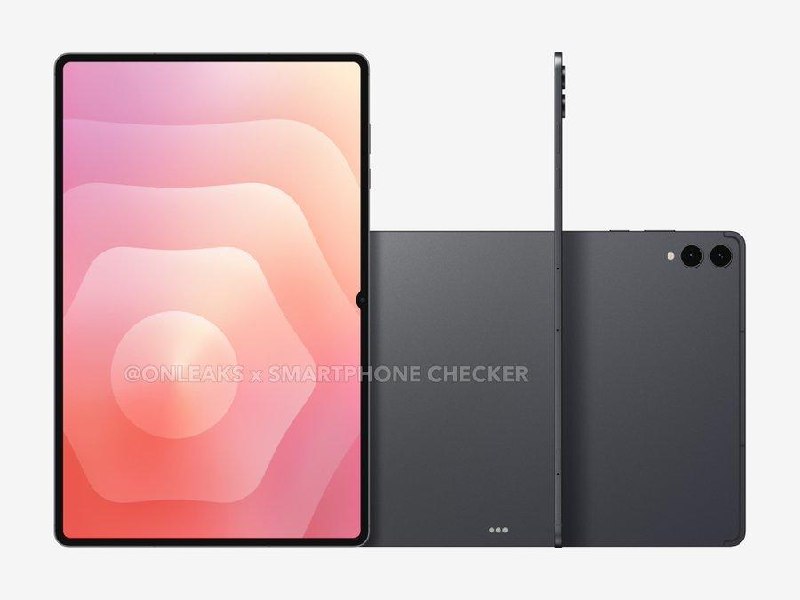
First Glimpse of the Samsung Galaxy Tab S12 Ultra The Samsung Galaxy Tab S12 Ultra has officially made its debut, promising to deliver top-tier specifications and a stunning design aimed at both productivity and entertainment enthusiasts. With an array of powerful features, this tablet positions itself as a formidable contender in the premium tablet market. Here’s an in-depth look at what the Galaxy Tab S12 Ultra has to offer. Display and Design At the heart of the Galaxy Tab S12 Ultra is a remarkable 14.6-inch Dynamic AMOLED 2X display, boasting a refresh rate of 120Hz. This advanced display technology promises vibrant colors, deep blacks, and fluid motion, making it ideal for gaming, streaming, and general everyday use. The large screen real estate also enhances productivity by providing ample space for multitasking. Moreover, the device is designed with a modern aesthetic, featuring a notch at the front which accommodates the front-facing camera. At just 5.12mm thick, the Galaxy Tab S12 Ultra maintains a sleek and lightweight profile, making it easy to carry around while still housing cutting-edge technology. Performance Under the hood, the tablet is powered by the Dimensity 9500 System on Chip (SoC). This chipset is tailored for high performance, promising smooth operation and efficient battery management. It supports demanding tasks and provides an exceptional user experience for both gaming and productivity applications. Camera System The Galaxy Tab S12 Ultra is equipped with a robust dual rear camera system, featuring a 13MP primary camera alongside an 8MP ultra-wide camera. This combination allows for versatile photography options, from capturing detailed images to wide-angle shots. The front-facing camera continues this trend with high-quality features, making it ideal for video calls and selfies. Battery Life Providing ample power for long usage sessions, the tablet boasts an impressive 11,600mAh battery. Accompanied by 45W fast charging capabilities, users can expect a quick recharge, minimizing downtime and maximizing productivity. Software The Galaxy Tab S12 Ultra runs on OneUI 9, based on Android 17, right out of the box. Samsung’s custom user interface enhances the overall user experience with new features and optimizations tailored specifically for tablet use. This allows for a user-friendly experience, especially for multitasking and productivity-oriented tasks. Specifications Overview Feature Details Display 14.6-inch Dynamic AMOLED 2X, 120Hz Processor Dimensity 9500 SoC Rear Cameras 13MP Primary + 8MP Ultra-Wide Front Camera Notch Design Battery 11,600mAh, 45W Fast Charging Operating System OneUI 9 based on Android 17 Thickness 5.12mm Base Configuration 12GB RAM + 256GB Storage Conclusion The Samsung Galaxy Tab S12 Ultra presents a captivating blend of style, power, and versatility. With its impressive display, robust performance capabilities, and feature-rich camera system, it serves as an excellent device for both entertainment and productivity. As it prepares for launch, it stands ready to meet the demands of modern users, solidifying Samsung's position at the forefront of the tablet market.
![Leaked Marketing Images of Galaxy Z Fold 8 Surface Ahead of Galaxy Unpacked Event [Gallery]](https://im.congnghedaukhi.com/?url=https%3A%2F%2Fcdn4.telesco.pe%2Ffile%2FDvPwY-4r4Gw431qvXdEXSsjoLt7kUVEYsG4Tj6M1jjHZlAb4pYB6F3iJqeSJ15d9RYltHIqXgI8foWCntQrlJeqDjFidUMmOokwQ0CjOQR4SHO-5dmx839qs0bSWurnEGuomfDSVTk9-q2Hy8Oue6Jz27PCwoppLzWQQ01Ns7c3VLk3OXb7IpIiIOjZIhkiL2kbmYxCDp8N59UwJ7KoC-04S-F7yakzp8cAvh9vK0Eyh_MjAqAN9KOPEHdNAIvx68ENNjnUKuPxIdTHPni8TOGMTSUORW04KeVOdmpD9ZjafK2fFiIdBi3PU5mD0gTvQFPNt8DCK-Z1jQ_gVo9gxmw.jpg)
Unveiling the Galaxy Z Fold 8: Recent Marketing Images Leak Ahead of Galaxy Unpacked Event In an exhilarating turn of events, marketing images of Samsung's highly anticipated Galaxy Z Fold 8 have made their way onto the internet just days before the official Galaxy Unpacked event. This leak provides a first glimpse into the innovative design and features that promise to reshape the user experience in the foldable smartphone market. Significance of the Leak The timing of this leak is particularly pivotal as it arrives right before Samsung’s annual showcase, where the tech giant is expected to unveil not only the Galaxy Z Fold 8 but potentially other devices, including the Galaxy Z Flip 8. This marketing material provides a unique opportunity for potential buyers to get an early look at what Samsung has designed to captivate the tech community. Key Features Highlighted in the Images The leaked images reveal several key features and enhancements that Samsung seems poised to introduce with its new foldable smartphone: Innovative Design: The Galaxy Z Fold 8 appears to maintain the sleek aesthetics of its predecessor while offering subtle refinements that make it more elegant and user-friendly. Enhanced Display: The marketing materials hint at improvements in screen technology, offering better brightness and clarity for an optimal viewing experience. Camera Capabilities: Upgrades to the camera system seem evident, with the possibility of increased megapixels and improved low-light performance. Multitasking Features: As foldable devices continue to cater to productivity-focused users, the images suggest enhancements in multitasking capabilities. Comparison with Previous Models To further contextualize the advancements presented by the Galaxy Z Fold 8, the table below compares its rumored specifications with the Galaxy Z Fold 7: Feature Galaxy Z Fold 7 Galaxy Z Fold 8 (Rumored) Display Size 7.6 inches (Main) 7.8 inches (Main) Battery Capacity 4,400 mAh 4,600 mAh Processor Snapdragon 888 Snapdragon 8 Gen 2 Camera Setup 12MP Main, 12MP Ultra Wide, 12MP Telephoto 108MP Main, 12MP Ultra Wide, 10MP Telephoto Anticipated Reception The Galaxy Z Fold 8 is expected to draw significant attention from both enthusiasts and critics alike when it officially debuts. With foldable technology still in its nascent stages, the stakes are high for Samsung to succeed in meeting consumer expectations while also pushing the boundaries of smartphone technology. Conclusion The upcoming Galaxy Unpacked event is set to be a monumental occasion for Samsung, with the Galaxy Z Fold 8 at the forefront of innovation in the foldable smartphone realm. As leaks continue to surface, anticipation grows, inviting stakeholders to speculate on how these innovations will shape the future of mobile technology.
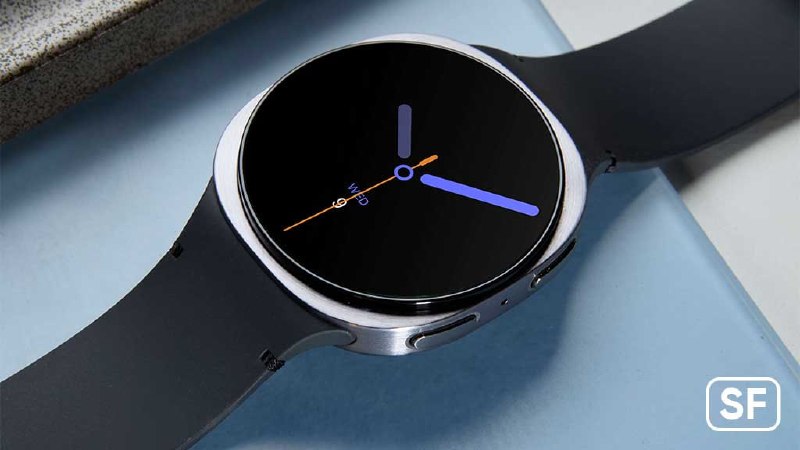
Samsung Galaxy Watch 9: A Deep Dive into Upcoming Features and Specifications In the fast-paced world of wearable technology, Samsung has been a prominent player, consistently pushing the envelope in design and functionality. The eagerly awaited Galaxy Watch 9 has recently had its press images leaked, unveiling a treasure trove of information regarding its specifications, design, and new features. This latest leak comes on the heels of renowned tech leaker Evan Blass's recent disclosures about Samsung's upcoming foldable smartphones. Key Highlights from the Galaxy Watch 9 Leak Processor: Confirmation of a Snapdragon chip Color Variants: New aesthetic choices User Interface: Introduction of a revamped UI Additional Features: Enhanced functionalities Processor: Snapdragon Chipset The Galaxy Watch 9 is set to utilize a Snapdragon chip, a significant upgrade aimed at enhancing performance and efficiency. Samsung's decision to integrate a Snapdragon processor aligns with the industry's trend of adopting high-performing chipsets to ensure fluid user experiences. The expected performance improvements could lead to better battery life, faster app launches, and smoother interactions. Color Variants: A Spectrum of Choices In terms of aesthetics, the Galaxy Watch 9 will be available in several color options. This range of color variants not only caters to different consumer preferences but also signifies Samsung's commitment to personalization and style in its wearable devices. User Interface: An Overhaul for Enhanced Experience One of the most anticipated features of the Galaxy Watch 9 is the new user interface. This overhaul is likely to introduce more user-friendly navigation, enhanced accessibility features, and improved overall usability. As wearables become more integrated into daily life, a refined UI can significantly impact user satisfaction and engagement. Enhanced Features: What to Expect The leaked press images suggest that the Galaxy Watch 9 will also come packed with a host of new features designed to bolster its functionality. While specific details remain under wraps, improvements in health tracking, connectivity, and app performance are likely to be part of the package, continuing Samsung's tradition of merging practicality with innovation. Comparative Analysis: Galaxy Watch Series Feature Galaxy Watch 8 Galaxy Watch 9 Chipset Exynos Snapdragon Color Options Standard Options Expanded Range User Interface Previous UI Revamped UI Health Tracking Features Basic Enhanced Conclusion The leaks surrounding the Samsung Galaxy Watch 9 paint a promising picture for what could be another significant milestone for Samsung in the wearable technology market. With enhancements in processing power, aesthetic choices, user interface, and additional features, the Galaxy Watch 9 is poised to capture consumer interest. As we await the official launch, tech enthusiasts and potential buyers can only speculate about the impact it will have on daily life and how it will compete against other leading smartwatches in the market.

Vivo Expands Horizons: The Development of AI Glasses In a strategic move to diversify its product portfolio, Vivo, the Chinese smartphone manufacturer renowned for its innovative mobile technology, has announced its entry into the burgeoning augmented reality (AR) and wearable technology market. The company is reportedly in the advanced stages of developing a pair of AI glasses, a significant leap from its core business of smartphones. Understanding Vivo's Vision The recent announcement aligns with Vivo's ambition to explore new technological frontiers beyond smartphones. This development signals the company's commitment to remain competitive in a rapidly evolving tech landscape, where functionality and user experience go hand in hand with integration of AI and augmented reality. Aspect Details Company Vivo New Product AI Glasses Market Focus Augmented Reality and Wearable Technology Core Offering Smartphones Strategic Move Diversification beyond smartphones The Technology Behind AI Glasses While details regarding the specifications and features of the AI glasses remain under wraps, it is anticipated that they may include advanced capabilities driven by artificial intelligence. Potential features could include: Augmented Reality Integration: Displaying relevant information and notifications in the user's line of sight. Voice Recognition: Enabling hands-free operation through seamless voice commands. Fitness Tracking: Incorporating health monitoring functionalities to cater to health-conscious users. Smart Connectivity: Allowing users to connect effortlessly with their smartphones and other smart devices. Market Implications The venture into AI glasses reflects the broader trend among technology companies to develop wearables that enhance user interaction with the digital world. Industry experts predict that the AR glasses market will witness exponential growth over the coming years, driven by advancements in AI, increased demand for smart devices, and the expanding realm of digital content. By taking this leap into AR technology, Vivo not only enhances its portfolio but also positions itself to tap into new revenue streams and engage with a wider audience. Competing brands such as Microsoft, Google, and Meta have already established a presence in this domain, making Vivo's entry both timely and critical to its longevity in the tech industry. Future of Vivo in the Wearable Space Vivo's foray into AI glasses is a testament to its innovative spirit and adaptability. As the world becomes increasingly interconnected through digital platforms, companies must broaden their horizons to stay relevant. The development of AI glasses presents an opportunity for Vivo to set itself apart in an increasingly crowded marketplace. As details continue to emerge regarding these cutting-edge AI glasses, the tech community eagerly awaits to see how Vivo's vision will materialize, potentially shaping the future of wearable technology and redefining user experience.

Moondrop Launches Innovative MM3A Desktop Speakers Moondrop, renowned for its commitment to high-fidelity audio components, has officially introduced its latest offering: the MM3A desktop speakers. These speakers aim to elevate the auditory experience for both casual listeners and audiophiles alike, showcasing a striking design paired with sophisticated technology. Design and Build Quality The MM3A speakers prominently feature a multi-curved cabinet design that not only enhances aesthetics but also optimizes acoustics. This meticulous craftsmanship is intended to reduce resonance and distortion, resulting in clearer sound reproduction. The cabinet is constructed using high-quality materials, ensuring durability while providing an appealing presence for any desktop setup. Audio Technology: DSP Tuning At the heart of the MM3A speakers is a state-of-the-art Digital Signal Processing (DSP) system. This feature allows for precise tuning of the audio output, leading to a balance across various frequencies. Whether it’s rich bass or crystal-clear treble, the DSP technology adjusts the sound to suit various listening preferences and environments. This ensures that users enjoy an optimized listening experience regardless of the genre of music or type of media being played. Key Features of MM3A Speakers Multi-Curved Cabinet Design: Innovatively engineered to minimize resonance while enhancing sound quality. DSP Tuning Technology: Offers customizable audio adjustments for enhanced listening experiences. Versatile Connectivity: Provides multiple input options to accommodate different devices seamlessly. Stylish Aesthetics: Designed to complement any modern workspace or setup. Technical Specifications Specification Details Cabinet Type Multi-Curved Design DSP Features Advanced tuning capabilities for all audio frequencies Connectivity Options Multiple input options available Dimensions Compact design for easy placement on desktops Weight Lightweight yet sturdy Conclusion The launch of the MM3A desktop speakers reaffirms Moondrop’s dedication to innovation and quality in audio equipment. By combining a visually appealing design with advanced audio technology, these speakers promise an enhanced listening experience that is sure to captivate users. Whether for casual listening or more critical audio tasks, the MM3A speakers stand out as a compelling addition to Moondrop's product lineup.

Apple Set to Launch First Touchscreen MacBook Pro with M5 Pro and M5 Max Chips In a groundbreaking announcement, Bloomberg's Mark Gurman reports that Apple is gearing up to release its first-ever touchscreen MacBook Pro models, a significant shift in the company’s laptop design philosophy. This new generation of MacBook Pro is anticipated to feature Apple's powerful M5 Pro and M5 Max chips, bypassing the anticipated M6 series entirely. This strategic decision has left many industry watchers intrigued about Apple's roadmap and the implications for the Mac ecosystem. Expected Launch Timeline The eagerly awaited new MacBook Pro models are expected to debut between late 2026 and early 2027. Available in two sizes, 14-inch (codenamed K114) and 16-inch (codenamed K116), these laptops are poised to cater to a wide range of creative professionals and tech enthusiasts alike. Innovative Features This forthcoming release is set to introduce a plethora of innovative features, marking a significant evolution in Apple's laptop lineup: OLED Display with Touch Support: This will be the first instance of a touch-enabled display in a Macbook, offering enhanced interactivity and usability. Dynamic Island: Following the trend set by the iPhone, the inclusion of a Dynamic Island will provide a more immersive experience, making multitasking smoother. Redesigned, Thinner Chassis: Emphasizing both aesthetics and portability, the new MacBook Pro will feature a sleeker design. Pricing: Enthusiasts should prepare for a premium price point, with estimates starting around $4,000. What Lies Ahead Looking beyond these initial releases, Apple is reportedly already in the testing phase for a second generation of touchscreen MacBooks, which will utilize the upcoming M7 Pro and M7 Max chips. These models are set to enhance artificial intelligence capabilities significantly, thanks to improved neural engine technology. As per current timelines, the arrival of these next-generation laptops is expected in late 2027. Interestingly, Apple has made the unusual decision to skip the M6 Pro and M6 Max iterations, further fueling speculation about the company's future strategies. Summary Comparison Feature Touchscreen MacBook Pro (M5 Pro/M5 Max) Future Touchscreen MacBook Pro (M7 Pro/M7 Max) Launch Date Late 2026 - Early 2027 Late 2027 Display Type OLED with Touch Support Potentially Enhanced OLED Dynamic Island Feature Yes Expected Chassis Design Redesigned, Thinner To Be Confirmed Starting Price ~$4,000 Unknown In conclusion, Apple's foray into touchscreen technology with its MacBook lineup marks a pivotal moment in the world of computing devices. As we anticipate these developments, it becomes increasingly clear that Apple's commitment to innovation remains unwavering. With each new release, the company continues to solidify its reputation as a leader in technology and design.
HyperOS 3.1: The Latest Update for MiWallpaper In an exciting development for technology enthusiasts, MiWallpaper has rolled out an updated version of HyperOS, specifically HyperOS 3.1. This release represents a significant upgrade, bringing new features and improvements that aim to enhance user experience and system functionality. Key Details of HyperOS 3.1 Before diving into the specifics of what's new in HyperOS 3.1, it is crucial to highlight an essential prerequisite for the installation of this update. Device Compatibility: Installation is exclusively available for the Mi Mix Flip. Users are urged not to attempt the update on standard Redmi or Xiaomi devices. This restriction underscores the tailored optimizations made for the Mix Flip hardware. What's New in HyperOS 3.1? HyperOS 3.1 introduces a range of enhancements aimed at optimizing performance and usability for users of the Mi Mix Flip. Below is a summary of the key features included in this update: Feature Description Improved UI The user interface has been significantly revamped for a more seamless experience, offering a modern look and enhanced usability. Performance Boosts Enhanced system algorithms lead to faster application launches and smoother multitasking capabilities. Battery Optimization New features aimed at reducing power consumption, thereby extending device battery life during regular use. Security Enhancements Upgraded security protocols to protect user data and privacy effectively. A Note on Community Engagement For users interested in discussing features, sharing experiences, or seeking assistance with HyperOS 3.1, the developers encourage joining the MiWallpaper community. This platform offers a collaborative space for users to connect and engage with one another. Stay updated and interact with fellow Mi users through the community at @Techoffice_officiall . Conclusion The release of HyperOS 3.1 marks a significant step forward for MiWallpaper, particularly for users of the Mi Mix Flip. As technology evolves, such updates are crucial for maintaining device performance and user satisfaction. Users are advised to carefully consider the installation requirements and explore the new features that promise to enhance their device experience.

Upcoming Software Updates: One UI 8.5 for Samsung Devices (July 20 – July 24) As we approach the week of July 20 to July 24, Samsung users can look forward to significant updates to their devices. This update will primarily focus on the rollout of One UI 8.5, bringing enhancements and features designed to optimize the user experience. Here, we will outline the specific devices receiving updates in both global and Korean markets. One UI 8.5 Global Update Galaxy S24 Series Galaxy S25 FE Galaxy Z Fold6/Flip6 These devices represent Samsung's latest flagship models and are expected to receive robust software improvements aimed at enhancing performance and introducing new user-friendly features. One UI 8.5 Update for Korean Users Galaxy S23 Series Galaxy Z Fold5/Flip5 Galaxy A57/A37 This update in Korea highlights Samsung's commitment to delivering timely software enhancements, even for its mid-range models like the Galaxy A series. Users can expect significant improvements in performance, security, and usability across these devices. Summary of One UI 8.5 Updates Region Device Model Type of Update Global Galaxy S24 Series Major Software Update Global Galaxy S25 FE Major Software Update Global Galaxy Z Fold6/Flip6 Major Software Update Korea Galaxy S23 Series Major Software Update Korea Galaxy Z Fold5/Flip5 Major Software Update Korea Galaxy A57/A37 Major Software Update As this week unfolds, Samsung enthusiasts should stay tuned for detailed announcements regarding the features and enhancements included in One UI 8.5. For continuous updates, users are encouraged to follow official sources and community forums where early adopters may share their experiences. In conclusion, the upcoming One UI 8.5 update presents an excellent opportunity for Samsung device users to experience improved functionality, performance, and security. Ensuring that your device is charged and backed up ahead of the rollout will facilitate a smooth update process.

OnePlus Announces Major Strategic Shift in Global Operations In a surprising move, OnePlus, the renowned smartphone manufacturer, has announced significant changes to its operations in Europe and North America. The update, which centers around the company's product launches, software updates, and community engagement, aims to streamline its development processes and enhance the overall user experience. No New Product Launches in Key Markets Effective immediately, OnePlus will cease launching new products in both Europe and North America. This strategic decision raises questions about the brand's commitment to these critical markets. However, the company assures consumers that existing devices will continue to receive promised software updates and security patches, maintaining the integrity of its customer support. Commitment to Existing Customers Software Updates: OnePlus emphasizes that all existing devices will receive ongoing software updates and security patches as scheduled. Warranty and Repairs: Warranty services, repair options, and customer support structures will remain unchanged, ensuring users still receive the same level of service they have come to expect. Transition to ColorOS 17 As part of this new directive, eligible devices will have the option to transition to ColorOS 17 upon its official release. This change aims to unify the software experience across various markets. Notably, users who choose to upgrade to ColorOS will have the option to revert back to OxygenOS, with detailed instructions to be provided shortly. Streamlined Software Development OnePlus has stated that this strategic pivot is designed to streamline software development, leading to improved update delivery for its devices. This focus reflects the company's understanding of user needs and its commitment to delivering timely and efficient software solutions. Community Engagement Changes In the realm of community interaction, the North America Community will be officially shut down on August 16, 2026. Users are encouraged to back up their posts and contributions prior to this closure. In its place, a global OnePlus Discord server will be established, providing an alternative platform for community discussions and engagement. Continued Operations in Europe and India Despite these changes, OnePlus assures users that its operations in Europe will continue as usual, with the Europe Community and OnePlus Store Europe remaining fully operational. Furthermore, OnePlus will maintain its presence in India, where operations are unaffected and are expected to advance as planned. Summary of Key Changes Aspect Details Product Launches No new products in Europe and North America Software Updates Continued support for existing devices Warranty & Support No changes to warranty and customer support Switch to ColorOS Option to upgrade to ColorOS 17; rollback possible Community Forum North America Community closing on August 16, 2026 New Community Platform Introduction of a global OnePlus Discord server Operations in Europe Remain operational with available support India Operations No changes; operations continue as usual This pivotal transformation by OnePlus marks a new chapter in its global strategy. While the decision may raise eyebrows among loyal customers in North America and Europe, the company remains steadfast in its dedication to delivering exceptional service and support to its users worldwide.

Huawei Gears Up for New Device Launches in July and August 2026 As we move into the latter half of 2026, Huawei is making headlines once again with its ambitious plans to unveil a fresh lineup of smartphones and tablets. The anticipation builds as the company gears up for a significant launch event, expected to take place in its home market of China. This forthcoming event follows the recent global introduction of its latest camera flagship series, showcasing Huawei's commitment to innovation and cutting-edge technology. Introduction of New Devices Huawei's commitment to advancing mobile technology continues as it prepares to expand its portfolio with new devices. Although specific details remain under wraps, industry analysts suggest that the upcoming products could target both mid-range and high-end markets, catering to a diverse audience while building on the success of its prior launches. Highlights of Recent Launches This year has already seen Huawei's global debut of a new camera flagship series, which has garnered significant attention for its exceptional photography capabilities. Following this successful release, the upcoming devices are expected to feature enhanced specifications and advanced camera technology to maintain Huawei’s competitive edge in a crowded marketplace. Details on the Upcoming Launch Event The forthcoming launch event, scheduled for July or August, is poised to captivate both tech enthusiasts and industry experts alike. The strategic choice of hosting the event in China underscores Huawei's dedication to its roots, as well as its intention to strengthen connections with local consumers. Anticipated Features and Specifications While precise details regarding the new phones and tablets have not yet been disclosed, speculation abounds about the potential features that these devices may include: Advanced Camera Systems: Following the launch of the flagship series, improvements in camera technology are highly anticipated. Enhanced Battery Performance: Increased battery capacity and faster charging technologies are expected to be key features. Innovative Software Features: The integration of Huawei's proprietary software enhancements is likely to elevate user experience. 5G Connectivity: Continued support for 5G networks will likely remain a standard offering across new devices. Market Position and Competitive Landscape Huawei has had to navigate a complex global landscape amidst various challenges, yet it continues to establish itself as a formidable player in the smartphone market. The introduction of new devices is seen as a vital step to reinforce its market position, especially against competitors that have also been pushing innovative offerings in recent months. Conclusion As the July-August timeframe approaches, excitement continues to build around Huawei's new phones and tablets. The company’s recent achievements in photography technology and ongoing efforts in mobile innovation suggest that the upcoming devices could solidify its reputation as a leading tech innovator. Consumers and tech aficionados alike are keenly waiting for what Huawei has in store during the highly anticipated launch event. Summary of Huawei's Upcoming Launch Aspect Details Launch Period July - August 2026 Expected Products New smartphones and tablets Recent Launch Camera flagship series Location of Event China Key Features Anticipated Advanced camera systems, enhanced battery performance, innovative software features, 5G connectivity With all eyes on Huawei, the upcoming months promise to be eventful as the tech giant prepares to showcase its latest innovations, reaffirming its commitment to excellence in the field of mobile technology.

Anticipated Launch of OLED iPad Mini: Key Features and Specifications Recent reports suggest that Apple is gearing up to release a new version of its popular iPad Mini, which will incorporate an OLED display for the first time. This announcement has generated significant excitement among tech enthusiasts and Apple fans alike, particularly regarding the device’s display specifications. Display Specifications The upcoming OLED iPad Mini is expected to feature an 8.4-inch display with a refresh rate of 60Hz. This is an essential detail, as display technology significantly influences the overall user experience. Feature Specification Display Type OLED Screen Size 8.4 inches Refresh Rate 60Hz OLED technology is renowned for its superior color accuracy and vibrant visuals, making it ideal for media consumption, gaming, and productivity tasks. With a refresh rate of 60Hz, users can expect smooth performance for everyday tasks, although it may fall short of the higher refresh rates found in some competing devices. Market Implications The introduction of an OLED display in the iPad Mini marks a significant evolution in its design and functionality. This enhancement is expected to align the iPad Mini with the latest trends in consumer electronics, particularly as more devices are becoming equipped with advanced screen technologies. The integration of OLED displays may also enhance the device's appeal to creatives and professionals who rely on accurate color reproduction. Conclusion As the tech community eagerly awaits the official announcement from Apple, the anticipated specifications of the OLED iPad Mini set a promising foundation for an exciting device. With an 8.4-inch OLED display at its core, this new iteration of the iPad Mini is likely to cater to a diverse range of users seeking a capable and portable tablet. Further information is expected to surface as the release date approaches, and tech enthusiasts will undoubtedly be keen to see how the new device performs in real-world applications compared to its predecessors.

Samsung Raises Prices of Tablet Lineup by Up to ₹16,000 In a notable shift that has captured the attention of the tech community, Samsung has recently announced a price increase across its popular tablet range, with adjustments going as high as ₹16,000. This decision affects multiple models, including the flagship Tab S11 Ultra, and has sparked discussions regarding value and market positioning in an increasingly competitive landscape. Price Changes Overview The following sections detail the price adjustments for various Samsung tablet models, along with their specifications and the previous versus new pricing. Tab S11 Ultra Pricing Update The Tab S11 Ultra, renowned for its high-end features and cutting-edge technology, has seen significant price hikes: Model Previous Price (₹) New Price (₹) Price Increase (₹) 12/256GB (WiFi) 1,24,999 1,37,999 13,000 12/512GB (WiFi) 1,41,999 1,56,999 15,000 12/256GB (LTE) 1,39,999 1,53,999 14,000 12/512GB (LTE) 1,55,999 1,71,999 16,000 Tab S11 Pricing Update Similarly, the Tab S11 has experienced price modifications across its variants: Model Previous Price (₹) New Price (₹) Price Increase (₹) 12/128GB (WiFi) 91,999 1,01,999 10,000 12/256GB (WiFi) 99,999 1,09,999 10,000 12/512GB (WiFi) 1,15,999 1,27,999 12,000 12/128GB (LTE) 1,05,999 1,16,999 11,000 12/256GB (LTE) 1,14,999 1,26,999 12,000 Tab S10 FE + Pricing Update The newer Tab S10 FE + series has also adjusted its pricing: Model Previous Price (₹) New Price (₹) Price Increase (₹) 8/128GB (WiFi) 63,999 70,999 7,000 12/256GB (WiFi) 74,999 82,999 8,000 8/128GB (LTE) 72,999 80,999 8,000 12/256GB (LTE) 83,999 92,999 9,000 Tab S10 FE Pricing Update The standard Tab S10 FE models have also been affected, with the following adjustments: Model Previous Price (₹) New Price (₹) Price Increase (₹) 8/128GB (WiFi) 49,999 54,999 5,000 12/256GB (WiFi) 61,999 68,999 7,000 8/128GB (LTE) 58,999 64,999 6,000 12/256GB (LTE) 70,999 78,999 8,000 Market Implications This price revision comes as a crucial factor for consumers considering their options in the premium tablet sector. As competitors innovate and adjust pricing strategies, Samsung's increase poses questions regarding the value proposition of their tablets in an already competitive market. Consumers will need to weigh the new prices against the specifications and features that Samsung tablets provide, potentially influencing their purchasing decisions in the near future. For tech enthusiasts and potential buyers, keeping a close eye on the market dynamics and any eventual promotional offers that might arise could be advisable, especially as the new pricing scheme takes effect. As of now, Samsung fans and consumers alike are left to ponder the implications of these changes on their future tablet acquisitions.
The Introduction of Touchscreen MacBook Pro: A Transformative Leap for Apple In a groundbreaking move that is set to redefine the landscape of laptop technology, Apple plans to introduce its first-ever touchscreen MacBook Pro models. According to a recent report by Bloomberg's Mark Gurman, these innovative laptops will be powered by the existing M5 Pro and M5 Max chips, marking a significant shift in the company’s hardware strategy by entirely skipping the anticipated M6 generation. Release Timeline and Specifications The new MacBook Pro models are projected to launch between late 2026 and early 2027. Apple enthusiasts can expect two sizes to be available: 14-inch and 16-inch, codenamed K114 and K116, respectively. Key Features of the New MacBook Pro The upcoming models will boast a variety of exciting features that promise to attract both loyal Apple users and new customers alike. The following enhancements make this release particularly noteworthy: OLED Display with Touch Support: This marks the first time Apple is incorporating a touchscreen interface in its Mac lineup, adding versatility and interactivity to the user experience. Dynamic Island: Similar to the iPhone's interface, the Dynamic Island feature is expected to enhance multitasking capabilities and user interactions. Redesigned Chassis: The new models will feature a thinner and more refined design, aligning with recent aesthetics seen in other Apple devices. Price Point: The starting price is anticipated to be around $4,000, placing it in the premium range of the laptop market. Feature Description Display OLED with Touch Support Dynamic Island Enhanced user interaction interface Chassis Design Thinner and more elegant Price Starting at approximately $4,000 Looking Ahead: Future Developments In an intriguing twist, Apple is already testing a second generation of touchscreen MacBooks, which will be powered by the M7 Pro and M7 Max chips. These next-generation models are expected to be equipped with enhanced neural engines designed to handle more sophisticated AI workloads. Their release is anticipated in late 2027, following the initial launch of the M5-powered models. Notably, Apple has chosen to bypass the M6 Pro and M6 Max chips altogether, a decision that raises questions about the company's strategic direction in chip development. Conclusion The introduction of the touchscreen MacBook Pro represents a major evolutionary step for Apple, largely driven by the latest advancements in chip technology and user interface design. As Apple prepares for this new chapter, both consumers and industry analysts will be watching closely to see how these innovations will reshape the MacBook experience.

Avengers: Doomsday Official Trailer Breakdown: An In-depth Analysis The Marvel Cinematic Universe (MCU) continues to expand its narrative horizons with the highly anticipated release of Avengers: Doomsday . The recent unveiling of the official trailer has ignited discussions among fans and critics alike, leading to substantial speculation about plotlines, character arcs, and Easter eggs hidden in the footage. This article provides a detailed breakdown of the trailer, exploring notable elements and raising theories that stem from the teaser. Overview of the Trailer The Avengers: Doomsday trailer clocks in at just under three minutes, yet it manages to present a wealth of information. Featuring dynamic visuals, intense action scenes, and dramatic score, the trailer serves as an engaging introduction to what promises to be an epic saga. Key themes evident throughout the footage include sacrifice, resilience, and the dire consequences of conflict. Key Moments and Analysis Opening Scene : The trailer begins with a somber monologue from one of the characters, potentially setting the stage for the emotional stakes of the film. The visuals depict a devastated cityscape, hinting at the catastrophic events leading to the storyline. Character Introductions : Several beloved characters make their return, including familiar faces from previous installments. Notably, brief glimpses of iconic Avengers showcased the evolving dynamics among team members. New Characters : A few seconds of footage introduced new characters, suggesting fresh layers to the narrative. Initial speculations point towards these characters playing pivotal roles in the unfolding events. Intense Action Sequences : Action-packed scenes abound, featuring stunning choreography and CGI effects. These fleeting glimpses hint at colossal battles that will test the Avengers like never before. Villain Reveal : The appearance of a new antagonist, rumored to shake the very foundation of the Avengers, raises the stakes significantly. Fans are buzzing about the implications of this character's intentions and capabilities. Thematic Elements At its core, the Doomsday trailer reflects overarching themes pertinent to the superhero genre. The struggle between good and evil remains central, with moral ambiguities highlighted throughout the trailer. Redemption and Sacrifice : Characters appear to grapple with past decisions, setting the stage for redemptive arcs that would resonate deeply with audiences. Unity Against Adversity : The Avengers must come together in the face of overwhelming challenges, emphasizing the importance of teamwork against formidable adversaries. Theories and Speculations As with any Marvel production, fan theories are rampant. Here are some of the leading speculations inspired by the trailer: The New Villain’s Identity : Many fans suspect that the newly revealed antagonist may have ties to earlier MCU villains, creating a layered backstory that enriches the narrative. Potential Cameos : Given Marvel’s penchant for surprise appearances, speculation about cameos from past characters may play a role in the upcoming plot twist. Character Development Arcs : The emotional undertones suggest potential character growth and evolution, particularly for those in the lingering shadows of previous events. Conclusion The Avengers: Doomsday official trailer has undeniably paved the way for a thrilling cinematic experience that promises to captivate audiences worldwide. With layers of character complexity, high-stakes narratives, and breathtaking action sequences, Marvel fans are left eager for the film's release. As we approach the premiering date, the excitement surrounding the film will undoubtedly escalate, fueled by ongoing fan theories and discussions. Summary Table Key Element Description Opening Scene Sets a somber tone with dramatic visuals. Character Introductions Reintroduction of beloved characters and introduction of new ones. Action Sequences Dynamic battle scenes demonstrating high stakes. Villain Reveal An antagonist with profound implications for the Avengers. Themes Redemption, sacrifice, and unity in adversity. As fans decode the intricacies of this trailer, the excitement for Avengers: Doomsday continues to build—setting the stage for another iconic chapter in Marvel's saga.

T-Mobile's FCC Response: A Case Study in Customer Service and Communication T-Mobile, one of the leading mobile network providers in the United States, recently found itself in the spotlight following a customer's complaint lodged with the Federal Communications Commission (FCC). The response from T-Mobile, however, has sparked discussions about the effectiveness and transparency of corporate customer service communications. This article delves into the details surrounding the complaint, T-Mobile's response, and the broader implications for consumer rights and corporate accountability. The Customer Complaint The complaint in question originated from a dissatisfied T-Mobile customer who reached out to the FCC to express their grievances. The specifics of the complaint were not widely reported, but it typically involved matters that are common among mobile service providers, such as billing errors, service outages, or customer service experience. T-Mobile's Official Response T-Mobile's official response to the FCC was notably sparse. Rather than providing a detailed explanation or resolution to the customer's issues, the communication was largely non-informative. This has raised several questions regarding the company's commitment to addressing customer concerns effectively. Key Aspects of T-Mobile’s Response Lack of Specifics: The response did not address the specific issues raised by the customer, instead opting for generic statements about their commitment to service quality. Minimal Engagement: There was little to no engagement or assurance that the customer's complaint was being taken seriously. Customer Experience Consideration: The handling of the complaint highlights potential gaps in T-Mobile's customer service procedures, leaving customers feeling undervalued. Consumer Rights and Corporate Accountability The incident underscores the critical nature of corporate responses to consumer complaints in an increasingly digital world. Customers expect their issues to be taken seriously, and companies must ensure that their communication reflects an understanding of and respect for consumer rights. Implications for Consumers Increased Awareness: This incident has prompted consumers to be more aware of their rights and the inadequacies of corporate practices. Demand for Transparency: Customers may demand greater transparency and accountability from companies, pushing for more effective complaint resolution processes. Influence on Corporate Practices: Publicized failure in handling complaints could lead to changes in how corporations approach customer service and resolution strategies. Conclusion T-Mobile's response to the FCC complaint serves as a crucial reminder of the importance of effective communication and customer service in today's fast-paced digital environment. As consumers become more informed and vocal about their rights, companies like T-Mobile must adapt and prioritize transparency and accountability in their communications. The evolution of customer service strategies will be essential for retaining consumer trust and loyalty in the competitive telecommunications landscape. Summary Table of T-Mobile's FCC Complaint Response Aspect Details Complaint Origin Customer complaint lodged with FCC Response Type Generic and lacking detail Customer Experience Impact Perceived lack of value placed on customer concerns Consumer Rights Implications Increased awareness and demand for transparency As the debate continues surrounding customer service practices, T-Mobile's experience offers essential lessons for both consumers and corporations alike, emphasizing the need for meaningful dialogue and resolution strategies in customer service.

HyperOS 3.1: Joyose App Update Brings Enhanced Functionality Xiaomi has recently rolled out an update for its Joyose application, specifically designed for users of the HyperOS ecosystem. The new version, 2.5.12, is now available and promises to deliver significant improvements and fixes to enhance user experience. Key Details of the Update Attribute Details Version 2.5.12 Size 2.0 MB Region China 🇨🇳 Device Extracted From REDMI Note 17 Pro Compatibility HyperOS2/3 Changelog Highlights The Joyose update comes with a set of crucial enhancements aimed at improving performance and usability. The key changes are as follows: Version Update: The app has been updated to version 2.5.12. Bug Fixes: Several bugs and issues have been addressed to ensure a smoother user experience. App Optimisations: General optimisations have been implemented to enhance overall functionality. Installation Guide If you are looking to install the latest version of the Joyose app, the process is straightforward. Below is a step-by-step guide: Download the APK file for the Joyose app. Open the Xiaomi File Manager and locate the downloaded APK. Select the APK to install it over the existing version of the Joyose app. If prompted, reboot your device to apply the changes. Once the installation is complete, your Joyose app will be updated and ready for use. Conclusion The Joyose app update to version 2.5.12 for HyperOS users highlights Xiaomi's commitment to refining its software ecosystem. With bug fixes and optimisations, users are expected to enjoy a more stable and efficient application experience. This release not only showcases the continuous development of HyperOS but also exemplifies the company’s responsiveness to user needs. For updates and more information, stay tuned to official Xiaomi channels.
HyperOS 3.1 Update: A New Era for Pad Tablets The technology landscape is ever-evolving, and the recent announcement of the HyperOS 3.1 update signifies a notable advancement for Pad Tablet users. This latest feature brings an array of functionalities specifically designed to enhance user experience and overall system performance, but it comes with certain limitations that should be noted. Key Features of HyperOS 3.1 HyperOS 3.1 introduces several new features and improvements that set it apart from its predecessors. Below are the highlights of what this update has to offer: Performance Enhancements: The update optimizes system responsiveness, allowing for smoother multitasking and a more fluid user interface. User Interface Improvements: A revised design aims to provide a more intuitive navigation experience, making it easier for users to access their desired applications and functions. Enhanced Security Features: With increasing concerns surrounding data privacy, HyperOS 3.1 has implemented new security protocols to safeguard users' information. Additional Customization Options: Users can now personalize their devices with more themes and widgets, catering to individual preferences. Installation Requirements It is crucial to note that the HyperOS 3.1 update is exclusively available for Pad Tablets. This means that if you own a different device type, this update will not be applicable, which may leave some users wanting access to these new features. Community Engagement As part of their ongoing commitment to user engagement, the developers encourage users to join their community on social media platforms. Participating in the community allows users to share their experiences, provide feedback, and stay updated on future developments. Summary of Changes Feature Category Details Performance Enhancements Smoother multitasking and improved responsiveness User Interface Intuitive navigation with revised design elements Security New protocols to enhance data privacy Customization More themes and widgets available Device Compatibility Exclusively for Pad Tablets Conclusion The HyperOS 3.1 update marks a significant step forward in the evolution of Pad Tablets, introducing features that are bound to enhance user experience. However, the limitation of installation solely on Pad Tablets may hinder broader adoption. As this update rolls out, feedback from users will be crucial in shaping future releases and ensuring that HyperOS continues to meet the changing demands of its audience.

Xiaomi Unveils HyperOS 4: A New Era of User Interface Enhancements Xiaomi has officially launched the latest iteration of its operating system, HyperOS 4, heralding a series of significant user interface advancements aimed at improving the overall user experience across its range of devices. This update not only modernizes the look of the interface but also enhances interactivity and usability, as shared by notable tech enthusiast @Sunnny1583 via social media platforms. Four Key Visual Enhancements The HyperOS 4 update introduces four principal visual improvements that stand out prominently in enhancing the way users interact with their devices: Stacked Widgets: This new feature allows users to organize their home screen more efficiently by layering widgets, maximizing space without sacrificing functionality. New 2.5D App Icons: The app icons have been redesigned to incorporate a subtle 2.5D effect, adding depth through increased shadowing that lends a more three-dimensional feel. Glass Effect on Folders: The introduction of a glass-like effect on folders offers a visually appealing interface, creating a modern aesthetic that is both sleek and stylish. Updated Gesture Pill: The gesture navigation bar has been reworked to be thicker and shorter, allowing for more intuitive gestures and ease of use while navigating between applications. User Interface Summary The following table summarizes the key updates introduced in HyperOS 4: Feature Description Stacked Widgets Organizes home screens more efficiently by allowing widget layering. 2.5D App Icons Enhanced app icons with more pronounced shadows for a three-dimensional appearance. Glass Effect Modern aesthetic for folders that provides a sophisticated glass-like visual. Updated Gesture Pill Revamped gesture navigation for easier access, being thicker and shorter. Conclusion The release of HyperOS 4 marks a significant step forward in Xiaomi's commitment to enhancing device user interfaces. With these enhancements, users can expect a more refined and visually appealing experience that not only improves aesthetics but also functionality. As technology continues to evolve, updates like these are pivotal in meeting user expectations and staying competitive in the dynamic smartphone landscape.