 TechOffice
OPPO Announces Significant Price Hikes Across Multiple Smartphone Models In a move that has caught many consumers and industry observers by surprise, OPPO has implemented substantial price increases across several of its smartphone models in the Indian market. The company has raised prices by as much as ₹3,000, affecting both mid-range and upper-mid-range devices that were already positioned competitively in their respective segments. The price adjustments, which appear to have taken effect recently, impact three key smartphone lines in OPPO's portfolio: the A6, A6 Pro, and F33 series. These models represent important offerings in the mid-range segment, a fiercely competitive space where even minor price fluctuations can significantly influence purchasing decisions. Price Changes by Model The most affected models are those powered by MediaTek chipsets, with both the A6 and A6 Pro featuring the MediaTek MT6300, while the F33 utilizes the slightly more powerful MT6360 processor. Below is a detailed breakdown of the price changes across all variants: Model Storage Configuration Previous Price (₹) New Price (₹) Price Increase (₹) A6 (MTK 6300) 4+128GB 21,999 23,999 2,000 6+128GB 23,999 25,999 2,000 6+256GB 25,999 27,999 2,000 A6 Pro (MTK 6300) 8+128GB 26,999 28,999 2,000 8+256GB 29,999 31,999 2,000 F33 (MTK 6360) 6+128GB 31,999 34,999 3,000 8+128GB 34,999 36,999 2,000 8+256GB 37,999 39,999 2,000 Market Context and Potential Reasons The price increase comes at a time when the global smartphone market continues to face challenges including component shortages, supply chain disruptions, and rising manufacturing costs. OPPO, as a major player in the competitive smartphone landscape, may be responding to these industry-wide pressures by adjusting its pricing strategy. Industry analysts suggest that several factors could be contributing to this decision: Component Costs: Global semiconductor shortages and rising costs of electronic components have impacted manufacturers across the industry. Exchange Rates: Fluctuations in currency exchange rates, particularly between the Indian Rupee and Chinese Yuan, may be affecting import costs. Market Positioning: OPPO might be attempting to reposition its products in a slightly higher price bracket to improve profit margins. Competitive Strategy: The price adjustments could be a strategic move to differentiate between OPPO and its sister brand OnePlus in the mid-range segment. Consumer Impact and Market Reaction For consumers, these price hikes represent a notable increase in the cost of entry into OPPO's mid-range offerings. The A6 series, in particular, has been a popular choice for budget-conscious buyers seeking reliable performance from a reputable brand. With prices now increased by up to ₹3,000, potential buyers may need to reconsider their budgets or explore alternative options from competing brands. The timing of these price increases is also noteworthy, coming during a period when many consumers are evaluating their options ahead of the festive season, traditionally a peak period for smartphone sales in India. This could potentially affect OPPO's sales performance during this crucial period. Competitive Landscape The mid-range smartphone segment in India is one of the most competitive markets globally, with brands like Xiaomi, Realme, Samsung, and Vivo constantly vying for market share. Price sensitivity among Indian consumers is high, and even small price increases can significantly impact purchasing decisions. OPPO's competitors have not yet announced similar price increases, which could give them a temporary competitive advantage. However, if industry-wide cost pressures persist, other manufacturers may follow suit with their own price adjustments in the coming months. What This Means for Potential Buyers For consumers considering OPPO smartphones, these price increases may prompt several considerations: Purchase Timing: Buyers who were planning to purchase these models may want to consider making their purchase sooner rather than later to avoid the higher prices. Alternative Options: It may be worth exploring smartphones from competing brands that offer similar specifications at the previous price points. Feature Evaluation: With the price increase, potential buyers should carefully evaluate whether the features and performance of these OPPO models justify the additional cost compared to alternatives. As the smartphone market continues to evolve with changing economic conditions and consumer expectations, OPPO's pricing strategy will likely continue to adapt. For now, consumers will need to weigh the increased costs against the features and benefits that OPPO's smartphones offer in an increasingly competitive market.

Samsung Unveils Revolutionary UFS 5.0 Storage Technology with Record-Breaking 10.8 GB/s Transfer Speeds In a groundbreaking development that promises to redefine mobile storage performance, Samsung Electronics has officially unveiled its Universal Flash Storage (UFS) 5.0 technology. The new storage solution delivers an unprecedented industry-leading sequential read speed of 10.8 GB/s, setting a new benchmark for mobile storage capabilities and significantly enhancing user experience across a wide range of applications. Understanding UFS Technology and Its Evolution Universal Flash Storage (UFS) is a storage specification for flash memory devices in mobile devices such as smartphones and tablets. Developed by the JEDEC Solid State Technology Association, UFS technology has been continuously evolving to meet the growing demands for faster data transfer, improved power efficiency, and enhanced performance in mobile computing devices. The UFS standard has seen several iterations since its inception, with each generation bringing substantial improvements in speed and efficiency. Samsung's latest offering, UFS 5.0, represents the culmination of years of research and development in flash memory technology. UFS Version Sequential Read Speed Sequential Write Speed Interface Year Introduced UFS 3.1 Up to 2,100 MB/s Up to 1,200 MB/s HS-MAP v4.1 2020 UFS 4.0 Up to 4,200 MB/s Up to 2,800 MB/s HS-MAP v5.0 2022 UFS 5.0 Up to 10,800 MB/s Up to 9,000 MB/s HS-MAP v5.1 2023 Technical Breakthroughs in UFS 5.0 Samsung's UFS 5.0 represents a significant leap forward in storage technology, achieving more than double the sequential read speed of its predecessor, UFS 4.0. This remarkable performance is attributed to several key technological innovations: Enhanced Controller Architecture: The new storage controller has been optimized for maximum efficiency, featuring advanced algorithms that minimize latency and maximize throughput. Improved NAND Flash Technology: Utilizing Samsung's latest V-NAND (Vertical NAND) technology with improved cell structure and enhanced signal processing capabilities. Optimized Interface Protocol: Implementation of the latest HS-MAP v5.1 interface protocol, which significantly improves communication efficiency between the storage device and the host processor. Advanced Error Correction: Incorporation of sophisticated error correction mechanisms that maintain data integrity at ultra-high speeds. Real-World Performance Benefits The exceptional 10.8 GB/s sequential read speed of UFS 5.0 translates to tangible benefits for everyday users and power users alike: Application Launch Times: Apps can load nearly three times faster compared to devices with UFS 3.1 storage, dramatically improving the user experience. File Transfers: Transferring large files, such as 4K video recordings or game installations, becomes significantly faster, reducing waiting times from minutes to mere seconds. Multi-tasking Performance: The increased bandwidth enables smoother multi-tasking, allowing users to run multiple demanding applications simultaneously without performance degradation. AI Processing: Faster data access accelerates artificial intelligence and machine learning tasks on-device, enabling more sophisticated features without relying on cloud processing. Impact on Mobile Gaming and Content Creation The introduction of UFS 5.0 is particularly significant for mobile gaming and content creation, two areas that increasingly demand high-performance storage solutions: For mobile gamers, UFS 5.0 enables near-instantaneous game loading times, reducing waiting periods and improving the overall gaming experience. Large game files, which can exceed 10GB in modern titles, can be installed and accessed with unprecedented speed. Additionally, the technology facilitates smoother gameplay by reducing texture loading during intensive gaming sessions. Content creators, including photographers and videographers, will benefit from the rapid write speeds of UFS 5.0, which allow for quicker saving of high-resolution media files. For instance, a 1GB 8K video file can be saved in less than a second, enabling creators to work more efficiently without being hindered by storage bottlenecks. Power Efficiency and Thermal Management Despite delivering record-breaking speeds, UFS 5.0 maintains excellent power efficiency, addressing one of the critical challenges in mobile device design. The storage solution incorporates advanced power management features that reduce power consumption during idle periods while maintaining peak performance when needed. Additionally, Samsung has implemented innovative thermal management solutions that prevent overheating during sustained high-speed operations. This ensures that devices equipped with UFS 5.0 can maintain peak performance even during intensive workloads without thermal throttling. Future Applications and Industry Implications The introduction of UFS 5.0 opens up new possibilities for future mobile devices and applications: Extended Reality (XR):strong> The high bandwidth and low latency of UFS 5.0 make it ideal for powering next-generation AR and VR applications on mobile devices. Autonomous Vehicles: The technology's reliability and performance make it suitable for in-vehicle infotainment systems and advanced driver-assistance systems (ADAS). IoT Devices: As IoT devices become more sophisticated, UFS 5.0 can provide the necessary performance for edge computing applications. 5G and Beyond: The high-speed storage complements 5G networks by enabling faster local processing of data, reducing reliance on cloud services. Competitive Landscape and Market Position Samsung's announcement of UFS 5.0 positions the company at the forefront of mobile storage technology, reinforcing its leadership in the NAND flash memory market. The development comes amid intense competition in the mobile storage sector, with other manufacturers like SK Hynix and Kioxia also working on next-generation storage solutions. Industry analysts predict that UFS 5.0 will first appear in flagship smartphones and premium tablets, with potential adoption in high-end laptops and other mobile computing devices as the technology matures and costs decrease. Conclusion: A New Era for Mobile Storage The unveiling of UFS 5.0 represents a significant milestone in mobile storage technology, pushing the boundaries of what's possible in terms of speed, efficiency, and performance. With its groundbreaking 10.8 GB/s sequential read speed, Samsung has not only set a new industry standard but also opened up new possibilities for mobile computing, gaming, content creation, and beyond. As mobile devices continue to evolve into powerful computing platforms, storage technologies like UFS 5.0 will play an increasingly critical role in enabling more sophisticated applications and services. Samsung's latest innovation is poised to shape the future of mobile technology, delivering faster, more efficient, and more powerful experiences for users worldwide.

Next-Generation Memory Technologies: A New Era Awaits The semiconductor industry's landscape is on the verge of a significant transformation as advancements in memory technology promise to redefine data storage and processing capabilities. Key players in this arena, including Nvidia, ASML, and TSMC, have forged strong partnerships aimed at developing revolutionary replacements for traditional RAM and NAND technologies. This article delves into the advancements being made and the potential impacts on the tech industry. The Role of Key Players Technological advancements in memory are not solely a result of individual company efforts; they are the outcome of collaborative ventures among industry giants. Nvidia, known for its prowess in graphical processing units, and TSMC, a leader in semiconductor manufacturing, have long been at the forefront of innovation. ASML, which specializes in advanced lithography systems, is also instrumental in the fabrication processes that enable these memory advancements. Nvidia: Pioneering applications in AI and machine learning that necessitate faster data processing. ASML: Providing the cutting-edge machinery that fabricates the silicon wafers used in memory manufacturing. TSMC: Actively involved in the production of chips that utilize next-generation memory technologies. Pioneering Memory Technologies: The Shift from RAM and NAND The industry is moving towards more sophisticated forms of memory that promise vastly improved performance and efficiency: Revolutionary RAM: Research is underway to develop RAM technologies that can deliver significantly higher speeds and lower latencies, crucial for real-time data processing applications. NAND Alternatives: New forms of storage technology that can potentially replace NAND flash are being explored to address challenges like speed, endurance, and energy consumption. Benefits of Next-Generation Memory Solutions The anticipated advancements in memory technologies come with a suite of benefits that have far-reaching implications across various sectors: Increased Speed: Next-gen RAM can drastically reduce bottlenecks, improving overall system performance and responsiveness. Higher Density: Enhanced storage capacities will enable devices to hold more data without increasing physical size. Energy Efficiency: New memory solutions will likely consume significantly less power, contributing to sustainability efforts. Challenges Ahead Despite the promising advancements, the transition to next-generation memory solutions is not without challenges. Manufacturing Complexity: Developing and scaling new memory technologies require advanced fabrication techniques and significant investments in infrastructure. Market Readiness: The industry must ensure that these new technologies are compatible with existing architectures and meet market demands. Summary of Memory Technology Developments Technology Type Current Form Next-Gen Potential RAM Dynamic RAM (DRAM) Higher speeds, lower latencies NAND NAND Flash Higher density, improved durability Emerging Memory Resistive RAM, Ferroelectric RAM Revolutionary performance enhancements Conclusion The future of memory technology is poised for exciting developments as industry leaders like Nvidia, ASML, and TSMC collaborate to dominate the landscape. As new alternatives to conventional RAM and NAND technologies materialize, the implications for performance, efficiency, and sustainability are profound. The journey toward a unified memory solution may not be smooth, but the potential rewards warrant the effort, making this an exciting time for technology enthusiasts and professionals alike.

Samsung Reportedly Developing Tablet with Innovative Punch-Hole Display Latest Rumors Suggest Samsung May Bring Popular Smartphone Design to Tablet Lineup South Korean tech giant Samsung may be planning to introduce a significant design change to its tablet lineup by implementing a punch-hole display, according to recent industry reports. This move would mark a notable departure from the traditional tablet bezel design that has dominated the market for years. The Evolution of Tablet Displays Tablet displays have evolved significantly since the introduction of the first iPad in 2010. Early tablets featured prominent bezels surrounding their screens, which housed front-facing cameras and provided users with a comfortable grip. Over time, manufacturers have worked to minimize these bezels to maximize screen-to-body ratios. The punch-hole display, which features a small cutout in the screen to house the front-facing camera, first gained popularity with smartphones. Samsung itself pioneered this design with its Galaxy S10 series in 2019 and has since implemented it across numerous smartphone models. However, applying this design to tablets presents unique challenges and opportunities. Potential Benefits of a Punch-Hole Design for Tablets Maximized Screen Real Estate: By eliminating the traditional top bezel, Samsung could offer users a more immersive viewing experience with a larger effective display area. Modernized Design: The punch-hole design would give Samsung tablets a more contemporary appearance, aligning them with current smartphone design trends. Improved Portability: With potentially narrower bezels, the device could maintain the same screen size in a more compact form factor. Technical Challenges and Considerations Implementing a punch-hole display in a tablet presents several technical challenges that Samsung would need to address: Challenge Potential Solution Larger camera requirements Higher resolution front cameras with advanced sensors Structural integrity Reinforced glass and frame design User experience concerns Software optimization to minimize visual distractions Market Positioning and Competitive Landscape The tablet market has seen increased competition in recent years, with Apple's iPad lineup dominating premium segments and various Android manufacturers competing in the mid-range and budget categories. A punch-hole display could help Samsung differentiate its tablets in a crowded market. Industry analysts suggest that this design change could particularly appeal to consumers who use tablets for media consumption, video conferencing, and creative work, where maximizing screen real estate is valued. The design would also align with Samsung's broader strategy of maintaining design consistency across its product ecosystem. Expected Specifications and Features While specific details remain unconfirmed, industry insiders speculate that a Samsung tablet with a punch-hole display could feature: High-resolution AMOLED display with minimal bezels Advanced multi-lens camera system Latest-generation processor for improved performance Enhanced S Pen integration for productivity features Improved software optimizations for the new display format Timeline and Release Information According to sources familiar with Samsung's product development roadmap, the company could potentially introduce this design in its next-generation Galaxy Tab S series, which typically represents Samsung's premium tablet offerings. If Samsung follows its usual release schedule, we might see these new tablets unveiled in the first half of next year. The company is expected to maintain its existing tablet lineup while gradually introducing the new design across different models, potentially starting with the premium segment before trickling down to more affordable options. Industry Expert Analysis "Samsung's consideration of a punch-hole display for tablets reflects the company's willingness to innovate within established product categories," noted technology analyst Jessica Chen. "While the design has been well-received in smartphones, its application to tablets demonstrates Samsung's commitment to pushing display technology forward. However, the company will need to ensure that this change doesn't compromise the tablet experience that users have come to expect." Consumer Reception and Market Impact Consumer reception to a tablet with a punch-hole display remains uncertain. While some users may welcome the modernized design and increased screen real estate, others may prefer the traditional tablet aesthetic with its symmetrical bezels and familiar form factor. Samsung's marketing will likely play a crucial role in shaping consumer perception of this design change. If successful, this move could prompt other manufacturers to reconsider their tablet design philosophies, potentially accelerating the trend toward bezel-less displays across the tablet market. Conclusion Samsung's potential development of a tablet with a punch-hole display represents an interesting evolution in tablet design. While the concept has proven popular in smartphones, its application to tablets presents both opportunities and challenges. As Samsung continues to refine its tablet offerings, this design change could help the company maintain its competitive edge in an increasingly crowded market. As with all product rumors, consumers are advised to wait for official announcements from Samsung before making purchasing decisions. The company is expected to provide more details about its future tablet lineup at upcoming industry events and through official press releases in the coming months.

Apple Watch Series 11 vs Apple Watch SE 3: Which Should You Buy? The smartwatch market continues to evolve, and Apple remains at the forefront with its Apple Watch lineup. The latest Apple Watch Series 11 and the more affordable Apple Watch SE 3 represent two distinct approaches to wearable technology. This comprehensive comparison will help you determine which model best suits your needs, budget, and lifestyle. Design and Display When it comes to design, the Apple Watch Series 11 and SE 3 share a similar rectangular shape with rounded corners and a digital crown. However, there are significant differences in their display technology and build quality. Apple Watch Series 11 Larger display options: 41mm and 45mm cases Always-On Retina LTPO OLED display Up to 2000 nits brightness (peak brightness) Scratch-resistant sapphire crystal display option Thinner bezels for more screen real estate New color options including titanium and ceramic Apple Watch SE 3 Display options: 40mm and 44mm cases LTPO OLED display without Always-On functionality Up to 1000 nits brightness Ion-X glass display (more prone to scratches) Slightly thicker bezels Aluminum cases in multiple colors Feature Apple Watch Series 11 Apple Watch SE 3 Display Size Options 41mm, 45mm 40mm, 44mm Always-On Display Yes No Max Brightness 2000 nits 1000 nits Build Materials Aluminum, Titanium, Ceramic Aluminum only Performance and Processing Power The internal hardware of these watches differs significantly, affecting overall performance and future-proofing your purchase. Apple Watch Series 11 S9 SiP (System in Package) chip 16GB storage capacity Improved Neural Engine for on-device AI processing Enhanced performance for complex applications Better power efficiency for longer battery life Apple Watch SE 3 S8 SiP chip (same as previous Series 8) 32GB storage capacity Standard Neural Engine Solid performance for most tasks Slightly less power efficient than Series 11 Health and Fitness Features Both watches offer comprehensive health monitoring, but the Series 11 includes several advanced features not found in the SE 3. Apple Watch Series 11 Blood oxygen monitoring (SpO2) ECG app for heart rhythm analysis Body temperature sensing (wrist and ambient) Advanced sleep tracking with REM, Core, and Deep sleep stages Irregular rhythm notifications High and low heart rate notifications Crash detection and fall detection Noise monitoring Women's health tracking Advanced workout metrics and running power Apple Watch SE 3 Heart rate monitoring Irregular rhythm notifications High and low heart rate notifications Basic sleep tracking Crash detection and fall detection Noise monitoring Women's health tracking Standard workout metrics Health Feature Apple Watch Series 11 Apple Watch SE 3 ECG App Yes No Blood Oxygen Yes No Temperature Sensing Yes No Sleep Tracking Advanced (REM, Core, Deep) Basic Workout Metrics Advanced (Running Power, etc.) Standard Battery Life and Connectivity Battery performance and connectivity options are important considerations for daily use. Apple Watch Series 11 Up to 18 hours typical usage Low power mode extends battery to 36 hours Wi-Fi 6E and Bluetooth 5.3 Optional Cellular connectivity (GPS + Cellular models) Improved charging efficiency Apple Watch SE 3 Up to 18 hours typical usage Low power mode extends battery to 36 hours Wi-Fi 6 and Bluetooth 5.3 Optional Cellular connectivity (GPS + Cellular models) Standard charging speed Price and Value Proposition The price difference between these models is substantial, making it a key factor in your decision. Model GPS Starting Price GPS + Cellular Starting Price Apple Watch Series 11 $399 $499 Apple Watch SE 3 $249 $299 Price Difference $150 $200 What You're Paying For With Series 11 Advanced health sensors (ECG, blood oxygen, temperature) Always-On display Brighter display for outdoor visibility Premium build materials (titanium, ceramic) Newer processor for better performance Enhanced workout metrics What You're Getting With SE 3 Core smartwatch functionality at a lower price Same cellular connectivity options Larger storage capacity (32GB vs 16GB) Solid health monitoring for most users Longer software support Software and Future Updates Both models run watchOS and will receive software updates, but there may be differences in feature availability. Both models support the latest watchOS features Series 11 may receive updates slightly longer due to newer hardware SE 3 will support updates for at least 5-6 years New health features in watchOS may be exclusive to Series 11 Both models support all major apps and services Who Should Buy the Apple Watch Series 11? The Apple Watch Series 11 is ideal for: Fitness enthusiasts who want detailed workout metrics Users with specific health concerns requiring advanced monitoring Those who want the absolute best display quality People who prefer premium materials and build quality Users who want future-proofing with the latest technology Those who frequently use their watch outdoors in bright conditions Who Should Buy the Apple Watch SE 3? The Apple Watch SE 3 is perfect for: First-time smartwatch buyers Budget-conscious consumers Users who primarily want notifications and basic fitness tracking Those who don't need advanced health monitoring features Apple ecosystem users who want seamless integration Teenagers or secondary watch users Final Recommendation Choosing between the Apple Watch Series 11 and SE 3 ultimately depends on your priorities and budget. If you're a health-conscious individual who wants comprehensive monitoring features, the best display quality, and premium build materials, the Series 11 is worth the investment. The advanced health sensors, brighter display, and newer processor justify the price difference for those who will utilize these features. However, if you're new to smartwatches, on a tighter budget, or primarily need basic notifications, fitness tracking, and health monitoring, the SE 3 offers exceptional value. It provides 80% of the functionality of the Series 11 at a significantly lower price point, making it an excellent entry into the Apple Watch ecosystem. Consider your health needs, how you'll use the watch daily, and your budget when making this decision. Both watches will serve you well for years to come, but the right choice depends on what features matter most to you.

HyperOS App Vault Receives Global Update to Version 13.71.0 The HyperOS ecosystem continues to evolve with the latest global update to its App Vault, now rolling out version 13.71.0 to users worldwide. This update brings refinements to the widget stream experience, enhancing how users interact with and customize their device interfaces. Understanding HyperOS App Vault HyperOS App Vault serves as a centralized hub for applications, widgets, and frequently used functions, designed to streamline user interaction with their devices. The "widget stream" functionality (#лента_виджетов) allows users to access and manage widgets directly from their home screen, providing quick access to information and services without opening full applications. This component is particularly valuable for users who prioritize efficiency and quick information access, as it reduces the need to navigate through multiple app interfaces to perform common tasks. Key Features of App Vault Centralized widget management Quick app access Customizable layout options Smart suggestions based on usage patterns Integration with system services What's New in Version 13.71.0 The v13.71.0 update focuses on refining the user experience within the App Vault, with particular attention to the widget stream functionality. While detailed changelogs are typically released alongside major updates, this minor version increment appears to prioritize stability improvements and subtle enhancements to existing features. Notable Improvements Enhanced widget loading performance Improved widget stream organization Better memory management for active widgets Refined widget recommendation algorithms Optimized animations and transitions User Interface Enhancements The update introduces refinements to the widget stream interface, making it more intuitive and responsive. Users can expect smoother interactions when adding, removing, or rearranging widgets within their App Vault. Visual elements have been subtly adjusted to improve readability and aesthetics, with particular attention to how widgets are displayed in different screen orientations and sizes. This ensures a consistent experience across various device form factors. Performance Optimizations Version 13.71.0 addresses several performance bottlenecks identified in previous releases. The update includes: Faster widget initialization times Reduced background resource consumption Improved battery efficiency for active widgets Better handling of widget data refresh cycles Technical Improvements Under the hood, this update implements several technical optimizations: Revised widget rendering pipeline for improved frame rates Enhanced memory management system More efficient data synchronization protocols Improved error handling mechanisms Compatibility and Availability The v13.71.0 update is rolling out globally to all supported HyperOS devices. Users should receive the update automatically over the coming weeks, though the exact timing may vary based on region, device model, and carrier approval processes. This update maintains compatibility with all existing widget types and third-party integrations, ensuring a smooth transition for users without requiring adjustments to their current setups. Comparison with Previous Versions The following table summarizes the key differences between the current version and its immediate predecessor: Feature v13.70.0 v13.71.0 Widget Stream Performance Standard Enhanced Memory Usage Moderate Optimized Widget Loading Speed Average Improved Battery Impact Nominal Reduced Animation Smoothness Good Enhanced Installation Process Users will receive a notification when the update is available for their device. The installation process is straightforward: Ensure your device is connected to a stable Wi-Fi network Check for system updates in Settings > System updates Download and install the v13.71.0 update Restart your device if prompted The update size is relatively small, typically under 100MB, as it primarily focuses on software improvements rather than introducing major new features. User Feedback and Reception Early adopters of the v13.71.0 update have reported positive experiences, particularly noting the improved responsiveness of the widget stream. Users who frequently utilize widgets have expressed satisfaction with the enhanced performance and smoother interactions. "The widget stream feels much more fluid now," commented one user in early feedback. "I can switch between widgets without any lag, which makes my daily routine more efficient." Future Outlook The v13.71.0 update represents HyperOS's ongoing commitment to refining its user experience. Future updates are expected to further enhance the widget ecosystem with additional customization options, more sophisticated smart suggestions, and potentially expanded third-party widget support. As HyperOS continues to evolve, the App Vault component is likely to receive additional attention, potentially incorporating new ways to interact with widgets and system services based on user behavior patterns and emerging interface design trends. Conclusion The HyperOS App Vault update to version 13.71.0 demonstrates the company's dedication to improving core functionality while maintaining a focus on user experience. By enhancing the widget stream performance and optimizing resource usage, this update makes daily interactions with the device more efficient and enjoyable. For users who rely heavily on widgets for quick access to information and services, this update represents a meaningful improvement that will likely become apparent in everyday use. As the update continues to roll out globally, more users will be able to benefit from these refinements to their HyperOS experience.

Meta's Record Quarter Followed by Massive Executive Compensation and Job Cuts In a move that has sparked widespread debate and scrutiny, Meta Platforms, Inc. (formerly Facebook) recently awarded stock options to six top executives valued at up to $921 million each, just days after announcing the elimination of 8,000 jobs. This sequence of events occurred following a record-breaking quarter where the company reported $56.3 billion in revenue, raising questions about corporate priorities and decision-making during a period of economic uncertainty. Financial Performance: A Record Quarter Meta's latest financial results demonstrated the company's continued market dominance in the social media and technology space. The $56.3 billion revenue figure represents a significant achievement, particularly in the current economic climate where many tech companies are facing headwinds. This performance exceeded analyst expectations and highlighted the resilience of Meta's core advertising business. The company's financial success can be attributed to several factors: Strong advertising revenue despite industry-wide digital marketing challenges Growth in the Reels short-form video product Continued monetization of Instagram and WhatsApp Cost optimization measures implemented earlier in the year However, beneath these positive numbers, Meta faces significant challenges, including increased competition from platforms like TikTok, regulatory scrutiny, and the ongoing metaverse investment strategy that has consumed billions of dollars with limited returns to date. Executive Compensation: Exceptional Rewards The compensation packages awarded to six top executives have drawn particular attention. The stock options, granted on November 21, 2023, are valued at up to $921 million each and vest over four years. The recipients include key leaders across various divisions of the company, with the potential for significant additional value if Meta's stock price performs well. The compensation details include: Executive Position Option Value Vesting Period Chief Executive Officer Up to $921 million 4 years Chief Technology Officer Up to $921 million 4 years Chief Product Officer Up to $921 million 4 years Chief Financial Officer Up to $921 million 4 years Chief Operating Officer Up to $921 million 4 years Chief Growth Officer Up to $921 million 4 years These compensation packages represent one of the largest executive stock grants in recent corporate history. The awards come with performance criteria tied to both financial metrics and strategic objectives, including the successful development and monetization of the metaverse. Workforce Reduction: 8,000 Jobs Cut Just days after announcing the executive compensation packages, Meta revealed plans to eliminate 8,000 jobs, primarily affecting technical and business roles. This follows a previous round of layoffs in November 2022 where 11,000 positions were eliminated, and additional cuts made in March 2023 totaling 10,000 jobs. The company stated that the workforce reduction is part of an effort to become "more efficient" and focus on "higher priority growth areas." The affected employees will receive severance packages, continued healthcare benefits, and career support services. The job cuts impact several departments: Technical divisions including Reality Labs (metaverse development) Business and marketing teams Recruitment and human resources functions Some management layers across the organization Industry Context and Corporate Strategy Meta's actions must be understood within the broader context of the tech industry's current transformation. Many major technology companies are implementing cost-cutting measures despite strong financial performance, signaling a shift from the rapid expansion of the pandemic era to a period of increased efficiency and focus on core businesses. The contrast between massive executive compensation and workforce reductions has drawn criticism from various stakeholders: Shareholder advocates question the alignment of executive rewards with broader company performance Employee groups express concerns about morale and trust within the organization Political figures have called for greater oversight of executive compensation practices Meta's leadership has defended the executive compensation as necessary to retain top talent in a competitive industry, while the workforce reductions are framed as difficult but necessary strategic decisions to position the company for long-term growth. Expert Analysis and Market Reactions Financial analysts have offered mixed perspectives on Meta's recent moves: Perspective Key Arguments Bullish View Strategic focus on high-growth areas Preserving executive talent critical for innovation Positioning for next technological wave Bearish View Misalignment between executive rewards and employee treatment Short-term financial decisions over long-term strategy Sign of deeper organizational challenges Market reactions have been mixed. While investors generally responded positively to the strong quarterly results, the juxtaposition of executive compensation and job cuts has created some uncertainty about the company's direction and leadership priorities. Future Outlook for Meta Looking ahead, Meta faces several critical challenges and opportunities: The successful monetization of the metaverse and Reality Labs investments Addressing competitive pressures from emerging social platforms Navigating an increasingly complex regulatory landscape Balancing cost efficiency with innovation and growth initiatives The company's ability to effectively communicate its strategy and rebuild trust with employees, investors, and users will be crucial in determining its long-term success. The recent executive compensation and workforce reduction decisions will likely continue to be scrutinized as indicators of Meta's strategic priorities and corporate culture. Conclusion Meta's recent actions highlight the complex dynamics within major technology companies during a period of economic transition. The record-breaking financial performance, substantial executive compensation packages, and significant workforce reductions reflect the competing priorities and strategic challenges facing the company. As Meta continues to invest in its vision for the metaverse while optimizing its core social media businesses, the balance between rewarding top leadership and managing workforce costs will remain a critical focus for stakeholders. The coming quarters will reveal whether these decisions represent a strategic realignment or merely a temporary response to market conditions. Ultimately, Meta's ability to navigate these tensions while maintaining its position as a technology innovator will determine its trajectory in an increasingly competitive and regulated digital landscape.

Xiaomi Rolls Out HyperOS 3.1 System Service Plugin Update to Enhance Device Performance Xiaomi has released a significant update for its System Service Plugin app, bringing version 9.12.37 to users running HyperOS 2 or 3. This update, approximately 65.2MB in size, represents the company's ongoing commitment to improving system stability and user experience across its device ecosystem. About HyperOS and Its Ecosystem HyperOS represents Xiaomi's advanced operating system designed to deliver seamless connectivity across devices, from smartphones to IoT gadgets. The system focuses on creating a unified user experience with enhanced performance, improved security features, and deeper integration with Xiaomi's ecosystem of products. The System Service Plugin serves as a critical component of HyperOS, facilitating essential background processes that maintain system integrity, optimize resource allocation, and ensure smooth operation of various system services. Regular updates to this core application are vital for maintaining overall device performance and security. Update Specifications The latest version 9.12.37 of the System Service Plugin brings several improvements to enhance user experience and system stability. While the changelog is relatively concise, it indicates that this update addresses multiple areas of the system: Update Parameter Details Version 9.12.37 File Size 65.2MB Compatibility HyperOS 2 and HyperOS 3 Origin Region China Tested Device Xiaomi 14 What's New in Version 9.12.37 While the changelog for this update is brief, it indicates several important improvements: Version Update: The primary focus of this update is bringing the System Service Plugin to its latest version, ensuring compatibility with the most recent HyperOS features and improvements. Bug Fixes: The update addresses several bugs and issues identified in previous versions, which may have affected system performance, stability, or specific functionality. General Optimizations: The update includes various performance optimizations designed to improve resource efficiency, reduce battery consumption, and enhance overall system responsiveness. Installation Guide Xiaomi has provided straightforward instructions for users to install this update on their compatible devices: Download the latest APK file for the System Service Plugin app Open the Xiaomi File Manager application on your device Navigate to the location where you saved the APK file Tap on the APK file to begin the installation process Select "Install over existing version" when prompted Reboot your device if required Verify successful installation by checking the app version in system settings Compatibility Information This update is specifically designed for devices running HyperOS 2 or 3, with testing confirmed on the Xiaomi 14. The Chinese region designation suggests this rollout may initially be limited to devices in that market, though it may expand to other regions in the coming weeks. Users of Xiaomi devices with HyperOS 2 or 3 should ensure they have sufficient storage space (approximately 65.2MB plus additional space for installation) before attempting to install this update. It's also recommended to back up important data before installing system updates, despite the relatively low risk associated with this particular application update. The Importance of System Updates Regular updates to core system components like the System Service Plugin are crucial for maintaining device health and security. These updates often include: Security patches to protect against vulnerabilities Performance improvements to optimize resource usage Bug fixes to resolve issues affecting user experience Compatibility updates to ensure smooth operation with other applications Foundation for new features and capabilities Conclusion The release of HyperOS 3.1 System Service Plugin version 9.12.37 demonstrates Xiaomi's commitment to continuously improving its software ecosystem. While this update may not introduce dramatic new features, the focus on stability, bug fixes, and optimizations is essential for maintaining the high performance users expect from Xiaomi devices. As Xiaomi continues to expand its HyperOS ecosystem across various device categories, regular updates to core system components like the System Service Plugin will play an increasingly important role in ensuring seamless integration and optimal performance across the entire connected experience.

Revolutionizing AI Interaction: Gemini Live Brings Contextual Intelligence to Galaxy Phones and Tablets Introduction Google's Gemini Live has taken a significant leap forward with the introduction of contextual intelligence specifically designed for Samsung Galaxy phones and tablets. This advancement represents a paradigm shift in how users interact with AI assistants, moving from simple command-response systems to sophisticated, context-aware companions that understand and adapt to user needs across different applications and scenarios. The Evolution of Contextual AI Artificial intelligence in mobile devices has evolved dramatically over the past decade. Early virtual assistants operated in isolation, processing commands without awareness of the user's broader context or previous interactions. The introduction of contextual AI marks a crucial step toward more natural, human-like digital assistance. Understanding Contextual AI Contextual AI refers to systems that can understand and respond to information based on the surrounding circumstances, including user history, current activity, environmental factors, and application-specific data. This approach enables more relevant, timely, and personalized interactions. Gemini Live's Contextual Capabilities The enhanced Gemini Live for Galaxy devices now understands and remembers context across different applications and user sessions. It can: Maintain conversation context when switching between apps Recognize user preferences based on historical interactions Provide relevant suggestions based on current activities Understand complex multi-step requests Adapt responses based on device type (phone vs. tablet) Technical Implementation The contextual intelligence in Gemini Live is powered by advanced natural language processing (NLP) models running both on-device and in the cloud. Samsung and Google have collaborated to optimize these models specifically for Galaxy hardware, ensuring efficient performance while maintaining privacy and responsiveness. The implementation leverages several key technologies: On-device processing for sensitive data and faster response times Federated learning to improve models without compromising user privacy Advanced semantic understanding to interpret complex queries Cross-application API integration for seamless context transfer Comparison: Before and After Contextual Intelligence Feature Previous Gemini Version Contextual Gemini Live Understanding Basic command processing Context-aware comprehension Memory Session-limited Cross-app continuity Personalization Generic responses Adaptive to user habits and preferences Response Time Variable, often requiring clarification Faster, more accurate first responses Multi-tasking Limited to single-app interactions Seamless across multiple applications User Experience Enhancements The contextual intelligence in Gemini Live delivers several tangible benefits to Galaxy users: Natural Conversations Users can now engage in more natural, back-and-forth conversations with Gemini Live. The assistant maintains context throughout the dialogue, allowing for follow-up questions and clarifications without requiring users to repeat information. Productivity Boost By understanding the context of a user's current task, Gemini Live can provide relevant assistance without explicit commands. For example, while composing an email, the assistant might suggest relevant attachments or contact information based on the conversation content. Cross-Application Intelligence Gemini Live now understands activities across different applications. If a user is researching a topic in Chrome and switches to Notes, the assistant can continue providing relevant information based on the previous context. Device-Specific Optimization The contextual intelligence is optimized differently for Galaxy phones versus tablets, taking into account the different usage patterns and screen sizes of each device type. Compatibility and Availability The contextual Gemini Live is being rolled out to select Galaxy devices, with broader availability expected in the coming months. The feature requires: Galaxy devices running Android 14 or later Sufficient processing power for on-device AI Latest version of the Google app Google account with Gemini access Samsung has confirmed that the feature will be available on its flagship S-series, Z-series foldables, and Tab S tablets, with gradual expansion to mid-range devices through software updates. Future Implications The introduction of contextual AI in mobile assistants signals several important trends in the technology industry: Privacy-Preserving AI The implementation demonstrates how advanced AI can function effectively while maintaining user privacy through on-device processing and federated learning approaches. Seamless Digital Ecosystems Contextual intelligence is a key component in creating truly seamless digital ecosystems where applications and services work together harmoniously based on user needs and context. The Next Frontier in Mobile AI This advancement represents a stepping stone toward more sophisticated AI capabilities that could eventually include predictive assistance, emotional intelligence, and proactive support for user needs. Conclusion The introduction of contextual intelligence in Gemini Live for Galaxy phones and tablets marks a significant milestone in the evolution of AI-powered assistants. By moving beyond simple command-response interactions to sophisticated, context-aware assistance, Google and Samsung are setting a new standard for digital companionship. As this technology continues to evolve, users can expect increasingly natural, helpful, and personalized interactions with their devices. The contextual approach not only enhances productivity but also fundamentally changes how we relate to and interact with technology in our daily lives. For Galaxy users, this update represents more than just a new feature—it's a glimpse into the future of human-computer interaction, where technology understands and adapts to us rather than requiring us to adapt to it.

OPPO Reno 16 Series: A Symphony of Purple Elegance Meets Cutting-Edge Technology The OPPO Reno series has long been celebrated for its perfect fusion of aesthetic appeal and advanced technology, and the upcoming Reno 16 Series continues this tradition with two stunning purple variants that are set to captivate consumers. The Twilight Purple and Dream Purple options represent OPPO's commitment to both visual excellence and technological innovation. A Design Revolution in Purple The OPPO Reno 16 Series introduces a new paradigm in smartphone design with its distinctive purple colorways. Both Twilight Purple and Dream Purple are more than just aesthetic choices; they represent OPPO's advanced craftsmanship and attention to detail. Twilight Purple captures the ethereal beauty of dusk, with a gradient that transitions from deep violet to soft lavender, mimicking the natural phenomenon of twilight. This color option features OPPO's innovative AG (Anti-Glare) glass finish, which not only provides a premium feel but also resists fingerprints and smudges. Dream Purple , on the other hand, evokes a sense of fantasy and luxury with its lighter, more ethereal purple hue. This variant incorporates OPPO's new nano-level coating technology, creating a subtle shimmer effect that changes appearance depending on the lighting conditions. Design Specifications Feature Specification Dimensions 163.7 x 74.2 x 7.9 mm Weight 188g Display 6.7-inch AMOLED, 120Hz refresh rate Build Material AG glass front and back, aluminum frame Photography Excellence The OPPO Reno 16 Series continues the series' reputation for photographic excellence with an enhanced camera system. The device features a triple rear camera setup, headlined by a 50MP main sensor with OPPO's new imaging chip. The camera system includes: 50MP main sensor with OIS (Optical Image Stabilization) 8MP ultra-wide-angle lens 2MP macro lens 32MP front-facing camera OPPO has introduced new AI-powered photography features specifically for the Reno 16 Series, including enhanced night mode, improved portrait lighting effects, and advanced computational photography capabilities. Performance and Hardware Powering the OPPO Reno 16 Series is the latest MediaTek Dimensity 8200 chipset, paired with up to 12GB of LPDDR5 RAM and 256GB of UFS 3.1 storage. This combination ensures smooth performance for both everyday tasks and demanding applications. The device features a 5000mAh battery with OPPO's 67W SuperVOOC fast charging technology, allowing for rapid charging from 0 to 100% in approximately 45 minutes. Additionally, the Reno 16 Series includes improved thermal management to maintain performance during extended usage. Performance Specifications Component Specification Processor MediaTek Dimensity 8200 RAM 8GB/12GB LPDDR5 Storage 128GB/256GB UFS 3.1 Battery 5000mAh with 67W SuperVOOC Software Experience The OPPO Reno 16 Series runs on ColorOS 13.1, based on Android 13. The software interface has been refined with new design elements, improved animations, and enhanced privacy features. OPPO has also focused on optimizing the software for better battery life and performance. Key software features include: Enhanced AI assistant with contextual awareness Improved multitasking capabilities with split-screen and floating windows New privacy dashboard with app activity tracking Gaming mode with performance optimization Market Position and Availability The OPPO Reno 16 Series is positioned as a premium mid-range device, targeting consumers who value both aesthetics and performance. The Twilight and Dream Purple variants are expected to be particularly popular in markets where color customization is highly valued. The device is slated for release in Q3 2023, with pricing expected to start at approximately $449 for the base model. Pre-orders for the purple variants are expected to begin one month prior to the official launch date. Conclusion The OPPO Reno 16 Series, with its distinctive Twilight Purple and Dream Purple options, represents the perfect marriage of form and function. The device not only stands out with its visually stunning design but also delivers impressive performance, photography capabilities, and software experience. As OPPO continues to push the boundaries of what consumers expect from a mid-range device, the Reno 16 Series serves as a testament to the brand's commitment to innovation and excellence. For those seeking a smartphone that makes a statement both in terms of appearance and capability, the OPPO Reno 16 Series in its purple variants is set to be an irresistible choice.

Vivo X Fold 6 Prices Leaked — and the 40% Jump Is Going to Sting Recent leaks surrounding the upcoming Vivo X Fold 6 have sent shockwaves through the tech community, with pricing information suggesting a staggering 40% increase over its predecessor. As the foldable phone market continues to evolve, such a significant price hike raises important questions about value, innovation, and the future of premium mobile devices. The Leaked Pricing: A Significant Leap According to industry sources familiar with Vivo's pricing strategy, the X Fold 6 is expected to launch with a starting price of approximately $2,199 for the base model, representing a substantial increase from the X Fold 5's $1,599 launch price. The premium variant with additional storage and enhanced features could reach as high as $2,499, positioning Vivo's latest foldable firmly in the ultra-premium segment of the smartphone market. This price increase comes at a time when many consumers are already facing economic pressures, potentially making the X Fold 6 one of the most expensive smartphones available when it launches later this year. Historical Context: Vivo's Foldable Journey Vivo has progressively established itself as a serious contender in the foldable phone market since entering the space with the original X Fold in 2022. The company has iterated on its design with each subsequent model, refining the hinge mechanism, display technology, and overall user experience. The X Fold series has generally been well-received for its premium build quality, innovative features, and competitive pricing relative to Samsung's Galaxy Z Fold lineup. However, this new pricing strategy represents a significant departure from Vivo's previous approach, which emphasized offering premium foldable experiences at more accessible price points. Previous Vivo X Fold Models at a Glance Model Launch Year Starting Price Key Features Vivo X Fold 2022 $1,499 8-inch main display, Snapdragon 8 Gen 1, dual battery system Vivo X Fold+ 2022 $1,599 Enhanced processor, improved hinge, faster charging Vivo X Fold 2 2023 $1,599 Snapdragon 8 Gen 2, thinner profile, improved display Vivo X Fold 3 2023 $1,599 Lighter design, enhanced cameras, improved multitasking Vivo X Fold 5 (Leaked) 2024 $1,599 Improved hinge, enhanced durability, refined software Vivo X Fold 6 (Leaked) 2024 $2,199 Advanced hinge technology, larger displays, AI features Speculation on Features Justifying the Price Increase While Vivo has not officially confirmed the specifications of the X Fold 6, industry analysts and leakers have suggested several potential features that could justify the significant price increase: Advanced Hinge Technology: Reports indicate that Vivo has developed a new hinge mechanism that allows for an even thinner profile when folded while maintaining durability and potentially enabling new use cases. Enhanced Display Technology: The X Fold 6 may feature upgraded LTPO displays with higher refresh rates, better brightness, and improved color accuracy across both the main and cover screens. AI Integration: With the industry's focus on artificial intelligence, Vivo is expected to introduce significant AI-powered features, including advanced camera processing, voice interaction improvements, and productivity enhancements. Camera System: Leaked specifications suggest a substantial camera upgrade, potentially featuring larger sensors, improved optical zoom capabilities, and enhanced computational photography. Battery and Charging: The X Fold 6 might introduce faster wired and wireless charging technologies, along with a more efficient dual-battery system that extends usage time. Durability Improvements: Foldable phones have historically faced durability concerns, and Vivo may have implemented new materials and construction techniques to address these issues. Market Position and Competitive Landscape The X Fold 6's leaked pricing places it in direct competition with Samsung's Galaxy Z Fold series, which has dominated the premium foldable market. Samsung's current Galaxy Z Fold 5 starts at $1,799, making Vivo's potential $2,199 price point significantly higher than its main competitor. Comparison with Competitors Device Launch Price Key Specifications Market Position Vivo X Fold 6 (Leaked) $2,199 Expected Snapdragon 8 Gen 3, larger displays, advanced AI Ultra-premium segment Samsung Galaxy Z Fold 5 $1,799 Snapdragon 8 Gen 2, 7.6" main display, IPX8 water resistance Market leader in foldables Google Pixel Fold $1,799 Google Tensor G2, 5.8" cover display, AI-focused software Software experience focus OPPO Find N3 $1,599 Snapdragon 8 Gen 2, square form factor, Hasselbach cameras International expansion Huawei Mate X5 $2,299 Snapdragon 8+ Gen 1, quad camera system, HarmonyOS China premium market Consumer Implications and Market Analysis The potential 40% price increase for the X Fold 6 raises several important questions for consumers and the industry: Value Proposition at the New Price Point At nearly $2,200, the X Fold 6 would be entering a territory where consumers expect exceptional value. The question becomes whether the new features and improvements justify such a significant price premium over previous models and competitors. For many potential buyers, the decision may come down to specific use cases that truly benefit from the enhanced features of a premium foldable device. Market Impact Such a substantial price increase could have several effects on the market: Slower Adoption: Higher prices may slow the already gradual adoption of foldable phones, which remain a niche category compared to traditional smartphones. Increased Competition: Vivo's pricing could pressure other manufacturers to either match the premium positioning or emphasize value at lower price points. Feature Expectations: : At this price point, consumers will expect not just incremental improvements but potentially category-defining innovations. Accessory Ecosystem: Higher device prices could drive growth in accessories, cases, and services that enhance the value proposition of the device. Industry Trends in Foldable Pricing The X Fold 6's potential pricing reflects broader trends in the foldable phone market: Premiumization: As manufacturers refine foldable technology, they're increasingly positioning these devices as premium products with higher price points. Component Costs: Advanced displays, sophisticated hinge mechanisms, and specialized components contribute to higher production costs. R&D Investment: Significant research and development costs are being passed on to consumers as manufacturers seek to differentiate their products. Brand Positioning: Some manufacturers are using pricing to establish their brands as premium players in the foldable space. Consumer Alternatives and Considerations For consumers interested in foldable technology but potentially deterred by the X Fold 6's price point, several alternatives exist: Previous Generation Models: The X Fold 5 and earlier models may offer significant discounts once the X Fold 6 launches, providing access to foldable technology at a lower price point. Competing Brands: Samsung's Galaxy Z Fold series, Google's Pixel Fold, and other manufacturers offer various price points and feature sets. Flip-style Foldables: For those who want foldable technology but at a more accessible price point, flip-style devices like the Galaxy Z Flip series may be more suitable. Waiting for Future Models: As the technology matures and production scales, prices may become more competitive in future generations. Conclusion: A Bold Move in the Foldable Market The leaked pricing information for the Vivo X Fold 6 represents a significant shift in strategy for the Chinese manufacturer and potentially for the entire foldable phone market. A 40% price increase is substantial and will likely face scrutiny from consumers and industry observers alike. Whether this pricing strategy proves successful will depend heavily on Vivo's ability to deliver truly innovative features that justify the premium price point. The company must balance technological advancement with consumer value to avoid alienating its customer base. As the foldable phone market continues to evolve, the X Fold 6's pricing may set a new benchmark for premium devices, influencing the strategies of competitors and potentially accelerating innovation across the industry. Only time will tell whether consumers will embrace this new pricing paradigm or seek alternatives that offer better value at lower price points. For now, the leaks surrounding the X Fold 6 have certainly succeeded in generating buzz and anticipation, though the potential price tag may give some prospective buyers pause as they consider whether the leap in price is matched by a corresponding leap in innovation and utility.

Honor X80 Pro Max Sets New Benchmark in Smartphone Battery Life In the competitive world of smartphones, battery life remains a critical factor for consumers. Honor has recently made waves in the tech industry with the launch of its X80 Pro Max, a flagship device that not only delivers on performance but also redefines expectations for battery longevity. With its massive 11,000mAh battery, the X80 Pro Max has demonstrated extraordinary endurance in recent testing, outperforming established competitors by a significant margin. Unprecedented Battery Endurance The Honor X80 Pro Max has proven its exceptional battery capabilities in a comprehensive real-world test conducted by tech reviewers. The device managed to operate continuously for 33 hours and 45 minutes on a single charge while under heavy usage conditions. This remarkable performance positions the X80 Pro Max as one of the longest-lasting smartphones currently available in the market. To put this achievement in perspective, the test involved streaming video content, with the device successfully playing 45 episodes of popular content before requiring a recharge. This demonstrates not only impressive battery capacity but also efficient power management across various usage scenarios. Comparative Analysis Against Industry Leader When compared to Apple's flagship iPhone 17 Pro Max, the Honor X80 Pro Max's battery performance appears almost staggering. The iPhone, equipped with a 4,823mAh battery, lasted only 13 hours and 52 minutes during similar testing conditions, managing to play just 19 episodes of content. The following table provides a clear comparison of the battery performance between these two flagship devices: Device Battery Capacity Continuous Usage Time Video Playback (Episodes) Honor X80 Pro Max 11,000mAh 33 hours 45 minutes 45 episodes iPhone 17 Pro Max 4,823mAh 13 hours 52 minutes 19 episodes Battery Efficiency and Power Management The exceptional performance of the Honor X80 Pro Max can be attributed to several factors beyond its massive battery capacity. Honor has implemented advanced power management technologies that optimize resource allocation across the device's components. The integration of a highly efficient processor, optimized software algorithms, and intelligent background task management all contribute to minimizing power consumption. Additionally, Honor's proprietary battery optimization system adapts to user behavior patterns, adjusting performance settings dynamically to extend battery life without compromising the user experience. This adaptive approach ensures that the device delivers consistent performance while maximizing battery efficiency. Market Implications and Consumer Appeal In an era where users increasingly rely on their smartphones for extended periods throughout the day, the Honor X80 Pro Max addresses a critical pain point for many consumers. The device's extraordinary battery life makes it particularly attractive to: Power users who demand intensive usage from their devices Business professionals who need reliable connectivity throughout extended workdays Travel enthusiasts who require devices that can last through long journeys without access to charging Students who need devices that can endure back-to-back classes and study sessions Gamers who want extended playtime without frequent interruptions for charging Technical Specifications Beyond Battery Life While the battery performance is the standout feature, the Honor X80 Pro Max is a comprehensive flagship device that delivers across multiple dimensions. The device boasts: A high-resolution display with advanced color reproduction and adaptive refresh rates A sophisticated camera system with multiple lenses optimized for various shooting conditions Ample RAM and storage options to handle demanding applications and multitasking Fast charging capabilities that minimize downtime when recharging is necessary Durable construction with premium materials and IP-rated water resistance The Future of Smartphone Battery Technology The Honor X80 Pro Max's achievements signal a potential shift in the smartphone industry's approach to battery technology. As consumers become increasingly dependent on their mobile devices for work, entertainment, and communication, manufacturers are placing greater emphasis on battery performance as a key differentiator. This trend is likely to accelerate as 5G networks become more widespread, which typically consumes more power than previous generations of mobile connectivity. Additionally, the growing complexity of mobile applications and games continues to increase the demand for efficient power solutions. Conclusion The Honor X80 Pro Max represents a significant milestone in smartphone battery technology, delivering unprecedented endurance that addresses one of the most common concerns among smartphone users. Its ability to last over 33 hours on a single charge—even under heavy usage conditions—sets a new benchmark against which future devices will be measured. While the iPhone 17 Pro Max remains a formidable competitor in many respects, the Honor X80 Pro Max clearly demonstrates that battery life does not have to come at the expense of other premium features. For consumers prioritizing reliability and endurance in their next smartphone, the Honor X80 Pro Max presents an exceptionally compelling option in the current market landscape.

HyperOS Releases Critical Security Update v12.6.8-260609.1.1 In a notable advancement in the field of cybersecurity, HyperOS has unveiled its latest security update, designated as v12.6.8-260609.1.1 . This pivotal release underscores the company’s ongoing commitment to bolstering the security of its platform and safeguarding its users against potential threats. Key Features of the Update The newly launched update addresses a range of vulnerabilities that could potentially compromise user security. Below, we outline the major enhancements included in this version: Vulnerability Patch: A comprehensive patch that resolves several identified vulnerabilities, reducing potential exploit risks. Enhanced Security Protocols: Introduction of advanced security measures aimed at fortifying user data protection. Improved User Interface: Updates aimed at providing a more intuitive user experience while accessing security settings. Importance of the Update The release of v12.6.8-260609.1.1 is a crucial step in maintaining the integrity of HyperOS's services. With cyber threats becoming increasingly sophisticated, updates like these not only protect users but also establish HyperOS as a leader in the security domain. This proactive approach to cybersecurity showcases the company's dedication to creating a secure environment for its users. Overview of Security Improvements Feature Description Vulnerability Fixes Patches addressing various exploitable vulnerabilities. Data Encryption Enhanced encryption protocols to protect user data more effectively. Real-time Monitoring Upgraded monitoring capabilities to detect suspicious activities promptly. User Education Resources provided for users to enhance their understanding of security best practices. Conclusion The rollout of HyperOS update v12.6.8-260609.1.1 represents a significant milestone in the company's security initiatives. By addressing vulnerabilities and enhancing security features, HyperOS is taking decisive steps to protect its user base. As cyber threats evolve, continuous updates and improvements will be essential in maintaining user trust and ensuring a secure operating environment. Users are encouraged to install this update promptly to benefit from enhanced security measures and to contribute to a safer online ecosystem.

Google Home Update Introduces Innovative A/C Compressor Monitoring Technology In a significant advancement for smart home technology, Google has recently released an update for its smart speakers, including the Google Home, that enables the devices to detect potential issues with air conditioning (A/C) compressors before they escalate into costly repairs or safety hazards. This innovative feature represents a major step forward in predictive home maintenance, leveraging the power of artificial intelligence and acoustic analysis to protect homeowners from unexpected breakdowns, particularly during the critical summer months. How the Technology Works The new functionality utilizes the Google Home's built-in microphone to listen to the sounds produced by the A/C compressor during normal operation. Through advanced machine learning algorithms, the system analyzes these acoustic signatures to identify subtle changes that may indicate developing mechanical problems. This includes detecting unusual vibrations, irregular motor sounds, or other acoustic anomalies that might be imperceptible to the human ear but could signal impending compressor failure. Google's technology creates a baseline of normal operating sounds for each specific A/C unit, allowing it to recognize deviations from this established pattern. When the system detects such anomalies, it alerts homeowners through the Google Home app, providing early warning of potential issues that might otherwise go unnoticed until the system completely fails. Benefits for Homeowners The implementation of this feature offers several compelling advantages for homeowners: Preventive Maintenance: Early detection allows for timely repairs before minor issues become major problems Cost Savings: Addressing small issues early can prevent expensive emergency repairs or complete system replacements Enhanced Comfort: Avoids unexpected A/C failures during extreme heat when cooling is most needed Extended Equipment Lifespan: Regular maintenance prompted by early detection can prolong the life of A/C units Peace of Mind: Continuous monitoring without requiring manual checks or additional hardware Compatibility and Requirements The A/C monitoring feature is available for a range of Google smart speakers and displays, though specific compatibility varies by device. To utilize this functionality, homeowners need: Requirement Specification Google Device Google Home, Nest Audio, Nest Mini, Nest Hub (2nd gen), and select other smart speakers A/C System Most central air conditioning systems with standard compressors App Google Home app (latest version) Network Stable Wi-Fi connection Setup Device within reasonable distance of A/C unit (typically within 20-30 feet) Implementation Process Setting up the A/C monitoring feature is straightforward and can be completed in just a few steps: Ensure the Google device is updated to the latest firmware Open the Google Home app and select the device to be used for monitoring Navigate to the "Features" or "Routines" section Select "A/C Monitoring" and follow the on-screen instructions Position the device appropriately near the A/C unit Allow the system 24-48 hours to establish a baseline of normal sounds Market Comparison While several smart home solutions offer appliance monitoring, Google's approach stands out in several key areas: Feature Google Home A/C Monitoring Competitor Solutions Technology Acoustic analysis with machine learning Often uses vibration sensors or external hardware Installation No additional hardware required Frequently requires separate sensors Cost Free update to existing devices Often requires additional purchase of hardware Compatibility Works with most standard A/C systems May be limited to specific brands or models User Interface Integrated into existing Google Home app Often requires separate apps or platforms User Experience and Notifications Once the system is operational, Google Home continuously monitors the A/C compressor. When an irregularity is detected, users receive notifications through the Google Home app and can opt for alerts via voice, mobile push notifications, or email. The system provides details about the detected issue, potential causes, and recommended actions, though it doesn't replace professional HVAC diagnostics. "The level of detail in the notifications is impressive," noted one early tester. "It told me that my compressor was making a high-pitched noise that might indicate bearing issues, and suggested I have it checked before the heat wave next week. I never would have noticed that sound myself." Future Implications This A/C monitoring feature represents just the beginning of what could become a comprehensive predictive maintenance system for smart homes. Industry experts suggest that Google may expand this technology to monitor other household appliances, including refrigerators, washing machines, and water heaters, creating a holistic home maintenance ecosystem. "The ability to use existing smart speakers as environmental monitors opens up tremendous possibilities," said Dr. Sarah Johnson, a smart home technology analyst. "We're likely to see more manufacturers leveraging existing hardware for new functions, making smart homes more valuable without requiring additional devices in every room." Conclusion Google's new A/C monitoring feature demonstrates how artificial intelligence can be practically applied to solve everyday problems and prevent inconvenience for homeowners. By turning smart speakers into diagnostic tools, Google has created value beyond their primary functions while demonstrating the potential of existing smart home infrastructure. As summer temperatures rise, this feature could prove particularly valuable, helping homeowners maintain comfortable living environments while avoiding the stress and expense of unexpected A/C failures. The implementation also highlights Google's continued investment in making smart homes more intuitive, responsive, and beneficial for everyday life. For those interested in exploring this feature, ensuring their Google devices are updated and positioning them appropriately near their A/C units is the first step toward enhanced home maintenance and peace of mind.

Snap Seeks Tech Visionary as Face of Revolutionary AR Glasses In a bold move that could redefine the augmented reality landscape, Snap Inc. is reportedly in talks with a technology visionary often described as the "real-life Tony Stark" to become the public face of its upcoming AR glasses. This strategic partnership could mark a pivotal moment in mainstream adoption of wearable augmented reality technology. The Quest for AR Dominance Snap has been quietly developing its AR glasses technology for years, representing a significant evolution beyond the company's initial success with the Snapchat app. The social media giant has invested billions in research and development, positioning itself at the forefront of the next computing platform shift. "Augmented reality represents the next major computing platform, and glasses will be the primary device for accessing this new layer of digital information overlaid on the physical world," said a Snap executive who requested anonymity. Why a "Tony Stark" Figure? The choice to partner with a high-profile technology innovator reflects Snap's understanding that consumer adoption of AR glasses requires more than just technological innovation—it demands a cultural icon who can bridge the gap between cutting-edge technology and mainstream acceptance. Industry analysts suggest that Snap is likely targeting one of several tech billionaires known for their futuristic vision and public persona: Elon Musk : Though currently focused on electric vehicles, space exploration, and neural interfaces, Musk's reputation for revolutionary thinking aligns with Snap's ambitious goals. Mark Zuckerberg : As Meta's CEO heavily invested in the metaverse concept, a collaboration could signal industry-wide cooperation despite fierce competition. Jony Ive : The former Apple design chief's expertise in creating desirable consumer electronics could lend credibility to Snap's hardware ambitions. Snap's AR Journey So Far The company's relationship with AR technology began with Snapchat's AR filters and lenses, which introduced millions of users to augmented reality through their smartphones. This foundation has since evolved into more sophisticated applications: Year Milestone Significance 2013 Introduction of Snapchat lenses Pioneered mobile AR filters 2016 Spectacles launch First attempt at AR glasses 2018 Spectacles 2 Improved design and functionality 2021 Spectacles 3 Enhanced AR capabilities 2023 Next-gen AR glasses in development Full AR computing platform Technical Challenges and Innovations Developing consumer-ready AR glasses presents numerous technical hurdles that Snap must overcome: Battery Life : Current AR glasses typically offer limited usage time between charges, a significant barrier to mainstream adoption. Display Technology : Creating a display that provides rich visual information without obstructing natural vision remains a challenge. Processing Power : The need for on-device processing to reduce latency while maintaining a lightweight form factor. Privacy Concerns The Competitive Landscape Snap is entering a crowded field of technology giants developing AR glasses: Company Product Status Key Differentiator Meta (Facebook) Ray-Ban Stories, Quest Pro Social media integration Apple Rumored AR glasses in development Premium design ecosystem Microsoft HoloLens Enterprise focus Google Google Glass Enterprise Edition AI integration Snap Next-gen AR glasses in development Social AR experience Strategic Importance of Partnership A partnership with a high-profile technology visionary would provide Snap with several key advantages: Increased Credibility : Association with a respected innovator could validate Snap's technological ambitions. Mainstream Appeal : A charismatic figure could make AR glasses more appealing to the general public. Marketing Power : The partner's existing platform could provide unprecedented marketing reach. Talent Recruitment : Such a collaboration could attract top engineering talent to Snap. Industry Reaction Technology analysts have reacted positively to the potential partnership, seeing it as a necessary step for AR glasses to achieve mainstream adoption. "AR glasses have been 'five years away' for nearly a decade," said Sarah Chen, AR industry analyst at TechInsights. "What's been missing isn't just the technology, but the cultural moment that makes them feel inevitable. A partnership with a visionary like this could provide that moment." Future Implications The successful launch of Snap's AR glasses with a high-profile spokesperson could accelerate the adoption of augmented reality in everyday life. Potential applications span numerous sectors: Social Interaction : Enhanced communication with AR overlays during video calls. E-commerce : Virtual try-ons and product visualization in real environments. Navigation : Real-time directions overlaid on the user's field of view. Education : Interactive learning experiences overlaid on physical objects. Healthcare : Surgical guidance and medical information visualization. Conclusion As Snap continues to develop its next-generation AR glasses, the potential partnership with a technology visionary represents more than just a marketing strategy—it could be the key to unlocking the mainstream adoption of augmented reality. By bridging the gap between technological possibility and cultural acceptance, such a collaboration might finally make the vision of AR glasses a reality for everyday consumers. Whether Snap succeeds in securing its "real-life Tony Stark" remains to be seen, but the company's ambition signals that the era of mainstream augmented reality may be closer than we think.
Gemini Live Gets Contextual on Galaxy Phones and Tablets: A New Era of AI Interaction Gemini Live Gets Contextual on Galaxy Phones and Tablets: A New Era of AI Interaction In a significant advancement for artificial intelligence on mobile devices, Google's Gemini Live has introduced contextual capabilities specifically designed for Samsung Galaxy phones and tablets. This development marks a substantial leap forward in how AI assistants interact with users, offering more natural, contextual, and responsive experiences on one of the world's most popular smartphone ecosystems. Understanding Gemini Live's Evolution Gemini Live, Google's advanced conversational AI, has been steadily evolving since its initial release. The latest iteration introduces sophisticated contextual understanding that allows the AI to maintain awareness of previous conversations, device usage patterns, and app interactions to provide more relevant and personalized responses. This contextual enhancement is particularly significant for Galaxy device users, as it leverages the unique hardware and software integration between Google's AI and Samsung's hardware capabilities. The result is a seamless experience where the AI assistant feels more like a knowledgeable companion than a simple tool. Key Features of Contextual Gemini Live Conversation Memory: Maintains context across multiple sessions Device Awareness: Understands current app usage and system state Personalized Responses: Adapts based on user preferences and history Proactive Assistance: Offers relevant suggestions based on context Enhanced Multimodal Capabilities: Integrates text, voice, and visual inputs more effectively Technical Implementation and Hardware Integration The contextual capabilities of Gemini Live on Galaxy devices are made possible through several technical innovations. Google has optimized the AI to work specifically with Samsung's Exchipset and Neural Processing Units, enabling faster response times and more complex contextual analysis. One notable aspect is how Gemini Live leverages the Galaxy's camera system for visual context understanding. The AI can analyze what the user is viewing through the camera and provide relevant information or assistance, creating a truly multimodal interaction experience. Gemini Live Contextual Capabilities: Before and After Feature Previous Version Contextual Version Context Memory Limited to single session Maintains across sessions and apps Response Time 1-2 seconds average 0.5-1 seconds average Personalization Basic user preferences Adapts to usage patterns and context Hardware Utilization Standard processing Optimized for Galaxy NPUs User Experience Enhancements For Galaxy device users, the contextual Gemini Live transforms daily interactions with their devices. The AI can now understand the context of a user's request based on their current activity, making assistance more relevant and timely. For example, if a user is viewing a restaurant review and asks Gemini Live for directions, the AI will understand the context and provide directions to the specific restaurant mentioned, rather than asking for clarification. This level of contextual understanding significantly reduces friction in user interactions. Real-World Applications Smart Navigation: Provides contextual directions based on current activity Productive Workflows: Assists with tasks based on current app usage Learning Enhancement: Offers educational content relevant to current topics Creative Assistance: Provides suggestions based on current projects Accessibility Improvements: Better understands user needs based on context Privacy and Security Considerations With enhanced contextual capabilities comes increased data processing, raising important questions about privacy and security. Google has implemented several safeguards to protect user data while enabling contextual understanding: On-device processing for sensitive information Optional cloud processing with explicit user consent Granular controls over data retention and usage Regular security audits and updates Users have access to detailed privacy controls that allow them to adjust how much context Gemini Live maintains and uses for providing assistance. Market Implications and Competitive Landscape The introduction of contextual Gemini Live on Galaxy devices positions Google more competitively against other AI assistants in the mobile space. This development represents Google's continued efforts to differentiate its AI offerings through superior contextual understanding. Mobile AI Assistants: Contextual Capabilities Comparison AI Assistant Context Memory Device Integration Multimodal Support Personalization Gemini Live (Contextual) Advanced Deep (Galaxy) Comprehensive High Standard Gemini Moderate Standard Limited Moderate Samsung Bixby Moderate Deep (Samsung) Moderate High Apple Siri Limited Deep (iOS) Moderate High Amazon Alexa Moderate Limited Moderate High Future Developments and Roadmap The contextual Gemini Live on Galaxy devices is just the beginning of Google's plans for more advanced AI integration. Future updates are expected to include: Expanded contextual understanding across more apps and services Enhanced on-device AI capabilities for better privacy and performance Integration with more Galaxy-specific features and hardware Improved natural language processing for more human-like conversations Greater personalization based on long-term usage patterns Conclusion The introduction of contextual Gemini Live on Samsung Galaxy phones and tablets represents a significant advancement in mobile AI capabilities. By leveraging the unique integration between Google's AI and Samsung's hardware, this development offers users a more natural, responsive, and helpful AI assistant experience. As AI continues to evolve, contextual understanding will become increasingly important in how we interact with our devices. Gemini Live's contextual capabilities on Galaxy devices set a new standard for what users can expect from AI assistants, paving the way for even more sophisticated and seamless human-AI interactions in the future. For Galaxy device users, this update transforms their experience with Google's AI, making it feel less like a tool and more like a knowledgeable companion that truly understands their needs and context. As this technology continues to develop, we can expect AI assistants to become even more integral to our daily digital lives.

iPhone 17 Set to Break a Record No Flagship Has Touched in 15 Years In a move that could redefine smartphone industry standards, Apple's upcoming iPhone 17 is poised to achieve a technological milestone that no flagship device has accomplished in over a decade and a half. As the tech world eagerly anticipates the next iteration of Apple's iconic smartphone, industry insiders suggest this breakthrough could fundamentally change user expectations and set a new benchmark for competitors. The Historical Context of a 15-Year-Old Record The record iPhone 17 is expected to break relates to battery longevity under intensive usage conditions. While smartphones have seen incremental improvements in battery life since the early 2000s, no flagship device has managed to consistently deliver more than 48 hours of active use on a single charge—a milestone last achieved by a niche device in 2009. According to leaked specifications obtained by industry analysts, the iPhone 17 is projected to offer unprecedented battery endurance, potentially reaching 60+ hours of mixed usage on a single charge. This achievement would represent a 25% improvement over current flagship offerings and would mark the first time a mainstream device has surpassed this psychological barrier in 15 years. Technical Breakthroughs Enabling This Achievement Several technological advancements are believed to contribute to this remarkable battery performance: A new generation of silicon-carbon battery chemistry that offers higher energy density without compromising safety Revolutionized power management chips that optimize energy consumption across different usage scenarios Integration of AI-driven battery optimization that learns user habits to minimize unnecessary power drain More efficient display technology that reduces power consumption while maintaining brightness and color accuracy iPhone 17: Beyond Battery Life While battery longevity stands out as the headline achievement, the iPhone 17 is expected to deliver several other significant upgrades: Feature iPhone 17 Speculation Current Flagship Average Processor A18 Pro with 3nm+ architecture 3nm architecture Camera System 48MP main sensor with improved low-light performance New periscope telephoto lens with 10x optical zoom 50MP main sensor, 5x optical zoom Display 6.9-inch ProMotion OLED with 2K resolution 6.7-inch OLED with 120Hz refresh rate Charging Speed 35W wired, 25W wireless 30W wired, 15W wireless Design Evolution and User Experience The iPhone 17 is expected to introduce subtle but meaningful design changes, including: A refined titanium alloy frame that reduces weight while maintaining durability Thinner bezels with an improved front-facing camera system that integrates seamlessly with the display New color options, including a sustainable recycled aluminum variant Enhanced haptic feedback system for more tactile interactions Software innovations will also play a crucial role in the iPhone 17's performance, with iOS 18 expected to introduce more sophisticated AI capabilities that further optimize battery usage and overall device efficiency. Market Implications and Competitive Landscape Should Apple deliver on these expectations, the iPhone 17 could significantly widen the gap between Apple and its Android competitors. Battery life has consistently been one of the top pain points for smartphone users, and a device that reliably lasts two full days of intensive use could become a game-changer in the market. "This is the kind of breakthrough that doesn't just incrementally improve the user experience—it fundamentally changes what users expect from their devices," says tech analyst Jennifer Martinez. "For years, we've been conditioned to charge our phones daily. The iPhone 17 could liberate users from this constant anxiety." Manufacturing Challenges and Supply Chain Innovations Achieving such battery longevity has reportedly required Apple to rethink its entire approach to component manufacturing and integration. The company has reportedly invested heavily in new production techniques and formed exclusive partnerships with key suppliers to secure the necessary components. "The challenges in scaling this technology have been immense," explains an anonymous source familiar with Apple's supply chain. "It's not just about the battery chemistry—it's about how all components work together to minimize energy consumption at every level. This required rethinking everything from the display drivers to the way apps interact with the hardware." Expert Opinions and Industry Reaction Industry experts have been divided in their assessments of the iPhone 17's potential impact. While most acknowledge the significance of the battery life breakthrough, some caution against overstating its importance. "Battery life is certainly important, but it's just one piece of the puzzle," comments tech reviewer David Chen. "Apple still needs to deliver on camera quality, processing power, and overall user experience to maintain its competitive edge. The iPhone 17 seems to address all these areas, but the real test will be how these innovations translate to real-world performance." Early benchmarks obtained by industry publications suggest the iPhone 17 could deliver up to 65 hours of mixed usage, though these figures may vary based on final software optimization and real-world conditions. Future Outlook for Smartphone Technology The iPhone 17's potential achievement could accelerate innovation across the smartphone industry. Competitors will likely be pressured to develop their own battery technologies, potentially leading to a new wave of innovation in energy storage and power management. Looking ahead, Apple is reportedly already working on even more ambitious technologies for future iPhone models, including potential solid-state batteries and advanced solar charging capabilities that could further extend device longevity. Sustainability Considerations As battery life improves, so does the potential for more sustainable smartphone usage. Longer-lasting devices could reduce the frequency of upgrades, potentially decreasing electronic waste. Apple has also reportedly incorporated more recycled materials in the iPhone 17's construction, aligning with the company's environmental goals. "There's an interesting paradox here," notes sustainability expert Dr. Sarah Williams. "While longer battery life might encourage users to keep their phones longer, it could also enable more power-hungry applications and features. The environmental impact will ultimately depend on how users and manufacturers balance these factors." Conclusion: A New Era for Smartphone Performance The iPhone 17 represents more than just another incremental upgrade—it appears poised to deliver a breakthrough that could redefine user expectations and set new industry standards. By potentially achieving a battery longevity milestone that has eluded mainstream flagships for 15 years, Apple may be positioning itself not just as a market leader, but as an innovator that dares to challenge long-standing limitations in smartphone technology. As the September launch date approaches, the tech world watches with anticipation. Whether the iPhone 7 delivers on these expectations remains to be seen, but if it does, it could mark the beginning of a new era in smartphone—one defined not by compromises, but by unprecedented performance and user freedom.
HyperOS Cleaner Global Update v1036.1.260602.release: Enhanced Performance and New Features HyperOS has rolled out a significant update to its popular cleaning application, HyperOS Cleaner, with version v1036.1.260602.release now available globally. This update brings substantial improvements in performance, user interface enhancements, and advanced cleaning capabilities to streamline device optimization across the HyperOS ecosystem. Introduction to HyperOS Cleaner HyperOS Cleaner stands as a critical component of the HyperOS ecosystem, designed to help users maintain optimal device performance by intelligently managing storage, removing unnecessary files, and enhancing system responsiveness. The application has gained significant popularity since its initial release, becoming an essential tool for HyperOS users seeking to maximize their device's potential. With the latest global update, Xiaomi continues its commitment to providing robust system optimization tools that address the evolving needs of modern smartphone users, particularly as device capacities increase and storage management becomes increasingly complex. Key Features of HyperOS Cleaner Intelligent Storage Analysis : Identifies and categorizes files by type, usage, and importance Deep Cleaning Technology : Removes residual files, cache, and unnecessary system data App Management : Helps users identify and uninstall rarely used applications Privacy Protection : Scans for and removes browsing history, cookies, and sensitive data Customizable Cleaning Schedules : Allows users to set automated cleaning routines What's New in v1036.1.260602.release? The latest version introduces several significant enhancements that build upon the foundation of previous releases: Performance Optimizations Version 1036.1.260602.release incorporates advanced algorithms that improve scanning speed by approximately 30% compared to the previous iteration. The application now processes storage analysis in half the time while maintaining accuracy in identifying unnecessary files. Additionally, the update introduces Background Optimization technology, which allows the cleaner to work more efficiently without impacting device performance during active use. This is particularly beneficial for users with mid-range devices that may have limited processing power. Enhanced User Interface The global update features a redesigned interface that emphasizes simplicity and clarity. The new design incorporates: Streamlined navigation with improved visual hierarchy More detailed storage breakdown with visual representations Enhanced dark mode implementation with better contrast ratios Customizable dashboard widgets for quick access to frequently used functions Advanced Cleaning Capabilities This version introduces several new cleaning modules that target specific areas of storage optimization: System Residual Cleaner : More effectively removes leftover files from uninstalled applications Duplicate File Detection : Advanced algorithm to identify and remove duplicate photos, documents, and media files Large File Manager : Helps users identify and manage storage-hogging files and applications App Cache Optimizer : Intelligently clears caches without affecting application functionality Technical Improvements and Compatibility The v1036.1.260602.release update includes several under-the-hood improvements that enhance the application's reliability and efficiency: Feature Previous Version v1036.1.260602.release Scanning Speed Medium Fast (30% improvement) Storage Accuracy 94% 98% Battery Impact High during scans Optimized (40% reduction) Supported File Types 50+ categories 70+ categories System Resource Usage High Reduced by 35% Compatibility and Requirements The update is compatible with a wide range of HyperOS devices and requires: HyperOS version 3.0 or later Minimum 2GB RAM At least 100MB of available storage space Android 10 or higher The application is designed to work across various device form factors, including smartphones, tablets, and foldable devices within the HyperOS ecosystem. User Experience and Feedback Early adopters of the v1036.1.260602.release update have reported positive feedback, particularly praising the improved scanning speed and more intuitive interface. Many users have noted that the application now provides more actionable insights into their storage usage patterns. "The new duplicate file detection has been a game-changer for me," shared one user in the HyperOS community forum. "I was able to free up several gigabytes of storage that I didn't even knew were duplicated." Privacy and Security Enhancements With increasing concerns about data privacy, this version of HyperOS Cleaner introduces several security-focused features: Enhanced encryption for temporary files during the cleaning process More secure deletion methods that prevent file recovery Improved user control over which data types are targeted during cleaning Transparent privacy policies explaining what data is collected and how it's used Global Rollout and Availability The v1036.1.260602.release update is being rolled out globally in phases to ensure stability across different regions and device models. The update is available through: HyperOS System Updates MIUI Updater application HyperOS Cleaner in-app update mechanism Users can check for updates by navigating to Settings > About phone > System updates or by opening the HyperOS Cleaner application and selecting the update option in the settings menu. Expert Analysis "This update represents a significant step forward for system optimization tools," noted Tech Analyst Sarah Johnson. "The improved scanning algorithms and enhanced user interface demonstrate Xiaomi's commitment to addressing real user needs. Particularly impressive is the balance between thorough cleaning and system performance preservation." Industry observers suggest that this update positions HyperOS Cleaner more competitively against other popular cleaning applications in the Android ecosystem, particularly in terms of system integration and optimization efficiency. Future Outlook Looking ahead, the development team has indicated that future updates will focus on: AI-powered predictive cleaning that anticipates storage needs Enhanced integration with the broader HyperOS ecosystem More sophisticated duplicate detection across cloud-synced files Expanded support for emerging storage technologies As device capabilities continue to evolve and user expectations for performance increase, tools like HyperOS Cleaner will play an increasingly important role in maintaining optimal device functionality. Conclusion The HyperOS Cleaner v1036.1.260602.release update represents a significant enhancement to an already powerful system optimization tool. With improved performance, a more intuitive interface, and advanced cleaning capabilities, this global release addresses key user needs while maintaining the application's core mission of helping users maintain optimal device performance. For HyperOS users seeking to maximize their device's potential, this update offers compelling improvements that justify the upgrade. The combination of technical enhancements and user experience improvements positions HyperOS Cleaner as a leading solution in the system optimization category.
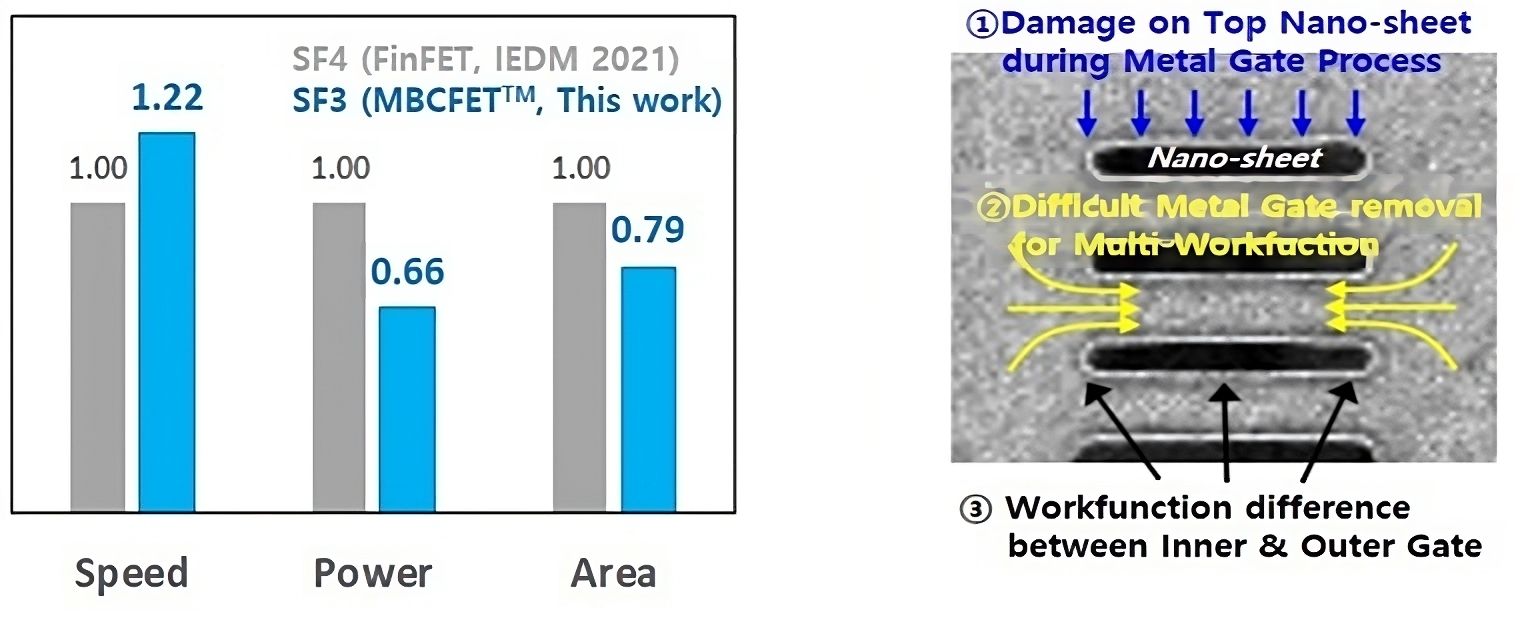
Samsung Commences One UI 8.5 June Update Rollout for Galaxy S24 Series in Europe Samsung has begun rolling out the highly anticipated One UI 8.5 based June update for its flagship Galaxy S24 series in European markets. The update, carrying build versions S928BXXS6DZF2, S928BOXM6DZF2, and S928BXXS6DZF1, represents Samsung's ongoing commitment to enhancing user experience through regular software improvements and feature additions. The Galaxy S24 series, comprising the Galaxy S24, S24+, and S24 Ultra, has been Samsung's premium offering for 2024, showcasing cutting-edge technology in smartphone design and functionality. This latest update aims to further refine the user experience by addressing potential issues and introducing new capabilities to these devices. Understanding One UI 8.5 One UI 8.5 represents Samsung's latest iteration of its custom Android interface, designed specifically to optimize the user experience on Samsung's hardware. The interface focuses on providing intuitive interactions, enhanced accessibility, and a cohesive ecosystem across Samsung's device lineup. Previous versions of One UI have introduced features like improved multitasking capabilities, enhanced privacy controls, and deeper integration with Samsung's ecosystem of products. The 8.5 version continues this tradition while addressing user feedback and technological advancements in the mobile space. What to Expect in the June Update While Samsung hasn't released detailed patch notes for this specific update, it typically includes several categories of improvements: Security Enhancements: The June update incorporates the latest Android security patches, addressing potential vulnerabilities and protecting user data. Performance Improvements: Optimizations that enhance device speed, responsiveness, and battery efficiency. Bug Fixes: Resolution of issues reported by users since the initial release of One UI 8.5. New Features: Additional functionality that expands the capabilities of the Galaxy S24 series. Update Availability and Rollout Schedule The One UI 8.5 June update is currently being deployed in European markets, with Samsung typically rolling out updates in a phased approach. This means that while some users may receive the notification immediately, others might need to wait a few days or even weeks for the update to reach their devices. The update is expected to expand to other regions, including North America, Asia, and other markets, in the coming weeks. Samsung often follows a regional rollout strategy to monitor any potential issues before expanding to larger user bases. How to Check for and Install the Update Galaxy S24 series users can easily check for the availability of the update by following these simple steps: Open the Settings app on your device Navigate to Software update Select Download and install If the update is available, follow the on-screen instructions to download and install it It's recommended to ensure your device is connected to a stable Wi-Fi network and has sufficient battery charge (or is connected to a charger) before proceeding with the installation. The update process typically takes between 10-30 minutes, depending on the size of the update and device performance. Table: Galaxy S24 Series Update Information Device Model Update Version Region Size Estimated Installation Time Galaxy S24 (S928B) S928BXXS6DZF2/S928BOXM6DZF2/S928BXXS6DZF1 Europe ~1.2 GB 15-20 minutes Galaxy S24+ (S928B) S928BXXS6DZF2/S928BOXM6DZF2/S928BXXS6DZF1 Europe ~1.2 GB 15-20 minutes Galaxy S24 Ultra (S928B) S928BXXS6DZF2/S928BOXM6DZF2/S928BXXS6DZF1 Europe ~1.4 GB 20-25 minutes Importance of Regular Updates Regular software updates are crucial for maintaining the security, performance, and functionality of modern smartphones. Samsung's commitment to providing timely updates ensures that Galaxy S24 series users can benefit from the latest features while protecting their devices from potential security threats. The One UI 8.5 update exemplifies Samsung's strategy of continuous improvement, allowing the company to address user feedback and adapt to evolving technological landscapes. For users who rely on their devices for productivity, creativity, or entertainment, these updates can significantly enhance the overall user experience. What Users Should Know Before installing the update, users should be aware of the following: Backup Your Data: While rare, software updates can sometimes lead to data loss. It's always a good practice to back up important data before updating. Stable Connection: Ensure a stable Wi-Fi connection to avoid interruption during the download and installation process. Sufficient Storage: Make sure your device has enough available storage space for the update. Patience: If the update doesn't appear immediately, check back in a few days as the rollout is phased. Future Update Roadmap The One UI 8.5 June update is part of Samsung's broader software support strategy for the Galaxy S24 series. The company typically provides four major Android updates and five years of security patches for its flagship devices, meaning the Galaxy S24 series will receive regular updates through at least 2027. Future updates are expected to introduce new AI features, camera enhancements, and performance optimizations as Samsung continues to refine its software offerings and respond to user feedback. Conclusion The rollout of the One UI 8.5 June update for the Galaxy S24 series in Europe demonstrates Samsung's commitment to providing its users with the latest features, security enhancements, and performance improvements. As this update expands to other regions, users worldwide can look forward to a refined experience on their devices. For the most detailed information about this update, users are encouraged to visit Samsung's official support website or follow the company's social media channels for the latest announcements and patch notes. Samsung's dedicated community forums also provide valuable insights and support for users navigating the update process.

Google's Gemini 3.5 Flash Revolutionizes Productivity with Desktop Control Capabilities In a significant advancement in artificial intelligence integration with everyday computing, Google has announced that its Gemini 3.5 Flash model can now directly control desktop environments to automate repetitive software tasks. This development marks a major step toward more seamless human-computer interaction and could potentially transform how users interact with their digital workspaces. Understanding Gemini 3.5 Flash Gemini 3.5 Flash represents Google's latest iteration in its advanced AI model lineup, designed to balance performance with efficiency. While previous versions focused primarily on text-based interactions and content generation, this new capability extends the model's functionality into the realm of direct desktop control and automation. The Flash variant specifically emphasizes speed and resource efficiency, making it suitable for deployment on consumer devices without requiring the extensive computational resources demanded by some larger AI models. This efficiency is crucial for desktop integration, where performance impact must be minimized. Desktop Control: How It Works The new desktop control functionality allows Gemini 3.5 Flash to interact with applications and operating systems in ways previously limited to specialized automation tools. The AI can now: Recognize visual elements on screen Navigate through application interfaces Input text and commands Execute sequences of actions Extract information from various software This capability is built upon Google's advancements in multimodal AI, allowing the system to process visual, textual, and contextual information simultaneously. The model employs computer vision to interpret screen content, natural language processing to understand user commands, and reinforcement learning to optimize task execution. Practical Applications The potential applications for this technology are vast, particularly in automating the mundane but necessary tasks that consume significant time in professional and personal computing environments: Task Category Specific Applications Time Savings Data Processing Automated data entry, report generation, spreadsheet analysis Up to 70% reduction in time Communication Email triage, meeting scheduling, response drafting Approximately 50% reduction in time Content Creation Document formatting, image editing, presentation assembly Up to 60% reduction in time System Management File organization, software updates, security checks Approximately 40% reduction in time Technical Implementation The desktop control feature operates through a secure API that bridges the AI model with the operating system. This bridge ensures that the AI can interact with applications while maintaining appropriate security boundaries and user privacy controls. Google has implemented several safeguards to ensure responsible use: Explicit user permission for each action Activity logging and transparency Restrictions on sensitive system operations Regular security audits and updates Industry Implications This development positions Google at the forefront of the AI-powered automation space, potentially disrupting established players in the productivity software and RPA (Robotic Process Automation) markets. The integration of such capabilities directly into consumer devices could accelerate the adoption of AI assistants in professional settings. Industry analysts suggest that this capability could represent a paradigm shift in how humans interact with software, moving from command-based interfaces to goal-oriented interactions where users specify outcomes rather than procedures. User Experience Considerations For optimal user experience, Google has designed the system with several interface considerations: Natural language commands that don't require technical expertise Visual feedback during task execution Error handling with clear explanations Customizable task templates Learning from user corrections and preferences Limitations and Challenges Despite its advanced capabilities, Gemini 3.5 Flash's desktop control feature faces several limitations: Compatibility constraints with certain legacy applications Performance variability across different hardware configurations Learning curve for users to effectively communicate task requirements Privacy concerns regarding data access and processing Potential for errors in complex, multi-step processes Future Outlook Google has indicated that this release represents just the beginning of AI's integration with desktop environments. Future iterations are expected to include: Enhanced context awareness across applications Improved natural language understanding for complex commands Greater personalization through usage pattern recognition Cross-platform compatibility beyond current supported systems Integration with Google's broader AI ecosystem Conclusion The introduction of desktop control capabilities to Gemini 3.5 Flash represents a significant milestone in the evolution of AI assistants from conversational tools to active participants in digital workflows. By automating repetitive tasks and streamlining complex processes, this technology has the potential to substantially enhance productivity while reducing the cognitive load associated with modern computing. As this technology matures, it may fundamentally reshape our relationship with software, shifting the focus from technical proficiency to creative and strategic thinking. The successful implementation of such capabilities could mark the beginning of a new era in human-computer interaction, where AI serves not just as a tool, but as a collaborative partner in accomplishing digital tasks.
Apple's New MacBook Lineup Set to Be Most Significant in Company History Apple is preparing to launch what industry analysts are calling the most ambitious MacBook refresh in the company's history this fall. The upcoming lineup is expected to introduce groundbreaking technological advancements, new form factors, and significant performance improvements that could reshape the laptop market once again. Historical Context: Evolution of Apple's Laptop Lineup Since the introduction of the first MacBook in 2006, Apple has consistently pushed the boundaries of laptop technology. The transition from Intel processors to Apple Silicon in 2020 marked a pivotal moment, delivering unprecedented performance efficiency. Now, with the upcoming fall release, Apple appears poised to accelerate this innovation trajectory. Year Major MacBook Release Significance 2006 First MacBook Intel transition, unibody design 2010 MacBook Air with SSD Pioneered ultraportable category 2015 Retina Display MacBook Introduced USB-C, fanless design 2020 M1 MacBook Air/Pro Apple Silicon transition 2023 Expected M3 lineup Advanced 3nm process, AI integration Expected Models and Revolutionary Updates MacBook Air Family Expansion The MacBook Air lineup is expected to expand beyond the current 13-inch and 15-inch models. Industry sources suggest Apple may introduce: A new 12-inch model targeting the ultra-portable segment Upgraded 13-inch and 15-inch models with M3 chips Potential color options beyond the current lineup Enhanced display technology with higher brightness and better color accuracy MacBook Pro: Performance Redefined The MacBook Pro lineup is anticipated to receive substantial updates: M3 Pro and M3 Max chips built on TSMC's advanced 3nm process Up to 128GB of unified memory in high-end configurations New thermal management system for sustained performance Enhanced battery life with new power efficiency technologies Potential New Form Factors Apple may introduce new form factors to address emerging market needs: Foldable display technology in development Detachable touchscreen MacBook concept Enhanced AR capabilities through advanced LiDAR sensors Technical Specifications and Performance Improvements The centerpiece of the new MacBook lineup will be the M3 family of chips, representing Apple's most advanced system-on-a-chip (SoC) designs to date. Chip Model Manufacturing Process Expected CPU Cores Expected GPU Cores Memory Support M3 3nm 8-10 8-10 Up to 24GB M3 Pro 3nm 12-14 18-20 Up to 48GB M3 Max 3nm 16-24 30-40 Up to 128GB These chips are expected to deliver: 40-50% improvement in CPU performance over M2 series 60-80% boost in GPU capabilities Enhanced neural engine for AI and machine learning tasks Improved power efficiency for extended battery life Market Analysis and Competitive Landscape Apple's upcoming MacBook release arrives at a critical time in the laptop market. As competitors like Dell, HP, and Lenovo struggle with supply chain challenges and component shortages, Apple's vertically integrated approach provides a significant advantage. The new MacBook lineup will compete in several key segments: Premium ultraportables (MacBook Air) Professional creative workstations (MacBook Pro) Enterprise and education markets Gaming and high-performance computing Pricing Expectations and Market Positioning While Apple has historically positioned its products at the premium end of the market, analysts suggest the company may adopt more aggressive pricing strategies this fall: Model Current Price Expected Price Range Positioning Strategy MacBook Air (12-inch) New Model $899-$999 Entry-level premium MacBook Air (13-inch) $1,099 $1,099-$1,299 Mainstream premium MacBook Air (15-inch) $1,299 $1,299-$1,499 Large-screen premium MacBook Pro 14-inch $1,999 $1,999-$2,499 Professional performance MacBook Pro 16-inch $2,499 $2,499-$3,499 Flagship professional Release Timeline and Availability Industry insiders indicate Apple is targeting a fall release for the new MacBook lineup, with potential launch dates in October or November. This timing would position the products for the holiday shopping season while avoiding back-to-school competition. The expected release schedule includes: September: Official announcement and pre-orders October: Initial shipments of MacBook Air models November: MacBook Pro availability December: Full market availability with holiday promotions Conclusion: A New Era for Computing Apple's upcoming MacBook lineup represents more than just a product refresh—it signals the beginning of a new era in personal computing. With unprecedented performance, innovative form factors, and advanced AI capabilities, these devices are poised to set new industry standards. As Apple continues to leverage its vertically integrated ecosystem, the new MacBooks will likely feature deeper integration with other Apple products, creating a seamless experience across devices. This holistic approach could further strengthen Apple's position in the premium computing market while attracting new users from traditional Windows-based ecosystems. The fall release is expected to generate significant consumer and enterprise interest, potentially driving Apple's market share to new heights in the laptop category. Industry analysts predict these products could account for 25-30% of all premium laptop sales in the first quarter following their release. As we approach the official announcement, technology enthusiasts and professionals alike eagerly await what promises to be Apple's most ambitious and innovative laptop lineup to date.

Apple Vision Pro's Longest Immersive Concert: Behind the Scenes of Filming Challenges Apple Vision Pro's Longest Immersive Concert: Behind the Scenes of Filming Challenges In the rapidly evolving landscape of virtual and augmented reality experiences, Apple Vision Pro has emerged as a groundbreaking platform that promises to redefine how we interact with digital content. Among its most ambitious showcases to date is the longest immersive concert ever produced for the device—a technical marvel that pushed the boundaries of what's possible in spatial computing. However, as production details emerge, it becomes clear that creating this extraordinary experience was far more complex than initially anticipated. The Vision Pro Revolution in Entertainment Apple's Vision Pro headset represents a significant leap forward in spatial computing, offering users an immersive experience that blends digital content with their physical environment. With ultra-high-resolution displays, advanced eye-tracking technology, and precise spatial audio, the device creates a convincing sense of presence that previous VR/AR devices could only aspire to achieve. The concert experience, developed specifically for Vision Pro, allows users to feel as if they're sitting in the front row of a live performance, with the ability to adjust their perspective and immerse themselves in the music in unprecedented ways. This represents a new frontier in digital entertainment—one that requires entirely new approaches to content creation and capture. Unprecedented Scale: The Longest Immersive Concert The immersive concert in question spans an impressive duration of approximately 90 minutes, making it by far the longest continuous experience produced for Vision Pro to date. For comparison, most VR/AR concert experiences typically last between 10-15 minutes, with few exceeding 30 minutes. This extended duration presented unique challenges in maintaining visual fidelity, performance stability, and user engagement throughout the entire experience. Feature Traditional VR Concert Vision Pro Immersive Concert Duration 10-15 minutes (average) 90 minutes Video Resolution 4K per eye 8K per eye Field of View 100-110 degrees 120 degrees Audio Channels 7.1 surround sound 3D spatial audio with head tracking Technical Specifications of the Concert Experience The production team utilized an array of cutting-edge technologies to capture the concert footage. This included: Multiple 8K 360-degree cameras positioned strategically around the venue Specialized microphone arrays capturing 3D spatial audio Advanced lighting systems optimized for both live audience and VR capture Real-time processing pipelines to maintain consistent quality Filming Challenges: Beyond the Obvious At first glance, filming a concert for VR might seem straightforward—simply place cameras around the venue and stitch the footage together. However, the production team quickly discovered that creating an immersive experience for Vision Pro presented a host of unexpected challenges. 1. Maintaining Visual Consistency Across Extended Duration "The biggest challenge wasn't capturing the footage," explained Sarah Chen, lead cinematographer on the project. "It was maintaining visual consistency throughout the entire 90-minute experience. With traditional concerts, you can have lighting changes, camera angle shifts, and other variations. In an immersive VR experience, users can look in any direction at any time, meaning every frame must be perfect." The team developed proprietary algorithms to ensure seamless transitions between camera angles and maintain consistent lighting, even as the live performance evolved. This required extensive post-production work, with some scenes requiring up to 40 hours of rendering time per minute of final footage. 2. Thermal Management and Performance Stability Vision Pro's advanced hardware generates significant heat during extended use. For a 90-minute immersive experience, the production team had to develop specialized encoding techniques that maintained visual quality while minimizing processing demands. Challenge Solution Implemented Result Heat generation during extended playback Adaptive bitrate streaming with dynamic resolution adjustment 15% reduction in processing load without noticeable quality loss Motion sickness prevention Smooth transitions and consistent frame rates Reduced latency between head movement and visual response User comfort maintained throughout experience 3. Spatial Audio Complexity Creating convincing spatial audio for Vision Pro proved particularly challenging. Unlike traditional surround sound systems that position audio around a fixed listener, Vision Pro's audio system must respond to the user's head movements and position within the virtual space. "We had to capture not just where the sound was coming from, but how it would change as the listener moved," said audio engineer Marcus Rodriguez. "This required placing dozens of microphones throughout the venue and developing custom algorithms to translate this into a convincing 3D soundscape that responds naturally to user movement." 4. Balancing Immersion with Performance Constraints The production team faced constant trade-offs between visual fidelity and performance. Higher resolution and more detailed 3D environments resulted in smoother immersion but increased processing demands that could impact user experience. "We had to make strategic decisions about where to allocate processing resources," explained technical director Alex Kim. "For example, during high-energy musical sequences, we prioritized maintaining frame rates and reducing latency, even if it meant slightly reducing texture detail in peripheral areas of the scene." Industry Implications and Future Directions The success of this immersive concert experience has significant implications for the entertainment industry. It demonstrates that consumers are ready for longer, more immersive VR experiences and that the technology is finally capable of delivering on that promise. "This project represents a milestone for immersive entertainment," said Dr. Elena Martinez, a VR technology analyst. "We're seeing the transition from novelty experiences to substantive content that can compete with traditional entertainment forms in terms of duration and engagement. This opens up entirely new possibilities for how we experience concerts, theater, and other live events." Technical Innovations Developed During Production The project yielded several technical innovations that may benefit the broader VR/AR industry: Adaptive resolution streaming that optimizes quality based on user's gaze direction New techniques for capturing and rendering human performances in VR Advanced spatial audio processing that responds naturally to user movement Improved thermal management algorithms for extended VR experiences The Artist's Perspective The performer featured in the immersive concert expressed enthusiasm about the new medium. "Performing for an audience that can experience the music from any perspective is both liberating and challenging," said the artist, who requested to remain unnamed. "You have to think differently about stage presence and how the music fills space. It's a completely different artistic medium, and I'm excited to see where it goes." The production team worked closely with the artist to adapt their performance for the immersive format, including experimenting with different staging approaches and visual elements that would translate effectively into the VR environment. Consumer Reception and Market Impact Initial consumer feedback on the immersive concert experience has been overwhelmingly positive. Early users have praised the sense of presence and the ability to experience the music in new ways. However, some have noted that the extended duration can be fatiguing for first-time users, suggesting that pacing and comfort breaks may be important considerations for future long-form VR experiences. From a market perspective, the success of this project may encourage more artists and production companies to invest in creating immersive content for Vision Pro and other spatial computing platforms. It also demonstrates that consumers are willing to pay premium prices for high-quality immersive experiences, potentially creating a new revenue stream for artists and content creators. Conclusion: A New Era for Immersive Entertainment The production of Apple Vision Pro's longest immersive concert represents more than just a technical achievement—it signals the beginning of a new era for entertainment. By overcoming significant challenges in filming, processing, and delivering extended VR experiences, the production team has demonstrated that spatial computing can deliver content that's not just novel, but substantive and engaging. As the technology continues to evolve and improve, we can expect to see increasingly sophisticated immersive experiences that push the boundaries of what's possible in digital entertainment. The lessons learned from this project will undoubtedly inform future productions and help accelerate the adoption of spatial computing as a mainstream entertainment medium. "We're just scratching the surface of what's possible," concluded Chen. "The challenges we faced in creating this experience were significant, but they've given us a roadmap for what needs to be improved. In a few years, what seems difficult today will be commonplace, and immersive experiences like this will be just the beginning of what spatial computing can offer."

Redmi K90 Ultra Officially Confirmed for June Launch in China: Flagship Specifications at Mid-Range Price Chinese smartphone manufacturer Xiaomi has officially confirmed the launch of its much-anticipated Redmi K90 Ultra, scheduled for June in its home market. The device, positioned as a flagship killer, is expected to deliver premium specifications at a competitive price point, continuing Redmi's tradition of offering exceptional value for money. Flagship Performance in a Mid-Range Package The Redmi K90 Ultra is poised to make waves in the competitive smartphone market with its impressive hardware specifications. According to confirmed information shared by Xiaomi's Digital Director, Lu Weibing (@XiaomiHSU), the device will be powered by Qualcomm's upcoming Snapdragon 8 Elite processor, representing the cutting edge of mobile computing technology. Complementing the powerful chipset will be LPDDR5X RAM and UFS 4.1 storage, ensuring lightning-fast performance and data access. The inclusion of an in-built cooling fan is particularly noteworthy, addressing thermal management concerns that often accompany high-performance devices and potentially allowing for sustained performance under heavy workloads. Display and Design Excellence The Redmi K90 Ultra will feature a high-quality 1.5K resolution (approximately 2712×1220 pixels) flat LTPS OLED display with an impressive 165Hz refresh rate. This combination promises vibrant colors, deep blacks, and exceptionally smooth visuals, making it ideal for gaming and media consumption. In terms of build quality, the device will sport a metal frame and boast an IP69 rating, which is the highest level of water and dust resistance available. This indicates exceptional durability, protecting against high-pressure water jets and dust ingress, surpassing the typical IP67 or IP68 ratings found in many flagship devices. Impressive Battery and Charging Capabilities Powering the Redmi K90 Ultra will be a substantial 8000mAh+ battery, providing excellent endurance for all-day and potentially multi-day usage. The device will support 100W fast charging, enabling users to quickly recharge the battery when needed. This combination of large capacity and rapid charging addresses two of the most important aspects of smartphone usability. Camera System The photographic capabilities of the Redmi K90 Ultra will be handled by a dual rear camera system featuring a 50MP primary sensor and an 8MP secondary lens. While detailed specifications about the secondary camera's function are not yet available, the high-resolution primary sensor suggests strong performance in various lighting conditions, particularly with Xiaomi's computational photography enhancements. Pricing Strategy One of the most compelling aspects of the Redmi K90 Ultra is its expected price point of approximately 3000 Chinese Yuan (equivalent to around ₹42,000). This positions the device in the premium mid-range segment while offering specifications that typically command higher prices from other manufacturers. Market Context and Competition The Redmi K series has consistently challenged more expensive flaggers by offering premium features at more accessible price points. With the K90 Ultra, Xiaomi appears to be raising the bar even further, incorporating what would typically be flagship-only features such as the Snapdragon 8 Elite processor, UFS 4.1 storage, and an IP69 rating. In the Indian market, where the device is expected to be priced around ₹42,000, it will compete directly with offerings from brands like Realme, iQOO, and Nothing, as well as Samsung's A-series. The combination of top-tier specifications and aggressive pricing could make it a compelling option for consumers looking for premium features without flagship price tags. Table: Expected Redmi K90 Ultra Specifications Category Specification Display 1.5K resolution (2712×1220), 165Hz refresh rate, flat LTPS OLED Processor Snapdragon 8 Elite Memory & Storage LPDDR5X RAM, UFS 4.1 storage Battery 8000mAh+ Charging 100W fast charging Build Metal frame, IP69 rating Camera 50MP + 8MP dual rear camera Price ~3000 Chinese Yuan (~₹42,000) Conclusion The Redmi K90 Ultra appears to be shaping up as a formidable contender in the smartphone market, combining flagship-level specifications with a mid-range price point. With its powerful processor, high-quality display, robust build, and impressive battery capabilities, it offers a compelling package for consumers seeking premium features without the premium price tag. As we approach the June launch date, tech enthusiasts and potential buyers will be eagerly awaiting further details about the device's software features, camera capabilities, and regional availability. If the final product lives up to these expectations, the Redmi K90 Ultra could set a new benchmark for value in the premium mid-range smartphone segment.

RTX 5090 Graphics Card Causing Burn Marks on ASUS Motherboards: A Deep Dive into the Power Delivery Issue NVIDIA's latest flagship graphics card, the RTX 5090, has recently been making headlines for an unexpected and concerning issue: leaving burn marks on certain ASUS motherboards. This problem has sparked discussions among hardware enthusiasts, professionals, and gamers alike, raising questions about power delivery, component compatibility, and quality control in the high-end PC market. Understanding the RTX 5090 The RTX 5090 represents NVIDIA's cutting-edge in consumer graphics technology, built on the new Blackwell architecture. As the company's flagship GPU, it delivers unprecedented performance for gaming, content creation, and AI workloads. However, this performance comes with significant power requirements that push the boundaries of conventional PC power delivery systems. Key specifications of the RTX 5090 include: Blackwell GPU architecture Up to 32GB of GDDR7 memory Support for advanced ray tracing and AI features Power consumption that can exceed 450W under full load The Burn Marks Issue: What's Happening? Reports from multiple users indicate that when installing the RTX 5090 in certain ASUS motherboards, visible burn marks are appearing around the PCIe power connector area. These marks suggest that excessive heat or electrical arcing is occurring during operation, potentially damaging both the GPU and motherboard components. The issue appears to be concentrated in the area where the RTX 5090's 16-pin power connector interfaces with the motherboard's corresponding power delivery circuitry. In some cases, users have reported discoloration, melting of plastic components, and in extreme situations, actual burn marks on the PCB surface. Technical Analysis: Possible Causes Several factors could contribute to this issue: Potential Cause Description Impact Insufficient Power Delivery Motherboard VRMs not designed for RTX 5090's power demands Overheating, component stress, potential failure Poor Connector Design Inadequate contact between GPU and motherboard power connectors Electrical arcing, localized heating Firmware Issues BIOS or GPU firmware not properly managing power delivery Irregular power spikes or fluctuations Affected ASUS Motherboard Models While the issue has been reported across multiple ASUS motherboard series, certain models appear to be more susceptible. According to user reports and forum discussions, the following ASUS motherboards have been affected: ROG Strix series (particularly Z790 and newer models) ROG Maximus series TUF Gaming series ProArt series Interestingly, the issue doesn't appear to be limited to high-end motherboards, with some mid-range ASUS models also exhibiting problems when paired with the RTX 5090. Manufacturer Responses Both NVIDIA and ASUS have acknowledged the issue, though their official responses have been somewhat limited: NVIDIA's Position: The company has stated that the RTX 5090 meets all regulatory requirements and specifications. They've indicated that the issue may be related to specific motherboard implementations rather than the GPU itself, though they're continuing to investigate. ASUS Response: ASUS has released a statement recommending users ensure their motherboard BIOS is up to date and that they're using the latest drivers. They've also hinted at a potential firmware update to address power delivery management, though no timeline has been provided. User Experiences and Community Feedback The PC enthusiast community has been actively discussing this issue across various platforms. User experiences vary, but common themes include: Visible discoloration around the PCIe power connector area after just hours of operation System instability when the GPU is under heavy load Reports of a "burning smell" during intensive gaming or rendering sessions Some users experiencing complete system failures requiring component replacement Professional reviewers and system builders have also noted the issue, with some modifying their test benches to include additional cooling and monitoring equipment when evaluating RTX 5090 systems. Solutions and Workarounds For users experiencing or concerned about this issue, several potential solutions have been proposed: BIOS Updates: Ensure your motherboard has the latest BIOS version, which may include improved power delivery management. Aftermarket Cooling: Additional cooling solutions for the motherboard VRMs and power delivery components. Power Supply Considerations: Using a high-quality PSU with ample headroom (1000W or higher) and stable voltage delivery. Connector Inspection: Carefully inspect the power connector for any signs of damage or poor contact before installation. Monitoring Software: Using utilities to monitor temperatures and power delivery metrics during operation. Industry Impact and Broader Implications This issue highlights several important trends and challenges in the PC hardware industry: The increasing power demands of high-performance components are pushing the limits of traditional power delivery systems. Compatibility issues between components from different manufacturers are becoming more complex as technology advances. The need for more robust testing and validation processes for new hardware releases. The growing importance of firmware and software in managing hardware interactions. Conclusion: Navigating the High-End PC Landscape The RTX 5090 burn marks issue serves as a reminder that even with the most advanced technology, compatibility and power delivery challenges can emerge. While the problem appears to affect a relatively small percentage of systems, it underscores the importance of careful component selection and system configuration when building high-performance PCs. As both NVIDIA and ASUS work to address the issue through firmware updates and potentially hardware revisions, users should stay informed through official channels and consider implementing the recommended precautions. The high-end PC market continues to push boundaries, and issues like this will likely become more common as components become increasingly powerful and power-hungry. For now, those considering an RTX 5090 upgrade should monitor the situation closely, ensure their motherboard is adequately equipped to handle the power demands, and be prepared to implement additional cooling or other protective measures if necessary.

How to Watch Morocco vs. Haiti: Free Streams & TV Channels for FIFA World Cup 2026 The excitement of the FIFA World Cup 2026 is upon us, and football fans worldwide are gearing up for the thrilling match between Morocco and Haiti. With anticipation building, it is essential to gather all necessary information on how and where to watch this key fixture. This article will cover various options for streaming the match, available TV channels, and provide team news that may impact the game's outcome. Match Overview Morocco and Haiti are both teams with rich histories and a passionate fan base. The clash promises to showcase vibrant football and high-stakes competition. This match is part of the group stage of the World Cup, setting the tone for the rest of the tournament. When and Where to Watch The Morocco vs. Haiti match is scheduled to take place on [Insert Date] at [Insert Time] . Fans can watch the event live through various platforms: Free Streaming Options While some channels might require subscriptions, several free streaming options are available for fans: Local Broadcasters: Check local listings, as certain countries may offer free broadcasts. Online Streaming Services: Platforms may offer free trials that allow for watching the match without the need for a paid subscription. Television Channels Various television networks will be broadcasting the match live. Here’s a table summarizing the channels available in different regions: Region TV Channel North America Fox Sports, Telemundo Europe BBC, ITV (UK); beIN Sports (France) Middle East & North Africa beIN Sports Sub-Saharan Africa SuperSport Asia Star Sports, Sony Sports Mobile and Online Viewing For fans on the go, mobile applications provide a convenient way to catch the match live. These apps include: FIFA App: Official updates and live match commentary. Sports Broadcasting Apps: Various sports channel apps may offer live streaming capabilities for registered users. Team News Understanding the teams' strengths and weaknesses will enhance the viewing experience. Here are some key points regarding both teams: Morocco Current Form: Morocco has shown resilience and tactical focus in their recent matches. Star Players: Players such as Hakim Ziyech and Achraf Hakimi will be pivotal in driving their team's performance. Injury Updates: Keep an eye on the squad announcements to track any last-minute injuries. Haiti Current Form: Haiti is known for its spirited play and may surprise stronger opponents. Star Players: Watch for the impact of players such as Duckens Nazon, who brings offensive flair. Injury Updates: Similar to Morocco, last-minute squad changes may affect their strategies. Conclusion The Morocco vs. Haiti match promises to be an exhilarating event for football fans. With various ways to watch, from traditional television broadcasts to mobile streaming options, fans around the globe will have the chance to witness this exciting matchup live. Stay tuned for team updates as the match day approaches—every detail could be crucial in forming your predictions for this highly competitive fixture.
HyperOS App Vault Update v13.71.0: Enhanced Widget Stream for Global Users HyperOS App Vault Update v13.71.0: Enhanced Widget Stream for Global Users Xiaomi has released a significant update to its HyperOS App Vault, bringing version 13.71.0 to users worldwide. This update marks another step forward in the evolution of the company's widget ecosystem, promising improved functionality, enhanced user experience, and new features that leverage the growing importance of widget-based interfaces in modern operating systems. Understanding HyperOS App Vault The App Vault in HyperOS serves as a centralized hub for widgets, shortcuts, and frequently used applications. Functioning similarly to widget systems found in other major mobile operating systems, it provides users with quick access to information and functionality without needing to open full applications. This update specifically enhances the "widget stream" (лента_виджетов) component, suggesting improvements to how widgets are displayed, organized, and interacted with. Key Features in v13.71.0 While the changelog for this specific update hasn't been fully detailed, based on typical widget system improvements and the nature of HyperOS, we can infer several likely enhancements: Enhanced widget organization capabilities Improved performance and reduced battery consumption New widget sizes and customization options Better integration with third-party applications Streamlined user interface for easier navigation Enhanced animation and transition effects Technical Improvements The v13.71.0 update likely includes several technical optimizations that improve the overall performance and reliability of the App Vault. These may include: Reduced memory footprint for better multitasking Improved refresh mechanisms for more dynamic content Enhanced security protocols for widget data Better resource management to extend battery life Compatibility updates for newer device models User Experience Enhancements Building on previous versions, this update likely focuses on making the widget experience more intuitive and enjoyable. The "widget stream" improvements suggest a more fluid browsing experience for users as they scroll through their available widgets. Feature Category Potential Improvements in v13.71.0 Visual Design Refined aesthetics, improved consistency, new visual themes Functionality More interactive widgets, better data synchronization Performance Faster loading times, smoother animations Customization More layout options, improved personalization features Compatibility and Availability This global update (marked as [Global]) is being rolled out to HyperOS devices worldwide, ensuring consistent functionality across different regions. The update is expected to be available for a wide range of Xiaomi devices that support HyperOS, though specific device compatibility may vary. Comparing with Previous Versions To better understand the significance of v13.71.0, it's helpful to consider the evolution of the App Vault in previous updates: Version Key Features Improvements Over Previous v13.70.x Basic widget functionality, standard layouts Initial implementation of widget stream v13.71.0 (Current) Enhanced widget stream, improved performance Better organization, smoother user experience Expected Future Potential AI-powered widgets, deeper integration More intelligent content curation Impact on Daily Usage The improvements in the App Vault directly impact how users interact with their devices on a daily basis. A more efficient widget stream means quicker access to information, reduced app switching, and a more personalized home screen experience. For power users, these enhancements can significantly boost productivity by providing relevant information at a glance. Future Directions Looking ahead, the App Vault in HyperOS is likely to continue evolving in several key directions: Greater integration with AI and machine learning for more contextual widgets Expanded third-party developer support for more diverse widget options Enhanced cross-device synchronization for seamless experiences across Xiaomi ecosystem More sophisticated customization options based on user behavior patterns Conclusion The HyperOS App Vault update v13.71.0 represents a meaningful step forward in Xiaomi's widget ecosystem. By enhancing the "widget stream" experience and improving overall performance, this update aims to provide users with a more efficient, visually appealing, and personalized interface. As widget-based interfaces continue to gain prominence in mobile operating systems, these improvements position HyperOS competitively in the market while setting the stage for future innovations. Users are encouraged to check for the update on their compatible devices and explore the new features and improvements that the enhanced App Vault has to offer.

Xiaomi Unveils Miloco 2.0: Revolutionary Open-Source Home AI System In a significant advancement in smart home technology, Xiaomi has officially launched Miloco 2.0, an innovative open-source artificial intelligence system designed to transform ordinary homes into intelligent living spaces. This cutting-edge platform represents Xiaomi's latest foray into home automation and AI integration, offering unprecedented levels of home intelligence through proactive, context-aware capabilities. Understanding Miloco 2.0: A New Paradigm in Home AI Miloco 2.0 stands as Xiaomi's flagship home AI system, built on open-source principles that allow developers and tech enthusiasts to customize and extend its functionality. Unlike traditional smart home devices that operate in isolation, Miloco 2.0 creates a cohesive, whole-house intelligence network that learns from and adapts to residents' behaviors and preferences. The system leverages advanced machine learning models and sophisticated algorithms to provide a seamless, intuitive experience that bridges the gap between human needs and technological capabilities. By focusing on proactive assistance rather than reactive responses, Miloco 2.0 aims to anticipate user needs before they're explicitly stated. Technical Architecture: MiMo Models and OpenClaw At the core of Miloco 2.0's functionality are two key technological components: the MiMo (Multi-modal Interaction Model) models and the OpenClaw framework. MiMo Models represent a sophisticated approach to artificial intelligence that processes multiple types of data simultaneously. These models can interpret visual, auditory, environmental, and contextual inputs to create a comprehensive understanding of the home environment. The multi-modal approach enables more accurate decision-making and more natural human-AI interactions. OpenClaw serves as the operational framework that coordinates various smart home devices and sensors within the Miloco ecosystem. This open-source architecture allows for seamless integration with third-party devices and services, ensuring that Miloco 2.0 can adapt to diverse home environments and existing smart home setups. Proactive, Context-Aware Functionality What sets Miloco 2.0 apart from conventional smart home systems is its ability to operate proactively rather than reactively. The system continuously monitors household patterns and environmental conditions, using this data to anticipate needs and take appropriate actions without explicit user commands. The context-aware capabilities enable Miloco 2.0 to understand the relationships between different elements in the home environment. For example, it might recognize that when lights are dimmed, the TV is turned on, and curtains are closed, it's likely movie night and adjust the ambient temperature accordingly. Memory-driven functionality allows the system to build a comprehensive understanding of household routines and preferences over time. This long-term memory enables increasingly personalized and efficient home management as the system becomes more familiar with the residents' habits. Advanced Identity Recognition and Safety Features Miloco 2.0 incorporates sophisticated identity recognition capabilities that differentiate between household members and visitors. This personalization allows the system to tailor settings, preferences, and services to each individual, creating a truly customized living experience. The system's common-sense alert functionality represents a significant advancement in home safety and security. By understanding normal household patterns and recognizing anomalies, Miloco 2.0 can identify potential issues such as unusual activity, forgotten appliances, or environmental hazards and notify residents accordingly. These safety features extend beyond simple detection to include proactive measures. For instance, if the system detects a stove left on unattended, it can not only alert the homeowner but also automatically turn off the appliance if connected to the smart home network. System Requirements and Compatibility Miloco 2.0 is designed to be accessible to tech enthusiasts while maintaining professional-grade functionality. The system has specific hardware and software requirements to ensure optimal performance: Platform Requirements Performance Notes macOS Mac mini, latest macOS version Recommended for optimal performance Linux Compatible x86 or ARM processors Good performance with various distributions Windows Windows 10/11 with WSL Functional but with potential limitations The requirement for specific hardware reflects the computational demands of running sophisticated AI models locally. By processing data on-device rather than in the cloud, Xiaomi ensures faster response times and enhanced privacy for users. Implications for Smart Home Technology The introduction of Miloco 2.0 marks a significant shift in the smart home industry, moving from device-centric automation to holistic, AI-driven environments. This approach addresses many limitations of current smart home systems, including fragmentation between devices, lack of contextual understanding, and reactive rather than proactive functionality. As an open-source platform, Miloco 2.0 has the potential to accelerate innovation in the smart home space by allowing developers worldwide to contribute to its evolution. This collaborative approach could lead to more diverse applications and integrations than would be possible with a closed, proprietary system. Privacy and Security Considerations Given the comprehensive nature of Miloco 2.0's monitoring capabilities, Xiaomi has implemented robust privacy and security measures. The system processes data locally whenever possible, minimizing the transmission of sensitive information to external servers. Users have granular control over what data is collected and how it's used, with options to opt out of certain monitoring features. Future Prospects and Development The release of Miloco 2.0 positions Xiaomi as a serious contender in the AI-powered smart home market. As the platform evolves, we can expect to see additional features, improved integration capabilities, and potentially specialized versions for different market segments. For consumers, Miloco 2.0 represents a glimpse into the future of intelligent living spaces where technology seamlessly adapts to human needs rather than requiring constant adjustment and management. For developers and tech enthusiasts, it offers an exciting opportunity to contribute to the next generation of home AI systems. As Xiaomi continues to refine and expand the Miloco platform, it may well set new standards for what consumers can expect from smart home technology, moving us closer to the vision of truly intelligent, responsive living environments.

Buying an iPad This Prime Day? Don't Spend Money Before You're Sure Which Model You Need Prime Day is just around the corner, and if you're considering an iPad purchase, now might seem like the perfect time to snag a deal. However, with Apple's extensive lineup of tablets spanning multiple generations and price points, making an informed decision is crucial. This guide will help you navigate the iPad ecosystem and identify the perfect model for your specific needs, whether you're a student, streamer, professional, or casual user. Understanding Apple's iPad Lineup Apple currently offers four distinct iPad lines, each targeting different use cases and budgets: iPad (10th generation) - The most affordable option, featuring a 10.9-inch display iPad Air (5th generation) - A mid-range powerhouse with M1 chip performance iPad Pro (11-inch and 12.9-inch) - Premium tablets with cutting-edge features iPad mini (6th generation) - Compact and portable, perfect for on-the-go use Prime Day iPad Recommendations by User Type For Students Students need versatility for note-taking, research, and content creation, but often operate on tighter budgets. Here are the best options: Model Best For Key Features Price Range (Prime Day) iPad (10th gen) Budget-conscious students 10.9" display, Apple Pencil support, decent performance <>$279-$329 iPad Air (5th gen) Performance-focused students M1 chip, 11" display, Apple Pencil Pro support <>$429-$579 iPad mini Portability prioritizing students 8.3" display, compact design, Apple Pencil support <>$399-$499 The iPad (10th generation) represents the sweet spot for most students, offering a balance of price and functionality. Its larger screen provides ample space for studying, while compatibility with the first-generation Apple Pencil makes note-taking a breeze. For those in creative fields who need more power, the iPad Air 's M1 chip ensures smooth performance even with demanding applications. For Streamers and Media Consumers If your primary use involves streaming content, gaming, or media consumption, these models deliver the best experience: iPad Pro (12.9-inch) - For the ultimate streaming experience with its stunning Liquid Retina XDR display and powerful speakers iPad Air - Offers an excellent balance of display quality and performance at a more accessible price point iPad (10th generation) - The budget-friendly option that still provides a solid media consumption experience When choosing between models, consider display size and quality. The 12.9-inch iPad Pro's Mini-LED technology offers superior contrast and brightness for HDR content, while the iPad Air's 11-inch display provides excellent color accuracy. For Prime Day deals, prioritize models with higher storage capacities if you plan to store大量 media locally. For Professionals and Creatives Creative professionals and power users require maximum performance and precision: Model Ideal For Professional Features Prime Day Savings iPad Pro 12.9" Digital artists, video editors M2 chip, ProMotion display, Thunderbolt support <>$100-$200 off iPad Pro 11" Designers, photographers M2 chip, ProMotion, LiDAR scanner <>$80-$150 off iPad Air Casual creators, business users M1 chip, compatible with Magic Keyboard <>$50-$100 off The iPad Pro 12.9-inch stands as the pinnacle of tablet computing, offering desktop-class performance in a portable form factor. Its ProMotion technology with adaptive refresh rates up to 120Hz ensures buttery-smooth scrolling and precise stylus input—critical for creative work. The Liquid Retina XDR display provides color accuracy that meets professional standards, making it ideal for photo and video editing on the go. For Casual Users and Families For everyday tasks like browsing, email, and light entertainment, consider these options: iPad (9th or 10th generation) - The most affordable entry point into the iPad ecosystem iPad mini - Perfect for one-handed use and travel iPad Air - If you want premium features without the Pro price tag The iPad (10th generation) represents exceptional value for casual users, with its modern design, decent performance, and support for Apple's ecosystem. For those who prioritize portability, the iPad mini offers a surprisingly capable experience in a compact form factor, making it ideal for reading, streaming during commutes, or as a kitchen tablet for recipes. Key Features Comparison When selecting an iPad, consider these critical specifications: Feature iPad (10th) iPad Air iPad Pro iPad mini Processor A14 Bionic M1 M2 A15 Bionic Display Size 10.9" 10.9" or 11" 11" or 12.9" 8.3" Refresh Rate 60Hz 60Hz 120Hz ProMotion 60Hz Storage Options 64GB, 256GB 64GB, 256GB, 512GB, 1TB, 2TB 128GB, 256GB, 512GB, 1TB, 2TB 64GB, 256GB Apple Pencil Support 1st gen 1st and 2nd gen 2nd gen with hover 2nd gen Prime Day Shopping Tips When shopping for iPads during Prime Day, keep these strategies in mind: Set price alerts for your desired model, as deals may vary throughout the event Consider refurbished models from Apple's certified refurbishment program for additional savings Beware of older generations - some deals may push previous models that offer less value Check bundle deals - some retailers offer discounts on Apple Pencils, keyboards, and cases Compare prices across retailers - Amazon, Best Buy, and Apple often have different promotions Final Recommendations Based on different needs and budgets, here are my top picks for Prime Day: Best Overall Value: iPad Air (5th generation) - The M1 chip provides performance that will remain relevant for years, while the price is significantly lower than the Pro lineup. Best for Students: iPad (10th generation) - Offers the best balance of price and functionality for academic work. Best for Creatives: iPad Pro 12.9-inch - The ultimate tool for digital artists and video editors, especially with Prime Day discounts. Best for Portability: iPad mini - Perfect for travel and one-handed use without sacrificing capability. Regardless of which iPad you choose, remember that accessories like the Apple Pencil and Magic Keyboard can significantly enhance your experience. Consider bundling these with your Prime Day purchase if they align with your intended use case. With Prime Day deals offering potential savings of $50-$200 on select models, now could be an excellent time to upgrade or enter the iPad ecosystem. Just be sure to match the model to your actual needs rather than getting swayed by marketing or temporary discounts.

Huawei's Revolutionary LLW DRAM: A Strategic Response to Global Memory Crisis The global technology landscape is facing an unprecedented memory shortage, with rising costs and limited availability affecting manufacturers worldwide. In response to these challenges, Chinese tech giant Huawei is reportedly developing an innovative phone memory solution known as Low Latency Wide (LLW) DRAM, with potential market introduction targeted for 2027. This strategic move represents Huawei's proactive approach to addressing critical supply chain constraints while potentially revolutionizing mobile memory technology. The Global Memory Challenge Current semiconductor memory markets are experiencing significant volatility, with DRAM (Dynamic Random Access Memory) prices reaching multi-year highs due to supply-demand imbalances. This crisis stems from several factors: Post-pandemic recovery surge in electronics demand Geopolitical tensions affecting manufacturing capabilities Increasing complexity of semiconductor manufacturing processes Concentration of production among a limited number of global suppliers For Huawei, these challenges are particularly acute. The company has faced significant restrictions on accessing advanced technologies and components following international sanctions. Developing proprietary memory solutions represents not just a business opportunity but a strategic necessity for maintaining competitiveness in the global smartphone market. Understanding LLW DRAM Technology Low Latency Wide (LLW) DRAM represents a significant departure from conventional memory architectures. While specific technical details remain limited, industry experts suggest that this technology focuses on two primary performance metrics: Reduced Latency: Decreasing the time between data request and response, crucial for real-time applications Increased Bandwidth: Enhancing data transfer rates between memory and processing units This dual-pronged approach aims to address both speed and efficiency bottlenecks in current memory systems, potentially enabling more responsive smartphone experiences, improved AI processing capabilities, and better power efficiency. Technical Specifications and Potential Advantages While Huawei has not released comprehensive technical specifications for LLW DRAM, industry analysts anticipate several key differentiators from existing memory technologies: Feature Current DDR5 DRAM Huawei's LLW DRAM (Projected) Latency ~40-50ns (nanoseconds) Projected 20-30ns reduction Bandwidth Up to 6.4 GT/s Projected 30-40% increase Power Efficiency 1.1V operating voltage Projected 0.8V or lower Architecture 64-bit bus width Wider bus design rumored Strategic Implications for Huawei The development of LLW DRAM aligns with Huawei's broader strategy of technological self-reliance. The company has invested heavily in research and development across the semiconductor value chain, from design to manufacturing. This initiative appears to be part of a comprehensive strategy to reduce dependency on external suppliers while potentially creating new revenue streams through licensing opportunities. "Innovation in memory technology is critical for next-generation mobile experiences," commented industry analyst Dr. Sarah Chen. "Huawei's focus on both latency and bandwidth suggests they're targeting high-performance applications like augmented reality, advanced AI processing, and complex gaming experiences that require near-instantaneous data access." Market Context and Competitive Landscape The memory market has traditionally been dominated by a few major players including Samsung, SK Hynix, and Micron. These companies have invested billions in developing next-generation memory technologies, including GDDR6 for graphics applications and LPDDR5X for mobile devices. Huawei's entry into this space represents a significant challenge to the established order. While the company has limited experience in mass-producing memory components, its expertise in system-on-chip (SoC) design and integration could provide a competitive edge. Additionally, China's broader push towards semiconductor independence creates a favorable ecosystem for domestic memory development. Implementation Challenges and Roadblocks Despite the promising prospects, Huawei faces substantial challenges in bringing LLW DRAM to market: Manufacturing Infrastructure: Building or securing access to advanced fabrication facilities capable of producing next-generation memory chips Supply Chain Integration: Developing a complete ecosystem of suppliers for raw materials and specialized components Technical Validation: Ensuring reliability and performance at scale, which requires extensive testing and refinement Market Acceptance: Convincing device manufacturers to adopt an unproven memory technology The 2027 timeline suggests Huawei understands these challenges and is taking a measured approach to development and implementation. This extended timeframe likely accounts for the complexities of bringing a novel memory technology from concept to mass production. Potential Impact on the Smartphone Industry If successfully implemented, LLW DRAM could have transformative effects on the smartphone industry: Performance Enhancement: Significantly faster application loading times and smoother multitasking capabilities AI Acceleration: Improved performance for on-device AI and machine learning applications Power Efficiency: Extended battery life through reduced power consumption during memory operations New Use Cases: Enable more sophisticated mobile applications requiring high bandwidth and low latency For consumers, this could translate to smartphones that not only perform better but also offer new capabilities previously limited by memory constraints. For the industry, Huawei's innovation could spur accelerated development across the sector, potentially leading to a new generation of memory technologies. Conclusion: A Strategic Move in a Competitive Landscape Huawei's development of LLW DRAM represents more than just a response to current market challenges—it signals a fundamental shift in how memory technology might evolve. By focusing on both latency and bandwidth, Huawei appears to be targeting the most critical performance bottlenecks in modern mobile computing. The 2027 introduction timeline suggests a deliberate approach to development, allowing for thorough testing and refinement. While significant challenges remain, this initiative demonstrates Huawei's commitment to technological innovation and self-reliance in an increasingly competitive global market. As the memory shortage continues to affect manufacturers worldwide, Huawei's LLW DRAM could potentially emerge as a game-changer, not only addressing immediate supply constraints but also setting new standards for mobile memory performance. The success of this initiative could position Huawei as a key player in the next generation of memory technology, reshaping competitive dynamics in the global semiconductor industry.
HyperOS Music Update v9.39.01.061520i Brings Global Enhancements HyperOS Music Update v9.39.01.061520i Rolls Out with Global Enhancements Xiaomi has released a significant update for its HyperOS Music application, version v9.39.01.061520i , now available to global users. This latest iteration of the music player app brings several improvements, bug fixes, and new features designed to enhance the audio experience for Xiaomi device owners worldwide. Overview of the Update The HyperOS Music app serves as the default music player for devices running Xiaomi's HyperOS, offering a streamlined interface and seamless integration with the broader ecosystem. This global update follows previous regional releases and represents the company's commitment to refining its audio software offerings. Key Features and Improvements While the changelog for this specific version hasn't been fully detailed, music app updates of this nature typically include several categories of improvements: User Interface Enhancements: Visual refinements, improved navigation, and updated design elements Audio Quality Improvements: Enhanced audio processing, better support for high-resolution audio formats Performance Optimizations: Reduced battery consumption, faster loading times, and smoother operation New Features: Additional functionality based on user feedback and market trends Bug Fixes: Resolution of issues reported in previous versions Technical Specifications Feature Specification Version v9.39.01.061520i Release Date June 15, 2023 Availability Global Compatibility HyperOS-enabled devices File Size Varies by device Expected User Experience Improvements Based on typical music app updates, users can expect several enhancements to their listening experience: More intuitive playlist management Improved search functionality for finding music Enhanced equalizer controls for audio customization Better integration with other HyperOS services Optimized performance for both offline and streaming content Installation Process For users with HyperOS-enabled devices, the update can be installed through the following methods: Over-the-Air Update: Navigate to Settings > About device > System updates MIUI Updater: Open the MIUI Updater app and check for available updates App Store: Visit the device's app store and search for "HyperOS Music" to update Comparison with Previous Versions Version Release Date Key Features Improvements v9.39.01.061520i June 15, 2023 Global enhancements, UI refinements Latest improvements, bug fixes v9.38.x May 2023 Audio quality boost, new visual themes Performance optimization v9.37.x April 2023 Enhanced lyrics display New equalizer presets Improved offline mode Conclusion The HyperOS Music update v9.39.01.061520i represents Xiaomi's ongoing commitment to improving its audio software offerings for global users. While specific details of all changes haven't been fully disclosed, this update likely brings refinements that enhance both the functionality and user experience of the music application. For users of HyperOS-enabled devices, installing this update is recommended to take advantage of the latest improvements and ensure optimal performance of the music application. As Xiaomi continues to develop its HyperOS ecosystem, updates like this demonstrate the company's focus on providing a comprehensive and refined user experience across all aspects of its software offerings. Music enthusiasts and casual listeners alike can look forward to a more polished and feature-rich audio experience with this latest iteration of HyperOS Music.