 TechOffice
Time Capsule: An iPhone Bound for the Year 2276 As part of America's celebration of its 250th anniversary, a monumental time capsule has been interred in Philadelphia. This remarkable structure, weighing nearly 900 pounds, is crafted from stainless steel and is packed with hundreds of artifacts representing all 50 states, Washington D.C., and five U.S. territories. Set to be unveiled in 2276 for the nation's 500th anniversary, this initiative seeks to provide a glimpse into the values, culture, and technological advancements of the present day. A Highlight Among Artifacts Among the diverse assemblage of items is a notable addition: the iPhone 17 Pro Max in a striking Cosmic Orange color. This modern smartphone is intended to serve as a digital relic for future generations. Within its Notes app, it contains "digital artifacts," which are expected to offer insight into the technological capabilities and societal norms of the 21st century. However, there exists a significant dilemma regarding the longevity and accessibility of this device. The Lithium-Ion Battery Dilemma One of the primary challenges associated with the iPhone 17 Pro Max's survival over the next 250 years lies in its lithium-ion battery. Batteries of this type are notorious for their limited lifespan. Here are some critical points regarding battery degradation: Degradation Over Time: Lithium-ion batteries typically lose their capacity and efficiency over time, primarily due to chemical reactions that occur within them. Powering On: The likelihood that the iPhone will be capable of powering on in 250 years is extremely low, as the battery is unlikely to maintain any charge or functionality. The Server Issue Even if, against all odds, the battery manages to survive, a further complication arises concerning the iPhone's accessibility. The device's functionalities heavily depend on Apple's servers, which facilitate various services, including cloud storage and software activation. The evolution of technology raises a pressing question: Existential Servers: What are the chances that Apple’s servers will still be operational in 2276? The continuous innovation and transformation in technology could render existing systems obsolete. Unlocking the Device: Without server support, unlocking and accessing the digital content of the iPhone may become impossible. Conclusion The initiative of interring a time capsule containing a modern technological artifact serves as a fascinating amalgamation of hope and uncertainty. While the iPhone 17 Pro Max aims to convey a narrative of the present era, significant obstacles loom that may hinder future generations' ability to engage with it. Between the degradation of lithium-ion batteries and the potential obsolescence of technological infrastructures, the intended message may be lost to time. The time capsule remains a testament to not just what we value today, but also a poignant reflection on the unpredictable nature of technological preservation. Summary of Potential Issues Potential Issue Description Impact on Accessibility Lithium-Ion Battery Degradation Batteries lose their effectiveness over time due to chemical reactions. Very Low - unlikely to power on. Dependency on Servers Device functionality relies on Apple's server infrastructure. High - servers may not exist in 250 years. In essence, as we place our markers in the sands of time, we are reminded of the transient nature of technology and the artifacts we create. Only time will tell whether these pieces of our legacy will resonate within the future or fade away into obscurity.

Xiaomi Sky Nomad Series: Redefining Electric and Fuel Efficiency Xiaomi has officially unveiled its latest innovation in the realm of eco-friendly transportation: the Sky Nomad Series. This new line of vehicles not only emphasizes a long-range electric driving experience but also promises impressive fuel efficiency, making it an appealing choice for environmentally conscious consumers. Impressive Electric Range One of the standout features of the Xiaomi Sky Nomad Series is its ability to maintain a significant electric range. This capability positions the vehicle as a formidable player in the growing market for electric and hybrid vehicles. With advancements in battery technology and energy management, users can expect an extended driving range on electric power alone, which is essential for daily commuters and long-distance travelers alike. Exceptional Fuel Efficiency In addition to its electric capabilities, the Sky Nomad Series boasts remarkable fuel economy. During testing under the Worldwide Harmonized Light Vehicles Test Procedure (WLTP), the vehicle demonstrated a fuel consumption rate as efficient as 5.7 liters per 100 kilometers once the battery is depleted. This impressive figure underscores Xiaomi's commitment to sustainability without sacrificing performance. Feature Specification Electric Range Long-distance capability (exact mileage pending) WLTC Fuel Consumption 5.7 L/100km Battery Technology Advanced management systems (details forthcoming) Target Audience Environmentally conscious consumers, daily commuters Market Positioning As demand for sustainable vehicle options continues to rise, the Xiaomi Sky Nomad Series is poised to capture the attention of the market. The confluence of exceptional electric range and remarkable fuel efficiency makes it a compelling option against competitors in the electric vehicle landscape. Xiaomi appears to be strategically positioning itself not only as a tech leader but also as a responsible automotive contributor. Conclusion The launch of the Xiaomi Sky Nomad Series marks a significant step forward in the automotive industry, particularly within the electric and hybrid vehicle segments. With its focus on extended electric range combined with commendable fuel efficiency, Xiaomi is set to influence consumer choices in favor of more sustainable transport solutions. As more details emerge regarding the vehicle's performance and features, the automotive world will be closely watching this ambitious entry from Xiaomi.

Samsung Unveils The Freestyle+ Portable Projector in the United States In a significant step towards enhancing consumer entertainment experiences, Samsung has officially launched its latest innovation, The Freestyle+ portable projector, in the United States. This cutting-edge technology aims to provide an accessible solution for on-the-go projection needs, filled with features that cater to modern user demands. Overview of The Freestyle+ The Freestyle+ combines portability and smart technology, allowing users to enjoy a diverse range of content in various settings, from garden gatherings to indoor movie nights. Samsung's approach to projectors has evolved notably, as The Freestyle+ emphasizes not only functionality but also user-friendly features and aesthetics. Key Features Here’s a detailed look at the standout features that The Freestyle+ offers: Portability: Weighing in at just under 2.5 pounds, The Freestyle+ is designed for maximum portability, making it easy to carry and set up anywhere. Smart Technology: The projector runs on the Tizen operating system, enabling users to access a variety of streaming services directly from the device. Resolution and Brightness: Offering a vibrant picture experience, The Freestyle+ boasts an impressive resolution of 1080p, along with a brightness level of 550 ANSI lumens. Auto-Focus and Keystone Correction: The built-in features ensure optimal projection quality regardless of the angle or surface, making it user-friendly. 360° Sound: Integrated speakers are designed to provide a surround sound experience, enhancing the overall viewing experience. Connectivity Options: Users can connect via Wi-Fi, Bluetooth, and HDMI, making it compatible with various devices. Technical Specifications Feature Specification Weight 2.5 lbs Resolution Full HD (1920 x 1080) Brightness 550 ANSI lumens Operating System Tizen OS Audio Output 360° Surround Sound Battery Life Approx. 2.5 hours Usability and Applications The Freestyle+ is designed for diverse applications, ranging from casual home viewing to outdoor events. Its intuitive interface allows users of all technology levels to make the most of its features without a steep learning curve. This projector not only integrates seamlessly into various social settings but also serves educational purposes, enriching classroom experiences with dynamic presentations. Availability and Pricing Samsung has positioned The Freestyle+ competitively within the projector market, offering it at an MSRP of $799. The projector is now available at select retailers and through online platforms, enabling customers to conveniently access this innovative device. Conclusion With the launch of The Freestyle+, Samsung continues to push the boundaries of portable entertainment technology. By blending practicality with advanced features, the projector is set to cater to a wide range of consumer needs. As the demand for flexible and high-quality projection solutions grows, The Freestyle+ stands out as a promising addition to the market, embodying Samsung's commitment to innovation and user-centric design. As consumers embrace this technology, it will be interesting to explore how it influences both home entertainment and professional presentations in the coming years.

Huawei to Enhance Budget-Friendly Phones with Multispectral Camera Technology In the ever-evolving landscape of mobile technology, Huawei has established itself as a formidable player, particularly in the realm of smartphones. Although traditionally recognized for its high-end devices, the company is now poised to make significant advancements in its budget-friendly offerings, specifically concerning camera capabilities. Huawei's commitment to innovation is set to redefine the expectations for entry-level smartphones by introducing a multispectral camera system in its upcoming models. The Shift in Camera Technology Historically, Huawei's entry-level phones have relied on a single rear imaging setup, which has typically provided adequate performance for basic photography needs. However, as consumer preferences evolve, so too must the technologies that cater to them. By integrating a multispectral lens into its budget-friendly phones, Huawei aims to enhance the photographic experience significantly. What is a Multispectral Camera? A multispectral camera system is designed to capture images across multiple wavelengths beyond the visible spectrum, including infrared and ultraviolet light. This technology offers several advantages, including: Enhanced Image Quality: More data points allow for better detail and color reproduction. Improved Low-Light Performance: Additional wavelengths can result in clearer images in challenging lighting conditions. Innovative Capabilities: Applications such as post-processing corrections and specialized imaging techniques can be introduced. Industry Implications The introduction of a multispectral camera into Huawei's budget-friendly phones could have wide-ranging implications for the industry, including: Increased Competition: Other manufacturers may be compelled to accelerate their own innovations in budget segments to keep pace. Consumer Expectations: As entry-level devices gain more sophisticated features, consumer expectations regarding performance will rise. Market Dynamics: The willingness of consumers to invest in budget phones may increase as such devices offer advanced capabilities traditionally reserved for high-end models. Potential Features of Upcoming Models While specific details about the new models remain speculative, the potential features of Huawei's multispectral camera phones could include: Feature Description Multispectral Imaging Capture images across various wavelengths including infrared for enhanced detail. Advanced Photo Modes Multiple modes for different scenarios such as low-light, portrait, and landscape photography. AI Enhancements Artificial Intelligence features for better image processing and scene recognition. Software Integration Features that allow users to edit and manipulate multispectral images through dedicated apps. Conclusion As Huawei gears up to integrate multispectral camera technology into its budget-friendly smartphones, it underscores the company's strategy to blend accessibility with innovation. This transition not only positions Huawei as a forward-thinking leader in the smartphone market but also sets a new benchmark for what consumers can expect from entry-level devices. While details remain forthcoming, the implications of such advancements will undoubtedly be felt across the industry, as both competitors and consumers adapt to a new standard in smartphone photography.

Significant Discounts on Google Pixel Watch Bands In a recent turn of events, Google has reintroduced substantial discounts on its official Pixel Watch bands, making them an attractive option for consumers looking to personalize their devices without breaking the bank. Starting at an incredibly low price of approximately $10, these discounts present a remarkable opportunity for both new and existing Pixel Watch users. Overview of Discounts The discounted pricing begins around $10, significantly lower than the original prices. These offers are likely part of Google's ongoing efforts to increase accessibility for its wearable technology. This is not the first time Pixel Watch bands have been available at reduced prices, indicating a trend that users may want to take advantage of. Types of Pixel Watch Bands Available The Pixel Watch bands come in various styles, catering to different tastes and preferences. Here is a summary of some popular options: Band Type Material Original Price Discounted Price Sport Band Silicone $40 $10 Woven Band Fabric $50 $15 Leather Band Leather $70 $30 Metal Band Stainless Steel $80 $40 Consumer Implications The ongoing discounts on Pixel Watch bands serve multiple purposes for consumers. Firstly, they enable users to customize their devices affordably. With the various styles available, individuals can express their personal style and adapt their watch to different occasions without the financial strain of traditional retail costs. Moreover, these price reductions underscore the competitive landscape of wearable technology, where manufacturers continuously seek innovative ways to attract and retain customers. Google’s strategic pricing on accessories reinforces its commitment to enhancing the user experience and ensuring that consumers have access to quality products. Conclusion In conclusion, with starting prices as low as $10, the discounted Google Pixel Watch bands provide an excellent opportunity for consumers to enhance their wearable technology experience. As Google continues to innovate and adapt to market demands, these value-driven offers reflect its understanding of customer needs and preferences. Users looking to upgrade or refresh their Pixel Watch aesthetic should consider taking advantage of this limited-time opportunity.

Samsung Enters the Credit Card Arena with the Galaxy Card In a strategic move to expand its financial services portfolio, Samsung has launched its first credit card in the United States—the Samsung Galaxy Card. This new financial product aims to compete directly with Apple’s well-established credit card, known as the Apple Card. With unique rewards structures and benefits tailored for tech enthusiasts, the Galaxy Card is poised to attract a segment of consumers who are already integrated into the Samsung ecosystem. Key Features of the Samsung Galaxy Card The Samsung Galaxy Card is designed to offer a competitive edge through an attractive rewards program. Below is a detailed breakdown of the cash rewards structure: Purchase Category Cash Rewards Samsung Direct Purchases (In-Store or Online) 5% Samsung Wallet Purchases 3% Streaming Services 2% All Other Purchases 1% This tiered rewards system not only incentivizes the use of Samsung’s own platforms but also recognizes the growing trend towards digital wallet solutions, making it a compelling option for users who frequently transact within the Samsung ecosystem. Comparative Analysis: Samsung Galaxy Card vs. Apple Card To directly assess its competitiveness, it is essential to compare the key features of the Samsung Galaxy Card with those of the Apple Card. The following table summarizes the rewards offered by both cards: Purchase Category Samsung Galaxy Card Apple Card Direct Purchases 5% on Samsung 3% on Apple Purchases Wallet Usage 3% on Samsung Wallet 2% on Apple Pay Streaming Services 2% N/A All Other Purchases 1% 1% As seen in the table, the Samsung Galaxy Card provides higher rewards for direct Samsung purchases and offers additional incentives for streaming service subscriptions, areas where the Apple Card does not provide comparable rewards. Strategic Implications The introduction of the Samsung Galaxy Card is a noteworthy development in the evolving landscape of financial services within the technology sector. By leveraging its existing customer base, Samsung aims to foster deeper loyalty among users of its devices and services. This card is not just a standalone product but rather a crucial component in Samsung's broader strategy to integrate financial services seamlessly into its digital ecosystem. Moreover, Samsung's foray into the credit card market emphasizes a growing trend where technology companies expand beyond hardware and software, exploring financial solutions that complement their existing offerings. As both Samsung and Apple continue to innovate in this space, consumers will benefit from increased competition, potentially leading to better rewards and features across the board. Conclusion The Samsung Galaxy Card represents a significant shift for Samsung as it seeks to compete with established players like Apple in the financial technology space. With compelling cash rewards and a focus on enhancing user experience, it stands to attract not only loyal Samsung customers but also new users looking for value in their credit card offerings. As the marketplace evolves, it will be intriguing to observe how both companies adapt their strategies to retain consumer interest and loyalty.

Exciting Developments in HyperOS 3.1 The technological landscape is continuously evolving, and one of the most anticipated updates has just arrived: HyperOS 3.1. This development is expected to bring a plethora of new features and enhancements, solidifying its position in the market and fostering a dedicated community of users and developers. Below is a detailed exploration of what this update entails. Overview of HyperOS 3.1 HyperOS has consistently stood out as a versatile and user-friendly operating system designed to enhance the overall user experience while maximizing device performance. The latest version, HyperOS 3.1, promises to take these principles a step further. Key Features of HyperOS 3.1 The update introduces several significant features and improvements, each strategically designed to cater to the needs of users and enhance productivity. Here are the highlights: Enhanced User Interface: A refined user interface that offers a more intuitive experience. Improved Performance: Optimizations that significantly boost device responsiveness and speed. New Security Features: Advanced security protocols to safeguard user data from emerging threats. Customizable Options: Greater flexibility in personalization to adapt the os according to individual user preferences. Community Engagement: Facilitation of user feedback and suggestions for further improvements. Community Engagement The developers of HyperOS have emphasized creating a vibrant community around the operating system. Users are encouraged to join discussions, share their experiences, and provide feedback that may shape future iterations. The community can be found under the handle @Techoffice_officiall on various social media platforms. This initiative not only helps in building a robust ecosystem but also ensures that user needs are at the forefront of development efforts. Comparison of HyperOS Versions To better understand the advancements made in HyperOS 3.1, a comparison chart is provided below: Feature HyperOS 3.0 HyperOS 3.1 User Interface Standard layout with basic customization Refined interface with extensive customization options Performance Moderate speed and responsiveness Significantly improved speed and responsiveness Security Basic security measures Advanced security features and protocols Community Engagement Limited interaction channels Active community engagement and feedback mechanisms Conclusion HyperOS 3.1 marks a noteworthy step forward in the realm of operating systems, combining enhanced functionality with user-driven development. As technology enthusiasts and users alike explore the new features, the emphasis on community engagement suggests a promising future filled with continuous improvement and innovation. With these updates, HyperOS aims not only to refine user experience but also to create a robust support system for its growing user base. Stay tuned for further updates and insights as HyperOS continues to evolve and adapt to meet the ever-changing landscape of technological demands.

The Dramatic Transformation of the Oplus Calculator: A Technology Under Siege In the ever-evolving landscape of technology, few devices have remained as iconic and useful as the handheld calculator. Among these, the Oplus Calculator has carved a niche due to its user-friendly interface and robust functionalities. However, recent changes have left many of its loyal users pondering: have we witnessed the demise of a once-trusty companion? The Rise and Significance of the Oplus Calculator The Oplus Calculator has been a go-to device for students, professionals, and enthusiasts alike. Known for its accuracy and reliability, it has earned a reputation for being an essential tool in educational institutions and workplaces across the globe. Some of its core features include: High-precision calculations: Capable of performing complex functions with exceptional accuracy. User-friendly interface: Designed to accommodate users of all ages and technical abilities. Durability: Built to withstand daily wear and tear, making it ideal for on-the-go calculations. The Recent Overhaul: What Went Wrong? In a bid to modernize and enhance functionality, the developers behind the Oplus Calculator launched a redesign that has sparked intense debate among its user base. The feedback has ranged from constructive criticism to outright dismay over what many are calling a "massacre" of the original design. Key issues that have arisen include: Interface Changes: The new interface, while sleek, has been criticized for being less intuitive than its predecessor. Reduced Functionality: Users have reported the removal of beloved features that catered to advanced mathematical operations. Increased Complexity: The updates have made the calculator more complicated, necessitating a learning curve that many users were unprepared for. How Users Are Responding The outcry from users has been significant. Social media platforms are filled with comments expressing frustration and nostalgia for the original design. The juxtaposition of the Oplus Calculator's previous functionality against the current version is vivid, and many users have taken to sharing their thoughts with the hashtag #OplusMassacre. Features Original Oplus Updated Oplus Interface User-friendly, intuitive Sleek, but complex Functionality Streamlined but lacks key features Durability Robust and reliable Modern materials, but questions about long-term durability The Way Forward: Can the Oplus Calculator Be Redeemed? With the significant backlash, developers face a pivotal moment. They have the opportunity to listen to user feedback and consider re-implementing some of the original features while maintaining modern design principles. A possible roadmap includes: User Feedback Integration: Conducting surveys and focus groups to bridge the gap between developer vision and user needs. Incremental Updates: Implementing features back into the interface without overwhelming users with drastic changes. Community Engagement: Building a forum for users to advocate for the features they miss the most. Conclusion The Oplus Calculator stands at a crossroads as it navigates the challenges of modernization while trying to stay true to its user base. In the competitive tech landscape, user satisfaction is paramount, and failing to address the discontent may lead to irretrievable loss of trust and market share. Time will tell if the Oplus Calculator can reclaim its former glory, or if it's destined to become a mere memory of the past.
Tech Office Update: Key Insights from July 2026 On July 19, 2026, significant developments emerged from various corners of the technology landscape, offering insights into industry trends, company trajectories, and technological advancements. This article highlights key stories and emerging themes that are shaping the future of technology. 1. Rise of AI-Driven Automation The demand for AI-driven automation continues to surge across multiple sectors. Companies are increasingly adopting artificial intelligence to enhance operational efficiency, reduce costs, and improve customer experiences. Industries Affected: Manufacturing, Retail, Healthcare Key Technologies: Machine Learning, Natural Language Processing, Predictive Analytics With the implementation of AI, businesses are able to streamline workflows, thereby allowing human resources to focus on more strategic tasks. 2. Cybersecurity: A Growing Concern The cyber threat landscape is evolving rapidly, with organizations across the globe reporting increased incidences of attacks. A recent survey indicated that 75% of businesses have experienced at least one security breach in the past year. Type of Attack Percentage of Businesses Affected Phishing 50% Ransomware 30% Data Breach 25% In response, many companies are increasing their cybersecurity budgets and investing in more robust systems to enhance their defenses against these threats. 3. Green Technology Initiatives The tech industry is making significant strides towards sustainability as companies adopt green technology initiatives. Noteworthy advancements have been made in areas like renewable energy sources, electric vehicles, and sustainable manufacturing practices. Renewable Energy Growth: Companies are committing to 100% renewable energy usage by 2030. Electric Vehicles: The rise of electric vehicles is being driven by innovations in battery technology and consumer demand. This shift not only reflects a commitment to reducing the carbon footprint but also caters to a growing consumer base seeking environmentally responsible products. 4. Data Privacy Regulations Tighten As concerns over data privacy continue to heighten, governments around the world are implementing stricter regulations to protect consumer information. New laws emphasize transparency and user consent, placing responsibility on companies to safeguard sensitive data. Notable Regulations: GDPR in Europe, CCPA in California Impact on Businesses: Increased compliance costs and operational changes Organizations are finding themselves challenged to align their practices with these new regulations, making data management a critical focus area. 5. The Evolution of Remote Work Tools Remote work is becoming the norm rather than an exception, leading to a proliferation of tools that facilitate collaboration and communication. Companies are increasingly relying on platforms that integrate seamlessly to support a distributed workforce. Tool Type Examples Key Features Collaboration Slack, Microsoft Teams Real-time messaging, file sharing Project Management Trello, Asana Task assignment, progress tracking As companies adapt to new work paradigms, the demand for innovative solutions to enhance productivity remains strong. Conclusion The technology landscape in July 2026 showcases dynamic shifts towards automation, cybersecurity, sustainability, data privacy, and remote work. As these trends continue to unfold, businesses must remain agile, embracing innovation and adaptability to thrive in an increasingly competitive environment. These insights from TechOfficeUpdate underline the importance of staying informed and strategic in a rapidly evolving tech world. As the sector grows, so do the opportunities for those willing to innovate and disrupt the status quo.

New Release: AirPods Pro 3 Now Available at a Discounted Price The tech community is buzzing with excitement as Apple has officially launched its latest wireless earbuds, the AirPods Pro 3. These cutting-edge earbuds are now available for purchase, and they come with a compelling price point of just $199. Below, we dive into the features and specifications that make the AirPods Pro 3 a must-have accessory for audiophiles and casual listeners alike. Unboxing the AirPods Pro 3 Upon opening the box, users are greeted with a sleek, modern design that is emblematic of Apple's innovation philosophy. The charging case, which supports wireless charging, maintains a compact form factor, making it easy to carry. Key Features Active Noise Cancellation: The AirPods Pro 3 features improved Active Noise Cancellation technology, ensuring an immersive listening experience by blocking out ambient noise. Transparency Mode: This mode allows external sounds to be heard, providing users the flexibility to engage with their environment while enjoying their audio. Customizable Fit: With three sizes of ear tips, users can personalize their fitting for optimal comfort and sound quality. Spatial Audio: This technology offers a surround sound experience, making listening more immersive while watching movies or playing games. Extended Battery Life: The AirPods Pro 3 boasts an impressive battery life, providing up to six hours of listening time on a single charge, with additional power available from the charging case. Technical Specifications Feature Details Price $199 Active Noise Cancellation Yes Transparency Mode Yes Battery Life Up to 6 hours (single charge) Charging Case Wireless Charging Support Customizable Fit Three sizes of ear tips Spatial Audio Enabled Market Comparison To understand how the AirPods Pro 3 stands against other premium wireless earbuds, we present a quick overview of key competitors in the market: Brand/Model Price Active Noise Cancellation Battery Life AirPods Pro 3 $199 Yes Up to 6 hours Samsung Galaxy Buds Pro $199 Yes Up to 5 hours Sony WF-1000XM4 $279 Yes Up to 8 hours Bose QuietComfort Earbuds $279 Yes Up to 6 hours Conclusion The launch of the AirPods Pro 3 at a price point of $199 offers significant value, particularly when considering the features and sound quality provided. With its advanced technology, customizable fit, and superior battery life, the AirPods Pro 3 continue to uphold Apple's reputation as a leader in the personal audio space. Audio enthusiasts and casual listeners alike are encouraged to explore the AirPods Pro 3, as they promise to enhance the listening experience across various settings and activities.

Xiaomi Unveils HyperOS 4: A Fresh Take on Mobile UI Xiaomi has recently unveiled significant updates to its HyperOS 4, showcasing a range of user interface (UI) enhancements that aim to elevate the user experience on its devices. Four primary changes have been introduced, marking a stylish and functional evolution in the overall design and usability of the home screen. Key Updates in HyperOS 4 The latest version of HyperOS introduces several notable features that not only enhance aesthetics but also improve usability. Below are the key UI changes: Stacked Widgets : Offers a more organized way to display information, allowing users to view multiple widgets in a compact form. New 2.5D App Icons : The app icons feature a subtle 3D appearance with increased shadow details, providing a modern and sophisticated look. Glass Effect on Folders : This visual enhancement creates a sleek glass effect that adds depth and elegance to how folders are presented on the home screen. Updated Gesture Pill : The gesture pill has been redesigned to be thicker and shorter, facilitating easier navigation and interaction. Visual Enhancements and User Experience The introduction of stacked widgets allows for a more seamless interaction with various applications and information. Users can now streamline their home screen without clutter, choosing to stack multiple widgets in a single, space-saving arrangement. This feature not only improves accessibility but also provides a tailored interface for individual user needs. The new 2.5D app icons are another significant highlight. By adding more shadow depth to the icons, Xiaomi has created an engaging visual hierarchy that enhances the overall appearance of the UI. This subtle enhancement draws attention to app functionalities while maintaining a clean aesthetic. Feature Description Stacked Widgets Compact arrangement of multiple widgets for better organization. 2.5D App Icons Enhanced shadow effect for a modern 3D look. Glass Effect on Folders Aesthetic glass-like appearance for folders, adding depth. Updated Gesture Pill Thicker and shorter design for improved navigation. Conclusion Xiaomi's HyperOS 4 brings a range of UI innovations that not only enhance the visual appeal of its devices but also significantly improve functionality. As the tech giant continues to refine its software experience, these changes reflect a commitment to user-centric design in an increasingly competitive market. With features like stacked widgets and enhanced app icons, Xiaomi aims to provide a more dynamic and engaging user experience, setting a new standard in mobile operating systems. These updates are poised to resonate well with users seeking both aesthetic beauty and functional efficacy in their mobile device interface.

Samsung Enters the Financial Sphere with New Credit Card Launch in the U.S. In an ambitious move to deepen its integration within the financial technology sector, Samsung has officially launched its own credit card in the United States. The Samsung Galaxy Credit Card positions itself as a direct competitor to Apple's established credit card offering, the Apple Card , and aims to enhance the overall user experience for Samsung device owners. The Strategic Launch Samsung's entry into the credit card market signals a significant shift in the company's strategy to provide seamless financial services alongside its diverse range of consumer electronics. As financial technology continues to evolve, tech giants are increasingly finding ways to monetize their ecosystems beyond traditional hardware and software offerings. Key Features of the Samsung Galaxy Credit Card The Samsung Galaxy Credit Card is designed to cater specifically to the needs of Samsung users, offering a variety of features that are both competitive and appealing: Rewards Program: Users can earn cash back on purchases, particularly those made within the Samsung ecosystem, such as Samsung.com and the Samsung app store. No Annual Fee: The card will not carry an annual fee, making it accessible to a larger audience. Introductory Offers: New users may benefit from promotional offers, including cash back bonuses for initial spending. Integration with Samsung Pay: The card is fully integrated with Samsung Pay, allowing for easy payments through compatible devices. Comparative Analysis: Samsung Galaxy Credit Card vs. Apple Card To understand how Samsung's new credit card stacks up against Apple's offering, we have created the following comparative table: Feature Samsung Galaxy Credit Card Apple Card Annual Fee No No Rewards Program Cash back on Samsung purchases Daily cash back across all purchases Integration Samsung Pay Apple Pay Promotional Offers Yes, for new users Yes, but varies Market Implications The launch of Samsung's credit card is poised to have substantial implications on the competitive landscape. As consumers increasingly look for integrated services that enhance their tech device experiences, the differentiation of financial products could become a primary competitive factor. Moreover, Samsung is likely to capitalize on its existing customer base, leveraging its brand loyalty to encourage adoption of the Galaxy Credit Card among device users who are already invested in the Samsung ecosystem. Conclusion With the introduction of the Samsung Galaxy Credit Card, the company not only expands its product offerings but also reaffirms its commitment to innovation in delivering integrated and user-centric solutions. As Samsung goes head-to-head with Apple's credit card, it will be fascinating to observe how both companies navigate this new frontier in the technology and financial services nexus.

xMEMS Unveils Innovative Cooling Chip for Smart Glasses In a significant advancement for wearable technology, xMEMS has introduced a cutting-edge cooling chip designed specifically for smart glasses. This innovation aims to enhance user comfort, addressing a common complaint among users of augmented and virtual reality systems. The Need for Enhanced Comfort in Smart Glasses As smart glasses continue to gain traction in both consumer and enterprise markets, the demand for improved user experience has become paramount. One of the most frequently cited issues is heat buildup during extended usage. This discomfort can detract from the immersive experience, making it essential for technology developers to find effective solutions. xMEMS’ Cooling Chip: Features and Functionality The new cooling chip from xMEMS represents a significant stride in addressing this challenge. Here are the key features: Active Cooling Technology: The chip employs innovative active cooling methods that maintain a comfortable temperature while wearing smart glasses. Compact Design: Its small footprint makes it easy to integrate into various smart glass models without compromising aesthetics or functionality. Energy Efficiency: The cooling chip is designed to optimize power consumption, ensuring that battery life remains unaffected while providing cooling capabilities. Benefits of the New Cooling Solution The introduction of xMEMS' cooling chip could have a profound impact on the adoption of smart glasses. Key benefits include: Improved Wearability: Users can enjoy lengthy sessions with their smart glasses, reducing the likelihood of discomfort from heat. Enhanced User Experience: By mitigating heat-related issues, the chip contributes to a more enjoyable and immersive experience. Broader Applications: The technology is not limited to consumer products; it has potential applications in industrial and medical smart glasses as well. Market Implications The introduction of this cooling chip positions xMEMS as a leader in the smart glasses market. The technology addresses a fundamental barrier, potentially leading to wider acceptance and usage of smart glasses across various sectors. As manufacturers seek to enhance user comfort and satisfaction, xMEMS' cooling chip could set a new standard in the industry. This innovation may encourage not just the growth of consumer electronics but also advancements in professional and industrial applications. Conclusion xMEMS is poised to make a considerable impact with its innovative cooling chip for smart glasses. As the technology evolves, the focus on user comfort will likely continue to drive innovations, leading to more refined and appealing products for consumers and professionals alike. Feature Description Active Cooling Technology Employs active methods to maintain comfort while using smart glasses. Compact Design Small footprint for easy integration into various devices. Energy Efficiency Optimizes power consumption without compromising cooling capabilities. With advancements such as this, xMEMS is not only leading a technological shift but also reimagining what smart wearables can achieve in terms of comfort and functionality.

End of an Era: Transition from OxygenOS and RealmeUI to ColorOS The smartphone landscape is undergoing a significant transformation as major players OnePlus and Realme announce a pivotal shift in their operating systems. The adoption of ColorOS as the primary software interface marks the discontinuation of both OxygenOS and RealmeUI, with full implementation expected by the fourth quarter of this year. The Shift to ColorOS As OnePlus and Realme embrace ColorOS, a unified operating system developed by OPPO, this decision is poised to change the experience for users of both brands. Moving forward, all future devices from OnePlus and Realme are slated to ship with ColorOS pre-installed, effectively phasing out the once-popular OxygenOS and RealmeUI. Brand Current OS Future OS Projected Transition Timeline OnePlus OxygenOS ColorOS Q4 2023 Realme RealmeUI ColorOS Q4 2023 What Led to This Decision? This strategic move comes amid growing competitive pressures within the smartphone industry. OPPO's ColorOS has garnered attention for its feature-rich interface and smoother user experience, which made it an attractive choice for integration. By consolidating their platforms under a single operating system, OnePlus and Realme are expected to streamline development and support, ultimately enhancing software updates and user experience. User Reactions The announcement has elicited a wide range of reactions from the tech community. Long-time users of OxygenOS have expressed mixed feelings; many appreciated the distinct experience and customization options that OxygenOS provided, while some users welcome the unification, hoping it will bring enhancements in performance and features. What To Expect from ColorOS ColorOS is known for its versatility and robust feature set. Some key benefits users can look forward to include: Enhanced Customization: Users can expect a range of themes and visual tweaks to personalize their devices. Optimized Performance: ColorOS is designed for efficient resource management to ensure a smooth user experience. Regular Updates: A single operating system paves the way for more consistent software updates across devices. Improved Integration: As part of the OPPO ecosystem, ColorOS promises better integration with other OPPO services and apps. Conclusion The discontinuation of OxygenOS and RealmeUI marks a significant change in the smartphone ecosystem, particularly for devoted users of OnePlus and Realme devices. As the transition to ColorOS unfolds in Q4 2023, both brands aim to capitalize on the strengths of this unified platform, providing an elevated experience for their users. While the end of an era may be bittersweet for some, it opens doors for new possibilities and enhancements in the world of mobile technology.
Exploring the Impact of Animation on User Engagement: An In-Depth Look In the rapidly evolving field of technology and digital design, user engagement often rests on the subtleties of interface design, including the role of animations. A recent commentary from a social media platform encapsulated this sentiment well: “Ain't an animation if it doesn't make you automatically fall from a bike.” This quip, shared among many tech enthusiasts, prompts a deeper investigation into the implications of animations in digital applications. The Role of Animation in User Experience Animation serves multiple purposes within user interfaces (UIs), ranging from guiding users to improving overall aesthetics. Properly implemented animations can: Enhance User Feedback: Animations can provide vital feedback when users complete a task, such as submitting a form or completing a purchase. Guide Attention: Animations can direct users' attention to specific areas, making it easier for them to navigate complex information. Create Emotional Connections: Well-crafted animations can evoke emotional responses, making interfaces feel more engaging and interactive. Understanding User Reactions to Animation While animations can have a positive effect, there are scenarios where they might backfire, as humorously suggested by the quote regarding falling off a bike. If animations are poorly designed or distracting, they can: Frustrate Users: Overly complex animations can slow down interactions and lead to user frustration. Reduce Usability: Animation that complicates tasks or obscures important information can hinder the overall user experience. Cause Motion Sickness: Excessive or erratic animations can lead to discomfort, particularly for users sensitive to motion. Best Practices for Effective Animation in User Interfaces To maximize the benefits of animations while minimizing potential downsides, designers should adhere to best practices: Keep It Simple: Ensure that animations are straightforward and serve a clear purpose. Prioritize Performance: Optimize animations to ensure they do not slow down the application. Use Animation for Education: Leverage animations as tools to explain functionality rather than just for aesthetic appeal. Conclusion The humorous take on animations, such as the one regarding unexpectedly falling from a bike, highlights a critical aspect of design: user experience. While animations can enhance engagement when used judiciously, they also present challenges that need careful consideration. As the digital landscape continues to evolve, striking a balance between engaging animations and user-friendly application design will remain a critical focus for developers and designers alike. Benefit of Animation Potential Drawback Enhances user feedback Can frustrate users if poorly executed Guides attention effectively May reduce usability if too distracting Creates emotional connections Can cause discomfort for sensitive users In conclusion, the quote serves not just as humor but as a reminder of the delicate balance that exists in the intersection between animation and user experience. As we move toward a more dynamic digital world, understanding these implications will be key for successful design.
HyperOS 3.1 Update: A New Horizon in Operating Systems The tech community is buzzing with excitement following the release of HyperOS 3.1, an upgrade that promises to enhance user experiences and introduce innovative features. As technology continues to evolve, so does the necessity for operating systems that can adapt and grow with these changes. HyperOS has made significant strides since its inception, and this latest update is no exception. Key Features of HyperOS 3.1 The updated version of HyperOS has introduced several compelling features that are set to redefine user interactions. Below, we explore some of the standout updates: Improved User Interface : The aesthetic and functional aspects of HyperOS have received a major overhaul to ensure a smoother user experience. Enhanced Performance : Optimizations have been made under the hood, resulting in faster load times and more responsive applications. New Security Protocols : With cybersecurity threats evolving rapidly, HyperOS 3.1 incorporates cutting-edge security features to better protect users’ data. Community Collaboration : A focus on community feedback has guided many of the updates, emphasizing user engagement in the development process. Expanded Application Ecosystem : Several new applications have been included, alongside improvements to existing ones, enhancing overall functionality. Community Engagement HyperOS’s team is keen on fostering a vibrant user community, encouraging feedback and suggestions. Users are invited to participate in discussions and offer insights through their official channel, creating a collaborative environment that aims to shape the future of the operating system. Feature Description Improved User Interface Refined design for better aesthetics and usability. Enhanced Performance Significant speed improvements for faster operation. New Security Protocols Advanced measures to safeguard user data. Community Collaboration User-driven feedback for ongoing development. Expanded Application Ecosystem New and updated applications for enhanced functionality. Conclusion HyperOS 3.1 represents a significant leap forward in operating system functionality and user interaction. As the tech landscape continues to evolve, the commitment to enhancing the user experience through community involvement and constant improvement positions HyperOS as a leading choice for users looking for a modern, efficient, and secure operating system. Stay tuned for more updates, and consider joining the community to contribute to the future of HyperOS.
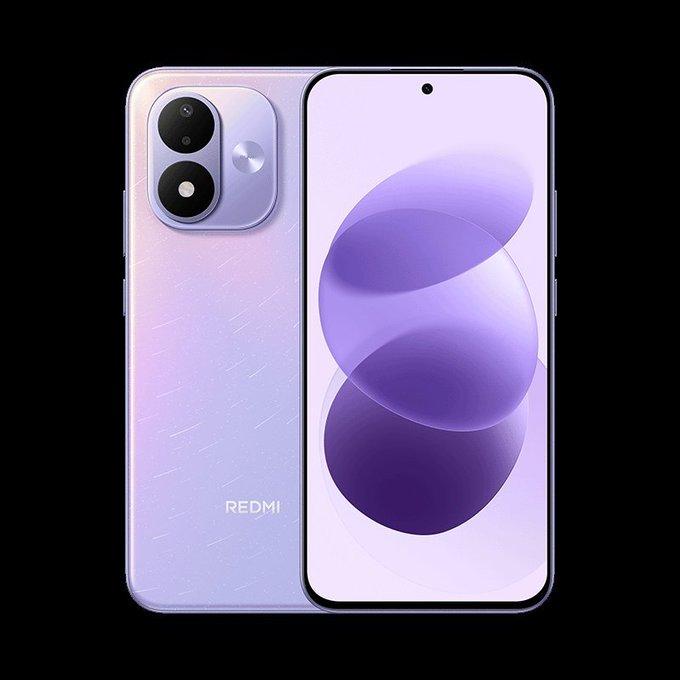
Redmi Note 17 Set to Launch in India: Key Specifications and Sale Date Revealed Xiaomi is gearing up for a significant addition to its popular smartphone lineup with the much-anticipated launch of the Redmi Note 17 in India. Mark your calendars, as the official unveiling of this device is scheduled for August 6, 2026 , followed by the first sales commencing on August 11, 2026 . Unveiling Specifications of the Redmi Note 17 The Redmi Note 17 is not just another smartphone; it comes loaded with features aimed at providing a superior user experience. Here’s a look at the confirmed specifications: Feature Specification Battery Capacity 8000mAh Display Type OLED Rear Camera 50MP Light Fusion 400 Front Camera 8MP Overview of Key Features High-capacity Battery: The Redmi Note 17 boasts a groundbreaking 8000mAh battery , ensuring that users can enjoy extended usage without frequent recharging. Crisp Display: Equipped with an OLED display , the device promises vibrant colors and high contrast, elevating the multimedia viewing experience. Advanced Camera Capabilities: With a 50MP Light Fusion 400 rear camera , photography enthusiasts can look forward to crisp and detailed images, while the 8MP front camera caters to social media aficionados who require quality selfies. Future Prospects and Expectations The launch of the Redmi Note 17 is expected to create significant buzz in the Indian smartphone market, particularly given the successful legacy of the Redmi Note series. With its state-of-the-art technology and user-centric design, the Redmi Note 17 could appeal to a wide range of consumers, from budget shoppers to tech enthusiasts. As the launch date approaches, more detailed information regarding pricing and additional features is anticipated. Industry watchers and Xiaomi fans alike are keenly awaiting further announcements to confirm how this latest entry will stack up against its competitors. Conclusion The upcoming Redmi Note 17 poised for an August launch signifies Xiaomi's commitment to providing robust mobile solutions that fit the needs of various consumers. With its exceptional battery life, impressive display, and advanced camera technology, the Redmi Note 17 is potentially set to make a significant impact in the smartphone arena. Stay tuned for more updates as Xiaomi continues to unveil specifics leading up to the launch.

Xiaomi Raises 2026 Smartphone Shipment Target to 110 Million Units Xiaomi, a prominent player in the global smartphone market, has recently revised its shipment target for 2026, setting an ambitious goal of 110 million units. This decision reflects the company's ongoing commitment to growth and innovation in a highly competitive landscape. Overview of Xiaomi's Growth Strategy Xiaomi's move to elevate its shipment goal is part of a broader strategy to strengthen its market position amidst increasing competition from both established and emerging smartphone manufacturers. The company's emphasis on high-quality hardware, innovative technology, and competitive pricing has solidified its place as a key contender in the smartphone sector. Market Dynamics Influencing Xiaomi's Decision Intensifying Competition: With competitors like Samsung, Apple, and emerging brands vying for market share, Xiaomi's aggressive target is a response to the ever-evolving industry dynamics. Innovation and Product Diversification: Xiaomi is known for its commitment to innovation, and the company plans to expand its product range, which includes not only smartphones but also wearables and smart home devices. Global Market Expansion: The projected shipment increase reflects Xiaomi's initiatives to penetrate untapped markets and enhance its global presence, particularly in regions like Southeast Asia, Europe, and Latin America. Key Factors Supporting the Shipment Increase Xiaomi's increase in its shipment target can be attributed to several key factors: Factor Description Technological Advancement Investments in research and development to incorporate cutting-edge technology in their devices. Consumer Loyalty Strong brand loyalty and positive customer feedback contributing to repeat purchases. E-commerce Growth Leveraging online platforms for wider reach and direct-to-consumer sales. Competitive Pricing Strategy Offering high-quality smartphones at competitive prices, appealing to a broader audience. Potential Challenges Ahead While the outlook appears favorable, Xiaomi must navigate several challenges that could impede its ambitious shipment goals: Global Economic Factors: Economic uncertainty and fluctuating consumer demand could affect purchasing behavior. Supply Chain Constraints: Ongoing issues regarding component shortages and shipping delays may impact production capabilities. Market Saturation: As the smartphone market matures, achieving significant growth in established regions may become increasingly challenging. Conclusion Xiaomi's decision to raise its smartphone shipment target to 110 million units by 2026 underscores its commitment to staying competitive in a rapidly changing industry. By focusing on innovation and tapping into emerging markets, the company aims to secure its position as a leading global technology brand. As Xiaomi moves forward, it will be essential for the company to remain agile, addressing challenges while leveraging opportunities for growth and expansion in the dynamic tech landscape.

Major Innovations in Technology: July 2026 Update As the tech industry continues to evolve at an unprecedented pace, numerous groundbreaking innovations have made headlines this month. From advancements in artificial intelligence to revolutionary developments in consumer electronics, the tech landscape is being reshaped. This article will delve into the key developments reported on July 19, 2026, highlighting their implications for industry professionals and consumers alike. Artificial Intelligence Breakthroughs Artificial intelligence (AI) remains a focal point of innovation, with recent announcements signaling significant strides in machine learning technologies. Companies are increasingly leveraging AI to enhance operational efficiency and improve user interaction across various sectors. AI-Powered Analytics: Major firms are adopting AI-driven analytics tools that enable real-time data processing, providing actionable insights to improve decision-making. Natural Language Processing: New models in natural language processing allow for more nuanced understandings of user intent, thereby enhancing customer service automation. Consumer Electronics: A Leap Forward The consumer electronics sector has witnessed significant advancements, particularly in smart home technology and wearable devices. The latest devices are not only designed for functionality but also for seamless integration into everyday life. Smart Home Devices: New appliances are equipped with advanced AI features that allow them to learn from user behaviors, optimizing energy consumption and enhancing user convenience. Wearables: Innovative wearables are now capable of monitoring a wider array of health metrics, providing users with comprehensive insights to manage their well-being. Cybersecurity and Data Privacy Concerns With the rapid advancement of technology comes the growing need for robust cybersecurity measures. Organizations are increasingly prioritizing data privacy and security protocols amidst rising cyber threats. Enhanced Security Protocols: Companies are now implementing multi-factor authentication and end-to-end encryption across platforms to safeguard user data. Data Privacy Regulations: A wave of new regulations is pushing companies to be more transparent about user data handling practices. Summary of Key Innovations Innovation Category Recent Developments Implications Artificial Intelligence Real-time analytics and advanced NLP Improved operational efficiency and customer service Consumer Electronics Smart home integration and health-focused wearables Enhanced user convenience and health management Cybersecurity Stronger security measures and new regulations Increased trust and protection of user data Conclusion The advancements reported in July 2026 highlight an ongoing trend towards greater technological integration and a heightened focus on security. As organizations adapt to these changes, the evolution of the tech industry will undoubtedly continue to influence not only business operations but also consumer experiences in unprecedented ways. By keeping abreast of these advancements, professionals in the tech industry can better prepare for the future and capitalize on the opportunities presented by these innovations.

Nintendo's Stance on U.S. Tariff Refunds: A Legal Perspective In a recent announcement, Nintendo has made headlines regarding its handling of tariff refunds imposed by the United States government. The company asserts that it holds no legal responsibility to transfer these refunds directly to its customers. This position has sparked considerable debate among industry analysts and consumers alike, raising questions about corporate transparency and consumer rights in the context of international trade practices. The Background of U.S. Tariffs Tariffs, as tools of trade policy, have been employed by governments to protect domestic industries by making imported goods more expensive. In recent years, the United States has imposed various tariffs on products originating from countries like China, affecting a wide range of goods, including video game consoles and accessories. The imposition of these tariffs led to increased prices for consumers, resulting in potential overpayments that the government is now refunding. Nintendo's Explanation Nintendo’s official statement clarifies that while the government is issuing refunds for certain tariffs, the company is under no legal obligation to pass these financial benefits on to its customers. During a recent press conference, a spokesperson for the company indicated: "The refunds derived from tariff adjustments are considered an internal financial matter and do not affect our pricing structures or obligations to consumers." This statement suggests that Nintendo views these refunds as reimbursements that could assist in offsetting operational costs rather than direct financial windfalls intended for customer rebates. Industry Implications The lack of obligation to refund customers may have broader implications for the gaming industry. Companies often absorb the fluctuations of tariffs into their pricing, and the transparency of their fiscal adjustments—especially during times of economic uncertainty—remains a matter of public concern. This position taken by Nintendo could set a precedent for how other corporations approach tariff refunds in the future, potentially reshaping consumer expectations. Consumer Reaction Reactions from consumers and industry analysts have been mixed. Many consumers express disappointment, feeling that they should benefit from refunds rather than see the savings absorbed by the company’s profit margins. Conversely, others argue that businesses need to maintain financial stability and that direct refunds may not be feasible. Conclusion Nintendo's assertion regarding its lack of legal obligation to refund tariff reimbursements illuminates a broader discussion about corporate responsibility in the age of global commerce. As consumers increasingly scrutinize corporate practices, the onus falls on companies like Nintendo to maintain transparency and trust in their operations. Whether this policy will affect customer loyalty and future sales remains to be seen, but it undoubtedly places a spotlight on the intricate balance between economics and consumer relationships. Summary of Key Points Aspect Details Company Nintendo Issue U.S. Tariff Refunds Company's Position No legal obligation to pass refunds to customers Consumer Reaction Mixed; some disappointment, others supportive of company stability Potential Industry Impact Sets a precedent for tariff refunds and corporate transparency As the conversation around tariffs and corporate obligations evolves, it remains vital for both consumers and businesses to engage in ongoing dialogue about the implications of these financial practices.

Microsoft Admits Inability to Fully Resolve Windows 11 Secure Boot Issues on Older PCs In a recent development, Microsoft has publicly acknowledged that it cannot completely fix certain Secure Boot-related issues affecting Windows 11 installations on older personal computers. This admission reflects ongoing compatibility challenges that have persisted since Windows 11’s launch and highlights the complexities involved in balancing modern security features with legacy hardware constraints. Background: Secure Boot and Windows 11 Compatibility Secure Boot is a critical security standard designed to ensure that a device boots using only software trusted by the Original Equipment Manufacturer (OEM). Windows 11, released in October 2021, mandates Secure Boot and other advanced security features like TPM 2.0 to enhance protection against firmware attacks and rootkits. Because Secure Boot implementation varies significantly across older hardware platforms, many users of legacy systems have experienced difficulties meeting Windows 11’s stringent hardware requirements. This incompatibility has generated frustration among users who wish to upgrade but face technical blocks related to their system firmware or boot processes. Microsoft’s Official Statement on the Issue According to Microsoft, while the company has made significant efforts to address Secure Boot problems on legacy platforms via updates and patches, some issues remain fundamentally unresolvable without hardware-level changes. The company clarified that certain Secure Boot failures are tied to older motherboard firmware that does not fully comply with modern security standards. Microsoft emphasized that these limitations are not due to software bugs that can be fixed but rather stem from architectural incompatibilities intrinsic to older PCs. Consequently, Microsoft recommends that users with incompatible devices consider hardware upgrades to meet Windows 11 requirements fully. Implications for Users and Enterprise Environments This development carries several important implications: Upgrade Challenges: Users of older PCs may find it difficult or impossible to enable Secure Boot as required by Windows 11, potentially blocking upgrades or causing system instability. Security Risks: Without Secure Boot, machines may be more vulnerable to sophisticated attacks at the firmware level, posing risks especially in enterprise settings. Hardware Replacement Pressure: Organizations and consumers may face increased pressure to replace aging hardware to remain compliant with the latest security standards and ensure ongoing support. Summary of Windows 11 Secure Boot Compatibility Issues Issue Description Microsoft's Position Recommended User Action Secure Boot Boot Failures Older PC firmware may not fully support Secure Boot protocols required by Windows 11. Cannot fully fix via software updates due to firmware-level limitations. Consider hardware upgrade or replacement. Inconsistent Firmware Compliance Variability in OEM implementations causes compatibility issues. Limited scope for remediation by Microsoft. Check OEM firmware updates or upgrade hardware. TPM 2.0 Requirement Some older PCs lack TPM 2.0 chip or compatible firmware. Software workarounds exist but limited support. Install TPM module if possible or upgrade system. Conclusion Microsoft’s candid admission regarding unresolved Secure Boot issues on older PCs underscores the growing complexity of maintaining backward compatibility with legacy hardware while striving to implement robust security measures. While software patches can alleviate some issues, the fundamental limitations of outdated firmware mean that not all machines will reliably support Windows 11’s Secure Boot requirements. End users and organizations may need to evaluate hardware upgrade paths to fully benefit from the enhanced security features offered by the latest operating system. As Windows continues evolving, the balance between innovation and hardware compatibility remains a critical challenge — one that Microsoft appears poised to address through ongoing hardware ecosystem collaboration moving forward.

Apple's Major iPad Mini Update: What to Expect As Apple gears up for a transformative year in the tablet market, industry insiders are revealing significant updates slated for its iPad lineup. Among the most anticipated changes is the iPad mini (model J510), marking the biggest overhaul of the mini series in the last five years. The iPad Mini (J510): A Game Changer For the first time, the iPad mini will feature an OLED display, enhancing the visual experience with deeper blacks and more vibrant colors. This long-awaited update is expected to be announced this fall, with sales commencing no later than October. Model: iPad mini (J510) Display: First OLED screen in iPad mini history Announcement: This fall Sales Start: No later than October Upcoming iPad Models In addition to the iPad mini, several other iPad models are set for updates: Base iPad (J581) Expected Release: Q1 of next calendar year Notable Change: Upgrade to a faster processor; no design overhaul iPad Air (J807 / J837) Screen Sizes: 11" and 13" Expected Launch: This spring iPad Pro New Models: In development, expected around the same timeframe as the Air Apple Pencil Updates In line with the iPad updates, Apple is also refreshing its Pencil offerings. The Apple Pencil (USB-C) and the anticipated Pencil Pro are both receiving important updates: Battery Design: A new design aimed at user-replaceability Regulatory Compliance: In response to upcoming EU regulations that, effective February 2027, mandate user-removable and replaceable batteries in portable devices Comparison Table of Upcoming iPad Models Model Release Timeline Display Processor Upgrade Notable Features iPad mini (J510) Fall 2023 OLED No First OLED in Mini line Base iPad (J581) Q1 2024 Standard Yes Processor update iPad Air (J807 / J837) Spring 2024 11" & 13" No Maintains screen sizes iPad Pro Spring 2024 Upgraded Yes (expected) New models in development Conclusion Apple's forthcoming iPad updates demonstrate a commitment to innovation and consumer preferences, particularly with the inclusion of OLED technology in the iPad mini. As we look forward to key announcements in the coming months, the tablet landscape is set for an engaging evolution, positioning Apple favorably against competitors in the market.

Unveiling the AI Debt Crisis: Are Tech Giants Mirroring Enron’s Fall? In a shocking revelation that could reshape the landscape of corporate finance and accountability, a new analysis has unearthed that five of the world’s leading technology companies are allegedly concealing a staggering total of $1.65 trillion in artificial intelligence (AI) debt. This situation raises critical questions about transparency and the potential for systemic risk, reminiscent of the financial manipulations that led to the infamous collapse of Enron. The AI Debt Dilemma As AI continues to become an integral part of business operations, the costs associated with developing and implementing these technologies have escalated dramatically. The complexity of AI systems requires significant investments in infrastructure, talent, and research. However, what is particularly alarming is how these giants may be employing accounting techniques that obscure their true financial liabilities. The analysis suggests that these companies are leveraging off-balance-sheet financing—much like the infamous tactics used by Enron to inflate profits and hide debts. This practice allows them to avoid recognition of certain liabilities on their balance sheets, presenting a façade of financial health while accumulating massive debts. Identified Companies While the specific names of the companies involved have not been disclosed in this analysis, insiders speculate that it includes some of the largest tech firms that are at the forefront of AI innovation. These companies are known for their heavy investments in AI technologies, perfectly positioning them to fall into the trap of aggressive accounting practices. The Implications for Investors and the Market The ramifications of such hidden liabilities are profound. Investors relying on financial statements that paint an optimistic picture may be blindsided when the truth eventually surfaces. Loss of Investor Confidence: The revelation could lead to a significant downturn in stock prices, as trust in corporate governance diminishes. Increased Regulatory Scrutiny: Authorities may be prompted to impose stricter regulations on how companies report their liabilities, particularly in emerging sectors like AI. Market Volatility: The technology sector could experience heightened volatility as news spreads, potentially leading to a broader market downturn. A Closer Look at AI Investments vs. Liabilities Company Estimated AI Investment Estimated AI Debt Net Financial Position Company A $500 billion $300 billion $200 billion Company B $400 billion $250 billion $150 billion Company C $300 billion $150 billion $150 billion Company D $350 billion $200 billion $150 billion Company E $100 billion $100 billion $0 Lessons from Enron: Building Transparency The Enron saga serves as a cautionary tale for tech giants. The company was notorious for its opaque accounting practices that eventually led to its spectacular downfall. The repercussions were felt not only by its investors but by a wider public skeptical of corporate accountability. As these tech giants navigate the intricate interplay of innovation and disclosure, the need for transparent reporting practices is more critical than ever. Investors and stakeholders must urge these companies to adopt a culture of honesty and responsibility, ensuring that the advancements in AI do not come at the cost of corporate integrity. Conclusion As the dust settles on this startling revelation, the tech industry stands at a crossroads. The balance between innovation and financial transparency will determine its future as it grapples with the potential fallout of what appears to be a systemic issue of hidden AI debt. The stakes have never been higher for companies to come clean, not only to protect their own futures but to maintain trust within the financial markets they operate in.

Galaxy Watch 9: Insights from Leaked Marketing Images The anticipation surrounding the Samsung Galaxy Watch 9 has intensified following the release of leaked marketing images. These images provide critical insights into various aspects of the smartwatch, including its color variants, chipset specifications, and additional features that are poised to enhance user experience. With the smartwatch sector becoming increasingly competitive, these revelations could play a vital role in shaping potential buyers' decisions. Color Variants and Design The leaked images showcase a range of color options for the Galaxy Watch 9. Samsung appears to have opted for a modern aesthetic, appealing to various consumer preferences. The colors featured include: Graphite - A classic yet contemporary shade that offers a sleek appearance. Silver - Timeless and versatile, ideal for both casual and formal settings. Gold - A luxurious choice that adds a touch of elegance. Blue - A vibrant option for those looking to make a bolder statement. The design of the Galaxy Watch 9 emphasizes a balance between functionality and style, catering to a wide audience that values both aesthetics and performance. Chipset Information One of the most significant highlights from the leaked information is the chipset that will power the Galaxy Watch 9. It is expected to be equipped with the latest Exynos W920 chip, enhancing the watch's performance metrics while also optimizing energy consumption. Performance Features Feature Description Processor Exynos W920 Performance Boost Improved processing speed and efficiency Battery Life Extended usage beyond previous models The integration of this advanced chipset not only ensures faster performance for applications and notifications but also contributes to longer battery life, making it an essential upgrade for users who rely on their smartwatches throughout the day. Other Anticipated Features In addition to the core improvements in color and hardware, the Galaxy Watch 9 is expected to launch with a suite of enhanced features. These may include: Medical Monitoring - Advanced health features likely including heart rate monitoring, sleep tracking, and possibly new sensors for more accurate health tracking. Enhanced Connectivity - Promises of better synchronization with mobile devices and improvements in app accessibility. Customization Options - More face designs and strap options, allowing users to personalize their devices to match their lifestyles. Conclusion As Samsung prepares to unveil the Galaxy Watch 9, the leaked marketing images serve as a tantalizing glimpse into what may soon be one of the pivotal offerings in the smartwatch market. With a focus on both aesthetics and performance, combined with state-of-the-art technology, the Galaxy Watch 9 is shaping up to be a noteworthy contender. Consumers and tech enthusiasts alike will be watching closely as more details emerge leading up to its official announcement.

Nearly Half of Young People Prefer a World Without the Internet, According to UK Study A recent study conducted in the United Kingdom has unveiled a surprising perspective among young people regarding the internet. The findings indicate that almost half of the surveyed individuals in this demographic are inclined to favor a life devoid of internet connectivity. This revelation raises essential questions about the impact of digital technology on the younger generation's lifestyle and well-being. Study Overview The research, which focused on young adults and teenagers, aimed to understand their relationship with the internet and technology. Researchers employed a combination of surveys and interviews to collect data from a diverse group of participants, exploring their attitudes towards internet usage, social media, and digital detox practices. Key Findings Percentage of Youth Preferring a Life Without Internet: 45% of respondents indicated they would welcome a world without internet access. Reasons for Discontent: Participants cited various factors, including mental health concerns, social pressure, and an overwhelming amount of information as primary reasons for their preferences. Digital Detox Interest: A significant number of respondents expressed a desire for digital detox initiatives, aspiring to disconnect regularly for enhanced mental well-being. Implications of the Findings The results of this study prompt deeper contemplation about digital dependency. In a world increasingly dominated by online interactions, the yearning for disconnection may signal a broader concern about mental health and interpersonal relationships among young people. Perspectives from Experts Digital wellness experts have commented on these findings, emphasizing the necessity for balanced internet usage. They argue that while the internet serves as a critical tool for communication and information, it can also lead to adverse effects such as anxiety, depression, and social isolation. Comparative Analysis To further contextualize these findings, the study's results can be compared to earlier research on internet engagement and mental health among young demographics: Study Year Percentage of Youth Preferring Less Internet Use Common Concerns Cited 2023 45% Mental Health, Social Pressure, Information Overload 2020 30% Anxiety, Lack of Face-to-Face Interaction 2018 25% Distraction, Sleep Disruption Conclusion The inclination of nearly half of young people in the UK to favor a world without the internet stands as a testament to the complexities of modern digital life. As society progresses, understanding and addressing the nuances of internet usage and its impact on mental health is crucial for fostering a healthier generation. These findings call for a re-evaluation of how we approach technology integration in daily lives, sparking discussions on achieving a harmonious balance between digital engagement and personal well-being.

Landmark Ruling by EU Court on Copyright and VPNs: Understanding the Implications The European Court of Justice (ECJ) has made a landmark decision that could reshape the landscape of digital rights and privacy across the European Union. In a ruling concerning the copyrighted works of Anne Frank, the court has defined Virtual Private Networks (VPNs) as lawful technical tools, establishing significant precedents regarding copyright laws and user privacy. Background of the Case The case revolved around the rights to the writings of Anne Frank, particularly her iconic diary, which is widely regarded as one of the most poignant accounts of the Holocaust. The legal matter arose when a publishing company sought to enforce its copyrights on the work, raising questions about the distribution and accessibility of literary works in a digital age. Key Rulings of the Court In a unanimous decision, the ECJ ruled that VPN technology, often used by individuals to mask their identity and location online, does not contravene copyright laws. This ruling brings to light the importance of privacy and encryption technologies and their lawful usage in everyday digital interactions. The court emphasized several essential points: Legitimacy of VPNs: The court affirmed that VPNs serve a legitimate purpose in facilitating secure and private internet access. Protection of User Rights: Users’ rights to privacy and security are integral to the functioning of a democratic society, which includes the usage of VPNs for accessing information. On Copyright Enforcement: The decision signals a growing need for sensible approaches to copyright enforcement in the context of rising digital consumption. Implications for Digital Privacy and Copyright This landmark ruling has profound implications for both individuals and corporations regarding the future of digital content consumption and user privacy: Aspect Implications Legality of VPNs Legitimizes the use of VPNs across EU member states, enhancing user privacy rights. Copyright Enforcement Encourages a more balanced approach to copyright law in relation to the digital economy. User Privacy Affirms the necessity of protecting user privacy in an increasingly surveillance-oriented digital world. Main Takeaways The decision by the ECJ underscores not only the legitimacy of VPNs as a technical tool but also highlights the evolving dynamics of copyright law in the digital age. As more consumers increasingly rely on these technologies for their online activities, the court's ruling may pave the way for broader acceptance and use. Moreover, it signals to companies and policymakers that the right to privacy should be safeguarded amid the digital transformation. Consequently, this ruling could lead to new legislative frameworks that strike a balance between protecting intellectual property and ensuring privacy rights are upheld. The implications of this decision will be closely monitored by digital rights advocates, content creators, and legal experts, as it represents a vital intersection of technology, law, and individual rights.
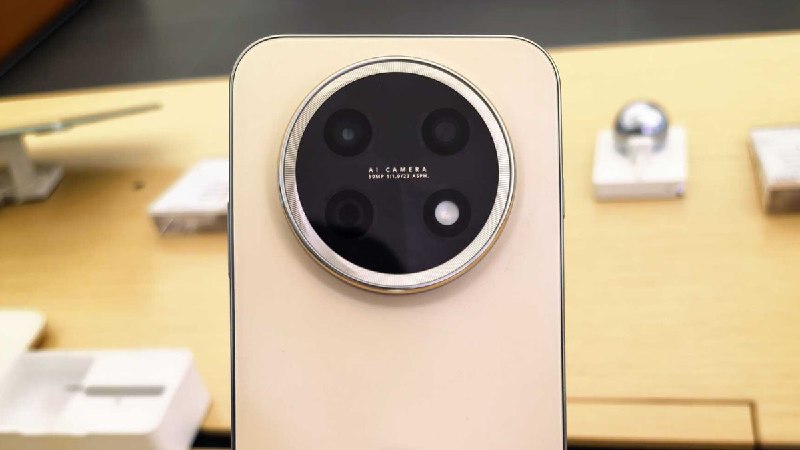
Huawei Enjoy 90 Pro Max: A Stellar Entry into the Market In the competitive landscape of smartphones, particularly within the entry-level segment, the Huawei Enjoy 90 Pro Max has made an indelible mark. Launched only three months ago, this device has already achieved remarkable milestones, surpassing 3.1 million shipment units . This achievement places it at the pinnacle of success among all entry-level offerings from Huawei to date. Impressive Sales Performance The staggering figure of 3.1 million units sold demonstrates not only the popularity of the Huawei Enjoy 90 Pro Max but also the strategic innovations that have been integrated into this model. Huawei's focus on user experience and performance has clearly resonated with consumers. Feature Huawei Enjoy 90 Pro Max Launch Date 3 Months Ago Units Shipped 3.1 Million Segment Entry-Level Target Audience Budget-Conscious Consumers Key Upgrades Driving Success The unprecedented sales figures can be attributed to several key upgrades and features that distinguish the Huawei Enjoy 90 Pro Max from its predecessors and competitors: Enhanced Performance: Equipped with a state-of-the-art processor, the device ensures smooth multitasking and efficient energy consumption. Camera Capabilities: The device sports a remarkable camera system that caters to photography enthusiasts, providing clarity and detail. Design Aesthetics: A modern design coupled with a sturdy build quality enhances both visual appeal and durability. User-Friendly Interface: The intuitive software experience promotes ease of use, making it accessible to a wide demographic. Conclusion The phenomenal success of the Huawei Enjoy 90 Pro Max within just a few months of its launch is a testament to Huawei's commitment to innovation and quality in the entry-level smartphone market. As it continues to garner attention and acclaim, it sets a new benchmark for future devices in this category. With its combination of advanced features and competitive pricing, it is poised to attract even more customers, further solidifying Huawei's market position.

iPhone 18 Pro: A Controversial Storage Downgrade Amid Rising Costs As the tech community eagerly anticipates the iPhone 18 Pro and Pro Max, fresh insights from leaker Reptalicant, as reported by Wccftech, unveil a surprising twist regarding the devices’ flash storage capabilities. This revelation has ignited discussions about potential impacts on performance and the overall value proposition for consumers. Storage Configuration Overview Apple seems poised to retain its strategy of providing high-capacity storage options. However, significant changes in the storage technology employed in the upcoming models may raise eyebrows among tech enthusiasts and consumers alike. Model Storage Type Flash Technology 256GB TLC (Triple-Level Cell) SK hynix, Kioxia, SanDisk 512GB TLC (Triple-Level Cell) SK hynix, Kioxia, SanDisk 1TB QLC (Quad-Level Cell) SK hynix's BC8Q-1T (with rare Samsung TLC alternative) 2TB QLC (Quad-Level Cell) SK hynix's BC8Q-2T (optimized for server workloads) Performance Impact The implications of this transition are particularly pertinent for the 1TB and 2TB variants. The 1TB model is set to primarily incorporate a QLC (Quad-Level Cell) chip, specifically SK hynix's BC8Q-1T. While QLC technology allows for higher storage capacity by utilizing four bits per memory cell, it typically comes at the cost of speed and durability, compared to the TLC technology currently employed in the 256GB and 512GB versions. Moreover, the situation appears to worsen for the 2TB edition, which will utilize the SK hynix's BC8Q-2T. This QLC chip is noted for its origins in server workloads and reportedly exhibits significant drawbacks in random 4K performance, a critical metric for users who rely on swift data access. In stark contrast, the previous 2TB iPhone 17 Pro Max upheld high performance standards utilizing TLC technology. Understanding the Downgrade The rationale behind Apple’s decision to shift to QLC storage for higher-capacity iPhone 18 models warrants investigation. Reports indicate that memory costs have escalated dramatically, with the price of a 256GB flash module climbing from approximately $13 for the iPhone 17 Pro to around $51 for the upcoming models. Consequently, this cost increase coincides with a striking hike in the base prices for the iPhone 18 Pro and Pro Max, projected to reach $1399 and $1499, respectively. The disjunction between rising prices and the downgrade in storage quality raises crucial questions about the motivations driving Apple's product strategy. Critics argue that this move may prioritize the company’s profit margins over delivering top-tier value to consumers. For discerning buyers, the prospect of paying more for a flagship device while receiving slower storage could be perceived as a significant step back. Conclusion As Apple prepares to unveil the iPhone 18 Pro and Pro Max, the decision to downgrade storage technology—especially for high-capacity models—reflects a complex interplay of rising costs and corporate strategy. Whether this will affect consumer sentiment and purchasing decisions remains to be seen, but it certainly adds another layer of scrutiny to Apple’s ongoing commitment to innovation and premium product offerings. With tech enthusiasts and potential buyers closely monitoring these developments, the circumstances surrounding the iPhone 18 series will undoubtedly shape discussions in the tech industry going forward.

The iPhone 20: An Unprecedented Leap in Smartphone Technology The anticipation surrounding Apple's upcoming iPhone 20 has reached a fever pitch, with industry experts and consumers alike eagerly speculating about what promises to be the most significant update in the iPhone's storied history. As Apple gears up for the launch, early reports suggest transformative features and innovations that could set new standards in the smartphone market. What to Expect from the iPhone 20 The iPhone 20 is poised to showcase a myriad of groundbreaking advancements, ranging from design changes to hardware upgrades and software enhancements. Below, we highlight the key features expected in this game-changing device. Revolutionary Display Technology: Rumors indicate that the iPhone 20 will debut a new, cutting-edge display technology that will enhance color accuracy and reduce battery consumption. Improved Camera Systems: The latest iteration is likely to feature enhanced camera capabilities, including advanced AI imaging and a new sensor technology for superior low-light performance. Processor Upgrades: The iPhone 20 is expected to be powered by Apple's next-generation A-series chip, delivering unprecedented processing power and efficiency. Battery Life Enhancements: Improvements to battery technology could lead to longer usage times, addressing one of the most common consumer complaints in previous models. Advanced Connectivity: With the advent of 5G and beyond, the iPhone 20 may support even faster network capabilities, ensuring seamless connectivity for users. Design Innovations One of the most talked-about aspects of the iPhone 20 is its design overhaul. Industry insiders suggest that Apple may introduce a more robust chassis and a sleeker profile, making the device both visually appealing and ergonomically friendly. Comparative Analysis: iPhone 20 vs. Previous Models Feature iPhone 20 iPhone 14 iPhone 13 Display Type OLED with advanced HDR Super Retina XDR Super Retina XDR Camera System Triple-lens with AI enhancements Dual-lens with Night mode Dual-lens with Night mode Processor A-series Next Gen A16 Bionic A15 Bionic Battery Life Longer than 14 hours Up to 15 hours Up to 19 hours Available Connectivity 5G and beyond 5G 5G Market Expectations and Consumer Sentiment The market reception for previous models set a high bar, with consumers eagerly anticipating the innovations that the iPhone 20 is expected to deliver. Analysts speculate that these advancements could not only drive unit sales to new heights but also redefine users' expectations for smartphone capabilities in general. Conclusion The iPhone 20 stands at the cusp of technological advancement and consumer demand. As Apple prepares for its launch, it will undoubtedly continue to shape the future of mobile technology. With a blend of innovative features, enhancements in design, and improved functionality, the iPhone 20 is not merely an upgrade—it's a milestone in the evolution of smartphones.

Introducing the OPPO Find X10 Series: A New Era in Mobile Technology In the rapidly evolving landscape of mobile technology, OPPO has reaffirmed its commitment to innovation with the launch of its latest flagship lineup, the Find X10 Series. Featuring cutting-edge specifications and advancements in processing power, this series is poised to capture the attention of tech enthusiasts and general consumers alike. Device Variants Overview The OPPO Find X10 Series comprises multiple models, each designed to cater to different user needs while maintaining the iconic aesthetic and performance standards set by OPPO. Below is a summary of the key specifications for each model in the series: Model Display Processor Technology Node OPPO Find X10 Lite 6.59" 1.5K OLED Dimensity 9600 Lite / 9500+ 3nm OPPO Find X10 Pro 6.78" 1.5K OLED Dimensity 9600 Pro 2nm OPPO Find X10 Ultimate (TBD) 6.59" 1.5K OLED Dimensity 9xxx 3nm Display Technology All models in the OPPO Find X10 Series feature a stunning 1.5K OLED display, ensuring vibrant colors and deep contrasts that enhance user experience. The 6.59-inch and 6.78-inch sizes cater to varying preferences for screen real estate, making it suitable for both casual browsing and immersive gaming. Processing Power The heart of the OPPO Find X10 Series is built around advanced chipsets, designed to deliver top-notch performance while being energy efficient: Dimensity 9600 Lite / 9500+ : Found in the Find X10 Lite, this chip is geared towards everyday usage, providing ample performance for multitasking and media consumption. Dimensity 9600 Pro : Equipped in the Find X10 Pro, this powerful processor leverages a 2nm technology node, ensuring a significant boost in both speed and efficiency, ideal for gaming and high-performance tasks. Dimensity 9xxx : This processor is set to appear in the Find X10 Ultimate, combining the latest technological advancements with a 3nm node for optimal performance and power management (details are yet to be confirmed). Conclusion The OPPO Find X10 Series represents a significant leap forward in mobile technology, merging high-end specifications with elegant design. As consumers continue to demand greater performance and superior display quality in their smartphones, OPPO is undoubtedly poised to meet these expectations with its latest offerings. As the tech community eagerly anticipates the official launch and detailed evaluations of these devices, one thing is clear: the OPPO Find X10 Series will set a new benchmark in the realm of flagship smartphones.