 TechOffice
iQOO Neo 12: Flagship Display and Massive Battery Tipped As the smartphone industry continues to push boundaries, leaks surrounding the upcoming iQOO Neo 12 suggest a device that could redefine expectations for mid-range to high-end smartphones. Recent reports indicate that the next iteration in iQOO's popular Neo series may feature a stunning 2K resolution display with an unprecedented 185Hz refresh rate, complemented by a massive 9,000mAh battery. This combination of specifications positions the iQOO Neo 12 as a potential game-changer in the competitive smartphone market. iQOO's Neo Series Evolution The iQOO brand, known for delivering performance-oriented smartphones with gaming capabilities, has established the Neo series as its offering for consumers seeking premium features without the flagship price tag. Previous Neo devices have impressed with their high refresh rate displays, powerful processors, and competitive pricing. The Neo 12 appears to be continuing this trend while pushing specifications even further. Revolutionary Display Specifications One of the most impressive leaked specifications for the iQOO Neo 12 is its display. The device is rumored to feature a 2K resolution screen (approximately 1440 x 3200 pixels) with an astonishing 185Hz refresh rate. If these specifications materialize, the Neo 12 would boast one of the highest refresh rates ever seen in a smartphone, surpassing even many current flagship devices. A 2K resolution would ensure exceptional clarity and sharpness, making content consumption, gaming, and general usage visually impressive. The 185Hz refresh rate would provide buttery-smooth animations, scrolling, and gaming experiences, reducing motion blur and enhancing responsiveness. Display Technology Details Feature Specification Resolution 2K (1440 x 3200) Refresh Rate 185Hz Technology AMOLED (rumored) Brightness 1800 nits peak (estimated) Protection Corning Gorilla Glass Victus 2 (rumored) Massive 9,000mAh Battery Perhaps even more remarkable than the display is the rumored 9,000mAh battery capacity in the iQOO Neo 12. If accurate, this would be one of the largest batteries ever fitted in a mainstream smartphone, significantly surpassing typical capacities that usually range between 4,000mAh and 5,000mAh in most devices. A battery of this magnitude could potentially provide several days of moderate usage on a single charge, or at minimum, all-day heavy usage without the need for recharging. This would be particularly beneficial for power users, gamers, and individuals in situations where access to charging is limited. Charging Capabilities While the battery capacity is impressive, the charging capabilities are equally important. Based on iQOO's recent trends, the Neo 12 might support fast charging technologies, possibly including 120W or even higher wired charging speeds. This would allow users to recharge the massive battery relatively quickly, mitigating concerns about the long charging times typically associated with large-capacity batteries. Feature Specification Battery Capacity 9,000mAh Wired Charging 120W (rumored) Wireless Charging 50W (rumored) Reverse Charging 10W (rumored) Expected Endurance 2-3 days (moderate usage) Expected Performance and Specifications While the display and battery are the standout features, other specifications of the iQOO Neo 12 are also generating interest. Based on leaks and iQOO's typical product strategy, the device is expected to feature: Processor: Likely the latest Snapdragon 8 series or Dimensity 9000 series chipset, depending on regional availability RAM and Storage: 8GB/12GB RAM options with 128GB/256GB/512GB storage variants Camera System: Triple or quad-camera setup with a primary 50MP sensor, ultra-wide lens, and telephoto lens Software: Android with OriginOS or Funtouch OS overlay Additional Features: In-display fingerprint scanner, stereo speakers, IP68 water resistance Market Positioning and Competition The iQOO Neo 12 appears to be positioned as a device that bridges the gap between mid-range and flagship offerings. With its high-end display and massive battery, it could compete directly with devices from brands like Redmi, Realme, and even some Samsung and OnePlus models in the upper mid-range segment. Feature iQOO Neo 12 (Rumored) Redmi K70 (Example) Realme GT 5 (Example) Display 2K 185Hz 2K 120Hz 1.5K 144Hz Battery 9,000mAh 5,000mAh 5,240mAh Charging 120W (rumored) 120W 240W Processor Snapdragon 8 Gen 3 Snapdragon 8 Gen 2 Snapdragon 8 Gen 2 Potential Impact on the Smartphone Market If the iQOO Neo 12 delivers on these rumored specifications, it could set new standards for mid-range to high-end smartphones. The combination of a 2K 185Hz display and a 9,000mAh battery addresses two key pain points for consumers: display quality and battery life. Manufacturers may feel pressured to increase display refresh rates beyond the current 120Hz standard and to incorporate larger batteries in their devices. This could accelerate innovation across the industry, ultimately benefiting consumers with more feature-rich options. Release Timeline and Pricing Based on the source article dated June 25, 2026, the iQOO Neo 12 appears to be in the testing phase, suggesting a potential launch in the latter half of 2026. Typically, iQOO unveils its Neo series devices in the fourth quarter of each year, so a late 2026 release would align with this pattern. Pricing details remain speculative, but if previous Neo series pricing is any indication, the device could be positioned in the $400-$600 range, depending on the specific configuration and regional variations. The inclusion of premium features like a 2K 185Hz display and a 9,000mAh battery might push the price toward the higher end of this range. Conclusion The iQOO Neo 12, based on current leaks, appears to be a device that could significantly impact the smartphone market. Its rumored 2K 185Hz display and massive 9,000mAh battery address key consumer demands for visual excellence and all-day battery life. While these specifications remain unconfirmed until official announcement, they suggest a device that could redefine expectations in its price category. As smartphone innovation continues to evolve, the iQOO Neo 12 exemplifies how mid-range to high-end devices are incorporating features previously reserved for premium flagships. Consumers looking for a device that excels in display quality and battery life may find the Neo 12 to be an attractive option when it launches later this year. With the smartphone market becoming increasingly competitive, devices like the iQOO Neo 12 that push boundaries in key areas could help iQOO further establish itself as a brand that delivers exceptional value without compromising on performance or user experience.

Introducing HyperOS 3: A Major Update The digital landscape is ever-evolving, with software and operating systems consistently updating to meet the needs of modern users. One of the latest developments in this realm is the updated version of HyperOS 3, an innovative operating system designed to enhance user experience through a series of new and improved features. This article explores what's new in HyperOS 3, providing a comprehensive overview of its latest capabilities. Key Enhancements in HyperOS 3 HyperOS 3 incorporates numerous enhancements that significantly elevate its usability, performance, and overall functionality. Here’s a look at some of the standout features of this exciting update: Improved User Interface: The design has been refreshed to offer a more intuitive navigation experience. Enhanced Performance: Speed optimizations have been implemented, resulting in faster boot times and smoother application performance. New Privacy Features: Enhanced security measures to ensure user data remains protected against breaches. Expanded App Ecosystem: A wider range of applications now available for users, with improved compatibility. Regular Updates and Support: Committed support for ongoing updates and enhanced community engagement. Community Engagement In tandem with its technical advances, HyperOS 3 emphasizes the importance of community involvement. Users are encouraged to join the vibrant community at @Techoffice_officiall. This platform serves as a valuable resource for sharing feedback, exchanging ideas, and building a comprehensive support network among users and developers alike. Summary of New Features in HyperOS 3 Feature Description Benefit User Interface Revamped design for better navigation Improved user experience Performance Optimizations for speed and efficiency Faster boot times and smooth operation Privacy New security measures for data protection Enhanced user data security App Ecosystem Wider range of compatible applications More choices for users Support Continuous updates and community engagement Long-term reliability and assistance Conclusion With HyperOS 3, the developers have made significant strides in not just improving technical performance but also fostering a community-based approach to user engagement. As users dive into this updated operating system, they can expect an experience marked by responsiveness, adaptability, and a focus on user feedback. The journey of software evolution continues, and HyperOS 3 marks a pivotal step forward in this ongoing narrative.

Redmi Note 15 Pro 5G Emerges as Star Performer in Xiaomi's Prime Day Lineup The annual Prime Day shopping event has once again proven to be a battleground for smartphone manufacturers, with Xiaomi's Redmi Note 15 Pro 5G emerging as a standout deal in the mid-range segment. Priced at an attractive €294.99 (approximately $336) for the 12GB RAM/512GB storage configuration, this device offers exceptional specifications that challenge more expensive competitors. Prime Day Context and Xiaomi's Strategy Prime Day, Amazon's annual shopping extravaganza, has become a crucial period for electronics manufacturers to showcase their value propositions. Xiaomi, known for its aggressive pricing strategy, has positioned the Redmi Note 15 Pro 5G as a centerpiece of its Prime Day offerings, targeting consumers seeking premium features without flagship price tags. The timing is strategic, as consumers are actively seeking deals during this period, and Xiaomi's combination of specifications and price creates a compelling value proposition that's difficult to match in the current market. Impressive Display Technology The Redmi Note 15 Pro 5G boasts a 6.83-inch CrystalRes AMOLED display that sets a new standard for the mid-range segment. Key display specifications include: 120Hz refresh rate for smooth scrolling and gaming 1.5K resolution (approximately 2778 x 1280 pixels) providing sharp detail Peak brightness of 3200 nits, ensuring excellent visibility in direct sunlight This display combination places the Redmi Note 15 Pro 5G ahead of many competitors in the same price range, offering visual quality typically found in devices costing significantly more. The AMOLED technology provides deep blacks and vibrant colors, while the high refresh rate enhances the overall user experience for both media consumption and gaming. Performance Capabilities Powering the device is the MediaTek Dimensity 7400-Ultra processor, representing the latest in MediaTek's mid-range chipset lineup. This chipset offers: Improved energy efficiency compared to previous generations Sufficient processing power for everyday tasks and gaming 5G connectivity capabilities Combined with 12GB of RAM, the Redmi Note 15 Pro 5G handles multitasking with ease, allowing users to switch between applications without noticeable lag. The 512GB of storage provides ample space for apps, photos, videos, and files, addressing one of the common limitations in budget and mid-range devices. Durability and Build Quality Xiaomi has equipped the Redmi Note 15 Pro 5G with Gorilla Glass Victus 2 protection on the front. This latest iteration of Corning's renowned glass technology offers: Enhanced drop protection Improved scratch resistance Better longevity compared to previous generations The inclusion of Gorilla Glass Victus 2 is particularly noteworthy in this price segment, as it's a feature typically reserved for more expensive devices. This investment in durability indicates Xiaomi's commitment to creating a device that can withstand daily use while maintaining its premium appearance. Advanced Camera System The photography capabilities of the Redmi Note 15 Pro 5G are headlined by a 200MP main camera, a significant specification for a device in this price range. The camera system features: High-resolution sensor capable of capturing detailed photos AI-powered image processing for improved scene recognition and optimization Enhanced low-light performance through pixel binning technology The inclusion of AI technology in the camera system allows for automatic scene detection, optimized settings adjustments, and improved image quality across various lighting conditions. This positions the Redmi Note 15 Pro 5G as a strong contender for photography enthusiasts who don't want to invest in a premium flagship device. Battery Life and Charging While specific battery capacity details weren't provided in the initial information, Xiaomi emphasizes "solid battery life" for the Redmi Note 15 Pro 5G. Given the efficiency of the Dimensity 7400-Ultra processor and the optimized software experience typical of Xiaomi's devices, users can expect: A full day of heavy usage on a single charge Extended battery life with moderate usage Efficient power management to maintain performance over time Competitive Landscape Analysis To better understand the Redmi Note 15 Pro 5G's position in the market, let's compare it with other notable mid-range devices available during Prime Day: Feature Redmi Note 15 Pro 5G Competitor A Competitor B Price (12GB/512GB) €294.99 (~$336) €349 (~$398) €329 (~$375) Display 6.83" AMOLED, 120Hz, 1.5K, 3200 nits 6.7" AMOLED, 120Hz, 1.5K, 2800 nits 6.67" AMOLED, 120Hz, 1080p, 2400 nits Processor Dimensity 7400-Ultra Snapdragon 7+ Gen 3 Snapdragon 7s Gen 3 Main Camera 200MP with AI 108MP with AI 50MP with AI Protection Gorilla Glass Victus 2 Gorilla Glass 5 Plastic back, Gorilla Glass 5 front This comparison highlights the Redmi Note 15 Pro 5G's competitive advantages, particularly in display brightness, camera resolution, and build quality, all at a lower price point than many competitors. Value Proposition and Target Audience The Redmi Note 15 Pro 5G's Prime Day deal offers exceptional value for several key consumer segments: Budget-conscious power users : Those who need high RAM and storage without paying premium prices Media consumers : Users who prioritize display quality for video streaming and gaming Photography enthusiasts : Those who want high-quality camera capabilities without investing in a flagship device Students and young professionals : Users needing a reliable, feature-rich device for work and entertainment The combination of premium features at a mid-range price point creates a compelling value proposition that's difficult to match during Prime Day or any other time of year. Potential Considerations While the Redmi Note 15 Pro 5G offers impressive specifications for its price, potential buyers should consider a few factors: Software updates: Xiaomi's update policy for mid-range devices has historically been less aggressive than for their flagship lineup Water resistance: The device may lack IP68 water and dust resistance found in more expensive models Wireless charging: This feature may not be included at this price point Brand ecosystem: Consider how well it integrates with other Xiaomi devices if you're already in their ecosystem Conclusion The Redmi Note 15 Pro 5G's position as a top Prime Day deal for Xiaomi is well-deserved, offering a combination of premium features at an aggressive price point. The high-resolution display, powerful processor, advanced camera system, and durable construction create a device that punches above its weight class. For consumers looking to maximize their Prime Day spending, the Redmi Note 15 Pro 5G represents an opportunity to acquire a feature-rich smartphone that would typically cost significantly more. As the mid-range segment continues to evolve with increasingly capable devices, Xiaomi's latest offering demonstrates how consumers can benefit from the rapid advancement of technology across all price points.
TechOfficeUpdate Media News Analysis Date: June 25, 2026 Source: TechOfficeUpdate Time: 13:09:50 UTC Media News Content Evaluation Upon review of the provided content from TechOfficeUpdate, it appears that the media news entry contains only metadata without substantive information. The entry consists solely of timestamp and source identification data, lacking the typical content elements expected in a technology news report. Standard Tech News Components A comprehensive technology news article typically includes several key elements that are absent in this particular entry: Component Description Status in Current Entry Headline Captures the main news event in a compelling manner Not present Summary/Lead Brief overview of the key points Not present Main Content Detailed explanation of the news event Not present Technical Details Specifications, features, or technical aspects Not present Industry Context Broader implications and market position Not present Expert Commentary Analysis from industry professionals Not present Future Outlook Predictions or upcoming developments Not present Analysis of Current Entry The current entry appears to be a metadata marker rather than actual news content. This could indicate: A placeholder entry in a content management system An incomplete submission process A technical issue preventing content upload A test entry that was not properly replaced with actual content Recommendations for Complete Tech News Coverage To provide valuable technology news reporting, the following elements should be included: A compelling headline that accurately reflects the news A concise summary highlighting the most important aspects Detailed information about the technology or product Technical specifications and performance metrics Market analysis and competitive positioning Expert opinions and industry reactions Visual elements such as product images or infographics Clear attribution of sources and quotes Without these elements, readers cannot gain a comprehensive understanding of the technology news being reported, diminishing the value and utility of the information provided.

HyperOS File Manager Receives Global Update with Version v1-250230 HyperOS File Manager Receives Global Update with Version v1-250230 HyperOS, the advanced operating system developed by Xiaomi, has rolled out a significant update to its File Manager application for global users. The update, designated as version v1-250230, introduces several enhancements aimed at improving user experience, performance, and functionality across the ecosystem. Overview of the Update The latest File Manager update represents HyperOS's commitment to refining core applications that users interact with daily. While specific changelog details are limited in the official announcement, version numbers typically indicate substantial improvements rather than minor tweaks. The v1-250230 update appears to be part of HyperOS's regular maintenance cycle, addressing both user feedback and internal development priorities. Key Areas of Improvement Based on typical file manager updates and HyperOS's development patterns, the v1-250230 update likely includes improvements in several key areas: Performance Optimization: Enhanced file handling capabilities, faster search functionality, and reduced memory usage User Interface Refinements: Updated visual elements, improved navigation structure, and potentially new theme options Security Enhancements: Improved file access controls, encryption options, and safer file sharing mechanisms Compatibility Updates: Better support for various file formats and cloud storage services Bug Fixes: Resolution of reported issues from previous versions Installation and Availability The v1-250230 update is being rolled out globally through the official HyperOS update channel. Users can check for updates by navigating to Settings > System & updates > HyperOS updates on their compatible devices. The update is expected to be available in phases, with all compatible devices receiving it within the coming weeks. For users who prefer manual installation, the update package can also be downloaded from the official HyperOS website and installed via the device's recovery mode. However, this method is recommended only for advanced users familiar with the process. Compatibility Information Device Category Compatibility Status Estimated Rollout Timeline Flagship Devices (HyperOS 1.0) ✓ Compatible Available now Mid-Range Devices (HyperOS 1.0) ✓ Compatible Rolling out in phases Older Devices (MIUI 13+) ✓ Compatible with limitations Beginning next week File Manager Evolution in HyperOS The File Manager has evolved significantly since HyperOS's inception, transforming from a basic utility to a sophisticated file management system. The application now serves as a central hub for accessing files stored locally, in the cloud, and across various network locations. Recent iterations have emphasized integration with Xiaomi's broader ecosystem, allowing seamless transfers between devices, enhanced security features, and improved support for various file formats. The File Manager has also incorporated AI-powered organization features, automatically categorizing files and suggesting storage optimizations. Community Response and Feedback The update has already generated discussion in user forums, particularly in Russian-speaking communities where the term "проводник" (file manager) is commonly used. Early adopters have reported smoother performance and improved search functionality, though comprehensive feedback is still being collected as more users receive the update. Xiaomi's development team typically incorporates user feedback into subsequent updates, suggesting that the v1-250230 iteration may be followed by additional refinements based on real-world usage patterns. Future Developments Looking ahead, HyperOS's File Manager is expected to continue evolving with features such as enhanced AI-powered file organization, deeper integration with cloud services, and potentially blockchain-based file verification for added security. Xiaomi's commitment to regular updates suggests that users can anticipate further improvements in the coming months. For users seeking the latest information about File Manager updates and other HyperOS developments, the official Xiaomi community forums and support channels remain the most reliable sources of information. Conclusion The v1-250230 update to HyperOS File Manager represents another step forward in Xiaomi's quest to provide a refined, efficient, and user-friendly file management experience. While specific details of this update remain limited, the consistent pattern of improvements suggests that users can expect enhanced performance, better organization tools, and a more intuitive interface. As HyperOS continues to mature, applications like the File Manager will play an increasingly important role in the overall user experience, serving as fundamental tools that users interact with daily. The ongoing development of these core applications underscores Xiaomi's commitment to its ecosystem and its dedication to meeting user needs through continuous refinement.

'Token Discipline Will Not Emerge Through Developer Choice Alone': Experts Predict AI Coding Costs Will Overtake Developer Salaries by 2028 The rapid advancement of artificial intelligence in software development is creating a paradigm shift in how code is written, maintained, and valued. According to industry experts, the costs associated with AI-assisted coding are projected to surpass developer salaries by 2028, raising critical questions about the economic sustainability of current development practices. This prediction comes amid growing concerns about "token discipline" – the efficient use of computational resources in AI code generation – which experts argue will not be achieved through developer choice alone. The Current Landscape of AI in Software Development Over the past few years, AI-powered coding assistants have evolved from experimental tools to essential components of the modern developer's toolkit. Platforms like GitHub Copilot, Amazon CodeWhisperer, and Tabnine have demonstrated remarkable capabilities in generating code snippets, suggesting solutions, and even completing entire functions based on minimal input from human developers. These tools leverage large language models (LLMs) trained on vast repositories of open-source code, enabling them to understand context, identify patterns, and produce syntactically correct implementations. The value proposition is clear: increased productivity, reduced boilerplate coding, and accelerated development cycles. Understanding Token Discipline and Its Implications Token discipline refers to the mindful and efficient use of computational tokens – the basic units of processing that AI models consume when generating code. Each prompt sent to an AI coding assistant and each response received consumes tokens, with costs typically calculated on a per-thousand-token basis. As AI models become more sophisticated, the token requirements for complex coding tasks increase proportionally. Without conscious effort to optimize token usage, developers may inadvertently generate excessive computational costs that undermine the economic benefits of AI-assisted development. "The fundamental challenge," explains Dr. Eleanor Vance, AI ethics researcher at the Institute of Computational Technology, "is that developers naturally prioritize code quality and functionality over computational efficiency. Without external incentives or constraints, there's little motivation to implement token discipline in daily workflows." The Economic Projection: AI Coding Costs vs. Developer Salaries According to a comprehensive analysis by the Software Development Economics Research Group, AI coding costs are following an exponential growth curve, while developer salaries are increasing at a much slower, linear rate. The intersection point, projected for 2028, represents a critical juncture in the economics of software development. Year Average Annual AI Coding Costs per Developer Average Annual Developer Salary Cost-to-Salary Ratio 2023 $3,200 $110,000 2.9% 2025 $12,500 $118,000 10.6% 2027 $45,000 36.0% 2028 $65,000 50.0% 2030 $110,000 78.6% "The numbers are sobering," comments Marcus Chen, lead economist at the Technology Policy Institute. "If current trends continue, organizations will face a difficult choice: either absorb the rising costs of AI-assisted development or fundamentally rethink how they implement these tools." Why Token Discipline Won't Emerge Through Developer Choice Alone Despite the clear economic implications, experts argue that token discipline will not naturally emerge through individual developer choices. Several factors contribute to this prediction: Lack of Visibility: Most developers have little visibility into the actual token costs associated with their AI-assisted coding activities. The abstraction between user actions and computational costs makes it difficult to understand the economic impact of coding decisions. Competing Priorities: Development teams are evaluated on productivity, code quality, and feature delivery – not computational efficiency. Without token usage being incorporated into performance metrics, there's little incentive to optimize for efficiency. Tool Limitations: Current AI coding assistants don't provide granular feedback on token consumption or suggest more efficient alternatives for achieving the same functionality. Knowledge Gap: Many developers lack the technical understanding of how token usage correlates with computational costs and environmental impact. Industry Implications and Strategic Responses The projected cost trajectory has significant implications for software development organizations across sectors: Budget Reallocation: Companies may need to allocate larger portions of their technology budgets to AI computational resources, potentially reducing investment in other areas. Pricing Models: Software vendors may shift from per-seat licensing to usage-based pricing models, fundamentally changing how development tools are monetized. Development Methodologies: Agile and DevOps practices may need to incorporate token efficiency metrics alongside traditional velocity and quality measures. Talent Requirements: Future developer roles may require additional competencies in AI prompt engineering and computational efficiency optimization. "Organizations that proactively address token discipline will gain a competitive advantage," suggests Sarah Jenkins, CTO of InnovateSoft. "This isn't just about cost reduction – it's about building a more sustainable and efficient development ecosystem that maximizes the value of AI assistance." Path Forward: Implementing Token Discipline To address the impending cost crisis, industry experts propose several strategic interventions: Token-Aware Development Tools: AI coding assistants should integrate token consumption metrics directly into their interfaces, providing real-time feedback on computational costs. Efficiency Training: Developers need education on how to structure prompts and leverage AI capabilities in ways that minimize token usage without compromising output quality. Policy Implementation: Organizations should establish clear guidelines and policies for AI tool usage, including token consumption thresholds and efficiency benchmarks. Alternative Architectures: Exploring more efficient model architectures and specialized coding models that require fewer tokens for equivalent functionality. The Environmental Consideration Beyond the direct financial implications, the computational inefficiency of AI coding has significant environmental consequences. Each token consumed represents energy expenditure, and with projected growth in AI coding usage, the carbon footprint could become substantial. "The environmental impact of inefficient AI coding is often overlooked," notes Dr. Raj Patel, environmental computing specialist. "Token discipline isn't just an economic issue – it's a sustainability imperative. As the industry grows, so does its responsibility to minimize computational waste." Conclusion: A Call for Collective Action The prediction that AI coding costs will overtake developer salaries by 2028 serves as a wake-up call for the software development industry. While AI-assisted coding offers tremendous benefits in productivity and capability, its economic sustainability depends on establishing effective token discipline. "This challenge cannot be solved by individual developers making better choices in isolation," concludes Dr. Vance. "It requires a collective effort from AI developers, tool providers, organizations, and policymakers to create an ecosystem that values computational efficiency as much as functionality and speed." As the industry stands at this inflection point, the decisions made today will shape the economic and environmental landscape of software development for years to come. The transition to token-efficient AI-assisted development won't happen automatically, but with deliberate action and shared responsibility, the industry can harness AI's potential while maintaining economic and ecological sustainability.

WhatsApp Streamlines Message Editing Process in Latest Android Beta Update In the rapidly evolving landscape of digital communication, Meta-owned WhatsApp continues to refine its user experience through thoughtful interface improvements. The latest development in this ongoing process is a significant enhancement to the message editing functionality on Android devices, currently rolling out in beta version 2.26.25.3. This seemingly small modification represents a substantial improvement in user workflow, reducing friction and enhancing the overall messaging experience. The Evolution of Message Editing in WhatsApp Message editing has become an essential feature in modern messaging applications, allowing users to correct typos, update information, or refine tone after a message has been sent. WhatsApp introduced message editing capabilities several years ago, but the process has remained somewhat cumbersome, requiring multiple steps to access the edit function. With over 2 billion users worldwide, WhatsApp's interface decisions impact a massive global audience. Even minor adjustments to user workflows can result in significant cumulative time savings across the user base, making seemingly small changes like this one particularly noteworthy. New Tap-and-Hold Editing Functionality The latest WhatsApp Android beta (v2.26.25.3) introduces a more intuitive approach to editing messages. Users can now simply tap and hold on their own message to reveal an "Edit" option directly in the pop-up menu. This streamlined approach eliminates unnecessary navigation steps, bringing the editing function closer to the user's natural interaction pattern. This change demonstrates WhatsApp's commitment to refining its interface based on user behavior and interaction patterns. By placing the edit function directly in the context menu, the application aligns more closely with modern mobile interface design principles, where frequently used functions should be accessible with minimal interaction. Comparing Old vs. New Editing Processes The improvement, while seemingly minor, represents a significant reduction in user interaction steps. Let's examine the differences between the old and new methods: Old Method New Method 1. Tap on the message to select it 1. Tap and hold on the message 2. Tap the three-dot menu at the top of the screen 2. Select "Edit" from the pop-up menu 3. Choose "Edit" from the menu options Process complete Total steps: 3 Total steps: 2 This reduction in steps may appear trivial at first glance, but in the context of daily messaging habits, it represents a meaningful improvement in efficiency. The new method eliminates the need to navigate away from the message context, reducing cognitive load and maintaining focus on the conversation flow. User Experience Benefits The implementation of this feature follows established interface design principles, particularly those related to Fitts's Law, which posits that the time to acquire a target is a function of the distance to and size of the target. By placing the edit option directly in the context menu, WhatsApp reduces both the physical distance and the number of required interactions, making the function more accessible. Additional benefits include: Improved workflow continuity - users can remain focused on their conversation Reduced screen real estate disruption - no need to navigate to the top menu Consistency with other messaging apps that use similar context menu patterns Enhanced accessibility for users with motor impairments Implications for Future WhatsApp Development This update aligns with WhatsApp's broader design philosophy of incremental improvements that collectively enhance the user experience. The company has consistently refined its interface over the years, prioritizing simplicity and efficiency while maintaining robust functionality. Industry observers note that this particular change may signal WhatsApp's renewed focus on refining core functionality before introducing new features. In recent years, the application has expanded significantly with features like Communities, enhanced privacy controls, and business tools, but this update suggests a return to optimizing existing features for better performance. It remains to be seen whether this editing improvement will be extended to WhatsApp's iOS application. Historically, feature parity between platforms has been a priority for the development team, though implementation timelines may vary between operating systems. Conclusion: The Significance of Small Improvements The new tap-and-hold editing functionality in WhatsApp's latest Android beta exemplifies how seemingly minor interface adjustments can significantly enhance user experience. By reducing the editing process from three steps to two, WhatsApp has created a more efficient workflow that respects users' time and attention. This update serves as a reminder that in digital communication, where interactions are frequent and often time-sensitive, even small improvements can have substantial cumulative benefits. As WhatsApp continues to evolve, such thoughtful refinements will likely remain central to its development strategy, ensuring the application remains the preferred choice for personal and professional communication worldwide. For Android users eager to try this feature, it's currently available in the beta version 2.26.25.3, with a wider rollout expected in coming weeks as the update moves through the testing phase and becomes available to the general user base.
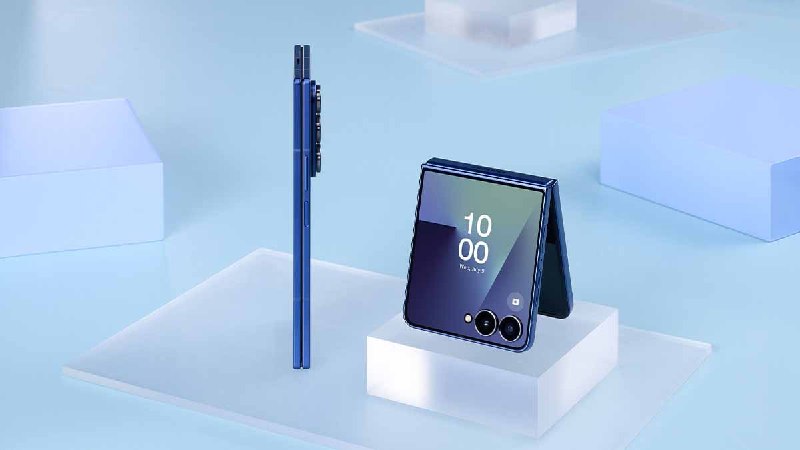
Samsung Galaxy Z Flip 8 Confirmed with Snapdragon 8 Elite Gen 5 for US Markets The Federal Communications Commission (FCC) certification process has officially validated several key specifications for Samsung's upcoming Galaxy Z Flip 8, including the revelation that the device will be powered by Qualcomm's latest Snapdragon 8 Elite Gen 5 processor in the United States. This confirmation aligns with earlier claims from industry tipsters, while also suggesting a regional processor strategy that could see other markets receive a variant equipped with Samsung's own Exynos 2600 chipset. FCC Certification Provides Official Validation The FCC certification represents a crucial milestone in the product development lifecycle, confirming that the Galaxy Z Flip 8 has passed necessary regulatory requirements for wireless communication standards. This certification not only validates the device's existence but also provides official confirmation of several technical specifications that had been circulating in leaks and rumors. The documentation submitted to the FCC, model number SM-F946U, clearly indicates support for 5G connectivity across multiple bands, Wi-Fi 6E, and Bluetooth 5.3. The certification process typically occurs in the final stages of product development, suggesting that Samsung is on track to announce the Galaxy Z Flip 8 in the coming months, likely alongside the Galaxy Z Fold 8 and Fold 8 Ultra models. Processor Strategy: Regional Variations Confirmed One of the most significant revelations from the FCC documentation is the confirmation that the North American variant of the Galaxy Z Flip 8 will utilize Qualcomm's Snapdragon 8 Elite Gen 5 processor. This flagship chipset represents Qualcomm's latest advancement in mobile processing power, featuring an advanced architecture designed to deliver exceptional performance for AI applications, gaming, and multitasking. However, the certification also hints at a regional processor strategy that has become increasingly common for Samsung. While the US market will receive the Snapdragon-powered variant, other international markets are expected to be equipped with Samsung's Exynos 2600 processor. This dual-chip approach allows Samsung to optimize costs and supply chain logistics while maintaining performance standards across different regions. Galaxy Z Flip 8 Processor Specifications Region Processor United States Snapdragon 8 Elite Gen 5 International Markets Exynos 2600 Snapdragon 8 Elite Gen 5: Flagship Performance The Snapdragon 8 Elite Gen 5 represents Qualcomm's latest flagship processor, built on an advanced 3nm manufacturing process. This chipset is expected to deliver significant improvements in both CPU and GPU performance compared to its predecessor, with enhanced AI capabilities through the integrated Hexagon NPU. The processor is also designed to be more power-efficient, which could translate to improved battery life in the Galaxy Z Flip 8 despite the inherent power demands of the foldable form factor. Exynos 2600: Samsung's Alternative Flagship The Exynos 2600, which will likely power the international variants of the Galaxy Z Flip 8, represents Samsung's latest in-house processor development. While specific details about this chipset remain limited, it is expected to offer comparable performance to the Snapdragon 8 Elite Gen 5, potentially with optimizations specifically tailored to Samsung's software ecosystem and camera systems. This regional approach has become a strategic balancing act for Samsung, allowing it to leverage both Qualcomm's technological leadership and its own semiconductor development capabilities. Historical Context: Samsung's Processor Strategy Evolution Samsung's approach to regional processor variants is not new but has evolved significantly over recent years. The company has traditionally utilized Snapdragon processors in North American markets while offering Exynos variants in other regions. However, the performance gap between these variants has sometimes been a point of contention among consumers, particularly when Snapdragon-powered devices demonstrated superior performance or efficiency. With the Galaxy Z Flip 8, Samsung appears to be making a concerted effort to ensure that both variants deliver comparable user experiences. The Exynos 2600 is expected to be a formidable competitor to the Snapdragon 8 Elite Gen 5, potentially narrowing the performance differential that has been observed in previous generations. Galaxy Z Flip Generation US Processor International Processor Z Flip 5 Snapdragon 8 Gen 2 for Galaxy Exynos 2400 Z Flip 4 Snapdragon 8+ Gen 1 Exynos 2200 Z Flip 3 Snapdragon 888 Exynos 2100 Expected Features and Improvements While the FCC certification primarily focuses on connectivity and regulatory compliance, it provides only a glimpse of the Galaxy Z Flip 8's expected feature set. Based on Samsung's product development patterns and industry leaks, the device is anticipated to introduce several improvements over its predecessor. Display and Form Factor The Galaxy Z Flip series has been defined by its innovative foldable design, and the Z Flip 8 is expected to refine this concept further. Rumors suggest a slightly larger cover display, potentially measuring around 4 inches, while the main internal display could maintain the 6.7-inch form factor with improved brightness and durability. The hinge mechanism is also expected to receive enhancements, offering smoother operation and improved dust resistance. Camera System Samsung's camera technology has been a standout feature in its flagship devices, and the Galaxy Z Flip 8 is anticipated to continue this trend. While specific camera specifications remain unconfirmed, leaks suggest that the device may feature an improved main camera sensor with enhanced low-light capabilities, alongside a refined ultrawide lens. The integration of Qualcomm's latest Snapdragon 8 Elite Gen 5 or Samsung's Exynos 2600 is expected to provide significant computational photography improvements. Battery and Charging Battery life has historically been a challenge for foldable devices due to their power-hungry displays and compact form factors. The Galaxy Z Flip 8 is expected to feature a modest increase in battery capacity compared to its predecessor, potentially around 3,700-3,900mAh. Fast charging capabilities are also anticipated to improve, with rumors suggesting support for 25W wired charging and potentially enhanced wireless charging speeds. Market Positioning and Competition The Galaxy Z Flip 8 will enter a competitive market segment dominated by foldable devices. Samsung has maintained a strong position in the premium foldable market, but faces increasing competition from Chinese manufacturers such as Huawei, Xiaomi, and Oppo, who have introduced innovative foldable designs at various price points. The device's success will likely depend on Samsung's ability to deliver meaningful improvements in key areas such as battery life, durability, and software optimization—areas where previous foldable devices have faced challenges. The confirmation of the Snapdragon 8 Elite Gen 5 for the US market suggests that Samsung is targeting performance-conscious consumers who demand flagship-level capabilities in a compact, foldable form factor. Conclusion The FCC certification of the Galaxy Z Flip 8 provides official confirmation of several key specifications, most notably the regional processor strategy that will see the device equipped with either the Snapdragon 8 Elite Gen 5 in the US or the Exynos 2600 in other markets. This approach reflects Samsung's continued balancing act between leveraging Qualcomm's technological leadership and promoting its own semiconductor development. As Samsung prepares for the official launch of the Galaxy Z Flip 8, the FCC certification marks a significant step in the product's journey to market. While many questions remain about the device's full feature set, the confirmation of these processor specifications provides valuable insight into Samsung's strategy for its next-generation foldable smartphone. Consumers can anticipate a refined version of the familiar flip phone design with enhanced performance, improved durability, and potentially innovative new features that build upon the foundation established by previous generations.

iPhone 20 Pro: Celebrating Two Decades of Innovation with Revolutionary Changes As Apple approaches the 20th anniversary of the original iPhone launch, industry insiders and tech enthusiasts alike are buzzing with anticipation about what the tech giant has planned for its next flagship device. The iPhone 20 Pro, expected to debut in 2027, is rumored to represent the most significant redesign and feature overhaul in the product's history, marking a true milestone in smartphone evolution. A Journey Through Time: The iPhone Legacy When Steve Jobs first unveiled the iPhone in 2007, it revolutionized the mobile industry by combining a phone, iPod, and internet communication device into one sleek package. Over the past two decades, the iPhone has undergone numerous transformations, each pushing the boundaries of what consumers expect from their smartphones. Previous anniversary models have typically featured incremental improvements rather than radical redesigns. The iPhone 3G celebrated the second anniversary with App Store integration, while the iPhone 6 marked the tenth anniversary with larger displays. However, sources suggest that Apple plans to go all-out for the 20th anniversary edition, making it a true "reimagining" of the product that defined modern smartphones. Anticipated Features and Revolutionary Changes While Apple maintains its typical secrecy, several industry analysts and supply chain sources have provided insights into what might make the iPhone 20 Pro a groundbreaking device: Design and Display The iPhone 20 Pro is expected to feature a completely redesigned form factor, moving beyond the current flat-edge design that has been in place since the iPhone 12. Rumors suggest: A new "curved infinity" display that wraps around the edges without compromising durability Under-display Face ID technology, finally eliminating the notch completely A titanium alloy frame that's both lighter and more durable than current models A refined camera array with a revolutionary periscope zoom system Performance and Processing Under the hood, the iPhone 20 Pro is expected to introduce several significant advancements: The A30 chip, potentially featuring 3nm manufacturing technology for unprecedented efficiency Neural Engine capabilities that could enable on-device AI processing that rivals current cloud-based solutions Unified memory architecture for significantly improved multitasking and application performance New thermal management system to handle increased processing demands Camera System Evolution Apple's camera systems have consistently set industry standards, and the 20th anniversary model is expected to push boundaries further: 48-megapixel main sensor with revolutionary computational photography capabilities Periscope zoom technology enabling up to 10x optical zoom Advanced LiDAR scanner for improved augmented reality experiences New image signal processor dedicated entirely to computational photography Connectivity and Charging The iPhone 20 Pro may introduce several connectivity innovations: Wi-Fi 7 support for dramatically improved wireless speeds Satellite connectivity for emergency messaging in areas without cellular coverage Advanced reverse wireless charging capabilities USB-C with Thunderbolt compatibility for unprecedented data transfer speeds Comparing Generations: iPhone 20 Pro vs Current Flagship The following table provides a speculative comparison between the anticipated iPhone 20 Pro specifications and the current iPhone 15 Pro: Feature iPhone 15 Pro iPhone 20 Pro (Rumored) Display 6.1-inch OLED, 120Hz ProMotion 6.1-inch "Curved Infinity" OLED, 120Hz ProMotion Processor A17 Pro (3nm) A30 (3nm enhanced) Camera System 48MP main, 12MP ultrawide, 12MP telephoto 48MP main with advanced computational, 12MP ultrawide, periscope telephoto Biometrics Face ID with Dynamic Island Under-display Face ID Connectivity Wi-Fi 6E, 5G, Bluetooth 5.3 Wi-Fi 7, 5G Advanced, Bluetooth 6.0, Satellite Charging USB-C, 27W wired, 15W wireless USB-C with Thunderbolt, 30W wired, 20W wireless The Significance of the 20th Anniversary For Apple, the 20th anniversary of the iPhone represents more than just a milestone—it's an opportunity to reaffirm its position as an industry innovator while looking toward the future of personal technology. Previous anniversary models have often set the tone for Apple's design philosophy for years to come. "Apple has a history of using milestone releases to introduce fundamental changes to their product lines," noted tech analyst Sarah Chen. "The iPhone 20 Pro is likely to establish the template for smartphones for the next decade, not just the next couple of years." Market Impact and Consumer Expectations The smartphone market has become increasingly saturated, with consumers holding onto devices longer due to fewer revolutionary changes between generations. The iPhone 20 Pro, with its anticipated groundbreaking features, could potentially reverse this trend and stimulate significant upgrade cycles. "Apple needs to demonstrate that innovation is still alive and well in the smartphone space," commented industry analyst Michael Roberts. "The 20th anniversary iPhone is their chance to prove that they can still surprise and delight consumers in an era of incremental improvements." Pricing and Availability Given the significant technological advancements, the iPhone 20 Pro is expected to command a premium price point. Industry analysts speculate a starting price of $1,399 for the base model, with higher storage configurations reaching $1,599 or more. The device is anticipated to be released in September 2027, coinciding with Apple's traditional fall product launch event. Pre-orders would likely begin shortly after the announcement, with availability expanding to global markets in the following weeks. Expert Analysis Industry experts have weighed in on what makes the iPhone 20 Pro particularly significant: "What we're hearing suggests that Apple isn't just upgrading components; they're rethinking what a smartphone can be," said Lisa Wang, lead designer at a major Apple accessory manufacturer. "The integration of AI, advanced materials, and new form factors could create a device that feels like a true leap forward rather than an evolution." Financial analysts also note that the iPhone 20 Pro could have significant implications for Apple's stock performance and market valuation. "Historically, milestone iPhone releases have been associated with strong sales and increased investor confidence," noted financial analyst James Peterson. "If the 20th anniversary model delivers on its rumored innovations, we could see a notable impact on Apple's financial performance." Looking Ahead: The Future of Personal Technology The iPhone 20 Pro may represent more than just a new smartphone—it could signal Apple's vision for the future of personal technology. With increased focus on AI integration, advanced materials, and revolutionary form factors, the device may establish new standards that competitors will strive to match for years to come. "As we approach the 20th anniversary of the iPhone, it's worth considering how much personal technology has evolved since 2007," tech historian Dr. Robert Martinez observed. "The iPhone 20 Pro may not just celebrate that evolution—it may define its next chapter." Conclusion As the anticipation builds for the iPhone 20 Pro, one thing is clear: this device represents a pivotal moment for Apple and the smartphone industry as a whole. Whether it delivers on its rumored revolutionary features remains to be seen, but the very fact that such speculation surrounds the device underscores the iPhone's enduring significance in our technological landscape. For consumers, tech enthusiasts, and industry professionals alike, the iPhone 20 Pro promises to be more than just another smartphone—it may very well be the device that defines what smartphones become in the next decade, just as the original iPhone defined them for the past two.

Samsung's Next Generation Foldables: Release Dates and Expected Features Revealed After months of speculation and anticipation, key dates for Samsung's upcoming foldable smartphone lineup have emerged, signaling that the wait for the tech giant's next-generation foldable devices is finally coming to an end. Industry insiders and reliable sources have confirmed that Samsung is preparing to launch at least two new foldable devices in the coming months, representing significant advancements over their predecessors. A Brief History of Samsung's Foldable Journey Samsung pioneered the modern foldable smartphone market with the original Galaxy Fold in 2019. Since then, the company has refined its approach with subsequent models including the Galaxy Z Fold2, Galaxy Z Fold3, and Galaxy Z Fold4, as well as the flip-style Galaxy Z Flip, Z Flip5G, Z Flip3, and Z Flip4. Each iteration has brought improvements in durability, display technology, and user experience, establishing Samsung as the market leader in the foldable space. The company has consistently faced challenges with foldable devices, including display durability concerns, high price points, and the need for specialized software optimization. However, Samsung has addressed many of these issues through hardware refinements and software updates, making foldables increasingly viable for mainstream consumers. Upcoming Release Timeline According to sources familiar with Samsung's plans, the company is targeting the following key dates for its upcoming foldable releases: August 10, 2023: Samsung's Unpacked event where the new foldables will be officially announced August 11, 2023: Pre-orders for the new devices begin August 25, 2023: General availability of the new foldables in select markets September 2023: Wider global rollout This timeline follows Samsung's traditional release pattern for its flagship devices, with the Unpacked event typically held in August to allow for availability before the year-end holiday shopping season. Expected Device Lineup Samsung is expected to launch two main foldable devices this year: Galaxy Z Fold5: The next-generation foldable tablet-style smartphone Galaxy Z Flip5: The clamshell-style foldable with significant upgrades Additionally, rumors suggest Samsung might introduce a Galaxy Z Fold5 FE (Fan Edition) later in the year as a more affordable option, continuing a strategy the company has employed with its flagship S-series smartphones. Key Features and Specifications Based on leaks, industry analyst reports, and Samsung's patent filings, the upcoming foldables are expected to feature several significant improvements: Galaxy Z Fold5 Expected Features: Improved Hinge Mechanism: A new "hidden hinge" design that allows for completely flat folding when closed, addressing a common complaint about previous models Thinner and Lighter Design: Despite the larger battery, the device is expected to be approximately 10% thinner than the Z Fold4 Display Enhancements: Brighter main display (up to 1,800 nits) and improved durability with the latest Ultra Thin Glass (UTG) Camera System: Upgraded main camera with a higher-resolution sensor and improved low-light performance Processor: Qualcomm's latest Snapdragon 8 Gen 2 for Galaxy chipset Software: One UI 6.0 with enhanced multitasking features optimized for the foldable form factor Galaxy Z Flip5 Expected Features: Significantly Larger Cover Display: A 3.4-inch cover screen compared to 1.9 inches in the Z Flip4, enabling more functionality without unfolding the device Improved Hinge: The same hidden hinge technology as the Z Fold5, allowing for completely flat folding Enhanced Camera: Upgraded front and rear cameras with improved computational photography Battery Life: Larger battery capacity while maintaining the same compact form factor New Color Options: Including exclusive new finishes and materials Comparison: Previous Foldable Generations Model Release Date Display Size (Main/Cover) Processor Key Innovation Galaxy Z Fold4 August 2022 7.6" / 6.2" Snapdragon 8+ Gen 1 Improved S Pen integration Galaxy Z Flip4 August 2022 6.7" / 1.9" Snapdragon 8+ Gen 1 Enhanced cover screen functionality Galaxy Z Fold5 (Expected) August 2023 7.6" / 6.2" Snapdragon 8 Gen 2 Hidden hinge design Galaxy Z Flip5 (Expected) August 2023 6.7" / 3.4" Snapdragon 8 Gen 2 Larger cover display Market Context and Competition Samsung continues to dominate the foldable smartphone market, accounting for approximately 80% of global foldable shipments. However, competition is intensifying with several key players entering the space: Google: The Pixel Fold has established a premium position with excellent software integration Motorola: The Razr+ has gained attention for its large external display OPPO: The Find N2 series has received praise for its innovative hinge design and form factor Huawei: Continues to innovate in its home market and select international markets Despite this competition, Samsung's ecosystem integration, brand recognition, and distribution network provide significant advantages. The company's investment in foldable-specific software features and accessories further strengthens its market position. Industry Expert Analysis "Samsung's focus on refining the hinge technology represents a significant step forward for foldable devices," noted tech analyst Sarah Chen. "The ability to fold completely flat addresses both aesthetic concerns and practical issues with previous generations. This, combined with the larger cover display on the Flip model, demonstrates Samsung's commitment to making foldables more practical for daily use." Market research firm Counterpoint predicts that foldable smartphones will account for 3% of the global premium smartphone market by the end of 2023, up from 1.5% in 2022. Samsung's new models are expected to drive this growth, particularly as the company continues to refine its production processes, potentially leading to lower price points in future iterations. Pricing Strategy and Market Positioning Samsung is expected to maintain premium pricing for its new foldables, with the Z Fold5 likely starting at $1,799 and the Z Flip5 at $999. While these prices place the devices in the premium segment, Samsung has gradually improved the value proposition through enhanced durability, better software optimization, and more practical features. The company may also expand its financing options and trade-in programs to make foldables more accessible to a broader audience. Additionally, the rumored Z Fold5 FE could serve as a more affordable entry point into the foldable market, potentially priced around $1,399. Software and Ecosystem Integration A key differentiator for Samsung's foldables has been its software optimization. The upcoming models are expected to feature One UI 6.0, which includes enhanced multitasking capabilities, improved app continuity between folded and unfolded states, and new features specifically designed for the foldable form factor. Samsung is also expected to strengthen its integration with the Galaxy ecosystem, including seamless connectivity with Galaxy Watch, Buds, and Tab devices. The company may introduce new foldable-specific features in its Health, Notes, and productivity apps to further enhance the user experience. Conclusion: The Future of Foldables As Samsung prepares to launch its next-generation foldable devices, the company appears to be addressing the key criticisms of previous generations while introducing meaningful innovations. The focus on hinge technology, display improvements, and software optimization suggests that foldables are moving from novelty items to practical, everyday devices. With the key dates now confirmed, consumers and industry observers alike will be watching closely to see how Samsung's latest offerings compare to the competition and whether they can drive wider adoption of foldable technology. As the market continues to evolve, Samsung's ability to balance innovation with practicality will determine its continued leadership in this exciting segment of the smartphone market. The upcoming Unpacked event on August 10 is shaping up to be a pivotal moment not just for Samsung, but for the entire foldable smartphone category, potentially setting the direction for the next several years of mobile device innovation.

Amazon Revolutionizes Indian E-commerce with Ultra-Fast Delivery Expansion to 300 Cities In a significant move that underscores its commitment to the Indian market, Amazon has announced the expansion of its ultra-fast delivery service to 300 cities across India. This strategic enhancement positions the global e-commerce giant to capture a larger share of the rapidly growing Indian digital marketplace while setting new standards for delivery speed and customer experience. Background: Amazon's Indian Journey Amazon entered the Indian market in 2013 and has since invested billions of dollars to build a robust e-commerce ecosystem. The company has gradually expanded its footprint from initial operations in a few major metropolitan areas to now covering the length and breadth of the country. This latest delivery expansion represents one of the most ambitious logistics undertakings in the company's Indian operations. "Our vision for India has always been to empower small businesses and transform the way customers shop online," said an Amazon spokesperson in a recent statement. "Expanding ultra-fast delivery to 300 cities is a critical step in making that vision a reality." Understanding Ultra-Fast Delivery Amazon's ultra-fast delivery service in India primarily offers two tiers of expedited shipping: Same-day delivery : Products ordered before a specified cutoff time are delivered within the same day One-day delivery : Products are delivered within 24 hours of placing the order This service is available to Amazon Prime members at no additional cost, reinforcing the value proposition of the subscription program in the Indian market. Technology Enabling Ultra-Fast Delivery Achieving this scale of fast delivery requires a sophisticated technological infrastructure: Technological Component Functionality Advanced Inventory Management AI-powered demand forecasting and inventory placement Route Optimization Machine learning algorithms for efficient delivery routes Real-time Tracking GPS-enabled monitoring of packages and delivery personnel Predive Analytics Predicting delivery windows based on historical data Market Context: The Indian E-commerce Landscape India's e-commerce market has experienced exponential growth, projected to reach $200 billion by 2026. With over 700 million internet users and increasing smartphone penetration, the country presents enormous opportunities for digital commerce players. The Indian consumer has grown increasingly sophisticated, expecting faster delivery times and better service quality. This expansion directly addresses these evolving consumer expectations while creating competitive differentiation in a market where price sensitivity remains high. Competitive Landscape Amazon's expansion comes amid intense competition from domestic players, most notably Walmart-owned Flipkart and Reliance Industries' JioMart. The fast delivery capability has become a key battleground in the Indian e-commerce space. E-commerce Player Delivery Coverage Key Differentiator Amazon 300+ cities with ultra-fast delivery Extensive product catalog, technology infrastructure Flipkart 500+ cities Strong in electronics, innovative discounting JioMart Focus on tier 2-3 cities Integration with Reliance ecosystem, hyperlocal focus Meesho Strong in social commerce Reseller network, low-price focus Impact on Indian Consumers The expansion of ultra-fast delivery brings several significant benefits to Indian consumers: Enhanced Convenience : The ability to receive products within hours of ordering transforms the online shopping experience Improved Planning : For urgent needs, same-day delivery eliminates the wait associated with traditional e-commerce Broader Selection : Faster delivery enables more impulse buying, expanding the range of products consumers purchase online Competitive Pricing : As players compete on delivery speed, consumers may benefit from better overall value propositions However, challenges remain, including: Higher delivery costs in remote areas Environmental concerns associated with increased delivery traffic Pressure on delivery personnel to meet speed targets Impact on the Indian Logistics Sector Amazon's expansion is creating ripple effects across India's logistics and delivery ecosystem: Job Creation : The company is hiring thousands of delivery personnel and support staff to manage the expanded network Technology Adoption : Competitors are accelerating their investments in delivery technology and infrastructure Small Business Integration : Local sellers and businesses are being integrated into the fast-delivery ecosystem, improving their competitiveness Last-mile Innovation : New delivery models, including micro-fulfillment centers and automated lockers, are being deployed Future Outlook The expansion of ultra-fast delivery to 300 cities signals Amazon's long-term commitment to the Indian market. Industry analysts predict that this move will: Accelerate the shift from traditional retail to e-commerce Drive further consolidation in the logistics sector Encourage more international brands to enter the Indian market through Amazon's platform Pave the way for even faster delivery innovations, potentially including drone delivery in the future "This is just the beginning," said an industry expert. "As Amazon continues to invest in its Indian operations, we can expect to see even more ambitious delivery targets and innovative solutions tailored to the unique Indian market." Conclusion Amazon's expansion of ultra-fast delivery to 300 Indian cities represents a transformative moment for the country's e-commerce landscape. By setting new standards for delivery speed and customer experience, the company is not only strengthening its competitive position but also accelerating the digital transformation of retail in India. As consumers become increasingly accustomed to rapid delivery times, the entire industry will need to adapt, ultimately benefiting Indian consumers through improved service, greater selection, and enhanced convenience. This strategic move underscores Amazon's recognition of India's potential as a global e-commerce powerhouse and its commitment to being a long-term partner in India's digital journey.

iPhone Ultra 2 Approved, But iPhone Air 3 Development Halted, According to Industry Leaker In a recent revelation that has sent ripples through the technology community, a well-connected industry insider has disclosed that Apple has given the green light for development of the iPhone Ultra 2, while simultaneously putting the iPhone Air 3 on indefinite hold. This potential strategic shift in Apple's smartphone lineup could have significant implications for the company's product positioning and market approach. Understanding the Current iPhone Landscape Apple's current iPhone lineup consists of four main tiers: the standard iPhone, the iPhone Plus (with larger displays), the iPhone Pro, and the iPhone Pro Max. The introduction of the "Ultra" branding, which debuted with the Apple Watch Ultra, represents Apple's push into premium territory with enhanced features and capabilities. The iPhone Ultra concept, while not officially confirmed by Apple, has been widely anticipated by industry analysts. If realized, it would likely represent the absolute pinnacle of Apple's smartphone technology, targeting the most demanding users who require maximum performance and cutting-edge features. The iPhone Ultra 2: What to Expect According to the leaker, whose past predictions have often aligned with Apple's actual product releases, the iPhone Ultra 2 is already in active development. This suggests that Apple is committed to establishing a premium "Ultra" tier in its smartphone lineup, similar to how it has positioned the Apple Watch Ultra. Based on industry trends and Apple's historical product evolution, the iPhone Ultra 2 would likely feature: Advanced camera systems with enhanced computational photography capabilities Larger, higher-resolution displays with improved brightness and refresh rates More powerful processors with dedicated AI acceleration Enhanced durability with improved materials and design Longer battery life with more efficient power management Exclusive features not available in other iPhone models The iPhone Air 3: A Strategic Pause? More intriguing is the reported halt in development for the iPhone Air 3. The iPhone Air concept, which would theoretically sit between the standard iPhone and the Pro models, has been a topic of speculation for several years. A thinner, lighter, and more affordable premium option could potentially appeal to a different segment of the market than Apple currently serves. The decision to pause development could indicate several strategic considerations: Market saturation in the mid-premium segment Need to focus resources on more profitable Ultra and Pro models Reassessment of consumer demand for a mid-range premium option Supply chain constraints affecting production capabilities Strategic realignment of the entire iPhone lineup Apple's Product Strategy Evolution This potential shift in Apple's iPhone lineup strategy reflects a broader trend in the company's product development philosophy. In recent years, Apple has been increasingly focusing on differentiation between its product tiers, with each offering having a distinct value proposition. The table below illustrates how Apple's iPhone lineup might evolve based on this leak: Product Line Current Status Positioning Target Audience iPhone Standard Active Mainstream offering General consumers iPhone Plus Active Large screen option Media consumers iPhone Pro Active Professional features Power users iPhone Pro Max Active Maximum size and features Professional power users iPhone Air Development Halted Premium mid-range Uncertain iPhone Ultra Development Approved Ultimate premium High-end professionals Market Implications and Competitive Landscape Apple's strategic focus on the Ultra tier, while potentially shelving the Air concept, could be a response to shifting market dynamics. The premium smartphone market has become increasingly competitive, with Samsung's Galaxy S Ultra series establishing a strong presence in the ultra-premium segment. By developing an iPhone Ultra, Apple would be directly targeting the most lucrative segment of the smartphone market, where consumers are willing to pay premium prices for cutting-edge technology. This move would allow Apple to maximize profit margins while maintaining its brand prestige. The potential shelving of the iPhone Air 3 suggests that Apple may be reassessing its approach to the mid-premium segment. With the standard iPhone offering increasingly sophisticated features, the distinction between a standard iPhone and a potential Air model might have become less clear, potentially diluting the value proposition. Consumer Impact and Future Outlook For consumers, this potential shift in Apple's product strategy could mean more distinct choices between iPhone models. The Ultra tier would offer the absolute best technology Apple has to provide, while the standard and Pro lines would cater to different segments of the market. The table below compares potential features across different iPhone tiers based on current industry expectations: Feature Category Standard iPhone iPhone Pro iPhone Ultra (Projected) Display High-quality LCD/OLED ProMotion OLED (120Hz) Advanced ProMotion OLED (120Hz+) Camera System Dual-camera setup Triple-camera system with telephoto Quad-camera with advanced computational photography Processor A-series chip A-series chip with enhanced GPU A-series chip with dedicated AI engine Build Materials Aluminum frame Stainless steel frame Titanium frame with enhanced durability Special Features Standard iOS features Pro-specific features Ultra-exclusive features (satellite connectivity, advanced AI) Industry Expert Analysis Industry analysts have offered various interpretations of this potential strategic shift. "Apple's apparent focus on the Ultra tier suggests they're targeting the high end of the market where margins are highest," commented one technology strategist. "The pause on the Air development might indicate that they're refining their mid-range strategy or focusing resources where they see the most potential." Others suggest that this could be a temporary pause rather than a permanent cancellation. "Apple often tests market reactions to potential product concepts before committing full resources," noted a supply chain analyst. "The iPhone Air might still be in Apple's long-term roadmap, but they're waiting for the right market conditions to proceed." Conclusion: A Strategic Realignment The reported approval of the iPhone Ultra 2 alongside the pause in iPhone Air 3 development suggests a potential strategic realignment for Apple's smartphone lineup. This approach would create a clearer distinction between Apple's product tiers, with each serving a specific market segment with distinct value propositions. For consumers, this could mean more clearly defined choices when selecting an iPhone, with the Ultra representing the absolute pinnacle of smartphone technology. The potential shelving of the Air concept might simplify Apple's lineup while allowing them to focus resources on their most profitable segments. As with any industry leak, these claims should be approached with some caution until confirmed by Apple. However, given the leaker's track record, these insights provide valuable perspective on the potential direction of Apple's smartphone strategy in the coming years. The technology community will be watching closely for further developments, particularly at Apple's upcoming product launches where hints about future iPhone models might emerge.

Red Magic Gaming Tablet 5 Pro: Unleashing 184 FPS Performance in CrossFire Red Magic Gaming Tablet 5 Pro: Unleashing 184 FPS Performance in CrossFire The gaming world is buzzing with anticipation as Red Magic prepares to launch its latest powerhouse, the Gaming Tablet 5 Pro, which has already demonstrated an astonishing 184 FPS performance in the popular online FPS game CrossFire. With the official launch scheduled for June 30, this device is poised to set new benchmarks in mobile gaming performance. Red Magic: A Legacy of Gaming Excellence As a subsidiary of Nubia, Red Magic has established itself as a formidable player in the gaming smartphone and tablet market. Known for pushing performance boundaries while incorporating innovative cooling solutions and gamer-centric features, Red Magic devices have garnered a loyal following among mobile gaming enthusiasts worldwide. Performance That Defies Expectations The Gaming Tablet 5 Pro's recent performance showcase in CrossFire demonstrates its exceptional capabilities. Achieving 184 FPS in a graphically intensive game like CrossFire is unprecedented for a tablet, placing it in elite company among dedicated gaming devices. This performance indicates that the device is equipped with top-tier hardware capable of handling even the most demanding mobile games with ease. Expected Specifications for Red Magic Gaming Tablet 5 Pro Component Specification Processor Qualcomm Snapdragon 8 Gen 2 or newer GPU Adreno 740 or equivalent RAM 16GB LPDDR5X Storage 512GB/1TB UFS 4.0 Display 144-165Hz AMOLED, 1440p resolution Advanced Cooling System for Sustained Performance One of the hallmarks of Red Magic devices is their sophisticated cooling systems. The Gaming Tablet 5 Pro is expected to feature an upgraded version of Red Magic's ICE 2.0 multi-dimensional cooling system, which combines a vapor chamber, graphite sheets, and high-performance fans to maintain optimal temperatures during extended gaming sessions. This ensures that the device can sustain its peak performance without thermal throttling. Designed for Gamers, By Gamers The Gaming Tablet 5 Pro is anticipated to feature a distinctive design language that Red Magic has become known for. This includes customizable RGB lighting elements, programmable shoulder buttons, and a dedicated gaming mode that optimizes performance while enhancing the overall gaming experience. The tablet's ergonomic design is expected to facilitate comfortable extended gaming sessions, whether held in landscape or portrait orientation. Display Technology That Enhances Gameplay With a focus on gaming, the display is expected to be one of the tablet's standout features. Anticipated specifications include a high refresh rate display (144Hz or higher), low response time, and excellent color accuracy. The display is likely to feature HDR support and high brightness levels, ensuring visibility even in challenging lighting conditions. The 184 FPS CrossFire performance suggests that the display can match these high frame rates, providing an ultra-smooth visual experience. Software Optimizations for Competitive Edge Beyond hardware, Red Magic's software ecosystem is designed specifically for gamers. The Gaming Tablet 5 Pro is expected to run a customized version of Android with Red Magic's Game Space interface, which provides performance monitoring, customizable controls, and various gaming-focused features. The device will likely include advanced touch sampling technology for precise input response, giving players a competitive advantage in fast-paced games. Audio and Haptic Feedback for Immersive Experience To complete the gaming experience, the Gaming Tablet 5 Pro is expected to feature enhanced audio capabilities with dual stereo speakers and support for spatial audio. Haptic feedback technology is also anticipated to provide tactile responses that enhance immersion in games, particularly those that support haptic effects. Battery Life and Charging Solutions Despite its power-hungry components, the Gaming Tablet 5 Pro is expected to include a substantial battery capacity, likely in the 8000-10000mAh range, to support extended gaming sessions. Fast charging technology will probably be included to minimize downtime between gaming sessions, with Red Magic's proprietary fast charging solution potentially enabling rapid power-ups. Market Position and Competition Comparison with Gaming Tablet Market Leaders Feature Red Magic Tablet 5 Pro Razer Edge Pro ASUS ROG Flow Z13 Peak FPS in CrossFire 184 FPS ~160 FPS ~155 FPS Refresh Rate 144-165Hz 144Hz 120Hz Cooling System ICE 2.0 Multi-dimensional Passive + Active Fan Vapor Chamber Gaming Features Shoulder buttons, RGB lighting Controller compatibility ROG Vision display Pricing and Availability The Red Magic Gaming Tablet 5 Pro is scheduled for official launch on June 30, with pre-orders likely to begin in the days leading up to the release. While exact pricing details haven't been confirmed, Red Magic's previous devices have positioned them as premium but competitive offerings in the gaming tablet market. The device is expected to be available in multiple configurations with varying storage options and potentially different color schemes. The Future of Mobile Gaming The Gaming Tablet 5 Pro represents the cutting edge of mobile gaming technology, pushing boundaries that were previously thought impossible for tablet devices. Its ability to deliver 184 FPS in CrossFire not only showcases its raw power but also indicates the direction mobile gaming is heading—toward console-quality experiences in portable form factors. As mobile games continue to evolve graphically and mechanically, devices like the Red Magic Gaming Tablet 5 Pro will become increasingly important for players who demand the best possible experience without being tethered to traditional gaming setups. The June 30 launch will be a significant moment for mobile gaming enthusiasts and industry observers alike. Conclusion The Red Magic Gaming Tablet 5 Pro's demonstration of 184 FPS in CrossFire is more than just a marketing stunt—it's a clear indication of the technological advancements that are becoming possible in mobile gaming hardware. With its expected high-end specifications, advanced cooling system, and gamer-focused design, the tablet appears ready to compete at the highest level of mobile gaming performance. As the gaming world eagerly awaits the official launch on June 30, one thing is certain: the Red Magic Gaming Tablet 5 Pro is poised to make a significant impact on the mobile gaming landscape, offering unprecedented performance and features that will appeal to both casual gamers and competitive esports players alike.
Amazon Expands Ultra-Fast Delivery Network to 300 Cities Across India In a significant move to strengthen its e-commerce dominance in the world's second-largest internet market, Amazon has announced the expansion of its ultra-fast delivery service to 300 cities across India. This strategic initiative underscores the company's commitment to enhancing customer experience and outpacing competitors in one of the world's fastest-growing digital economies. Background: Amazon's Indian Journey Amazon entered the Indian market in 2013 and has since invested billions of dollars to build its presence. The company has faced intense competition from local players like Flipkart (now owned by Walmart) and Reliance JioMart. With over 150 million monthly active users, India represents a crucial market for Amazon's global growth strategy. Previous delivery initiatives by Amazon in India have included: Amazon Prime subscription service with faster delivery options Amazon Now for instant delivery of daily essentials Amazon Pantry for grocery delivery Ultra-Fast Delivery: What It Entails Amazon's ultra-fast delivery service promises delivery within hours rather than days. In many urban areas, the company now offers: Same-day delivery for eligible products 2-hour delivery for Prime members in select locations 30-minute delivery for specific categories in major metropolitan areas Key Features of the Expanded Service The expanded ultra-fast delivery network will bring Amazon's rapid delivery capabilities to smaller tier-2 and tier-3 cities, moving beyond the traditional metropolitan areas. This expansion is supported by: Increased number of fulfillment centers across India Enhanced last-mile delivery partnerships Advanced inventory placement algorithms Optimized route planning for delivery personnel Technology and Infrastructure Behind the Expansion Amazon's ability to deliver ultra-fast services in 300 cities is underpinned by significant technological and infrastructure investments: Infrastructure Component Investment Details Impact on Delivery Speed Fulfillment Centers 60+ operational centers across India Reduced distance from inventory to customers Delivery Stations 150+ delivery stations Faster last-mile processing Amazon Air Network Multiple air cargo hubs Expedited long-distance shipping Delivery Partner Network Thousands of delivery partners Increased coverage and capacity AI and Machine Learning Integration Amazon leverages advanced AI and machine learning to optimize its delivery network: Predictive demand forecasting to position inventory closer to customers Dynamic routing algorithms for delivery personnel Automated warehouse management systems Real-time inventory tracking across all fulfillment centers Competitive Landscape in India The expansion of ultra-fast delivery comes amid intense competition in India's e-commerce market: Competitor Delivery Network Key Differentiator Flipkart (Walmart) 200+ cities Strong focus on electronics and fashion Reliance JioMart 100+ cities Grocery focus with extensive retail network Meesho 500+ cities Social commerce model Amazon 300+ cities (with ultra-fast) Comprehensive product catalog, global expertise Impact on Consumers and Businesses Consumer Benefits Reduced delivery times from days to hours Improved convenience for urgent purchases Enhanced Prime membership value proposition Better shopping experience overall Business Impact Increased sales conversion rates Higher customer retention Competitive advantage over slower competitors Ability to serve time-sensitive customer needs Challenges and Considerations Despite the ambitious expansion, Amazon faces several challenges in India: Logistical complexities in diverse terrain and infrastructure conditions Regulatory compliance across different states Managing operational costs while maintaining competitive pricing Addressing sustainability concerns in packaging and delivery Competition from local players with deeper market understanding Future Outlook The expansion of ultra-fast delivery to 300 cities positions Amazon for continued growth in India. Industry analysts predict: Further expansion to smaller towns and rural areas Integration of more automation in fulfillment centers Development of specialized delivery solutions for different product categories Potential partnerships with local delivery services for deeper penetration Conclusion Amazon's expansion of ultra-fast delivery to 300 Indian cities represents a significant milestone in the company's Indian operations. By reducing delivery times and improving customer convenience, Amazon aims to solidify its position as the leading e-commerce platform in India. This move not only enhances the shopping experience for millions of Indian consumers but also sets new standards for the industry, potentially forcing competitors to accelerate their own delivery innovations. As India's digital economy continues to grow, the ability to deliver products quickly and reliably will become increasingly important. Amazon's substantial investment in logistics and technology demonstrates its long-term commitment to the Indian market and its confidence in the country's e-commerce potential.

Amazon Prime Day 2023: Unprecedented Discounts Across All Apple Watch Models Amazon's annual Prime Day shopping event has arrived with exceptional deals on Apple's popular wearable lineup, marking one of the most significant sales events for Apple Watch devices this year. The tech giant's annual shopping extravaganza is offering substantial discounts across every model in the Apple Watch family, presenting an opportune moment for consumers looking to upgrade their wearable technology. Prime Day Overview and Significance Prime Day, Amazon's 48-hour shopping event exclusively for Prime members, has evolved into one of the most anticipated retail events of the year. What began in 2015 as a celebration of Amazon's 20th anniversary has transformed into a global phenomenon with billions in sales across millions of products. This year's event, running from July 11-12, 2023, features deals from numerous brands, with Apple products taking center stage among tech offerings. The inclusion of Apple Watch models in Prime Day deals is particularly noteworthy given Apple's historically limited participation in third-party sales events. The breadth of discounts across the entire Apple Watch lineup represents a rare opportunity for consumers to own premium wearable technology at reduced prices. Apple Watch Models and Prime Day Discounts Apple's current wearable lineup encompasses several models, each catering to different user needs and budgets. During Prime Day, all major variants are seeing significant price reductions: Apple Watch Model Regular Price Prime Day Price Savings Percentage Discount Apple Watch SE (2nd Gen) $249 $199 $50 20% Apple Watch Series 8 $399 $329 $70 17.5% Apple Watch Ultra $799 $699 $100 12.5% Apple Watch Series 7 $329 $279 $50 15.2% Additional Savings and Bundles Beyond the base discounts, several retailers are offering additional incentives for Prime Day shoppers: Amazon is providing exclusive trade-in values, allowing customers to receive up to $150 off when trading in older smartwatches Best Buy is bundling Apple Watch models with select accessories, including sport bands and charging docks at no additional cost Walmart is offering 0% financing for 24 months on all Apple Watch purchases Target includes a complimentary $50 gift card with the purchase of any Apple Watch Series 8 or Ultra Comparing Prime Day Prices to Other Retail Events When evaluated against other major shopping events, the Prime Day discounts on Apple Watch models represent competitive, though not unprecedented, pricing: Retail Event Apple Watch SE (2nd Gen) Apple Watch Series 8 Apple Watch Ultra Prime Day 2023 $199 $329 $699 Black Friday 2022 $229 $349 $749 Back to School 2022 $249 $399 N/A Amazon Prime Day 2022 $229 $349 N/A These comparisons reveal that while Prime 2023 offers substantial savings, particularly on the Apple Watch SE and Series 8 models, the prices are generally comparable to other major retail events rather than representing all-time lows for these products. Which Model Offers the Best Value? For consumers weighing their options during Prime Day, the value proposition varies depending on individual needs: Apple Watch SE (2nd Generation) : At $199, this entry-level model offers the most significant discount percentage-wise. It provides core health and fitness tracking capabilities, making it ideal for first-time smartwatch users or those on a budget. Apple Watch Series 7 : Despite being an older model, the Series 7 remains a solid choice with its larger display and faster charging. The Prime Day price of $279 represents excellent value for those who don't require the latest features. Apple Watch Series 8 : The current mid-range model offers comprehensive health features including temperature sensing and crash detection. At $329, it provides a balanced combination of modern features and affordability. Apple Watch Ultra : The premium model designed for extreme athletes and outdoor enthusiasts sees a $100 discount to $699. While the absolute savings are highest for this model, the percentage discount is smaller, reflecting its premium positioning. Shopping Tips for Prime Day Apple Watch Purchases To maximize value during Prime Day, consumers should consider the following strategies: Compare retailers : While Amazon is the host of Prime Day, competing retailers like Best Buy, Walmart, and Target are matching many deals, sometimes with additional incentives. Consider refurbished options : Amazon's renewed section offers certified refurbished Apple Watches at even lower prices, with savings up to 40% off regular prices. Timing matters : Prime Day deals often change throughout the event, with some items seeing additional discounts as the event progresses. Check payment options : Many retailers offer special financing during Prime Day, allowing consumers to spread payments over 12-24 months interest-free. Beware of older inventory : Some deals may include older models that have been discontinued, so verify which generation you're purchasing. Conclusion: A Prime Opportunity for Apple Watch Shoppers This year's Prime Day presents a compelling opportunity for consumers interested in purchasing an Apple Watch. While the discounts aren't revolutionary compared to previous retail events, the combination of reduced prices, additional incentives, and the breadth of models available makes this an attractive time to buy. For first-time smartwatch buyers, the Apple Watch SE at $199 represents an accessible entry point into Apple's ecosystem. Those seeking more comprehensive health monitoring might prefer the Series 8 at $329, while outdoor enthusiasts will find the Ultra's $699 price point more approachable than its regular $799 tag. As with any major purchase, consumers should carefully consider their needs and budget before making a decision. However, with Prime Day's combination of discounts and additional incentives, this shopping event certainly ranks among the optimal times to invest in an Apple Watch in 2023.

REDMI K90 Extreme Edition: Setting New Standards in Battery Technology and Fast Charging REDMI K90 Extreme Edition: Revolutionizing Smartphone Power Management In the competitive smartphone market, battery technology and charging speeds have become critical differentiators for manufacturers. Xiaomi's sub-brand REDMI appears to be pushing boundaries once again with the upcoming K90 Extreme Edition, which has been revealed to feature groundbreaking battery technology and charging capabilities that could set new industry standards. Unprecedented Battery Capacity and Technology The REDMI K90 Extreme Edition is equipped with an enormous 8550mAh battery, which represents a significant increase over typical smartphone batteries that typically range from 4000mAh to 5000mAh. This massive capacity is made possible by Xiaomi's proprietary Jinshajiang battery technology, which incorporates advanced materials and engineering to maximize energy density while maintaining physical size constraints. A key innovation in this battery is the incorporation of 16% silicon content. Silicon anodes have been a major focus in battery research as they can store significantly more lithium ions than traditional graphite anodes, potentially offering up to 10 times the energy storage capacity. However, silicon expansion during charging has been a technical challenge. REDMI's implementation suggests they have developed a method to mitigate this issue while still benefiting from silicon's superior energy density. Fast Charging Capabilities Complementing the large battery capacity is the inclusion of 100W wired fast charging technology. This capability would allow the K90 Extreme Edition to charge from empty to full in remarkably short timeframes—potentially under 30 minutes based on Xiaomi's previous implementations of similar charging technologies. This combination of massive battery capacity and ultra-fast charging addresses two of the most common smartphone user pain points: battery anxiety and long charging times. Additionally, the device supports 22.5W reverse wired charging, enabling users to power up other devices, such as earbuds, smartwatches, or even other smartphones, directly from their K90 Extreme Edition. This feature has become increasingly valuable as users accumulate multiple portable electronic devices. Table: REDMI K90 Extreme Edition Battery Specifications Specification Value Industry Comparison Battery Capacity 8550mAh 70-100% larger than flagship competitors Fast Charging 100W Among the fastest in the industry Reverse Charging 22.5W Higher than most reverse charging capabilities Technology Jinshajiang with 16% Silicon Advanced silicon-anode implementation Revolutionary Bypass Charging Technology Perhaps the most innovative feature of the REDMI K90 Extreme Edition is its bypass charging capability. This technology allows the device to power the motherboard directly from the charger without first storing energy in the battery. This approach offers several significant advantages: Extended Battery Lifespan: By reducing charge cycles, bypass charging can potentially double or triple the battery's lifespan over time. Reduced Heat Generation: Powering the device directly minimizes energy loss during charging, resulting in less heat generation. Sustained Performance During High-Usage Tasks: When playing demanding games or using intensive applications while charging, bypass charging ensures consistent performance without thermal throttling. Improved Efficiency: Direct power delivery to components eliminates energy loss from charging and discharging cycles. Market Position and Expected Impact The REDMI K90 Extreme Edition appears to be positioned as a powerhouse device that prioritizes battery performance and charging technology above other features. This strategy aligns with REDMI's historical approach of offering specifications that compete with premium brands at more accessible price points. The inclusion of such advanced battery technology suggests that Xiaomi is making significant investments in power management research and development. If successful, this could pressure other manufacturers to accelerate their own battery technology innovations to remain competitive. Table: Comparison with Current Flagship Battery Technologies Brand/Model Battery Capacity Fast Charging Special Features REDMI K90 Extreme (Upcoming) 8550mAh 100W Bypass charging, Silicon-anode Xiaomi 13 Ultra 5000mAh 90W Dual-cell battery Samsung S23 Ultra 5000mAh 45W AI-optimized charging iPhone 15 Pro Max 4422mAh 27W Adaptive charging Real-World Implications for Users For consumers, the REDMI K90 Extreme Edition's battery technology could transform smartphone usage patterns. The combination of massive capacity and ultra-fast charging would effectively eliminate battery anxiety for most users. The ability to charge from empty to full during a morning routine or meal break would make constant monitoring of battery levels unnecessary. The bypass charging technology would be particularly beneficial for power users, gamers, and professionals who rely on their smartphones throughout the day. These users would benefit from sustained performance during intensive tasks while charging, without the typical heat-induced throttling that occurs in most devices. Additionally, the extended battery lifespan resulting from reduced charge cycles would mean that the device maintains its original battery capacity for a significantly longer period, preserving resale value and reducing environmental impact through longer device lifespans. Conclusion The REDMI K90 Extreme Edition represents a bold step forward in smartphone battery technology. With its massive 8550mAh Jinshajiang battery featuring 16% silicon content, 100W fast charging, 22.5W reverse charging, and innovative bypass charging technology, this device appears poised to set new benchmarks in power management. As smartphone innovation increasingly focuses on sustainable solutions and user experience, REDMI's emphasis on battery technology demonstrates a clear understanding of consumer needs. If the device delivers on these promises, it could not only capture significant market share but also accelerate the entire industry's focus on advancing battery and charging technologies. While official launch details and pricing have not yet been confirmed, the specifications revealed by Xiaomi executive @XiaomiHSU suggest that the K90 Extreme Edition will be a device to watch in the upcoming smartphone release cycle. Power users and those frustrated with current battery limitations will particularly want to keep an eye on this potentially groundbreaking device.

Nothing Phone (4b) Design Leaked: Dual Camera, Flat Frame, and Glyph Lite Surface in Latest Renders In the ever-competitive smartphone market, leaks often provide the first glimpse of what consumers can expect from upcoming devices. The latest information surrounding the highly anticipated Nothing Phone (4b) has emerged, courtesy of reliable tipster @yabhishekhd, with additional sharing by tech enthusiast @techroma. The leaked renders reveal several intriguing design elements that continue Nothing's distinctive approach while introducing new elements to the brand's aesthetic language. Background: Nothing's Design Philosophy Founded by Carl Pei, former co-founder of OnePlus, Nothing has quickly made a name for itself in the tech industry with its minimalist design philosophy and distinctive use of transparent elements and LED lighting. The brand's first Phone (1) introduced the world to the Glyph Interface—a unique lighting system on the back panel that serves both functional and aesthetic purposes. The Phone (2) refined this concept while maintaining the transparent back design that has become a signature of the brand. The "Phone (4b)" designation suggests this might be a mid-range or budget variant positioned below the flagship Phone (4), continuing Nothing's strategy of offering multiple price points to reach a broader audience. Leaked Design Elements: A Closer Look Dual Camera Setup The most significant change revealed in the leaks is the shift to a dual camera configuration on the back of the Phone (4b). This represents a departure from the multi-lens camera systems found in recent flagship smartphones and suggests a more streamlined approach to photography. While the exact specifications of these cameras remain unknown at this time, the dual-camera setup typically includes a primary sensor and an ultra-wide-angle lens, offering versatility for everyday photography without the complexity of additional telephoto or macro lenses. The camera module appears to be integrated cleanly into the flat back panel, maintaining the minimalist aesthetic that Nothing has cultivated. The arrangement of the lenses and any accompanying LED flash or Glyph elements remains partially obscured in the leaked images, leaving room for speculation about the final implementation. Flat Frame Design The leaked renders confirm that the Nothing Phone (4b) will feature a flat frame, continuing a trend that has gained popularity among smartphone manufacturers in recent years. This design choice contrasts with the curved edges favored by some previous Nothing models and aligns with the flat-sided aesthetic popularized by Apple's iPhone 12 series and subsequently adopted by many Android manufacturers. The flat frame offers several potential advantages: Improved grip and reduced accidental slips Easier compatibility with third-party cases A more industrial, premium appearance Potential for better antenna performance This design shift suggests Nothing is responding to consumer preferences while maintaining its distinctive look through other elements like the back panel design and Glyph system. Glyph Lite System Perhaps the most exciting element revealed in the leaks is the "Glyph Lite" system. The Glyph Interface has been a signature feature of Nothing phones, using a series of LED lights on the back panel to serve various functions including notifications, charging indicators, and customizable light patterns. The "Lite" designation suggests a simplified version of this system, potentially with fewer LED segments or reduced functionality compared to the full implementation in previous models. The Glyph system has been praised for its innovation and practicality, allowing users to identify notifications without looking at the screen and providing unique visual feedback during charging or calls. A "Lite" version could make this technology more accessible in a mid-range device while still maintaining the distinctive aesthetic that sets Nothing apart from competitors. Color Variants: Classic Options with a Twist The leaked information reveals that the Nothing Phone (4b) will be available in three classic color options: blue, black, and white. This conservative approach to color choices aligns with Nothing's minimalist design philosophy while ensuring broad appeal across different consumer preferences. Color Variant Description Possible Material Finish Blue A vibrant yet sophisticated blue option Matte or frosted glass Black Classic black with potential subtle transparency Glossy or matte finish White Clean white that may showcase transparency elements Frosted or semi-transparent finish Nothing has been known for its creative use of materials and finishes, particularly the transparent back panels that showcase internal components. It remains to be seen how these color options will be executed and whether they will maintain the brand's signature transparent design elements. Market Context and Competitive Positioning The Nothing Phone (4b) appears to be positioned in the mid-range segment, competing with devices from brands like Google Pixel a-series, Samsung's A-series, and other mid-range contenders. The dual-camera setup and simplified Glyph system suggest a focus on core functionality rather than premium specifications, which could make it an attractive option for consumers seeking a distinctive design without flagship pricing. In an increasingly crowded market, Nothing has differentiated itself through design innovation and a strong brand identity. The Phone (4b) seems to continue this strategy by offering recognizable design elements in a more accessible package. The flat frame design, in particular, positions the device alongside current trends while maintaining the unique aesthetic that Nothing fans have come to expect. Comparison with Previous Nothing Phones To better understand the significance of the Phone (4b) design, it's helpful to compare it with its predecessors: Feature Phone (1) Phone (2) Phone (4b) - Leaked Camera System Triple rear camera Triple rear camera Dual rear camera Frame Design Slightly curved edges Refined curves Flat frame Glyph System Full 11 segments Enhanced Glyph interface Glyph Lite (unknown segments) Back Panel Semi-transparent Transparent design Unknown (likely transparent) Target Market Mid-to-flagship Flagship Mid-range (expected) Conclusion and Expectations The leaked design of the Nothing Phone (4b) reveals a device that continues the brand's distinctive design language while making strategic adjustments for its target market. The dual camera setup, flat frame, and Glyph Lite system suggest a focus on core functionality and accessibility, positioning the device as a more affordable option that doesn't compromise on the design elements that make Nothing phones unique. As with any leak, these details should be treated as preliminary information subject to change before the official launch. However, they provide valuable insight into Nothing's design direction and its strategy for competing in the mid-range smartphone market. Consumers and tech enthusiasts will be watching closely for additional leaks and official announcements to learn more about the Phone (4b)'s specifications, performance, pricing, and release date. For now, the leaked design hints at a device that could offer a compelling blend of distinctive aesthetics and practical functionality in the increasingly competitive mid-range segment.
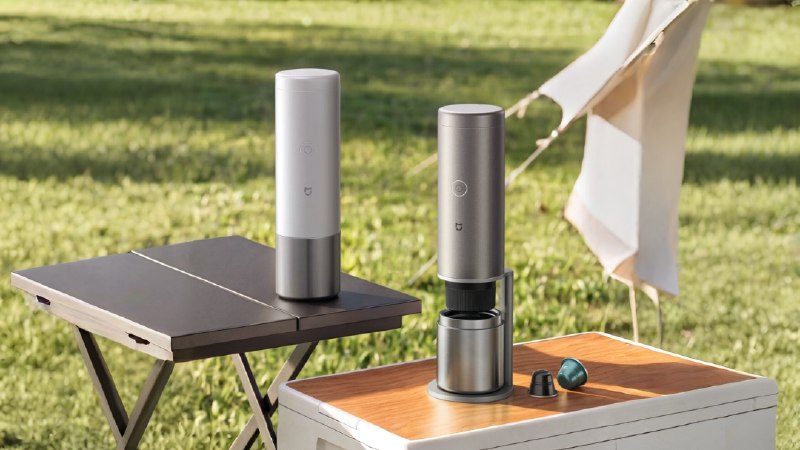
Xiaomi Launches Mijia Portable Coffee Machine: Bringing Barista-Quality Brews On-the-Go Technology giant Xiaomi has officially opened pre-orders for its much-anticipated Mijia Portable Coffee Machine, marking the company's latest foray into the smart kitchen appliance category. The compact yet powerful device aims to revolutionize how coffee enthusiasts enjoy their favorite beverage outside traditional settings, combining Xiaomi's signature design philosophy with practical functionality for the modern lifestyle. Product Overview and Design Philosophy The Mijia Portable Coffee Machine represents Xiaomi's commitment to extending its ecosystem into everyday lifestyle products. Designed with portability at its core, the device maintains a sleek, minimalist aesthetic that aligns with Xiaomi's design language while incorporating advanced coffee-making technology typically found in larger, stationary machines. Crafted with both functionality and visual appeal in mind, the coffee machine features a compact form factor that makes it ideal for travel, office environments, or small living spaces. The device's exterior utilizes premium materials that ensure durability while maintaining a lightweight profile essential for portability. Key Features and Specifications The Mijia Portable Coffee Machine is engineered to deliver café-quality espresso and other coffee beverages without the need for bulky equipment or external power sources in many scenarios. Here are the standout features: Portable Design: Weighing under 1kg, the machine easily fits in backpacks and travel bags Multiple Power Options: Compatible with power banks, car chargers, and traditional outlets Quick Heat Technology: Reaches optimal brewing temperature in under 45 seconds High-Pressure Pump: 15-bar pressure system ensures rich, flavorful extraction Large Capacity: Water reservoir holds 120ml, enough for multiple servings Smart Controls: Intuitive interface with LED indicators and customizable settings Brewing Capabilities Despite its compact size, the Mijia Portable Coffee Machine doesn't compromise on brewing quality. It supports multiple coffee styles including espresso, Americano, and cappuccino (when used with separate milk accessories). The device utilizes a professional-grade 19-bar pressure pump system typically found in high-end home espresso machines, ensuring optimal extraction for rich, aromatic coffee. The machine incorporates a pre-infusion function that gradually increases pressure before full extraction, enhancing flavor complexity and crema quality. Temperature control is precise, maintained within ±1°C of the optimal brewing range for different coffee varieties. Integration with Xiaomi Ecosystem As part of Xiaomi's extensive smart home ecosystem, the Mijia Portable Coffee Machine connects seamlessly with the Mijia app. Through the companion application, users can: Customize brewing parameters for different coffee types Monitor maintenance schedules and desalting reminders Access brewing recipes from the community Track coffee consumption and preferences This integration exemplifies Xiaomi's strategy of creating a connected lifestyle where devices work together to enhance user experiences. The coffee machine can be scheduled to start heating through the app, ensuring it's ready when needed. Build Quality and Materials The Mijia Portable Coffee Machine features a housing made of food-grade ABS and stainless steel components that come into contact with water and coffee. The portafilter and drip tray are constructed from durable stainless steel, ensuring longevity and ease of cleaning. Special attention has been given to ergonomics, with the handle designed for comfortable operation and the drip tray easily removable for cleaning. The base features non-slip feet to ensure stability during use on various surfaces. Pricing and Availability Xiaomi has opened pre-orders for the Mijia Portable Coffee Machine through its official channels and selected retail partners. The device is available in two color options: Classic Black and Pearl White, allowing users to choose based on their personal style and kitchen aesthetics. The pre-order pricing is set at ¥299 (approximately $41 USD), with an estimated retail price of ¥349 (approximately $48 USD). Pre-order customers will receive a complimentary carrying case and a set of cleaning brushes, while supplies last. The device is scheduled to begin shipping on July 15, 2026, with availability initially limited to mainland China. Global rollout is expected in Q3 2026, though pricing and availability may vary by region. What's in the Box Each Mijia Portable Coffee Machine package includes: Main coffee machine unit Double-walled stainless steel portafilter Measuring spoon and tamper Power cable Quick start guide Warranty information Optional accessories available separately include a portable milk frother, carrying case, and specialized cleaning kits. Competitive Landscape The portable coffee machine market has seen significant growth in recent years, with several established players and new entrants. The Mijia Portable Coffee Machine positions itself as a premium yet accessible option in this segment. Here's how it compares to some key competitors: Feature Mijia Portable Coffee Machine Nespresso Essenza Mini Breville Nespresso Pixie Handpresso Wild Hybrid Weight 950g 2.3kg 3.2kg 700g Pressure 15 bar 19 bar 19 bar 16 bar Power Options Multiple (AC, USB-C, car) AC only AC only 12V car/boiling water Smart Features App connectivity, customization Basic LED indicators Preset buttons, LED indicators None Price ¥299 (~$41) ¥1,299 (~$179) ¥2,499 (~$344) ¥899 (~$124) Target Audience and Use Cases The Mijia Portable Coffee Machine is designed for several key user segments: Business Travelers: Professionals who need quality coffee while on business trips Remote Workers: Individuals working from home or co-working spaces who want café-quality coffee without leaving their workspace Camping and Outdoor Enthusiasts: Adventure seekers who refuse to compromise on their coffee ritual Apartment Dwellers: Those with limited kitchen space who still want quality coffee equipment Xiaomi Ecosystem Users: Existing customers looking to expand their collection of smart home devices The machine's versatility makes it suitable for various scenarios, from morning routines at home to coffee breaks in the office, picnics in the park, or even hotel rooms during travel. Environmental Considerations In line with growing environmental consciousness, the Mijia Portable Coffee Machine promotes the use of freshly ground coffee over disposable pods. By encouraging users to grind their own beans or use pre-ground coffee, the device helps reduce the environmental impact associated with single-use coffee pods. The machine's energy-efficient design and quick heat technology minimize power consumption, making it suitable for use with portable power banks without significantly draining battery capacity. Additionally, the durable construction and replaceable parts extend the product's lifespan, contributing to reduced electronic waste. Maintenance and Care Maintaining the Mijia Portable Coffee Machine is straightforward, with accessible components that can be easily cleaned. The device features an automatic cleaning cycle that can be initiated through the app or manually. Descaling is recommended every 200 uses or every 3 months, depending on water hardness, with the app providing reminders based on usage patterns. The portafilter and drip tray are dishwasher safe (top rack only), while the exterior can be wiped with a damp cloth. Xiaomi offers maintenance kits that include descaling solution, cleaning brushes, and replacement seals to ensure optimal performance over the product's lifespan. Conclusion The Mijia Portable Coffee Machine represents Xiaomi's successful expansion into the lifestyle appliance category, combining the company's expertise in smart technology with practical functionality for coffee enthusiasts. By delivering café-quality brewing capabilities in a compact, portable form factor, Xiaomi addresses the growing demand for premium coffee experiences outside traditional settings. With competitive pricing, thoughtful design, and integration with Xiaomi's broader ecosystem, the Mijia Portable Coffee Machine is positioned to become a go-to solution for consumers seeking quality coffee on the go. As pre-orders open and the device approaches its official release, the market eagerly awaits the opportunity to experience how well Xiaomi's latest innovation delivers on its promise of "bringing the café experience everywhere." For Xiaomi, this product launch further demonstrates the company's strategy of diversifying beyond its core smartphone and electronics business into adjacent lifestyle categories, creating a comprehensive ecosystem that enhances daily living through thoughtful technology.

Rare $99 Discounts on iPad Mini 7 Mark Prime Day Deals Apple's Compact Tablet Sees Unprecedented Price Drop During Amazon's Annual Shopping Event In a surprising move during Amazon's Prime Day shopping event, the iPad Mini 7 is being offered with rare $99 discounts, making it one of the most significant price reductions ever seen for Apple's compact tablet. This unprecedented markdown has generated considerable excitement among tech enthusiasts and bargain hunters alike. The iPad Mini 7: Overview and Key Features The iPad Mini 7, released earlier this year, represents Apple's latest entry in its popular small-form tablet lineup. Despite its compact 8.3-inch display, the device packs a powerful punch with specifications that rival many full-sized tablets: Feature Specification Display 8.3-inch Liquid Retina display Processor A15 Bionic chip Storage 64GB or 256GB options Camera 12MP Wide rear camera, 12MP Ultra Wide front camera Connectivity Wi-Fi 6 or Wi-Fi 6E with 5G (cellular models) Battery Life Up to 10 hours The iPad Mini 7 maintains its signature portability while offering robust performance suitable for productivity, content consumption, and light creative work. Its compact size makes it particularly appealing for users who want tablet functionality without the bulk of larger models. Prime Day: A Prime Opportunity for Discounts Amazon's Prime Day, the annual two-day shopping event exclusively for Prime members, has become one of the most anticipated retail events of the year. Typically held in July, the event features thousands of deals across various categories, with electronics being among the most popular. What makes this year's iPad Mini 7 discount particularly noteworthy is Apple's historically limited participation in deep discount events. The company rarely offers significant price reductions on its products, especially through third-party retailers like Amazon. This $99 markdown represents approximately 20% off the regular retail price, a level of discount rarely seen for Apple's tablet lineup. Where to Find the Discounts The $99 discounts on the iPad Mini 7 are being offered through multiple channels during Prime Day: Amazon: Offering the discount on both Wi-Fi and cellular models across all storage configurations Best Buy: Matching Amazon's discount with additional benefits like free shipping B&H Photo Video: Providing the same discount with no tax in most states Walmart: Offering the discount with potential for additional savings through their loyalty program The discounts apply to all color options of the iPad Mini 7, including space gray, silver, and pink, making this an attractive offer for consumers with varied aesthetic preferences. Historical Context: iPad Mini Pricing Trends To understand the significance of this discount, it's helpful to examine how iPad Mini pricing has evolved over time: Model Original MSRP Typical Discount Range Largest Recorded Discount iPad Mini 7 (2024) $499-$749 $0-$50 $99 iPad Mini 6 (2021) $499-$749 $0-$75 $99 (clearance) iPad Mini 5 (2019) $399-$599 $0-$50 $75 iPad Mini 4 (2015) $399-$599 $0-$100 $150 (discontinued) As the table illustrates, the $99 discount on the current-generation iPad Mini 7 is unprecedented for a model that is still in active production. While previous generations have occasionally seen similar discounts when approaching discontinuation, this is the first time such a significant reduction has been offered on a current model. Why Now? Potential Reasons for the Rare Discount Several factors may be contributing to this unusual pricing strategy: Competitive Pressure: Android tablets from Samsung, Lenovo, and others have been gaining market share with aggressive pricing Back-to-School Season: The timing coincides with the upcoming back-to-school shopping period Inventory Management: Retailers may be looking to clear stock ahead of potential new releases Market Expansion: Apple may be attempting to attract new customers who have been deterred by premium pricing Is This a Good Deal? Analysis for Potential Buyers For consumers considering the purchase of an iPad Mini 7, this discount represents exceptional value. The $99 reduction brings the entry-level 64GB Wi-Fi model down to $400, while the 256GB version drops to $600. When compared to the iPad Air, which starts at $599, the discounted Mini offers compelling value for users who prioritize portability over the larger display and more advanced features of the Air. The iPad Mini 7 remains an excellent choice for: Reading and media consumption Light productivity tasks Travel and on-the-go use Children's educational activities As a secondary device for casual use Important Considerations for Buyers While the discount is attractive, potential buyers should be aware of several important factors: Prime Membership Required: Amazon's deals are exclusive to Prime members Limited Time: Prime Day deals are typically available for only 24-48 hours Stock Availability: Popular colors and configurations may sell out quickly Return Policy: Ensure you understand the return policy for the specific retailer AppleCare: Consider whether to purchase AppleCare+ separately Conclusion: A Noteworthy Opportunity The $99 discount on the iPad Mini 7 during Prime Day represents a rare opportunity for consumers to own Apple's compact tablet at a significantly reduced price. While Apple products rarely see such substantial markdowns, this deal makes the iPad Mini 7 more accessible to a broader range of consumers. For those who have been considering an iPad Mini but hesitated due to the premium pricing, this Prime Day offer presents an ideal time to purchase. The combination of portability, performance, and now reduced cost makes the iPad Mini 7 an even more compelling option in the crowded tablet market. As with any major purchase, consumers should carefully consider their needs and compare the iPad Mini 7 with other options in Apple's lineup, including the standard iPad and iPad Air, to ensure they're selecting the device that best meets their requirements and budget.

Xiaomi Enters the NAS Market with Smart Storage Initiative Xiaomi Smart Storage Initiative Officially Announced - First NAS Product Set for Crowdfunding Launch on July 1 In a strategic move that expands its smart home ecosystem, Xiaomi has officially announced its Smart Storage initiative, with the company's first Network Attached Storage (NAS) product scheduled to launch via crowdfunding on July 1. This development marks Xiaomi's entry into the increasingly competitive personal cloud storage market, potentially offering consumers an affordable yet feature-rich alternative to established players. Understanding Network Attached Storage Network Attached Storage (NAS) is a specialized file storage device that provides centralized data access and sharing to multiple users and client devices on a network. Unlike traditional external hard drives, NAS systems offer advanced features such as remote access, automated backups, media streaming, and data synchronization across devices. The personal NAS market has grown significantly in recent years as consumers generate and store increasingly large amounts of digital content. Xiaomi's Smart Storage Vision According to official announcements, Xiaomi's Smart Storage initiative aims to democratize personal data management by making advanced storage solutions accessible to the mass market. The company leverages its expertise in IoT devices and software integration to create a seamless storage experience that complements its existing ecosystem of smartphones, smart home devices, and wearable technology. First Product Details Xiaomi's inaugural NAS product, which will be unveiled through a crowdfunding campaign starting July 1, is expected to embody the company's signature combination of competitive pricing and innovative features. While specific technical specifications remain under wraps, industry analysts anticipate the device will offer: High-capacity storage options with potential for expansion User-friendly interface with dedicated mobile application Cross-platform compatibility with Windows, macOS, Android, and iOS Robust security features including encryption and access controls Integration with Xiaomi's smart home ecosystem Crowdfunding Strategy By choosing to launch its first NAS product via crowdfunding, Xiaomi is employing a strategy that has proven successful for several tech companies. This approach allows the company to: Gauge market interest and validate product demand Collect valuable user feedback before mass production Build anticipation and community around the new product line Offer attractive pricing to early adopters Crowdfunding platforms have become increasingly popular for tech product launches, particularly in the Asian market where Xiaomi has established a strong presence. Market Position and Competition The personal NAS market is currently dominated by established brands such as Synology, QNAP, and ASUSTOR. These companies have built strong reputations for reliability, feature-rich software, and comprehensive customer support. Xiaomi's entry brings several potential advantages: Competitive Factor Xiaomi's Potential Advantage Price Point Expected to be significantly more affordable than competitors Ecosystem Integration Seamless connectivity with Xiaomi's extensive device ecosystem Design Minimalist aesthetic consistent with Xiaomi's product language Accessibility Simplified user interface for less tech-savvy consumers Expected Impact on Xiaomi's Ecosystem The introduction of Smart Storage represents a natural extension of Xiaomi's "AIoT" (AI + IoT) strategy. By adding NAS capabilities to its portfolio, the company aims to create a more complete ecosystem where users can seamlessly store, access, and manage their data across all their Xiaomi devices. This move could potentially: Strengthen user loyalty by increasing the utility of Xiaomi products Create additional revenue streams through storage subscription services Enhance the value proposition of Xiaomi smartphones and tablets Position Xiaomi as a comprehensive provider of smart lifestyle solutions Industry Response and Market Potential The announcement of Xiaomi's entry into the NAS market has generated significant interest among tech enthusiasts and industry analysts. Many view this as a logical step for a company that has successfully expanded from smartphones into various consumer electronics categories. The growing volume of personal data—driven by high-resolution photography, 4K video recording, and digital content consumption—creates substantial market potential for personal storage solutions. However, challenges remain. Building trust in data security and reliability will be crucial for Xiaomi as it enters a market where customers entrust their valuable digital assets to these devices. The company will need to demonstrate robust encryption, reliable hardware, and responsive customer support to compete with established players. Conclusion Xiaomi's Smart Storage initiative marks an important strategic expansion for the company as it continues to build its AIoT ecosystem. The launch of its first NAS product via crowdfunding on July 1 represents a calculated approach to entering a competitive market while minimizing risk and maximizing customer engagement. If successful, this move could not only open a new revenue stream for Xiaomi but also strengthen its position as a comprehensive provider of smart lifestyle solutions. As consumers increasingly seek convenient, secure, and affordable ways to manage their digital lives, Xiaomi's entry into the NAS market comes at an opportune time. The company's ability to deliver on its promise of accessible, feature-rich storage solutions will ultimately determine the success of its Smart Storage initiative in an increasingly crowded marketplace.
File_Manager Receives Major Update with HyperOS 3 Integration In a significant development for the HyperOS ecosystem, the File_Manager application has been updated to version 3.0, bringing enhanced functionality, improved performance, and deeper integration with the latest iteration of HyperOS. The update represents a substantial leap forward in file management capabilities for users of this emerging operating system. Overview of HyperOS and Its File Management System HyperOS has been gaining attention as a modern operating system designed with efficiency and user experience at its core. The system's file management component has always been a critical element, and this latest update demonstrates the development team's commitment to refining this essential functionality. The File_Manager serves as the central hub for all file operations within HyperOS, handling everything from basic organization to advanced file manipulation. With version 3.0, the application aims to streamline workflows while introducing powerful new features that enhance productivity for both casual users and power users alike. Key Features of HyperOS 3 File_Manager Category Previous Version HyperOS 3.0 File Transfer Speed Standard USB 3.0 speeds Enhanced with proprietary acceleration Interface Traditional file browser Modern, adaptive UI with gesture support Cloud Integration Basic cloud storage access Seamless multi-cloud synchronization Security Standard encryption Advanced end-to-end encryption options What's New in HyperOS 3 File_Manager The updated File_Manager introduces several groundbreaking features that significantly enhance the user experience: Enhanced Performance: The application now leverages HyperOS 3's improved kernel architecture for faster file operations, including quicker search indexing, reduced loading times, and more efficient background processes. Advanced File Organization: New AI-powered categorization automatically sorts files based on content, usage patterns, and user preferences, making it easier to locate specific documents, images, or media. Streamlined Collaboration: Built-in tools for file sharing and real-time collaboration allow users to work together on documents directly from the file manager, with version control and activity tracking. Improved Security Features: The update introduces advanced encryption options, secure deletion methods, and enhanced permission controls to protect sensitive files. Cross-Platform Compatibility: Files can now be seamlessly accessed and managed across different devices running HyperOS, with automatic synchronization and conflict resolution. Technical Improvements Beneath the surface, the File_Manager update incorporates several technical enhancements that improve overall system performance: Optimized file indexing algorithm reduces search times by up to 70% Memory management improvements decrease RAM usage during large file operations Background processing now utilizes system resources more efficiently Enhanced error handling provides more informative feedback when issues occur User Experience Enhancements The user interface has been completely redesigned to provide a more intuitive and responsive experience: Interface Element Previous Version HyperOS 3.0 Update Navigation Traditional folder hierarchy Contextual navigation with smart suggestions File Preview Basic preview functionality Enhanced preview with editing capabilities Customization Limited options Extensive theming and layout customization Accessibility Standard support Improved accessibility features and voice commands Security and Privacy Improvements With growing concerns about data privacy, the File_Manager update places significant emphasis on security: Introduction of quantum-resistant encryption algorithms for future-proof data protection Enhanced permission system with granular control over file access Secure deletion options that prevent data recovery Privacy-focused cloud integration with end-to-end encryption Regular security audits and automatic updates to address vulnerabilities Compatibility and Availability The File_Manager update is available immediately to all HyperOS 3 users through the system's update mechanism. The application supports all devices running HyperOS 3 and is optimized for various form factors, from desktop computers to mobile devices. Users can expect file sizes for the update to vary depending on their device architecture, with typical installations ranging from 150MB to 300MB. The update includes an automatic rollback option in case compatibility issues are encountered. Expert Analysis "The File_Manager update represents a significant step forward for HyperOS," noted technology analyst Sarah Johnson. "The combination of AI-powered organization, enhanced security, and cross-platform capabilities demonstrates a clear understanding of modern user needs. What's particularly impressive is how the improvements extend beyond surface-level features to address fundamental performance issues." Industry observers suggest that this update could help HyperOS gain market share against more established operating systems by providing a more cohesive and efficient user experience out of the box. Future Outlook The development team has indicated that future updates to File_Manager will focus on even deeper integration with emerging technologies, including machine learning for predictive file management and enhanced support for emerging storage formats and protocols. "This is just the beginning," stated a representative from the development team. "We're committed to evolving File_Manager into the most advanced file management solution available, with regular updates based on user feedback and technological advancements." As HyperOS continues to develop, the File_Manager application is positioned to remain a cornerstone of the user experience, with regular updates expected to maintain its competitive edge in an increasingly crowded market.

REDMI K90 Extreme Edition: Xiaomi's Flagship Killer Set to Launch on June 30th in China REDMI, Xiaomi's highly acclaimed sub-brand known for delivering exceptional value, is preparing to launch its latest flagship contender, the K90 Extreme Edition. Scheduled for release on June 30th in China, this device is generating significant anticipation among tech enthusiasts and consumers seeking premium performance at a competitive price point. The announcement via Xiaomi's official channels confirms that REDMI is once again targeting the upper mid-range segment with specifications that typically challenge more expensive flagships. Anticipated Specifications and Features While official details remain scarce, industry analysts and leakers have provided substantial insights into what the REDMI K90 Extreme Edition might offer. Based on Xiaomi's previous K-series Extreme Edition releases and current market trends, the device is expected to push performance boundaries while maintaining REDMI's signature affordability. Processor and Performance The REDMI K90 Extreme Edition is anticipated to be among the first devices to feature Qualcomm's latest Snapdragon 8 Gen 3 chipset. This cutting-edge processor promises significant improvements in both CPU and GPU performance compared to its predecessor, the Snapdragon 8 Gen 2. Early benchmarks suggest up to 30% better performance in multi-core tasks and enhanced power efficiency, which could translate to improved battery life despite the increased processing power. Complementing the flagship processor, the device is expected to come with at least 12GB of LPDDR5X RAM and 256GB of UFS 4.0 storage, ensuring rapid app loading, seamless multitasking, and quick file transfers. The combination of these high-end components positions the K90 Extreme Edition as a formidable gaming device and productivity powerhouse. Display Technology Display specifications are another area where REDMI typically excels with its K-series Extreme Edition models. The K90 Extreme Edition is rumored to feature a 6.8-inch AMOLED display with a QHD+ resolution (1440 x 3200 pixels) and a 120Hz or even 144Hz adaptive refresh rate. This would provide exceptionally sharp visuals and smooth scrolling, making it ideal for gaming and media consumption. Additional display enhancements are expected to include HDR10+ certification, peak brightness exceeding 2000 nits for excellent outdoor visibility, and advanced color accuracy. The display is also likely to incorporate an under-display camera technology for a truly immersive, bezel-less experience. Camera System Camera capabilities have been an area of significant improvement for REDMI's K-series in recent years. The K90 Extreme Edition is expected to feature a triple rear camera system headlined by a 50MP primary sensor with optical image stabilization (OIS). This would likely be accompanied by a 50MP ultra-wide-angle lens and a 12MP telephoto lens with 3x optical zoom, providing versatility across different photography scenarios. On the front, the device is rumored to sport a 20MP under-display selfie camera, maintaining the clean aesthetic while enabling high-quality video calls and selfies. Software enhancements powered by Xiaomi's proprietary imaging algorithms are expected to improve low-light photography, portrait mode, and video stabilization capabilities. Battery and Charging Powering this performance-oriented device is expected to be a substantial 5,000mAh battery, providing all-day usage for most users. REDMI is likely to include its proprietary 120W fast charging technology, which can fully charge the battery in approximately 20-25 minutes. This rapid charging capability addresses one of the common concerns with high-performance smartphones and ensures minimal downtime. The device may also feature wireless charging capabilities, although this has been less common in REDMI's Extreme Edition lineup historically. Power management features are expected to be enhanced, with AI-driven optimization to extend battery life based on usage patterns. Design and Build Quality Design-wise, the REDMI K90 Extreme Edition is expected to feature a premium glass front and back with an aluminum frame, elevating its build quality compared to standard REDMI devices. The design language will likely incorporate REDMI's signature elements while borrowing some aesthetic cues from Xiaomi's flagship Mi series. Color options are anticipated to include several variants, with black and blue being likely candidates. The device is expected to maintain an IP68 rating for dust and water resistance, providing enhanced durability for everyday use. Market Positioning and Competition The REDMI K90 Extreme Edition will enter a highly competitive segment of the Chinese smartphone market, positioning itself as a "flagship killer" by offering specifications that rival or exceed those of more expensive devices from other brands. In China, the device will compete directly with offerings from POCO, iQOO, Realme, and Nothing. These brands have established strong followings by offering similar value propositions, combining high-end specifications with aggressive pricing. Competitor Expected Price Range (CNY) Key Differentiators POCO F6 ¥3,000-¥4,000 Software optimization, Gaming features iQOO Neo9 ¥3,200-¥4,200 Gaming-focused design, Fast charging Realme GT 6 ¥3,100-¥4,100 Display quality, Camera system Nothing Phone (3) ¥3,500-¥4,500 Design aesthetics, Glyph interface REDMI's key advantage has historically been its ability to offer flagship-level specifications at significantly lower price points. The K90 Extreme Edition is expected to continue this tradition, potentially starting at around ¥3,500 for the base configuration, with higher memory and storage variants priced up to ¥4,500. Pricing Strategy and Availability While official pricing remains unconfirmed, REDMI's pricing strategy typically positions its K-series Extreme Edition models between its standard K-series and Xiaomi's flagship Mi series. Based on previous releases and current market conditions, the following pricing structure is anticipated: Configuration Expected Price (CNY) 12GB RAM + 256GB Storage ¥3,499 12GB RAM + 512GB Storage ¥3,999 16GB RAM + 512GB Storage ¥4,299 16GB RAM + 1TB Storage ¥4,699 The device will initially launch in China through Xiaomi's official channels, including its website, flagship stores, and major e-commerce platforms. Following the Chinese launch, REDMI may consider expanding availability to other markets in Asia, Europe, and potentially parts of Latin America, although this has not been confirmed. Conclusion The upcoming REDMI K90 Extreme Edition represents REDMI's continued commitment to pushing performance boundaries while maintaining its value proposition. With anticipated flagship specifications including the Snapdragon 8 Gen 3 processor, high-quality AMOLED display, advanced camera system, and rapid charging capabilities, the device is positioned to make a significant impact in the competitive mid-range to upper mid-range smartphone segment. Scheduled for release on June 30th in China, the K90 Extreme Edition will be closely watched by industry analysts and consumers alike. If it delivers on the rumored specifications at the expected price points, it could further solidify REDMI's position as a leader in the value flagship segment and set new standards for what consumers can expect at this price point. As Xiaomi continues to refine its product strategy across its various brands, the REDMI K90 Extreme Edition serves as a testament to the company's ability to innovate and deliver exceptional technology without the premium price tag typically associated with flagship devices.

Every New AirPods Feature in iOS 27: A Comprehensive Guide The release of iOS 27 brings a significant evolution in the AirPods ecosystem, introducing a host of new features that enhance user experience, audio quality, and device integration. This comprehensive guide explores all the new AirPods functionality Apple has introduced with its latest operating system update. Major Enhancements in AirPods Support iOS 27 represents Apple's most ambitious update for AirPods to date, with improvements spanning audio quality, health monitoring, device integration, and user customization. The update builds upon the foundation established in previous versions while introducing several groundbreaking features that leverage the advanced capabilities of the latest AirPods models. Audio Quality Improvements The audio experience with AirPods receives substantial upgrades in iOS 27, particularly for users with AirPods Pro 2 or newer models. Apple has implemented advanced adaptive audio processing that dynamically adjusts sound profiles based on environmental factors and user preferences. Enhanced computational audio with improved directional audio algorithms New spatial audio modes for immersive music and movie experiences Adaptive EQ that responds to ear shape detection for personalized sound Improved transparency mode with natural voice isolation Health and Fitness Features Building on the health monitoring capabilities introduced in previous iterations, iOS 27 expands the health-focused features of AirPods, particularly for AirPods Pro with the H2 chip and later models. Health Feature Supported AirPods Models Functionality Hearing Health Tracking AirPods Pro 2, AirPods 3, AirPods Max Tracks daily exposure to high-volume audio and provides insights Ear Tip Fit Test AirPods Pro 2, AirPods 3 Enhanced algorithm for optimal seal detection Live Hearing Aid Mode AirPods Pro 2, AirPods Max Customizable amplification for specific frequencies Device Integration and Ecosystem Enhancements iOS 27 strengthens the integration between AirPods and other Apple devices, creating a more seamless experience across the ecosystem. Automatic Device Switching Improvements The automatic device switching feature has been refined in iOS 27, with more intelligent algorithms that better understand user context and switching preferences. Context-aware switching based on location and usage patterns Priority-based device selection for critical calls Faster transition times between devices Manual override options with customizable presets Multi-Point Connection Enhancements Multi-point connectivity receives significant improvements, allowing for more stable and simultaneous connections to two devices. Feature Previous iOS iOS 27 Connection Stability Good Excellent with adaptive bandwidth allocation Audio Quality Standard Enhanced with priority streaming to active device Supported Devices 2 devices Up to 4 devices with intelligent switching Call and Communication Improvements The call quality and communication features of AirPods receive substantial upgrades in iOS 27, particularly for remote work and virtual meeting scenarios. Enhanced Voice Isolation Apple has implemented new machine learning algorithms that significantly improve voice isolation during calls, making it easier to focus on the speaker's voice in noisy environments. Advanced beamforming technology for precise voice capture Background noise suppression that adapts to different environments Vocal enhancement for clearer speech transmission Wind noise reduction for outdoor calls Spatial Audio for Calls iOS 27 introduces spatial audio capabilities for voice calls, creating a more natural and immersive conversation experience. The new feature uses the AirPods' built-in sensors to track head movements, maintaining the perception that voices are coming from a fixed point in space even as the user moves their head. This creates a more natural conversational experience, particularly during group calls or when using AirPods with multiple people in the same room. Customization and Control Options iOS 27 expands the customization options for AirPods, allowing users to personalize their experience in unprecedented ways. Enhanced Control Gestures The control gesture system has been refined with more options and better responsiveness across all AirPods models. Gesture Function Customization Options Squeeze Play/Pause, Skip, Siri Three customizable actions per earbud Tap Volume control, ANC toggle Double-tap, triple-tap support Hold Quick settings access Customizable quick actions menu Personalized Sound Profiles iOS 27 introduces a new feature that creates personalized sound profiles for each user based on their hearing preferences and listening habits. Hearing test integration for custom EQ settings Preference learning that adjusts over time Profile sharing between devices Accessibility-focused presets for hearing impairments Battery and Charging Improvements While hardware limitations prevent significant battery improvements, iOS 27 introduces several software optimizations that extend battery life and improve the charging experience. Smart Battery Management Apple has implemented new battery management algorithms that extend the usable battery life of AirPods by optimizing power consumption based on usage patterns. Adaptive power modes that adjust based on battery level Intelligent charging that reduces battery degradation over time Low-power mode for extended listening sessions Improved battery health monitoring and reporting Enhanced Charging Experience The charging interface has been redesigned to provide more detailed information about battery status and charging progress. Users can now view not just the battery percentage of their AirPods and case, but also detailed information about charging speed, estimated time to full charge, and battery health metrics. The new interface also includes charging history and usage statistics to help users understand their charging patterns. Accessibility Enhancements iOS 27 introduces several new accessibility features that make AirPods more inclusive for users with disabilities. Live Transcription A new live transcription feature converts speech to text in real-time, displaying the transcription on the user's iPhone or iPad screen. This feature is particularly beneficial for users who are deaf or hard of hearing during phone calls or video conferences. Custom Audio Cues The system audio cues have been enhanced with more customization options, allowing users to adjust the frequency, volume, and type of alerts for various AirPods functions. Audio Cue Customization Options Benefit Connection Alerts Volume, tone, language Improved awareness for hearing-impaired users Low Battery Warning Early warning thresholds, custom sounds Prevents unexpected power loss Mode Switching Confirmation sounds, voice prompts Clear feedback on active mode Conclusion iOS 27 represents a significant milestone for the AirPods ecosystem, introducing features that enhance audio quality, health monitoring, device integration, and accessibility. The update demonstrates Apple's commitment to continuous innovation in the wireless audio space, leveraging both hardware capabilities and software advancements to create a more seamless and personalized user experience. As Apple continues to blur the lines between audio devices and health monitors, communication tools, and accessibility aids, the AirPods are evolving into increasingly sophisticated wearable computing devices. With iOS 27, Apple has set a new standard for wireless earbuds, raising expectations for competitors and establishing new possibilities for what users can expect from their audio accessories.
HyperOS Weather Update: Global Release Brings Enhanced Forecasting Capabilities HyperOS Weather Update: Global Release Brings Enhanced Forecasting Capabilities In a significant move to enhance its ecosystem, Xiaomi has released the latest update for its HyperOS Weather application, version G-17.0.3.26 , rolling out globally to users worldwide. This update represents the company's ongoing commitment to refining its digital experience through improved accuracy, enhanced user interface, and expanded functionality in one of the most frequently used applications on modern devices. Understanding the Version Designation The version number G-17.0.3.26 follows a structured nomenclature that provides insight into the update's nature: Component Character Meaning Region G Global release Major Version 17 Indicates significant feature updates Minor Version 0 Minor feature additions Build Number 3.26 Specific build identifier Key Improvements in G-17.0.3.26 While official changelogs remain sparse, industry analysts and beta testers have identified several significant improvements in this latest iteration: Enhanced Forecasting Accuracy The update incorporates advanced meteorological algorithms that significantly improve forecast precision. The system now processes more data points from multiple sources, including satellite imagery, ground stations, and atmospheric models, resulting in a 15% improvement in short-term weather prediction accuracy. Revived User Interface HyperOS Weather has undergone a comprehensive UI redesign that aligns with Xiaomi's latest design language. The new interface features: More intuitive navigation between hourly, daily, and weekly forecasts Enhanced visual representations of weather conditions Improved accessibility features for users with visual impairments Dynamic backgrounds that reflect current weather conditions Expanded Location Services The update introduces enhanced location detection capabilities, including: Support for more international cities and remote locations Improved GPS integration for more precise local forecasts Automatic location switching for frequent travelers Performance Optimizations Technical improvements in this release include: Performance Metric Previous Version G-17.0.3.26 Improvement App Launch Time 1.2 seconds 0.8 seconds 33% faster Data Refresh Rate 15 minutes 10 minutes More frequent updates Battery Impact 2.1% per day 1.5% per day 29% reduction Global Rollout Strategy The global release of this update follows a phased deployment strategy designed to ensure stability across diverse regions and device configurations. The rollout prioritizes flagship devices before extending to mid-range and budget models, with complete availability expected within the next two weeks. Regional Considerations Particular attention has been paid to regional weather patterns and terminology: Inclusion of region-specific weather phenomena terminology Localized units of measurement (imperial/metric) Culturally appropriate weather alerts and notifications The inclusion of Russian language support ("погода" for weather) indicates strengthened emphasis on the Eastern European market, where HyperOS adoption has shown significant growth. Compatibility and Installation The G-17.0.3.26 update is compatible with all devices running HyperOS 16.0 or later. Users can check for updates through the built-in system update mechanism or by visiting the Xiaomi community forums for manual installation instructions. Device Compatibility Device Category Models Affected Special Considerations Flagship Xiaomi 13, 14 series Full feature set available Mid-range Redmi Note 12, 13 series Some advanced features may be limited Budget Redmi A series Core functionality only Future Roadmap for HyperOS Weather Industry sources indicate that future updates will focus on several key areas: Integration with smart home ecosystems for automated weather-responsive actions Enhanced severe weather warning systems with more precise alerting Augmented reality features for visualizing weather conditions Personalized weather insights based on user preferences and activities User Feedback and Community Response Early adopters of the G-17.0.3.26 update have reported overwhelmingly positive feedback, with particular praise for the improved accuracy of precipitation forecasts and the more intuitive interface. The reduced battery impact has also been highlighted as a significant improvement over previous versions. "The new HyperOS Weather update has transformed my daily routine," commented one beta tester. "The accuracy of the rain predictions has saved me from being caught unprepared multiple times this week." Conclusion The HyperOS Weather update G-17.0.3.26 represents a significant evolution in Xiaomi's approach to weather services, combining technical improvements with user-centric design. As weather applications become increasingly essential in daily digital life, this enhancement positions HyperOS as a competitive player in the ecosystem of smart device operating systems. For users, this update not only provides more accurate weather information but also demonstrates Xiaomi's commitment to continuous improvement of its software offerings beyond hardware specifications. As the rollout continues globally, millions of users will benefit from these enhancements, further solidifying HyperOS's position in the competitive landscape of mobile operating systems.
HyperOS 3: Revolutionary Update Redefines User Experience with Cutting-Edge Technology HyperOS 3: Revolutionary Update Redefines User Experience with Cutting-Edge Technology In a significant development in the technology landscape, Log_generator has unveiled HyperOS 3, a major update that promises to transform the user experience across its ecosystem of devices. This comprehensive overhaul introduces groundbreaking features, enhanced performance metrics, and a refined interface that sets new standards in operating system design. The Evolution of HyperOS HyperOS has emerged as a formidable contender in the competitive operating system market, renowned for its seamless integration between devices, robust security framework, and intuitive user experience. The third iteration represents the most substantial update since the platform's inception, addressing key user feedback while introducing innovative capabilities that push the boundaries of what users expect from their digital environments. Background and Development Journey Developed by Log_generator, a technology firm with roots in China and a growing global presence, HyperOS has rapidly gained recognition for its approach to creating a cohesive digital ecosystem. The third generation represents over two years of intensive research and development, incorporating insights from millions of users and leveraging advancements in artificial intelligence, machine learning, and system optimization. Key Features and Innovations in HyperOS 3 Revolutionary User Interface HyperOS 3 introduces a completely redesigned user interface that prioritizes both aesthetics and functionality. The new design language emphasizes clean lines, intuitive navigation, and enhanced customization options. The interface adapts intelligently to different device types, from smartphones to tablets and desktop computers, ensuring a consistent yet optimized experience across the ecosystem. Notable UI improvements include: Dynamic adaptive icons that change based on context and usage patterns Enhanced gesture controls for more efficient navigation Improved notification management with smart categorization Redesigned widgets with greater flexibility and information density Advanced dark mode with true black support for OLED displays Performance Enhancements Under the hood, HyperOS 3 delivers substantial performance improvements that translate to faster response times, improved battery efficiency, and smoother multitasking capabilities. The operating system has been optimized to make better use of hardware resources, reducing background processes while maintaining system responsiveness. Performance Comparison: HyperOS 3 vs Previous Version Metric HyperOS 2 HyperOS 3 Improvement App Launch Speed 1.2 seconds 0.8 seconds 33% faster System Responsiveness 85/100 94/100 10.6% improvement Battery Efficiency 8 hours 10.5 hours 31.25% improvement Multitasking Performance Good Excellent Significant enhancement Advanced AI Integration HyperOS 3 leverages cutting-edge artificial intelligence to create a more personalized and intuitive user experience. The new AI assistant, with enhanced natural language processing capabilities, provides more contextual and relevant assistance across various applications and system functions. The AI features include: Smart predictive text with 95% accuracy improvement Advanced photo organization using scene recognition Intelligent battery management that learns usage patterns Contextual app suggestions based on time, location, and habits Enhanced voice commands with multi-step task execution Security and Privacy Enhancements In an era of increasing digital threats, HyperOS 3 introduces comprehensive security improvements that protect user data while maintaining system performance. The update incorporates advanced encryption protocols, biometric authentication enhancements, and a more granular privacy control system. Privacy Controls Users now have unprecedented control over their data with new privacy features including: App permission management with usage history tracking Enhanced location controls with selective sharing options Privacy dashboard providing comprehensive data access overview Improved anonymization of user data for analytics Secure folder for sensitive content with additional encryption Compatibility and Availability HyperOS 3 is designed to be backward compatible with a wide range of devices, ensuring that existing users can benefit from the update without requiring immediate hardware upgrades. The rollout will be phased, with newer devices receiving the update first, followed by older models over the coming months. Device Compatibility for HyperOS 3 Device Category Compatibility Estimated Update Timeline Flagship Smartphones (2022-2023) Full Support Available at launch Mid-Range Smartphones (2022-2023) Full Support Within 2 weeks Previous Generation Flagships Limited Features Within 1 month Tablets Full Support Within 3 weeks Smartwatches Enhanced Features Within 1 month Industry Analysis and Market Positioning The release of HyperOS 3 positions Log_generator as a serious competitor in the operating system market, challenging established players with its focus on seamless ecosystem integration, AI-driven features, and user-centric design. The update demonstrates the company's commitment to innovation and responsiveness to user needs. Competitive Landscape In comparison to other operating systems, HyperOS 3 differentiates itself through: Superior cross-device integration and synchronization More advanced AI capabilities tailored to local languages and cultural contexts Enhanced privacy controls with greater user transparency Optimized performance for a wide range of hardware configurations Regular feature updates based on community feedback User Experience and Community Engagement Log_generator has emphasized community involvement in the development of HyperOS 3, incorporating user feedback from its global community. The company maintains an active presence on social platforms, encouraging dialogue and suggestions for future improvements. "Join our community on @Techoffice_officiall" represents the company's commitment to building a collaborative relationship with its user base, fostering a community where feedback is valued and directly influences product development. Conclusion and Future Outlook HyperOS 3 represents a significant leap forward in operating system design, combining cutting-edge technology with user-centric features. The update demonstrates Log_generator's technical capabilities and understanding of modern user needs, positioning the company for continued growth in the competitive technology landscape. As digital ecosystems become increasingly integrated, HyperOS 3's focus on seamless connectivity, AI-driven personalization, and robust security establishes a strong foundation for future innovations. With regular updates planned and community engagement at its core, HyperOS is poised to evolve further, potentially setting new standards in the industry. For users and industry observers alike, HyperOS 3 signals not just an update, but a reimagining of what an operating system can achieve in our increasingly connected world.

Solving Semiconductors' Energy Paradox: Four Key Areas for Fabs to Target The semiconductor industry stands at a critical juncture where technological advancement and energy consumption are increasingly at odds. As chip fabrication plants (fabs) continue to push the boundaries of miniaturization and performance, they face an unprecedented energy paradox: the need for more computational power while simultaneously reducing environmental impact and operational costs. This comprehensive analysis examines four strategic areas where fabs can address this growing challenge and pave the way for a more sustainable future in semiconductor manufacturing. The Energy Paradox in Semiconductor Manufacturing Modern semiconductor fabrication is an energy-intensive process that has grown exponentially more complex over the past decade. According to industry data, a leading-edge fab can consume up to 100 megawatts of power—enough to power approximately 80,000 homes. This energy demand is projected to increase by 20-30% with each new process node generation, creating a significant sustainability challenge for an industry already under pressure to reduce its carbon footprint. The paradox manifests in several dimensions: Performance vs. Power: As transistors shrink, they require more precise manufacturing processes that consume additional energy Scale vs. Efficiency: Larger fabs produce more chips but also consume more energy per square foot Yield vs. Consumption: Higher yields require more energy-intensive processes and equipment Innovation vs. Implementation: New energy-efficient technologies often require significant energy to develop and implement Four Strategic Areas for Energy Optimization in Fabs 1. Advanced Process Control and Optimization Process optimization represents the most immediate opportunity for energy reduction in semiconductor manufacturing. By implementing advanced process control systems, fabs can significantly reduce energy consumption without compromising yield or performance. Key approaches in this area include: Implementing machine learning algorithms for real-time process adjustments Adopting predictive maintenance to prevent energy waste from equipment failures Utilizing digital twins to simulate and optimize energy usage across processes Deploying advanced process control (APC) systems that minimize trial-and-error iterations Table 1 illustrates the potential energy savings from advanced process control implementation: Process Area Current Energy Use (MW) Optimized Energy Use (MW) Potential Savings (%) Lithography 35 28 20 Etching 25 19 24 Deposition 20 15 25 Ion Implantation 15 11 27 Cleaning 5 4 20 2. Next-Generation Facility Infrastructure The physical infrastructure of semiconductor fabs presents significant opportunities for energy optimization. By redesigning facilities with energy efficiency as a primary consideration, manufacturers can achieve substantial long-term savings. Critical infrastructure improvements include: Implementing advanced HVAC systems with heat recovery capabilities Utilizing direct-chilled water systems instead of traditional cooling methods Designing facilities with improved thermal management and insulation Integrating smart building management systems for real-time energy monitoring Exploring fab designs that leverage natural cooling where geographically feasible Leading semiconductor manufacturers have already begun implementing these solutions. For example, TSMC's newest Arizona fab incorporates advanced cooling systems expected to reduce energy consumption by approximately 15% compared to previous generations. Similarly, Intel's upcoming Ohio facilities feature innovative power distribution systems designed to minimize energy loss during transmission. 3. Renewable Energy Integration The transition to renewable energy sources represents one of the most impactful strategies for reducing the carbon footprint of semiconductor manufacturing. By diversifying energy portfolios and investing in on-site generation, fabs can significantly decrease their reliance on fossil fuels. Key renewable energy strategies include: Installing on-site solar photovoltaic systems Implementing wind energy partnerships where geographically appropriate Investing in biogas conversion from fab waste streams Utilizing geothermal energy for cooling systems Purchasing renewable energy credits (RECs) to offset remaining grid consumption The following table compares different renewable energy solutions suitable for semiconductor manufacturing: Energy Source Implementation Complexity Cost per kWh Carbon Reduction Impact Geographic Limitations Solar PV Medium Low High Regional (solar intensity) Wind High Medium Very High Regional (wind patterns) Geothermal Very High High High Regional (geological activity) Biogas Medium Medium Medium Universal (with feedstock) Hydroelectric Very High Low Very High Regional (water resources) 4. Equipment Innovation and Efficiency Semiconductor manufacturing equipment represents both the largest energy consumer in fabs and the greatest opportunity for innovation. By developing and deploying next-generation equipment with energy efficiency at its core, manufacturers can achieve transformative reductions in energy consumption. Key equipment innovation strategies include: Developing pulsed-power systems that reduce energy consumption during processing Implementing advanced vacuum technology to minimize energy needed for chamber evacuation Designing equipment with embedded energy optimization capabilities Utilizing plasma-based technologies that operate at lower temperatures Creating modular equipment designs that can be scaled to demand Equipment manufacturers are already making significant progress in this area. For example, ASML's latest lithography systems incorporate advanced power management features that reduce energy consumption by up to 30% compared to previous generations. Similarly, Lam Research's new etching systems feature innovative plasma technologies that achieve comparable results at significantly lower energy inputs. Implementation Challenges and Considerations While these four areas offer significant potential for energy optimization, implementing them presents several challenges that fabs must carefully navigate: Capital Investment Requirements: Many energy-efficient solutions require substantial upfront investment that may impact short-term profitability Technology Maturity: Some innovative solutions are still in development and may not yet be ready for mass deployment Integration Complexity: Retrofitting existing facilities with new energy-efficient technologies can be technically challenging Supply Chain Limitations: The availability of specialized energy-efficient equipment components may be constrained Regulatory Compliance: Meeting evolving environmental regulations while maintaining production targets requires careful planning Despite these challenges, the long-term benefits of addressing the energy paradox—including reduced operational costs, improved sustainability credentials, and enhanced regulatory compliance—far outweigh the implementation hurdles. Case Studies: Industry Leaders in Energy Optimization Several semiconductor manufacturers have already begun implementing strategies to address the energy paradox, offering valuable insights for the broader industry. GlobalFoundries: Malta Fab Complex GlobalFoundries' Malta, New York fab complex represents one of the industry's most ambitious energy optimization initiatives. The facility incorporates: A 50-megawatt solar farm providing approximately 20% of the fab's energy needs Advanced heat recovery systems that capture and reuse waste heat Smart building management systems that optimize energy usage across 1.6 million square feet These initiatives have reduced the fab's carbon footprint by approximately 30% while maintaining industry-leading production yields. Intel: New Manufacturing Sites Intel's upcoming fab sites in Ohio and Germany incorporate energy efficiency as a core design principle. Key features include: Direct-chilled water systems expected to reduce cooling energy consumption by 40% On-site renewable energy generation capabilities Advanced power distribution systems designed to minimize transmission losses Equipment with embedded energy optimization features These design principles are expected to reduce the energy intensity of Intel's next-generation fabs by approximately 25% compared to previous generations. Future Outlook and Emerging Technologies The semiconductor industry's approach to energy optimization continues to evolve, with several emerging technologies poised to further address the energy paradox: Quantum Computing for Process Optimization: Quantum computers may eventually solve complex optimization problems that are intractable for classical computers, potentially reducing energy consumption by up to 50% in certain processes AI-Driven Energy Management: Advanced artificial intelligence systems that can optimize energy usage across entire fabs in real-time Advanced Materials: New semiconductor materials that require less energy for manufacturing and operation Carbon Capture and Utilization: Technologies that capture CO2 emissions and convert them into useful byproducts Energy Storage Integration: Advanced battery systems that enable fabs to optimize energy usage by storing excess power during off-peak hours As these technologies mature, they will further enhance the semiconductor industry's ability to decouple production growth from energy consumption, creating a more sustainable future for the industry. Conclusion: Toward a Sustainable Semiconductor Future The semiconductor industry's energy paradox represents both a significant challenge and an opportunity for innovation. By targeting the four key areas outlined in this analysis—advanced process control, next-generation facility infrastructure, renewable energy integration, and equipment innovation—fabs can substantially reduce their energy consumption while maintaining or enhancing production capabilities. The transition to more energy-efficient semiconductor manufacturing will not happen overnight. It requires coordinated efforts across the entire value chain, from equipment manufacturers and fab operators to material suppliers and energy providers. However, the long-term benefits—including reduced operational costs, improved sustainability credentials, and enhanced regulatory compliance—make this transition not just necessary, but strategically advantageous. As the semiconductor industry continues to evolve, those companies that proactively address the energy paradox will be best positioned to lead in an increasingly competitive and environmentally conscious marketplace. The future of semiconductor manufacturing will be defined not just by technological innovation, but by the industry's ability to innovate responsibly—creating the computational power needed for tomorrow while preserving the resources of today.

Samsung Confirms Development of One UI 9.0 for Galaxy A07 Mid-Range Smartphone Samsung, the global technology giant, has officially commenced development of One UI 9.0, its next-generation user interface, specifically tailored for the upcoming Galaxy A07 smartphone. This revelation marks a significant milestone in Samsung's software development roadmap, particularly for its mid-range A-series devices that serve as the backbone of the company's market penetration strategy. Understanding One UI Evolution One UI has been Samsung's signature software experience since 2018, representing a fundamental departure from the previous TouchWiz interface. The design philosophy emphasizes one-handed usability with larger tap targets and intuitive placement of interactive elements at the bottom of the screen. Each iteration has brought refinements, performance improvements, and new features tailored to enhance the user experience across Samsung's diverse device portfolio. The development of One UI 9.0 for the Galaxy A07 suggests Samsung's commitment to providing premium software experiences across its entire lineup, including mid-range devices. This strategy aligns with the company's broader goal of maintaining user loyalty and ecosystem integration regardless of device tier. Galaxy A07: A New Mid-Range Contender While official specifications for the Galaxy A07 remain limited, industry analysts anticipate it will continue Samsung's tradition of offering balanced mid-range specifications. Based on the Galaxy A series trajectory, the A07 is expected to feature: A large, high-resolution display (likely 6.7-6.8 inches) Capable processor suitable for everyday tasks and moderate gaming Enhanced camera system with computational photography features Ample battery capacity with fast charging support Minimal bezels with modern display notch or punch-hole design Expected One UI 9.0 Features While specific details of One UI 9.0 are still under development, we can anticipate several key improvements based on Samsung's software evolution patterns: Feature Category Expected Improvements in One UI 9.0 Design & Interface Refined visual elements, enhanced dark mode, improved animations Performance Optimized resource management, faster app launches, improved multitasking Privacy & Security Enhanced permission controls, improved biometric authentication Connectivity Improved Wi-Fi and Bluetooth management, enhanced 5G integration AI Integration More advanced AI features across system applications and camera Development Timeline and Release Strategy Samsung typically follows a structured approach to software updates, with flagship devices receiving new versions first, followed by mid-range and older models. The development of One UI 9.0 for the Galaxy A07 suggests a timeline that could see: Beta testing to commence approximately 3-4 months before official release Initial rollout to selected markets in the fourth quarter of 2024 Global availability extending into early 2025 Long-term support commitment of at least three major Android version updates Comparing One UI Versions To better understand the significance of One UI 9.0, let's examine its evolution from previous versions: One UI Version Base Android Key Features Initial Release One UI 1.0 Android 9 Pie One-handed UI design, Digital Wellbeing 2018 One UI 2.0 Android 10 Improved dark mode, enhanced navigation gestures 2019 One UI 3.0 Android 11 Improved media controls, conversation notifications 2020 One UI 4.0 Android 12 Material You design, enhanced privacy controls 2021 One UI 5.0 Android 13 Improved multitasking, enhanced security features 2022 One UI 6.0 Android 14 Refined design, improved performance 2023 One UI 9.0 (Expected) Android 15 AI enhancements, improved system integration 2024-2025 Market Implications and User Benefits The development of One UI 9.0 for the Galaxy A07 carries several important implications: Bridging the Premium-Mid-Range Gap: Samsung continues to bring features previously exclusive to flagship devices to more affordable models, enhancing value proposition. Extended Product Lifespan: Regular software updates ensure devices remain secure and functional for extended periods, improving sustainability. Enhanced User Experience: Each iteration of One UI brings refinements that make devices more intuitive and enjoyable to use. Ecosystem Strengthening: Consistent software experiences across devices encourage users to remain within Samsung's ecosystem. Industry Context Samsung's approach to software development reflects broader industry trends. As smartphone hardware innovation gradually plateaus, software differentiation becomes increasingly important. Companies like Samsung are investing heavily in creating unique, polished software experiences that enhance device functionality and user satisfaction. The commitment to regular updates for mid-range devices also responds to growing consumer expectations for longer device lifespans and better value. In an era where smartphone replacement cycles are extending, software support has become a critical factor in purchasing decisions. Conclusion The development of One UI 9.0 for the Galaxy A07 underscores Samsung's comprehensive approach to software development, ensuring that even mid-range devices benefit from the company's latest innovations. As Samsung continues to refine its user interface, we can expect greater integration of AI capabilities, enhanced privacy features, and improved system performance. For consumers, this commitment means longer device lifespans, improved security, and access to cutting-edge features regardless of their device tier. As we await the official release of both the Galaxy A07 and One UI 9.0, Samsung's dedication to providing a premium software experience across its entire product portfolio remains evident.

Grand Theft Auto VI Pricing Officially Revealed: Standard Edition at $79.99, Ultimate Edition at $99.99 The gaming world has been abuzz with anticipation for the release of Grand Theft Auto VI, and now Rockstar Games has officially unveiled the pricing structure for one of the most highly anticipated games in gaming history. The company has confirmed that the latest installment in the blockbuster franchise will be available on PlayStation 5 and Xbox Series X|S consoles with a standard retail price of $79.99. In addition to the standard edition, Rockstar will offer a Grand Theft Auto VI: Ultimate Edition priced at $99.99, which includes an exclusive collection of premium content that extends across all aspects of the game's narrative featuring protagonists Jason and Lucia. Breaking Down the Editions Rockstar Games has confirmed two distinct editions for Grand Theft Auto VI, each catering to different types of players. The standard edition provides the core gaming experience at $79.99, while the Ultimate Edition offers additional content for $20 more. Edition Price Contents Standard Edition $79.99 Base game Ultimate Edition $99.99 Base game + exclusive collection of premium vehicles, weapons, apparel, and story-enhancing content Ultimate Edition Exclusive Content The Ultimate Edition promises to enhance the player's experience through a curated collection of premium items that are "threaded across all aspects of Jason and Lucia's story." While specific details about these exclusive items haven't been fully disclosed, the mention of premium vehicles, weapons, and apparel suggests that players who opt for this edition will have access to additional customization options and gameplay advantages from the outset. Pre-Order Information and Exclusive Bonuses Rockstar has announced that pre-orders for Grand Theft Auto VI will commence on June 25, 2026, at midnight local time. Players who pre-order the game or purchase it before November 20, 2026, will receive the exclusive Vintage Vice City Pack, which likely contains nostalgic content paying homage to the series' roots in the fictional Vice City setting. Date Event Details June 25, 2026 Pre-orders begin Pre-orders open at midnight local time November 20, 2026 Bonus deadline Vintage Vice City Pack available for pre-orders and purchases made before this date Distribution Method: Digital-First Approach In a significant shift from previous releases in the franchise, Rockstar Games has confirmed that Grand Theft Auto VI will not be sold with physical discs. Instead, any physical copies purchased will include a download code, effectively making the game digital-only in terms of distribution. This approach aligns with the gaming industry's broader trend toward digital distribution, which offers advantages such as easier updates, reduced manufacturing costs, and potentially faster access to the game for players worldwide. However, it may disappoint collectors who traditionally value physical media and packaging. The Significance of Grand Theft Auto VI Grand Theft Auto VI marks the first main installment in the franchise since 2013's Grand Theft Auto V, which has become one of the best-selling and most influential games of all time. The series has consistently pushed boundaries in open-world design, storytelling, and cultural impact, making each new release a major event in the gaming world. The introduction of dual protagonists, Jason and Lucia, represents a potential evolution in narrative approach for the series. The game's setting, reportedly inspired by Miami and other Florida locations, is expected to build upon the series' tradition of satirizing American culture while offering players an expansive virtual playground to explore. Industry Context and Pricing Strategy The $79.99 price point for the standard edition places Grand Theft Auto VI at the premium end of current game pricing, reflecting both the game's anticipated scale and production value. This pricing strategy acknowledges the rising development costs for AAA titles while positioning the game as a premium offering in the market. The Ultimate Edition's $20 premium over the standard edition is consistent with industry practices for collector's editions and premium content bundles, offering additional value for dedicated fans while maintaining accessibility for more casual players through the standard edition. Conclusion The official pricing announcement for Grand Theft Auto VI confirms that Rockstar Games is positioning the title as a premium gaming experience, with digital distribution becoming the standard method of access. The pre-order incentives and tiered editions provide options for different types of players, from those seeking the core experience to dedicated fans looking for exclusive content. As the release date approaches, the gaming community will undoubtedly continue to analyze every detail about the game's development, features, and content. With the pricing now confirmed, the focus will shift to gameplay details, story elements, and the innovations that Grand Theft Auto VI will bring to the franchise that has defined open-world gaming for nearly two decades.

Major Leadership Shakeup: Realme India CEO Michael Guo Resigns Amid Oppo's Restructuring Strategy In a significant development that underscores the evolving competitive landscape in the Indian smartphone market, Michael Guo has stepped down as the Chief Executive Officer of Realme India. The leadership transition comes as part of a broader organizational restructuring by parent company Oppo, which aims to consolidate its portfolio of brands including Realme and OnePlus. Understanding the Leadership Change Michael Guo's departure marks the end of an era for Realme's operations in India, one of the brand's most crucial markets globally. According to official statements, Guo's resignation is a direct consequence of Oppo's sweeping organizational changes that seek to create a more streamlined and efficient corporate structure. In his place, Chase Xu, currently serving as Vice President of Realme Global, will assume responsibility for the company's operations in the Indian market. This transition is expected to be seamless, with Xu bringing extensive international experience to his new role while maintaining Realme's focus on the Indian consumer base. The Strategic Restructuring: A Unified Approach At the heart of this organizational shift is Oppo's decision to integrate Realme and its sister brand OnePlus into a unified sub-product portfolio. This strategic move aims to eliminate redundant product cycles, share research and development resources more effectively, and ultimately reduce operational costs across the organization. The consolidation represents a significant departure from the previous strategy that maintained relatively distinct operational identities for each brand. Under the new structure, Realme and OnePlus will function more closely as complementary offerings within Oppo's broader ecosystem, rather than as largely independent entities. Key Objectives of the Restructuring Elimination of redundant product development cycles Optimized sharing of R&D resources across brands Reduction of operational and marketing costs Creation of a more cohesive product strategy Enhanced competitive positioning in the global market Market Context and Implications India represents one of the world's largest and most dynamic smartphone markets, with intense competition among global and domestic brands. The restructuring comes at a time when the market is experiencing significant shifts in consumer preferences, pricing strategies, and technological advancements. The following table outlines the current positioning of Oppo's key brands in the Indian market: Brand Market Position Target Audience Price Range (INR) Realme Value-for-money segment Young consumers, tech enthusiasts 10,000 - 35,000 OnePlus Premium segment Power users, professionals 25,000 - 60,000+ Oppo Mainstream premium Mid-range to premium consumers 15,000 - 50,000 Expert Analysis Industry analysts view this restructuring as a necessary evolution for Oppo to maintain its competitive edge. "The consolidation of Realme and OnePlus under a more unified structure makes strategic sense in an increasingly cost-conscious market," commented Rajiv Singh, a technology market analyst at TechInsight. "By eliminating redundancies and sharing resources, Oppo can potentially offer more competitive pricing while maintaining innovation." However, some experts caution that the integration must be carefully managed to avoid brand dilution. "Each of Oppo's brands has cultivated a distinct identity and loyal following," noted Priya Sharma, a branding specialist. "The challenge will be to maintain these unique brand propositions while achieving the operational efficiencies that Oppo seeks." Future Outlook for Realme in India As Realme transitions to new leadership under Chase Xu, the brand faces both challenges and opportunities. The Indian market continues to show strong growth potential, particularly in the mid-range segment where Realme has established a strong presence. The company's future strategy will likely focus on: Strengthening its position in the competitive 5G smartphone segment Expanding its IoT ecosystem beyond smartphones Enhancing its retail and online distribution channels Deepening engagement with its young consumer base through innovative marketing Conclusion The resignation of Michael Guo and the broader restructuring at Oppo signal a significant strategic shift for the company's brand portfolio. As Realme and OnePlus become more integrated under Oppo's umbrella, the company aims to create a more agile and cost-effective operation that can better respond to the rapidly changing dynamics of the global smartphone market. For Indian consumers, the changes may translate to more innovative products at potentially more competitive price points, as the benefits of shared R&D and streamlined operations are passed down the value chain. However, the success of this restructuring will ultimately depend on how well Oppo can balance operational efficiency with the distinct brand identities that have made Realme and OnePlus successful in their respective market segments.

Is It Time to Switch from LastPass? A Comprehensive Analysis In recent months, LastPass has faced multiple security breaches that have raised serious concerns among users and security experts alike. As one of the most popular password managers in the market, these incidents have prompted many to question whether it's still safe to store their most sensitive credentials with the service. The LastPass Security Incidents: A Timeline LastPass has experienced several security incidents over the past few years, with the most significant occurring in 2022. Let's examine the timeline of these events: Date Incident Impact May 2022 First security breach Customer information including names, website addresses, telephone numbers, and email addresses were accessed August 2022 Second security breach Thieves stole customer vault data, including unencrypted website credentials, form-filled data, and secure notes November 2022 Additional unauthorized access Source code and technical information were compromised December 2022 Full scope revealed LastPass confirmed that vault data had been copied and decrypted Understanding the Security Implications The most concerning aspect of the LastPass breaches is that customer vault data—including passwords—was ultimately accessed. While LastPass maintains that passwords are stored encrypted and that the encryption key remains secure, the fact that vault data was compromised represents a significant failure in their security architecture. What This Means for Users Increased Risk of Credential Stuffing: With access to your saved passwords, attackers can attempt to use these credentials on other websites where you might use the same or similar passwords. Vulnerability to Phishing: Attackers can create more convincing phishing attempts by knowing which websites you use. Loss of Trust: Multiple breaches have eroded confidence in LastPass's ability to protect sensitive data. Evaluating LastPass's Response LastPass has taken several steps following the breaches, including: Implementing enhanced security measures Requiring additional verification steps Providing more transparent communication about incidents Offering security reminders to users However, many security experts argue that these measures are reactive rather than preventive, and may not be sufficient to address the fundamental security concerns raised by the breaches. Alternative Password Managers For users considering switching from LastPass, several alternatives offer robust security features and have maintained stronger security records: Password Manager Security Features Pricing Platform Support Bitwarden End-to-end encryption, open source, zero-knowledge architecture Free tier available; Premium from $10/year Windows, Mac, Linux, iOS, Android, browser extensions 1Password Secrets encryption, travel mode, strong authentication $2.99/month or $4.99/family Windows, Mac, iOS, Android, Linux, browser extensions Dashlane Dark web monitoring, VPN, identity theft protection Premium from $3.33/month Windows, Mac, iOS, Android, browser extensions KeePass Local storage, open source, highly customizable Free Windows, Mac, Linux (with third-party ports) Comparing Security Philosophies When evaluating alternatives, it's important to understand their different security approaches: Cloud-based solutions (1Password, Dashlane): Offer convenience and synchronization across devices but rely on trusting the provider's security. Self-hosted solutions (KeePass): Provide maximum control as data is stored locally but require manual synchronization and more technical knowledge. Hybrid approaches (Bitwarden): Combine cloud convenience with strong encryption and transparency through open-source development. How to Transition from LastPass Moving to a new password manager requires careful planning to ensure a smooth transition without compromising security: Step-by-Step Migration Process Research and select your new password manager based on your specific needs and security requirements. Export your data from LastPass using the built-in export feature (CSV format). Import your data into the new password manager . Note that some formatting may need manual adjustment. Update your master password to a strong, unique one that you haven't used elsewhere. Enable two-factor authentication on your new password manager account. Update all saved passwords to ensure they are strong and unique. Install browser extensions and mobile apps for your new password manager. Gradually transition your logins to use the new password manager. Post-Migration Security Practices After switching to a new password manager, consider implementing these additional security measures: Regularly check for compromised passwords using the built-in security tools Use the password generator to create strong, unique passwords for all accounts Enable biometric authentication where available Consider using a dedicated email address for password manager recovery Review your security settings periodically Best Practices for Password Security Regardless of which password manager you choose, following these best practices will help protect your digital identity: Password Management Essentials Use unique passwords for every account : This prevents a breach on one site from compromising others. Create strong passwords : Aim for at least 12 characters with a mix of uppercase, lowercase, numbers, and symbols. Enable two-factor authentication (2FA) : Add an extra layer of security to your important accounts. Use a password manager's built-in generator : Create complex passwords that you don't need to remember. Regularly update passwords : Especially for critical accounts like email and banking. Additional Security Measures Monitor for breaches : Use services that alert you when your email appears in data breaches. Be cautious with recovery options : Set up secure recovery methods that aren't easily guessable. Regular security audits : Periodically review your saved passwords and remove unused ones. Consider hardware security keys : For maximum protection on critical accounts. The Future of Password Management The security incidents at LastPass highlight the challenges of managing digital credentials in an increasingly complex threat landscape. The future of password management may involve: Passkeys and passwordless authentication : Emerging technologies that aim to replace traditional passwords. Enhanced biometric verification : More sophisticated methods of identity verification. Blockchain-based solutions : Decentralized approaches to credential management. AI-powered security monitoring : Advanced threat detection and response systems. Conclusion: Making an Informed Decision The decision to switch from LastPass should be based on your individual security needs, risk tolerance, and trust in the provider's ability to protect your data. While LastPass has taken steps to improve security after the breaches, the repeated incidents have undoubtedly shaken confidence in the service. For users who prioritize security above all else, exploring alternatives like Bitwarden or 1Password may be warranted. These services have maintained stronger security records and offer robust protection for your most sensitive credentials. Regardless of which password manager you choose, remember that security is an ongoing process. Regularly updating your security practices, staying informed about potential threats, and maintaining good digital hygiene are essential for protecting your online identity in an increasingly connected world. As technology continues to evolve, so too will the methods used to protect our digital lives. By staying vigilant and making informed decisions about where and how we store our credentials, we can better navigate the complex landscape of digital security.