 TechOffice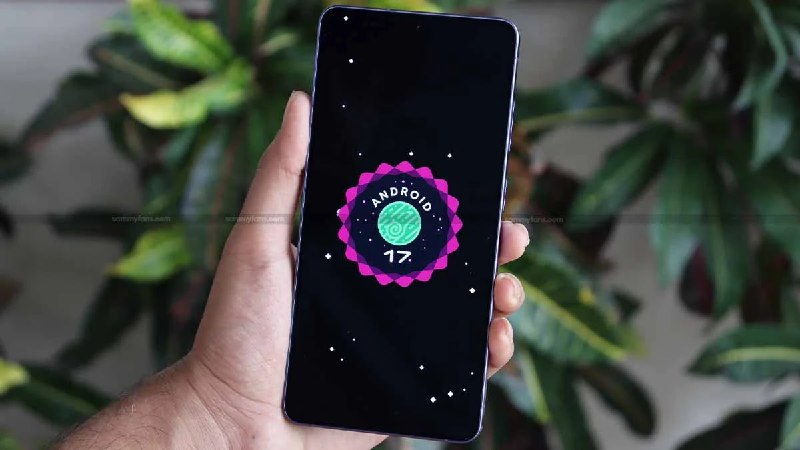
Strengthened Security Measures in Android 17 The release of Android 17 marks a significant leap forward in mobile security, particularly in how it manages password and PIN protection. Recognizing the increasing threats posed by unauthorized access, Google has implemented a robust new security feature that greatly decreases the number of password guesses allowed before locking the device. This change is designed to enhance user data protection and provide peace of mind in an era increasingly defined by cyber threats. A Drastic Reduction in Guess Allowances Historically, previous versions of the Android operating system permitted users up to 1,800 guesses over a span of five years. This allowance left ample opportunity for unauthorized individuals to potentially gain access to locked devices if they employed automated guessing techniques. However, Android 17 takes a different approach, imposing a strict limit of just 20 total guesses. The Implications of the Change This decision has significant implications for user security: Increased Security: By drastically reducing the guess limit, Android 17 minimizes the chances of brute force attacks, where unauthorized parties systematically attempt different PINs or passwords. User Vigilance: With fewer guesses allowed, users may become more vigilant about choosing complex and unique passwords, further enhancing their overall security posture. Protection Against Automated Attacks: Automated scripts that could previously cycle through endless combinations now face a much tougher challenge, thereby safeguarding personal data more effectively. Comparison of Guess Limits Android Version Maximum Total Guesses Time Period Older Versions 1,800 5 years Android 17 20 Indefinite until lockout Unpacking the Technological Shift The rationale behind this shift lies in the evolving landscape of cybersecurity threats. With data breaches and identity theft becoming increasingly commonplace, manufacturers are continually reassessing the balance between user convenience and robust security features. Android 17's approach actively prioritizes security by making it exceedingly difficult for malicious actors to gain access to personal data. Conclusion Android 17 presents an invaluable enhancement to user security with its stringent guess limit. By concentrating on reducing the opportunities for unauthorized password attempts, this upgrade offers a clearer, more comprehensive approach towards safeguarding personal information. As technology continues to evolve, so too must the measures we implement to protect against ever-present threats. With Android 17, users can now engage with their devices in a secured environment, knowing their data is significantly better protected.

HyperOS App Finder Update - Version 1.25.0 In a continuous effort to enhance user experience, HyperOS has rolled out its latest update for the App Finder, version 1.25.0. This update is set to provide users with a more streamlined approach to discovering and managing applications on their devices. Key Features of Version 1.25.0 Enhanced User Interface: The update introduces a refreshed design that is more intuitive and user-friendly. Users can now navigate through the app finder with ease. Faster Search Capabilities: The search algorithms have been optimized, ensuring quicker access to desired applications, resulting in improved response times. Personalized Recommendations: The update leverages advanced machine learning algorithms to offer tailored app suggestions based on user habits and preferences. Improved Filtering Options: Users can refine searches using various filters, making it easier to find apps that suit specific needs. Bug Fixes and Performance Enhancements: Numerous underlying issues have been addressed, ensuring a smoother overall experience. Implications for Users The introduction of version 1.25.0 signifies HyperOS's commitment to maintaining a competitive edge in the market of app discovery tools. Users are likely to experience increased productivity thanks to faster access to applications and personalized recommendations that cater to individual preferences. As mobile devices become central to daily tasks, the ability to efficiently find and manage applications is more critical than ever. Summary of Changes Feature Description Enhanced User Interface Refreshed design for improved usability. Faster Search Capabilities Optimized algorithms for quicker app access. Personalized Recommendations Tailored suggestions based on user behavior. Improved Filtering Options Refined filters for better search results. Bug Fixes Resolved underlying issues for smoother performance. Conclusion Version 1.25.0 of the HyperOS App Finder update is a strategic enhancement aimed at improving user experience through innovative features and performance improvements. With its focus on personalization and efficiency, HyperOS continues to position itself as a leader in the app management space.
![Samsung Unveils Exciting First Teasers for Galaxy Z Fold 8: 'New Shape, New Joy' [Gallery]](https://im.congnghedaukhi.com/?url=https%3A%2F%2Fcdn4.telesco.pe%2Ffile%2FSUNoU8_qIVaUXBcCercAYCsWjJCBby1brP5VbNVwYo49jkrmXE9RID3dmTDG-nd34YkLaQymgb78OhxcI5mcOOKqrcDvdclnjwuyyEmBq99sKe9ir5_AetTYZm5XZ6YoaCwuCGvdugBudLKZIFhTLSaMW90c19bLqfsFaDvfkWeZb_aKs1FEdrI_pe1vqjIRBX_UMAz0BuouAggKjid0FN2Qwn75NkSG7_wPyxYZQZWLPG6y2gonNVnIgY3FIM1_GhdyWFwpIVsqrBj8gNUMFGGGpEwzhNhU1-W2wZCKyn-fP-6N3MDhdR7FrHNQ5ojT0jXMObDhtwHZTpcdxlRRhQ.jpg)
Samsung Reveals First Official Teasers for Galaxy Z Fold 8: 'New Shape, New Joy' In a strategic move that has excited tech aficionados and industry analysts alike, Samsung has unveiled the first official teasers for its highly anticipated Galaxy Z Fold 8. Under the captivating tagline "New Shape, New Joy," the teasers hint at significant advancements and a complete redesign of the popular foldable smartphone series. A Glimpse of What’s to Come The teasers, shared across various media platforms, showcase the innovative design elements that are expected to distinguish the Galaxy Z Fold 8 from its predecessors. Samsung's emphasis on the phrase "New Shape" suggests a shift in the device's form factor, which could enhance user experience and functionality. What to Expect: Features and Design Enhancements While concrete details remain sparse, industry sources hint at several upgrades that may be included in the upcoming Galaxy Z Fold 8: Improved Display Technology: Expectations are high for advancements in screen durability and resolution, potentially using new materials that enhance clarity while minimizing crease visibility. Enhanced Multitasking Capabilities: The upcoming device may offer improved software features aimed at optimizing productivity, allowing users to manage multiple applications simultaneously with ease. Battery Life and Charging: Efforts to extend battery life without increasing device thickness could play a key role in consumer appeal, along with faster charging capabilities. Camera Upgrades: Enhanced camera functionalities, possibly featuring advanced sensors and improved computational photography, are anticipated to draw interest from photography enthusiasts. Industry Response and Market Implications Initial reactions from tech analysts have been overwhelmingly positive. The innovative tagline has generated speculation about what new features Samsung may introduce, placing particular emphasis on how these changes could impact the competitive landscape of the foldable smartphone market. As the foldable market is still in its nascent stages, the Galaxy Z Fold 8 has the potential to either cement Samsung’s dominance or initiate a challenging competition with rival brands. Consumers are eager to witness how the "New Shape, New Joy" concept translates into real-world performance, especially amid rising player entry into the foldable segment. Looking Ahead: Anticipated Launch Dates While Samsung has not officially confirmed a release date for the Galaxy Z Fold 8, industry insiders speculate that the device may debut within the next few months, aligning with Samsung's typical product rollout schedule. Feature Potential Enhancements Display Improved durability and resolution Multitasking Enhanced software for better app management Battery Extended life and faster charging Camera Advanced sensors and computational photography Conclusion As Samsung sets the stage for its Galaxy Z Fold 8, the tech world eagerly awaits further announcements. The "New Shape, New Joy" theme encapsulates the brand's commitment to innovation, suggesting that significant breakthroughs in technology and user experience may soon be unveiled. For consumers, the upcoming launch promises to be an exciting chapter in the evolution of smartphones.

Discovering the Samsung Galaxy Z Flip 7: A Week Without Unfolding In the ever-evolving landscape of smartphone technology, foldable devices are emerging as a prominent trend, solidifying their place in the mainstream market. Among these devices, the Samsung Galaxy Z Flip 7 stands out, exemplifying both innovation and style. This article recounts an intriguing week-long experience with the Galaxy Z Flip 7, focusing on the unique challenges and unexpected joys of living with a foldable phone, especially one that I initially chose not to unfold. The Initial Resistance Upon receiving the Samsung Galaxy Z Flip 7, my instinct was to keep it closed. The allure of the compact design was undeniable, but there was a lingering hesitation about transitioning from a traditional smartphone experience. The thought of using a foldable phone prompted a mix of curiosity and skepticism. Would it really offer practical benefits in daily life? Could it meet my expectations for functionality and usability? These questions fueled my decision to avoid unfolding the device for an entire week. Design: A Statement Piece Initially, I couldn't overlook the sleek aesthetics of the Galaxy Z Flip 7. With its glossy finish, vibrant color options, and innovative clamshell design, it exudes a modern charm that appeals to a broad audience. In its folded state, it easily fits into pockets and small bags, making it an ideal companion for those on the go. This compactness means that the device is not just a phone but a fashion accessory, reflecting personal style while also being practical. As I carried it around, I received compliments and curiosity from friends and colleagues, further fueling my interest in the device. Daily Use and Challenges Despite my reluctance to unfold the Galaxy Z Flip 7, I began using its features in its closed state. The cover screen offered a range of functionalities that surprised me. I could check notifications, answer calls, and even interact with certain apps—all without having to open the phone. Below are some key features I discovered: Notifications: Accessing alerts quickly became second nature. The cover screen displayed time, messages, and calls, allowing for discreet checks. Widgets: Customizable widgets provided quick access to music controls and weather updates. Camera Features: The ability to use the cover screen as a viewfinder for selfies was a delightful bonus, enhancing my photography experience. The Turning Point As the week progressed, curiosity began to outweigh my initial hesitation. I found myself contemplating the benefits of unfolding the device—was I missing out on the full experience? The moment finally arrived when I decided to open the Galaxy Z Flip 7. Instantly, I was immersed in its vivid 6.7-inch AMOLED display. The transition to a wide screen felt liberating. Watching videos, browsing content, and multitasking became visually engaging experiences. The flexibility of the device opened new avenues for creativity and productivity, such as: Flex Mode: The ability to prop the phone at various angles enhanced video calls and streaming sessions. Multitasking Capability: The large screen allowed for seamless app transitions and split-screen functionality. Unexpected Affection To my surprise, I developed an unexpected fondness for the Galaxy Z Flip 7. The fusion of style and functionality resonated with my lifestyle. Not only did it serve as a tool for communication, but it also became a source of enjoyment and exploration. This device perfectly encapsulated a sense of modern sophistication while adhering to practical needs. Conclusion The experience of living with the Samsung Galaxy Z Flip 7 for a week, particularly refusing to unfold it at first, transformed my perception of foldable technology. Initially viewed with skepticism, the Galaxy Z Flip 7 exemplified how innovation can bridge the gap between form and function. For those considering a foldable smartphone, the Galaxy Z Flip 7 delivers a blend of style, convenience, and cutting-edge technology, making it a compelling option in today’s smartphone market. My journey with this device was enlightening, revealing not just its capabilities but also how it can fit seamlessly into a modern lifestyle. Feature Galaxy Z Flip 7 Display 6.7-inch AMOLED Cover Screen 1.9-inch AMOLED Camera Dual 12MP Rear, 10MP Front Battery Capacity 3,700 mAh Weight 183g Operating System Android 12 This experience shed light on how, sometimes, the most unanticipated situations can lead to the greatest discoveries and affinities. In a world where technology continuously pushes boundaries, the Galaxy Z Flip 7 stands as a testament to that innovation, inviting users to embrace the future of smartphones.

Comparative Analysis: Samsung Galaxy M47 5G vs. OnePlus N6 The market for budget smartphones is a vibrant one, with manufacturers striving to deliver high-quality devices at competitive prices. Among the latest entries into this space are the Samsung Galaxy M47 5G and the OnePlus N6. Priced under ₹25,000, both models promise to deliver impressive features and specifications. This article will provide a detailed comparison of these two devices to help you make an informed purchasing decision. Design and Display Display quality is often one of the most critical aspects for smartphone users. In this regard, the Samsung Galaxy M47 5G comes equipped with a 6.7-inch FHD+ Super AMOLED display and supports a 120Hz refresh rate . This combination results in vibrant colors and deep contrasts, enhancing the overall viewing experience. Additionally, the incorporation of Gorilla Glass Victus+ adds a layer of durability, making the device more resilient to accidental drops. In contrast, the OnePlus N6 features a slightly larger 6.8-inch HD+ IPS LCD display , also with a 120Hz refresh rate. While the LCD screen provides a satisfactory visual experience, it lacks the richness and vibrancy found in AMOLED displays. Overall, the display performance of the Samsung Galaxy M47 5G positions it as the superior choice for media consumption. Performance The under-the-hood performance of a smartphone is just as crucial as its design. The Samsung Galaxy M47 5G is powered by the Snapdragon 6 Gen 3 processor , which is paired with 12GB of LPDDR5X RAM and 128GB of UFS 3.1 storage . This configuration allows for swift multitasking and effective handling of demanding applications. On the other hand, the OnePlus N6 employs the MediaTek Dimensity 6360 Apex processor , alongside 8GB of LPDDR4X RAM and 128GB of UFS 2.2 storage . While this setup is competent for everyday tasks, it may struggle with more resource-intensive applications compared to the impressive performance of the Snapdragon 6 Gen 3. Camera Capabilities Photography enthusiasts will be pleased to note that both smartphones offer robust camera capabilities. The Samsung Galaxy M47 5G features a triple rear camera setup, which includes a 50MP primary sensor , a 5MP ultra-wide-angle lens , and a 2MP macro lens . The presence of Optical Image Stabilization (OIS) enhances image quality, especially in low-light conditions. Conversely, the OnePlus N6 comes equipped with a dual rear camera configuration that includes a 50MP primary sensor and an 8MP ultra-wide-angle lens . While both smartphones provide sharp images, the added OIS feature in the Galaxy M47 5G gives it an edge, significantly enhancing the photographic experience. Battery Life When it comes to battery life, the OnePlus N6 takes the lead with an impressive 8000mAh battery . This large battery capacity ensures extended usage time, making it especially beneficial for heavy users who do not wish to recharge frequently. The N6 is also equipped with 45W SUPERVOOC charging , allowing for swift recharges. In comparison, the Samsung Galaxy M47 5G has a 6000mAh battery , which, while certainly respectable, is dwarfed by the capacity of the N6. The Galaxy M47 5G also supports 45W fast charging , making it a competitive option in terms of recharge speed. Software Experience Both smartphones operate on Android 16 , but they come with different user interfaces that significantly affect user experience. The Galaxy M47 5G features One UI 8.5 , known for its extensive features and user-friendly design. It promises 6 OS updates and 6 years of security updates , ensuring longevity and security. Meanwhile, the OnePlus N6 runs a lighter version of OxygenOS , which lacks some features and live alerts present in One UI 8.5. While streamlined, this lite version may not provide users with the robust experience that Galaxy M47 5G offers. Specifications Overview Feature Samsung Galaxy M47 5G OnePlus N6 Display 6.7" FHD+ Super AMOLED, 120Hz 6.8" HD+ IPS LCD, 120Hz Processor Snapdragon 6 Gen 3 MediaTek Dimensity 6360 Apex RAM 12GB LPDDR5X 8GB LPDDR4X Storage 128GB UFS 3.1 128GB UFS 2.2 Rear Camera 50MP + 5MP + 2MP (OIS) 50MP + 8MP Front Camera 12MP 8MP Battery Capacity 6000mAh 8000mAh Charging 45W Fast Charging 45W SUPERVOOC Charging Operating System Android 16 | One UI 8.5 Android 16 | Lite version OxygenOS Updates 6 OS Updates | 6 Years Security Updates Standard Updates Conclusion In summation, the choice between the Samsung Galaxy M47 5G and the OnePlus N6 largely depends on individual preferences and priorities. The Galaxy M47 5G is the superior option for those who value a high-quality AMOLED display, robust performance, and a comprehensive software experience with extensive updates. Conversely, if battery longevity and affordability are at the forefront of your decision-making, the OnePlus N6 presents a compelling alternative. Your selection will ultimately reflect your personal usage patterns and device priorities. Final Thoughts Ultimately, both smartphones have their unique selling points that cater to different types of users. Whether you lean towards the vibrant visuals and performance of the Samsung Galaxy M47 5G or the formidable battery life of the OnePlus N6, each phone delivers exceptional value within the ₹25,000 segment. The question remains: Under ₹25,000—AMOLED or an 8000mAh battery? Your needs will guide your choice.

PlayStation’s Physical Media-Free Future: An In-Depth Look The gaming landscape is undergoing a significant transformation, one that raises substantial concerns about the future of physical media, especially in the realm of renowned platforms like PlayStation. As the industry increasingly leans towards a digital-first approach, it is not just a matter of preference—it's a fundamental change that could dictate the way we experience games in the future. This transition is not only problematic; it could be perceived as offensive to gamers who value ownership and integrity. Digital Purchases: A Question of Trust With digital purchases becoming the norm, serious questions arise regarding trust in the corporations that manage these transactions. Unlike physical media, where gamers can own tangible copies of their favorite titles, digital games come with restrictive licensing agreements that often bypass traditional notions of ownership. This leads to an unsettling reality: when a consumer buys a digital game, they are not purchasing the game outright but rather licensing the right to access it. Fears of Corporate Control One of the most disconcerting aspects of a physical media-free future is the potential for corporate control over game access. Companies like Sony, which owns PlayStation, can unilaterally decide when or if games can be accessed, potentially leaving players in the dark should the company choose to delist a title or shut down servers. This isn't merely hypothetical; there have been numerous instances where digital titles have been removed from storefronts, leaving players without access to their purchased games. Issues with Digital Ownership Examples Loss of access to purchased games Games removed from stores or servers shut down Restrictions on game sharing Limited ability to lend or sell games Updates and compatibility issues Older games may become unplayable due to system updates The Community Response: A Call to Action The growing sentiment among the gaming community is one of unease and disappointment. For many gamers, the shift toward a predominantly digital marketplace feels like a loss of autonomy. Digital ownership issues have led to vocal advocates pushing for better consumer rights in gaming. Gamers are now more aware that they need to demand transparency and better terms from corporations to ensure they are protected in a digital-only world. Advocating for clearer licensing agreements Lobbying for more robust consumer protection laws Supporting physical editions of games as a means of ensuring ownership Conclusion: Looking Ahead As we traverse an era where digital media appears poised to dominate, it’s crucial to understand the implications of this shift. The allure of convenience and immediate access to games must be weighed against the potential pitfalls of digital ownership and corporate control. The future of PlayStation and gaming at large may be heavily influenced by these dynamics, but it ultimately lies in the hands of the gaming community to demand better practices. The fight for digital rights in the gaming world is far from over, and cultivating a culture of transparency and respect for consumer rights is paramount to ensuring that players remain at the heart of this industry.

Honor Unveils Real-Time Update Progress Bar for Games in Latest MagicOS Update Honor, a prominent player in the smartphone and technology sector, has recently announced a significant enhancement to its MagicOS operating system. The latest update introduces an innovative feature: a real-time update progress bar specifically designed for gaming applications. This advancement aims to enhance user experience by providing players with a clear insight into the installation and updating processes of their favorite games. Enhanced User Experience for Gamers The newly launched progress bar addresses a common pain point among gamers—uncertainty regarding update durations. Traditionally, when games require updates, users are often left in the dark regarding the timeline and the status of the installation process. With the introduction of this feature, players can expect: A transparent view of the real-time installation or updating process. Accurate estimations of how long updates will take. A behind-the-scenes glimpse of what's occurring during the update. This enhanced visibility is not only beneficial for gamers but also elevates the overall functionality and appeal of the MagicOS ecosystem. Upcoming Rollout and Compatibility Honor has confirmed that this exciting new feature will soon be available to all eligible devices through the forthcoming software build of MagicOS. The strategic rollout aligns with the company's commitment to continuously improve user experience and address the ever-evolving needs of the gaming community. Summary of the MagicOS Update Feature Feature Description Real-Time Update Progress Bar Displays real-time installation and update processes for gaming apps. Time Estimation Provides users with a clear timeline on how long updates will take. Transparency Offers insight into background processes, enhancing user understanding. Rollout Availability Expected to be launched across all eligible devices in the next software build. Conclusion With this groundbreaking update, Honor not only reiterates its commitment to providing a robust gaming experience but also positions MagicOS as a competitive and user-friendly platform in the dynamic world of mobile gaming. The real-time update progress bar is set to significantly elevate the user experience, making it more immersive and engaging for players. As Honor continues to innovate, gamers can look forward to a seamless and enhanced gaming technology ecosystem.
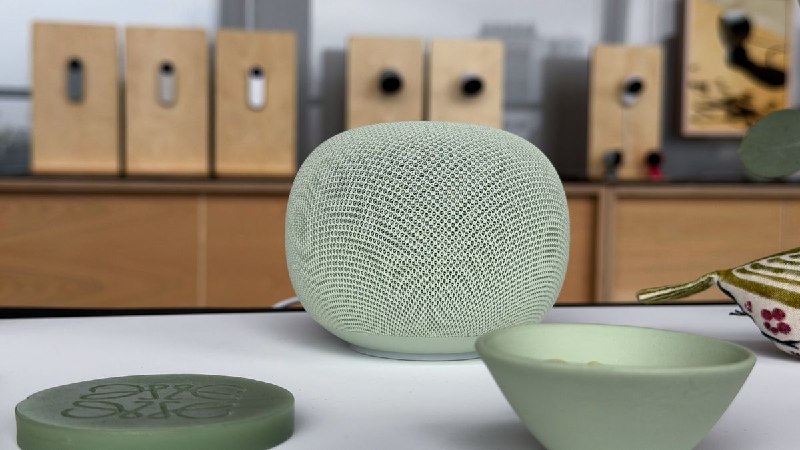
Google Home Speaker Faces Initial Setback with User Complaints In the realm of smart home technology, user experience often dictates the success of a product. This truth is echoing through the launch of the new Google Home Speaker, which, despite its promise, is encountering a rocky start. Many early adopters are reporting significant delays in the speaker’s responsiveness, leading to widespread discontent and returns. Google, however, is actively addressing these issues and promises a forthcoming solution. The User Experience: A Troubling Start Recent feedback from consumers highlights a troubling trend regarding the new Google Home Speaker. Users have noted that the device exhibits noticeable lags between voice commands and responses. This lag reduces the seamless interaction that is expected from a cutting-edge smart home device. Delayed responses to voice commands Frustration leading to product returns Negative reviews affecting brand perception In online forums and review sites, the sentiment is surprisingly consistent. Many users have reported that the delays are not only annoying but also render the speaker less functional for tasks that require immediate action, such as setting timers or controlling other smart home devices. Google’s Response and Future Updates In light of the backlash, Google has acknowledged the complaints and is actively working on a solution to rectify the issues plaguing the new speaker. The company has stated that it is investigating the cause of the delays and aims to roll out a firmware update that should enhance performance. Specific details regarding the update timeline have not yet been disclosed. Google acknowledges user feedback Investigation into performance issues ongoing Upcoming firmware update promised This proactive approach indicates that Google is committed to improving the user experience and maintaining customer trust in its products. The tech giant's previous iterations of the Google Home line have been well-received, and it is clear that they aim to rectify any issues quickly to restore confidence in their offerings. Customer Sentiment: An Analysis The feedback from consumers provides a glimpse into the critical factors influencing their perceptions of smart devices. Delayed responses not only frustrate users but also raise questions about the reliability of voice-activated technology. The current dissatisfaction may lead to a decline in sales unless Google effectively addresses these concerns. Issue User Feedback Google's Response Delayed Response Significant lag reported by users Investigating and working on a solution Product Returns Many users opting to return devices Addressing issues with updates Brand Perception Negative reviews surfacing online Commitment to customer satisfaction Conclusion The new Google Home Speaker’s initial performance is raising eyebrows. However, with the company actively seeking to improve the situation, there remains hope for a turnaround. As the tech world keeps a close watch, the success of forthcoming updates may dictate whether the new speaker can regain the trust of its user base or if it will fade into the annals of tech missteps. For consumers, the upcoming updates could very well determine the longevity of their engagement with Google's smart home ecosystem.

OPPO Find X9: The Ultimate Flagship Smartphone Under ₹70,000 In an increasingly competitive smartphone market, OPPO has made its mark with the launch of the OPPO Find X9. Priced at ₹66,999*, the device is available exclusively on Flipkart, positioning itself as one of the top choices in the premium segment. With the recent stock depletion of the OnePlus X300, the Find X9 emerges as an exceptional alternative for consumers looking for robust features and unparalleled performance in this price range. Key Specifications of OPPO Find X9 Specification Details Display 6.59" 1.5K Flat OLED Processor MTK 9500 Camera 50MP (LYT808) + 50MP Ultra-Wide (JN5) + 50MP 3x Periscope Battery 7000mAh with 100W Fast Charging Water and Dust Resistance IP68/69 Display and Performance The OPPO Find X9 boasts a stunning 6.59-inch 1.5K Flat OLED display, providing vibrant colors and razor-sharp clarity that is perfect for gaming, streaming, and everyday use. This advanced display technology ensures that users enjoy an immersive visual experience, whether they are watching videos or scrolling through social media. Under the hood, the smartphone is powered by the MTK 9500 processor, which ensures smooth multitasking and high performance, even under demanding conditions. With this powerful chip, users can expect enhanced graphics and speed, making it suitable for both casual users and tech enthusiasts alike. Camera Capabilities Photography enthusiasts will appreciate the robust camera setup on the Find X9. It features a triple camera arrangement, consisting of: 50MP Main Camera (LYT808) 50MP Ultra-Wide Camera (JN5) 50MP 3x Periscope Telephoto Camera This advanced camera system offers a versatile range of photography options, from stunning landscape shots to detailed portraits. The high megapixel count combined with OPPO's camera technology ensures crisp, clear images even in challenging lighting conditions. Battery Life and Charging With a generous 7000mAh battery capacity, the OPPO Find X9 has the endurance to last through a day's heavy use. The device is also equipped with 100W fast charging capabilities, allowing users to quickly power up their phone and get back to their tasks without long waiting times. This feature not only enhances convenience but also makes it ideal for users who are always on the go. Durability and Design The OPPO Find X9 is designed with durability in mind. It features an IP68/69 rating, which provides protection against dust and water. This means users can confidently carry their phone in various environments without the fear of damage from spills or rain. Conclusion In summary, the OPPO Find X9 is a formidable contender in the premium smartphone market, offering exceptional specifications at a competitive price of ₹66,999*. With its powerful performance, outstanding camera capabilities, impressive battery life, and robust durability features, it stands out as one of the best options for consumers under ₹70,000. As the OnePlus X300 is currently out of stock, the Find X9 represents a prime opportunity for those seeking a powerful, feature-rich smartphone.

Xiaomi 18 Series Camera Lineup: A Deep Dive into the Leaked Specifications Recent leaks surrounding the highly anticipated Xiaomi 18 Series have stirred excitement and curiosity among tech enthusiasts and photography aficionados alike. The lineup is expected to include three flagship models, each equipped with innovative features such as LoFIC (Low-Frequency Interference Cancellation) sensors and advanced telephoto macro capabilities. This article delves into the specifics of each model, highlighting their unique attributes and specifications. An Overview of the Xiaomi 18 Series The Xiaomi 18 Series promises to push boundaries in mobile photography with three distinct variants: Compact, Pro, and Ultra. Each model caters to different user preferences and photographic needs, yet all are designed to deliver exceptional quality and performance. Model Main Camera Additional Features Focus Distance Battery Capacity Compact 200MP Dual Camera N/A Speculative 7,000 - 8,500 mAh Pro 200MP Telephoto + Telephoto Macro ~15cm Speculative 7,000 - 8,500 mAh Ultra LoFIC Sensor Premium Imaging N/A Speculative 7,000 - 8,500 mAh Model Details 1. Compact Model The Compact model stands out with its 200MP main camera paired with a dual-camera setup. This variant is designed for those who prefer a smaller form factor without compromising on photographic prowess. Ideal for casual photographers, its intuitive design becomes a valuable companion for daily photography. 2. Pro Model The Pro model takes mobile photography to the next level, featuring the same 200MP main camera but complemented by a telephoto lens and a specialized telephoto macro lens. This model is particularly noteworthy for its impressive focusing capabilities, achieving sharp images at distances as close as 15 centimeters, making it perfect for detailed close-ups in various environments. 3. Ultra Model The Ultra variant emerges as the flagship of the series. It is equipped with a LoFIC sensor aimed at enhancing image quality under challenging light conditions. Expected to include the most substantial hardware, this model caters to professional photographers and imaging specialists, offering a premium experience in mobile photography. Battery Specifications While specifications for individual variants vary, a consistent theme across all three models is their substantial battery capacities. All models are speculated to be equipped with batteries in the range of 7,000 to 8,500 mAh. This impressive capacity is expected to ensure extended usage time, allowing users to maximize their photography experiences without frequent recharges. Conclusion The leaked specifications of the Xiaomi 18 Series camera lineup reveal a commitment to pushing the boundaries of mobile photography. With the introduction of innovative features such as LoFIC sensors and advanced telephoto macro capabilities, Xiaomi is set to cater to a broad spectrum of users, from casual smartphone photographers to professional image makers. As the launch date approaches, anticipation continues to build for what could be a game-changing addition to the smartphone market.

Apple's Next-Generation iPhone Air: Major Upgrades Set for Spring Launch In a significant development for Apple enthusiasts, the tech giant is reportedly testing the highly anticipated next-generation iPhone Air, which is expected to launch in the spring of 2027. According to renowned tech journalist Mark Gurman, this latest iteration of the ultra-thin device aims to address two of the most frequently cited concerns among current users. Key Upgrades to Anticipate Enhanced Camera System: One of the standout features of the upcoming iPhone Air will be an additional ultra-wide camera. This upgrade promises to enhance photography capabilities, a feature that many users have requested. Improved Battery Life: The new A20 Pro chip, manufactured using a cutting-edge 2nm process, is designed to significantly boost battery efficiency. Even though the device’s overall dimensions are expected to remain unchanged, users can look forward to extended battery life largely due to this advanced chip technology. Device Specifications Overview While the physical dimensions and battery capacity of the iPhone Air will largely mirror those of its predecessor, the focus on power efficiency—thanks to the A20 Pro chip—aims to deliver a noticeable improvement in performance without altering size or weight. Importantly, the potential inclusion of a second speaker and a fully functional USB-C port remains uncertain at this time. Feature Current iPhone Air Next-Gen iPhone Air Camera System Single Ultra-Wide Dual Ultra-Wide Chip A15 Chip A20 Pro (2nm process) Battery Life Standard Efficiency Enhanced Efficiency via Chip Dimensions Unchanged Unchanged Second Speaker No Uncertain USB-C Port No Uncertain Shifting Release Strategies at Apple In line with the company’s evolving strategy, Apple has decided to streamline its iPhone release schedule. It is anticipated that this fall, Apple's flagship line will make its debut, consisting of the iPhone 18 Pro, iPhone 18 Pro Max, and the brand new foldable device, the iPhone Ultra. The launch of the standard iPhone 18, along with the second-generation iPhone Air and iPhone 18e, is now slated for spring 2027. As Apple continues to innovate and refine its product offerings, the upcoming iPhone Air appears poised to deliver on user expectations while enhancing the overall smartphone experience. Stay tuned for further updates as the launch date approaches.
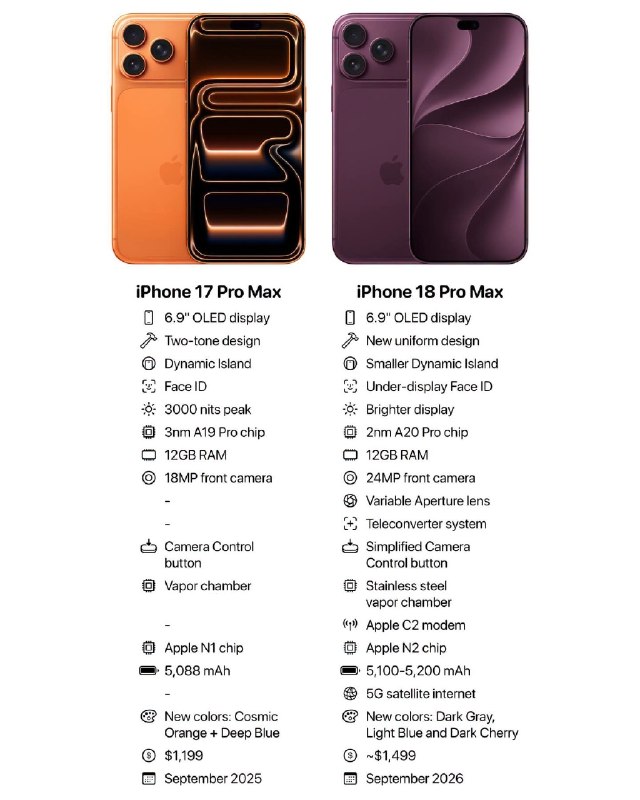
iPhone 17 Pro Max vs. iPhone 18 Pro Max: A Comprehensive Comparison As the technological landscape continues to evolve, Apple remains at the forefront of innovation, regularly releasing new iterations of its flagship iPhone series. The emergence of the iPhone 18 Pro Max poses an essential consideration for users deciding between upgrading from the iPhone 17 Pro Max or purchasing the latest model. This article delves into the key differences, features, and specifications of both devices, providing a detailed analysis for prospective buyers. Design and Display The design ethos of the iPhone series has always focused on elegance and functionality. Both the iPhone 17 Pro Max and iPhone 18 Pro Max emphasize these principles, although subtle differences exist. Feature iPhone 17 Pro Max iPhone 18 Pro Max Dimensions (mm) 160.5 x 77.6 x 7.85 160.5 x 77.6 x 7.85 Weight (g) 238 238 Display Type Super Retina XDR Super Retina XDR with ProMotion Refresh Rate 120Hz ProMotion (up to 120Hz adaptive) Both devices maintain identical dimensions and weight, featuring a durable design that includes a ceramic shield front and a textured matte glass back. However, the iPhone 18 Pro Max incorporates an enhanced Super Retina XDR display with ProMotion technology that supports adaptive refresh rates, making visuals smoother during intense gaming or scrolling. Performance Performance is a critical factor for smartphone users, and Apple consistently delivers on this front. The iPhone 17 Pro Max is powered by the A16 Bionic chip, renowned for its speed and efficiency. However, the iPhone 18 Pro Max features Apple’s latest A17 Bionic chip, which offers significant enhancements. Specification iPhone 17 Pro Max iPhone 18 Pro Max Processor A16 Bionic A17 Bionic RAM 6GB 8GB Storage Options 128GB, 256GB, 512GB, 1TB 256GB, 512GB, 1TB, 2TB The A17 Bionic chip in the iPhone 18 Pro Max not only boosts processing power but also improves graphics performance, making it ideal for gaming and graphics-intensive applications. Moreover, the increase in RAM from 6GB in the iPhone 17 Pro Max to 8GB enhances multitasking capabilities. Camera Capabilities Camera quality is a pivotal element that influences phone purchases. Both the iPhone 17 and 18 Pro Max boast exceptional camera systems, but the iPhone 18 Pro Max offers notable upgrades. Feature iPhone 17 Pro Max iPhone 18 Pro Max Main Camera 48 MP 48 MP with improved sensor Ultra-Wide Camera 12 MP 12 MP with enhanced low-light performance Telephoto Camera 12 MP 12 MP with improved optical zoom Video Recording 4K at 60fps 4K at 60fps with advanced stabilization While both models feature a 48 MP main camera, the iPhone 18 Pro Max includes an improved sensor for enhanced low-light photography, as well as better optical zoom capabilities. These enhancements make it a worthy choice for photography enthusiasts. Battery Life and Charging With high-performance components, battery life remains a significant concern for users. Apple claims that both models can last through a full day of regular use, but the iPhone 18 Pro Max benefits from advancements in efficiency with the A17 chip. Feature iPhone 17 Pro Max iPhone 18 Pro Max Battery Capacity (mAh) 4352 4500 Fast Charging Yes (20W) Yes (up to 30W) Wireless Charging MagSafe MagSafe with enhanced efficiency The battery life is extended slightly in the iPhone 18 Pro Max with a larger capacity and more efficient chip architecture, making it an enticing option for power users. Software Both the iPhone 17 Pro Max and iPhone 18 Pro Max run on Apple's iOS, which provides a seamless user experience enhanced by regular updates. However, the iPhone 18 Pro Max may launch with the latest version, featuring exciting new functionalities and optimizations. Conclusion: Which One Should You Choose? In the battle between the iPhone 17 Pro Max and the iPhone 18 Pro Max, potential buyers must consider various factors, including performance requirements, photography needs, and budget. The iPhone 18 Pro Max emerges as a highly competitive device, bringing improvements in processing power, camera capabilities, and overall efficiency. Choose the iPhone 17 Pro Max if: You want a strong all-round smartphone with many features and excellent performance at a potentially lower price. Choose the iPhone 18 Pro Max if: You seek cutting-edge technology, superior camera performance, and improved multitasking capabilities. Ultimately, whether sticking with the iPhone 17 Pro Max or upgrading to the iPhone 18 Pro Max, Apple’s offerings continue to set the standard in the smartphone arena.
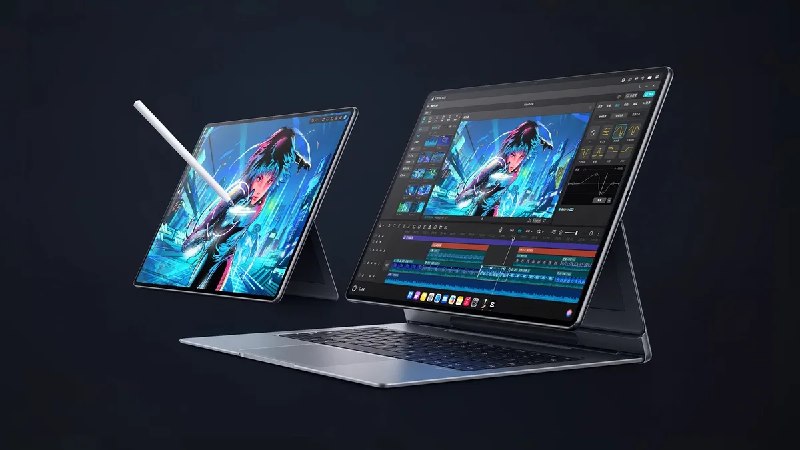
New Huawei MatePad OLED Tablets: Ultra-Narrow Bezels and Impressive Features Huawei, the renowned telecommunications and consumer electronics giant based in China, is reportedly on the verge of unveiling its latest innovations in tablet technology, the new MatePad series. Leaked information has emerged, showcasing these devices boasting ultra-narrow bezels, aiming to deliver an immersive user experience while maintaining a sleek design. Design and Display The standout feature of the upcoming Huawei MatePad OLED tablets appears to be their ultra-narrow bezels. This design approach maximizes screen real estate, providing users with a more expansive view for both productivity and entertainment purposes. The OLED technology employed in the display promises vibrant colors and deeper blacks, enhancing the visual experience. Feature Details Screen Type OLED Bezel Width Ultra-Narrow Aspect Ratio 16:10 Resolution Up to 2560 x 1600 Performance and Specifications The MatePad tablets are expected to incorporate powerful hardware to cater to both casual users and professionals alike. While specific details about the internal processors remain undisclosed, industry insiders anticipate the deployment of the latest Kirin chipsets, providing enhanced performance and efficiency. Moreover, these tablets are likely to support various productivity features and multitasking capabilities, making them suitable for both work and leisure. Operating System and Software Running on HarmonyOS, Huawei's proprietary operating system, the new MatePad series promises a seamless integration of apps and services. Users will benefit from Huawei’s ecosystem, ensuring compatibility with various devices and applications. Anticipated features include: Split-screen multitasking Enhanced app performance Access to Huawei Mobile Services (HMS) Potential Market Impact The introduction of the new Huawei MatePad OLED tablets could significantly impact the tablet market, especially amid stiff competition from established brands such as Apple and Samsung. With their cutting-edge design and advanced specifications, these devices are poised to attract both tech enthusiasts and general consumers seeking versatile and visually appealing tablets. Conclusion As the anticipation builds for the official launch of the Huawei MatePad OLED tablets, the leaked details have already stirred considerable interest. With their ultra-narrow bezels, advanced OLED displays, and powerful performance, Huawei is aiming to redefine the tablet experience. Stakeholders and consumers alike will be closely watching to see how these innovations will shape the future of mobile computing.

Lumio's Project Neo: Transforming Your Social Media into a TV Search Companion In an innovative leap within the realms of digital entertainment and social media, Lumio has officially unveiled its latest initiative, Project Neo , aimed at revolutionizing how users discover and interact with television content through popular platforms like WhatsApp and Instagram. This groundbreaking project seeks to seamlessly integrate your social media experience with TV content discovery, thereby enhancing the overall viewing experience for users. The Concept Behind Project Neo With the rapid evolution of technology, consumption patterns have witnessed a significant shift—from traditional cable television to streaming platforms and social media-driven content engagement. Lumio’s Project Neo capitalizes on this trend by allowing users to leverage their existing social media networks as a means to uncover and manage television content. The primary aim is to provide a more personalized and engaging way to discover what to watch, eliminating the often overwhelming task of sifting through countless streaming options. How It Works Project Neo allows users to interact with their favorite social media apps—namely WhatsApp and Instagram—to facilitate TV content discovery in a user-friendly manner. Here’s how it functions: Content Recommendations: Users can receive tailored TV show and movie recommendations directly through chats and feeds based on their interests and viewing history. Interactive Features: By initiating conversations or engaging with posts, users can ask for suggestions, reviews, or additional information about specific shows, which fosters a more collaborative discovery process. Sharing Options: Users can easily share their favorite finds with friends or family, sparking discussions and facilitating group viewing decisions. The Impact of Social Media on TV Watching Habits Social media has profoundly influenced how audiences engage with television content. By harnessing the power of platforms like WhatsApp and Instagram, Lumio aims to bridge the gap between social interactions and media consumption. According to recent studies, more than 50% of users discover new shows and movies through social networks. Project Neo seeks to capitalize on this trend by making user interactions directly meaningful in a TV content context. Feature WhatsApp Instagram Content Recommendations Personalized suggestions in chat Visual recommendations through feeds Interactive Features Chat-based queries Comment interactions on posts Sharing Options Direct sharing with contacts Sharing via posts and stories Future Prospects and Industry Reception The reception of Project Neo has been largely positive, with industry experts praising Lumio's initiative as a timely response to the growing demand for integrated digital experiences. The convergence of social media and TV content discovery not only reflects a shift in consumer behavior but also opens up avenues for targeted advertising and partnerships with content providers. Looking ahead, Lumio aims to evolve Project Neo with further features, potentially incorporating advanced AI algorithms to refine content suggestions and user interactions based on learned preferences over time. This could see Project Neo becoming not just a companion for discovering content but also a sophisticated assistant for managing viewing habits. Conclusion As television viewing becomes increasingly personalized through digital innovations, Lumio’s Project Neo emerges as a pioneering platform designed to enhance user engagement across social media. By transforming platforms like WhatsApp and Instagram into dynamic content discovery tools, Lumio ensures that users can participate in a broader entertainment ecosystem that goes beyond mere passive consumption. With technology continuing to blur the lines between social interaction and media engagement, Project Neo is poised to redefine how we experience television in the digital age.

iQOO 16 Ultra: Potential Delay and Its Implications The technological landscape is dynamic, and companies must navigate numerous challenges to deliver innovative products. iQOO, a subsidiary of the Vivo brand, has been closely monitored for the anticipated release of its flagship device, the iQOO 16 Ultra. However, recent reports indicate that this much-awaited model may not launch this year due to several significant factors. The Speculated Delay Industry insiders suggest that iQOO may postpone the release of the 16 Ultra primarily due to supply chain constraints and component shortages crippling global smartphone production. These systemic issues have persisted since the onset of the pandemic and have been exacerbated by geopolitical tensions affecting chip manufacturing. Reasons for the Delay Semi-Conductor Shortages: The ongoing shortage of semiconductors has significantly affected manufacturers across various sectors, including mobile technology. Increased Production Costs: Rising prices of components have put pressure on profit margins, compelling companies to reassess their product lines. Market Strategy Reevaluation: iQOO may also be taking this time to refine its market strategy, ensuring that the iQOO 16 Ultra stands out in the saturated flagship segment. Potential Impact on the Brand If the iQOO 16 Ultra fails to materialize this year, it could have several implications for the brand: Loss of Competitive Edge: iQOO risks losing ground to competitors like OnePlus and Samsung, who are consistently releasing new devices. Customer Sentiment: Delays in product launches can lead to frustration among consumers and affect brand loyalty in the long run. Financial Performance: Extended delays could potentially impact their quarterly revenue, especially if anticipatory marketing momentum falters. Comparative Analysis of iQOO's Market Position Brand Current Flagship Model Expected Release Timeline Market Share (%) iQOO iQOO 9 Pro Uncertain 6.2 OnePlus OnePlus 10 Pro Q4 2023 7.5 Samsung Galaxy S22 Ultra Q1 2023 20.5 Xiaomi Xiaomi 12 Pro Q2 2023 11.3 Looking Ahead In conclusion, while the iQOO 16 Ultra might not debut this year, the company’s decision may ultimately serve to bolster its future offerings. By taking the time to resolve supply chain issues and refine its market strategy, iQOO could potentially develop a device that resonates well with consumers, enhancing both brand reputation and market position in the long term. As the tech community eagerly awaits further updates, consumers and industry experts alike will be watching closely for any signs of progress regarding the iQOO 16 Ultra and its impact on the smartphone market.

Tim Cook Engages in Productive Dialogues with EU Regarding Siri AI Implementation In a significant development within the tech industry, Apple CEO Tim Cook recently engaged in discussions with European Union representatives, focusing on the upcoming launch of the enhanced Siri AI functionalities. These dialogues underscore Apple’s commitment to aligning its technological advancements with the regulatory landscape of the EU, particularly concerning data privacy and AI ethics. The Context of the Discussions The conversations come at a critical juncture as Apple and other tech giants navigate the complexities introduced by the EU’s stringent regulatory framework on artificial intelligence. As Europe positions itself as a leader in digital rights and online regulations, companies are urged to prioritize transparency, ethical usage of data, and improved user privacy while deploying AI technologies. Key Takeaways from the Talks Collaborative Approach: The discussions were described as "constructive," indicating a mutual willingness to collaborate in ensuring that Siri's AI integration respects EU regulations. Focus on User Privacy: A paramount concern for the EU is the safeguarding of user data. Tim Cook emphasized Apple's commitment to privacy, which he believes will enhance user trust and acceptance of Siri's AI functionalities. Compliance with Regulations: Both parties explored potential pathways for Apple to comply with existing EU laws while launching innovative AI-driven features. Implications for Siri AI and Apple The introduction of advanced AI capabilities in Siri is an essential component of Apple's strategy to enhance user experience across its ecosystem. With competitors rapidly advancing their AI technologies, Apple’s ability to leverage AI in Siri will be crucial for maintaining its market position. What This Means for the Future of AI in the EU The positive outcome of these talks may pave the way for other tech companies to engage similarly with EU regulators. As AI technologies become more pervasive, establishing a framework for responsible and ethical AI deployment is essential. The EU's regulations could influence global standards, making it imperative for companies worldwide to examine their AI strategies closely. Conclusion As the conversation around AI ethics and regulations continues to evolve, the constructive talks between Tim Cook and the EU provide a promising outlook for the responsible deployment of Siri AI. By prioritizing collaboration and embracing regulatory frameworks, Apple demonstrates its commitment to not only leading in technological advancements but also in upholding user trust through enhanced privacy and ethical standards. Aspect EU Perspective Apple's Position Data Privacy High priority - Users’ rights must be protected Commitment to user privacy and trust AI Compliance Strict regulations for AI implementation Willing to adapt to comply with regulations Market Competition Ensuring fairness in AI development Enhancing Siri to maintain market leadership This unfolding narrative not only shapes the future of Siri but also signals a pivotal moment in the relationship between technology and regulation, particularly in the realm of artificial intelligence.

Apple's New Update Strategy: iOS 26.5.2 and Beyond On July 1, 2026, the tech world has turned its attention towards Apple's latest software iteration, iOS 26.5.2. As part of a broader initiative, Apple has unveiled a fresh update strategy aimed at improving both user experience and device performance. This article delves into the highlights and implications of this strategy while dissecting the features of iOS 26.5.2. Overview of iOS 26.5.2 The latest version of Apple's mobile operating system, iOS 26.5.2, comes packed with a host of enhancements and fixes designed to optimize performance and security. The update not only addresses known bugs but also introduces several new features aimed at enhancing user interaction. Performance Enhancements: Numerous backend improvements to address system stability, including better memory management and reduced app crash rates. User Interface Tweaks: Subtle UI modifications that improve accessibility and overall navigation experience. Increased Security Features: Enhanced security protocols to protect user data against emerging threats. New Functionalities: Introduction of updated apps with new functionalities, including enhanced Siri features. Apple's Update Strategy: A Shift in Focus Apple's new update strategy is not just about rolling out software versions but signifies a complete overhaul in how the tech giant approaches customer satisfaction and device longevity. Timely Updates: Apple has committed to a more predictable update schedule, ensuring users receive critical updates without prolonged waiting periods. Increased Transparency: The company aims to keep users informed about what each update entails, including potential impacts on device performance. User Feedback Loop: A structured channel for users to provide feedback on updates, influencing future iterations of iOS. Support for Older Devices: A renewed focus on maintaining compatibility with older models, reducing the need for frequent hardware upgrades. Table: Comparison of iOS 26.5.2 Features Feature Description Benefit Performance Enhancements Improved memory management and stability Reduced app crashes and smoother operation User Interface Tweaks Minor modifications for better accessibility Enhanced navigation experience for all users Security Features Advanced protocols to safeguard user data Increased protection against cyber threats New Functionalities Updated apps, including new Siri capabilities Richer user experience through enhanced interactions Conclusion As Apple navigates its way through a rapidly evolving technological landscape, the release of iOS 26.5.2 signifies more than just a software update. It marks a significant step in the company's renewed commitment to delivering a seamless user experience. With a clear focus on performance, security, and transparency, Apple is setting a new standard in update strategies that promises to keep its vast ecosystem of devices relevant and efficient. As we look to the future, it will be interesting to see how Apple continues to adapt and innovate in this crucial aspect of its business.

HyperOS Security Update Announcement In an important development for users worldwide, HyperOS has released a new security update. The latest rollout, identified as version 12.6.8-260609.1.1 , aims to enhance system security and improve overall user experience across devices. Update Highlights Version: 12.6.8-260609.1.1 Release Category: Security Update Status: Global Availability Focus Areas: Enhanced security protocols and bug fixes Importance of the Update Security vulnerabilities in operating systems can lead to significant data breaches and compromise user privacy. The release of version 12.6.8-260609.1.1 is critical as it not only addresses previous concerns but also fortifies existing protections against potential threats. Key Features of the Update Feature Description Enhanced Security Protocols Improvements in encryption standards to protect user data. Bug Fixes Addressing known security vulnerabilities and software bugs. Improved User Interface Refinements to the user experience, making security settings easier to navigate. Performance Optimization Better resource management leading to overall system performance improvements. Conclusion The release of the HyperOS security update version 12.6.8-260609.1.1 is a testament to the ongoing commitment of the HyperOS team to ensure user safety and satisfaction. Users are encouraged to download and install this update promptly to take advantage of the new security features and enhancements. For further inquiries or detailed information regarding the update process, users should refer to the official communication channels established by HyperOS.

Samsung Messages to Transition to Google Messages This Month In a significant shift within the mobile messaging landscape, Samsung has announced that it will be phasing out its proprietary messaging application, Samsung Messages, in favor of Google Messages. This transition is expected to take place sometime within this month, marking a pivotal change for users who have relied on Samsung's platform for their messaging needs. The Context Behind the Transition Samsung Messages has long been a staple for users of Samsung devices, offering a host of features tailored to enhance the messaging experience. However, the rapid evolution of messaging technology and the increasing standardization of services have led to a reevaluation of strategies by major tech companies. Google Messages is gaining traction as a preferred messaging solution due to its robust functionalities, seamless integration with Android devices, and commitment to implementing modern communication standards. Reasons for the Shift Unified Experience: By consolidating messaging services under Google Messages, Samsung aims to provide a more unified experience for users across devices. Enhanced Features: Google Messages incorporates advanced features such as RCS (Rich Communication Services), which facilitates better multimedia sharing and improved texting capabilities. Better Integration: Google Messages seamlessly integrates with other Google services, allowing for enhanced functionality and ease of use. The Impact on Users For existing Samsung Messages users, this transition may bring both challenges and opportunities. While the familiarity with Samsung's interface may be lost, the move to Google Messages is anticipated to offer users enhanced features and continued support. This shift also aligns with the broader trend toward adopting more standardized messaging platforms across Android devices. Transition Process Samsung has indicated that it will provide users with a detailed guide on how to transition their message histories and contacts to Google Messages. This process is designed to ensure that users do not lose important information during the switch. Samsung's commitment to supporting users during this transition highlights their focus on customer satisfaction. Conclusion The impending shutdown of Samsung Messages in favor of Google Messages marks a significant development in the mobile messaging sector. As the tech community watches this transition unfold, the implications for user experience and messaging standards remain to be seen. It will be interesting to observe how this shift influences consumer behavior and shapes the future of messaging on Samsung devices. Feature Samsung Messages Google Messages Rich Communication Services (RCS) No Yes Integration with Other Google Services Limited Extensive User Interface Custom Samsung Design Standard Google Design Cloud Backup Support Limited Yes

Record-Breaking Sales of the iPhone 17 Lineup in China As of June 21, 2026, Apple’s latest smartphone release, the iPhone 17 lineup, has achieved remarkable sales figures in China, with an estimated total of 35.39 million units sold. This remarkable performance underscores Apple's dominance in the premium smartphone market, particularly in a region that is pivotal to its overall success. Sales Breakdown by Model The iPhone 17 series includes three distinct models, each contributing to the impressive sales figures: Model Estimated Units Sold iPhone 17 Pro Max ~12.69 million iPhone 17 ~11.83 million iPhone 17 Pro ~10.87 million The standout performer, the iPhone 17 Pro Max, alone has outsold the combined totals of all major Android Ultra models, which collectively stand at a mere 776,500 units . This stark contrast highlights the strength of Apple's brand and the loyalty of its customer base. The Decline of Android Ultra Models The sales figures for the iPhone 17 lineup raise important questions about the viability of the Ultra branding among competing Android manufacturers. Traditionally, Ultra phones are designed to showcase the pinnacle of engineering and technology within a brand's offering. However, it appears that the market dynamics are shifting. Despite the technological advancements typically associated with Ultra models, this new data suggests that an influx of superior hardware does not necessarily result in increased sales. The glaring disparity between the sales of the iPhone 17 Pro Max and that of Android Ultra phones indicates a fundamental reevaluation within those brands. As the market evolves, manufacturers may need to rethink their strategies surrounding the Ultra designation, focusing instead on delivering products that resonate more with consumer preferences beyond just specifications. Conclusion The iPhone 17 lineup's exceptional sales figures in China not only illustrate Apple's remarkable capacity to captivate consumers but also cast a spotlight on broader industry trends affecting Android competitors. As brands reassess their Ultra strategies, the key takeaway is clear: innovation and marketing must go hand-in-hand, as merely offering advanced technology is no longer a guarantee of success in the increasingly competitive smartphone market. This period of transition in consumer preferences will undoubtedly shape the strategies of smartphone manufacturers moving forward. The ability to adapt to these changes and offer products that meet the needs and wishes of consumers may ultimately determine future success in the thriving mobile technology landscape.

Revolutionizing Email Management: Introducing Gmail Live In an era where efficiency and convenience dominate our daily digital interactions, Google is taking significant strides in redefining how we manage our emails. The tech giant has recently unveiled "Gmail Live," an innovative feature currently in testing that allows users to communicate directly with their inboxes using voice commands. This capability aims to eliminate the traditional method of scrolling through countless emails, providing a more intuitive and streamlined approach to email management. The Concept Behind Gmail Live Gmail Live leverages cutting-edge voice recognition technology to enable users to interact with their email accounts conversationally. Rather than spending time sifting through emails, users can simply speak commands to retrieve, sort, or respond to their messages. Voice Commands: Users can perform various tasks, such as searching for specific emails, drafting replies, or archiving messages, all through natural speech. Real-Time Responses: The system is designed to respond quickly, allowing for an efficient and dynamic user experience. Hands-Free Functionality: This feature is particularly beneficial for users who multitask or for those with mobility issues, as it provides a hands-free alternative to traditional email management. Features and Functionality As Google tests this promising feature, several key functionalities are expected to enhance user experience: Feature Description Search Capability Users can ask Gmail Live to find specific emails based on keywords or sender information. Email Composition Voice commands enable users to draft emails effortlessly, using speech-to-text technology. Task Management Users can add tasks or calendar events directly from their inbox using voice interaction. Potential Impact on User Experience The incorporation of voice functionality in Gmail is expected to have a profound impact on how users interact with their email. By simplifying the process of managing emails, Gmail Live not only saves time but also enhances productivity, especially for professionals who handle a high volume of correspondence. Increased Accessibility: This feature particularly enhances accessibility for users who may find it challenging to navigate traditional interfaces. Enhanced Productivity: With the ability to interact with emails via voice, users can respond to messages while engaged in other tasks, promoting a multitasking environment. Personalization: As users adapt to the voice interface, the capability to customize their experience can lead to a more tailored email management approach. Conclusion As Gmail Live moves through its testing phase, the anticipation surrounding its potential integration into daily email routines continues to grow. By enhancing the interaction experience through voice commands, Google aims to set a new standard in email management that aligns with modern users' needs. More than just a feature, Gmail Live represents a leap towards a more conversational and user-centric approach to technology. As with any technological innovation, the true test will be how well it performs in real-world applications, but the prospects of Gmail Live are undeniably promising for those eager to transform their email experience.

CEO Institutes Zero Tolerance for AI Overload in Workplace In a bold move that has captured the attention of the tech industry, a high-profile CEO has announced a zero-tolerance policy aimed at reducing the influx of what he describes as “AI slop” among his employees. This decision has sparked discussions about the broader implications of Artificial Intelligence in corporate environments and the challenges they pose for professionals today. The Declaration During a recent all-hands meeting, the CEO passionately addressed his team, emphasizing his frustration with the rising number of poorly generated AI outputs being disseminated within the organization. His remarks were clear: any employee who shares subpar AI-generated content, which he characterizes as “slop,” could face immediate termination. Understanding "AI Slop" “AI slop” refers to the low-quality outputs produced by artificial intelligence tools that are not tailored to specific business needs or lack the necessary human oversight to ensure they meet quality standards. This phenomenon is increasingly common as organizations integrate AI technologies into their workflows, leading to an abundance of content that can overwhelm teams rather than aid them. The Rationale Behind the Policy The CEO's directive stems from a desire to encourage higher standards of communication and creativity within the workplace. By instigating such a strict policy, he aims to foster an environment where the use of AI complements human intellect rather than saturating it with inferior content. This initiative seeks to reinforce the importance of critical thinking and creativity, which are often compromised when employees over-rely on automated tools. Implications for the Workplace Quality Over Quantity: The emphasis on quality is expected to improve overall productivity and ensure that all communications reflect the company's values and standards. Importance of Human Oversight: This policy may serve as a wake-up call to organizations that need to ensure AI tools are utilized as aids rather than replacements for human creativity and judgement. Increased Scrutiny of AI Usage: Employees are likely to reassess their current reliance on AI, leading to a more strategic approach to integrating technology into their daily tasks. Potential Challenges While the intentions behind this policy may be well-placed, there are significant challenges that could arise: Employee Morale: The threat of termination over AI usage could create anxiety, potentially stifling innovation and experimentation. AI Literacy: Employees may require additional training to better understand how to leverage AI tools effectively, which could involve additional time and resources. Conclusion This decisive stance by the CEO is not just a reaction to a growing trend; it reflects a fundamental shift in the corporate landscape regarding the integration of AI technologies. As companies continue to navigate the complexities of modern digital tools, striking a balance between efficiency and quality will be paramount. The call for excellence underscores a crucial notion: while AI can enhance productivity, it cannot, and should not, replace the intrinsic value of human creativity and discernment. Comparison of AI Usage Policies Across Industries Industry AI Policy Approach Focus Area Tech Emphasizes quality control over AI outputs Content Integrity Finance Strict regulatory compliance for AI tools Risk Management Healthcare Focus on ethical AI usage Patient Safety Marketing Encourages creative collaboration with AI Innovation This table summarizes varying approaches to AI policies across different industries, highlighting the diverse focuses that organizations must consider as they navigate the landscape of AI integration. As businesses evolve with these technologies, clarifying the intended roles of both AI and human employees will be critical to balancing innovation and quality in the workplace.

Introducing the REDMI Over-Ear Noise-Canceling Headphones Xiaomi has announced the launch of its latest audio product, the REDMI Over-Ear Noise-Canceling Headphones . Promising an impressive audio experience, these headphones are positioned at an attractive introductory price of 297¥ , making them accessible for a wide range of consumers. The headphones aim to deliver quality sound, comfort, and essential noise-canceling features, making them a compelling choice in the crowded audio market. Key Features Active Noise Cancellation: The REDMI headphones utilize advanced noise-canceling technology to provide an immersive listening experience by reducing surrounding ambient noise. Comfortable Design: Over-ear design ensures a snug fit, which not only enhances the listening experience but also contributes to effective noise isolation. Long Battery Life: These headphones are designed for extended use, boasting a battery life that supports hours of uninterrupted listening. Bluetooth Connectivity: With seamless Bluetooth connectivity, users can easily pair these headphones with a variety of devices, enhancing their versatility. Market Position and Pricing The REDMI Over-Ear Noise-Canceling Headphones debuted at a first sale price of 297¥ , positioning them as an affordable option for users seeking quality audio solutions without breaking the bank. This price point not only underscores Xiaomi's commitment to providing value but also makes these headphones competitive against similar products in the market. Technical Specifications Feature Specification Product Type Over-Ear Headphones Noise Cancellation Active Noise Cancellation Battery Life Up to 20 hours Connectivity Bluetooth 5.0 Weight Approximately 250 grams Conclusion The launch of the REDMI Over-Ear Noise-Canceling Headphones is set to attract both casual listeners and audiophiles looking for a reliable audio solution at a reasonable price. With features that enhance listening quality and comfort, these headphones strike a balance between functionality and affordability. As Xiaomi continues to innovate in the audio space, the REDMI headphones could very well become a staple in many households, fulfilling the audio needs of a diverse consumer base. Stay tuned for further developments as Xiaomi rolls out these headphones globally and perhaps introduces additional features or variants in the near future.

Upcoming HyperOS 3.1 Update: Enhancements and Supported Devices The tech industry is abuzz with excitement as Xiaomi rolls out the latest version of its operating system, HyperOS 3.1. This comprehensive update promises to enhance user experience, optimize device performance, and expand compatibility across various models in Xiaomi's portfolio. New Features and Enhancements With HyperOS 3.1, Xiaomi introduces a variety of new features designed to improve usability and functionality. While specific features have not been exhaustively detailed, users can anticipate performance upgrades and potential enhancements to security, battery management, and user interface. These updates are part of Xiaomi's continual commitment to providing a seamless experience for its users. Supported Devices As part of the HyperOS 3.1 update rollout, several devices are now officially supported. Below is a list of the models that will be receiving the update: Device Series Device Models Xiaomi 15 Series Xiaomi 15, 15T Xiaomi 14 Series Xiaomi 14, 14 Pro, 14 Ultra, 14T, 14T Pro Xiaomi 13 Series Xiaomi 13, 13 Pro, 13 Ultra, 13T Pro Poco F Series Poco F7, F7 Pro, F7 Ultra, F6, F6 Pro Poco X Series Poco X7, X7 Pro, X6, X6 Pro Redmi Note Series Redmi Note 13 Pro 5G, Note 14, Note 15 This extensive range of supported devices underscores Xiaomi's intention to provide its users with the latest operating system advancements, ensuring that even older models benefit from upcoming feature-rich updates. Community Engagement Xiaomi encourages users to stay connected and engage with the community as they transition to HyperOS 3.1. Users can join discussions and share experiences through official community platforms. As consumers eagerly await the deployment of HyperOS 3.1, it's clear that Xiaomi is committed to enhancing the user experience across its devices. The anticipation surrounding this update reflects the brand's dedication to technological advancement and customer satisfaction, aligning with industry trends that prioritize user-centric design and functionality. In conclusion, the unveiling of HyperOS 3.1 marks a significant milestone for Xiaomi, positioning the brand to not only meet but exceed user expectations in today's competitive mobile landscape.

Tim Cook Issues Caution on Potential Price Increases for Apple Devices In a recent announcement, Apple CEO Tim Cook has sounded the alarm regarding possible price hikes for various Apple devices. This warning comes in light of a significant shortage in memory chips, a trend that could disrupt pricing across the tech giant's product line. The implications of this shortage are particularly noteworthy given the increasing demand for chips in more advanced sectors, notably artificial intelligence (AI) and data center infrastructure. The Impact of Memory Chip Shortages As companies pivot towards the burgeoning field of AI, chip manufacturers are reallocating their production resources away from consumer electronics. This shift has led to a constricted supply chain, which, in turn, has raised concerns over the availability and pricing of essential components for devices like smartphones, tablets, and computers. Apple's Strategic Response In response to the anticipated difficulties in sourcing memory chips, Apple is opting for a long-term supply agreement strategy rather than investing in its own memory manufacturing facilities. This approach aims to establish reliable partnerships with chip manufacturers around the globe to secure a steady flow of critical components. However, some of these agreements may necessitate approval from U.S. regulators due to national security considerations. The current geopolitical landscape adds another layer of complexity to these negotiations, potentially impacting timelines and conditions of the supply contracts. Uncertainty Around Device Price Increases At this time, Apple has not specified which products might see a price adjustment. The ambiguity surrounding the particular devices affected leaves both consumers and industry analysts in a state of speculation. Commonly, devices such as iPhones, iPads, and MacBooks are at the forefront of discussion, given their reliance on advanced memory components. Summary Table of Impact Factors Factor Description Memory Chip Shortage Increased demand for memory chips due to production shift towards AI. Apple's Strategy Securing long-term supply agreements instead of manufacturing. Regulatory Concerns Possible U.S. regulatory approval needed for supply contracts. Impacted Devices Specific devices yet to be disclosed by Apple. Conclusion The warning from Tim Cook encapsulates the broader challenges faced by the tech industry, especially in the context of a rapidly evolving market where AI plays an increasingly pivotal role. As Apple navigates these headwinds, industry stakeholders will be closely monitoring developments, specifically regarding which devices may bear the brunt of any potential price increases in the near future.

Google Faces Massive $2 Billion Payday for Klarna Following Swedish Antitrust Ruling In a significant development in the tech and finance sectors, Google is set to confront the repercussions of a recent Swedish court ruling that mandates a hefty payout of approximately $2 billion to the Swedish fintech company Klarna. This decision encapsulates ongoing tensions surrounding competition regulations and the responsibilities of tech giants in market ecosystems. Background on the Case The roots of this legal battle stem from accusations against Google of abusing its dominant position within the online payment sector. Klarna, known for its innovative buy-now-pay-later solutions, alleged that Google engaged in practices that stifled competition and led to an uneven playing field for other fintech players. The Swedish competition authority initiated investigations, prompting the case to ascend to court. Key Findings of the Court After considering substantial evidence and expert testimonies, the Swedish court ruled in Klarna's favor. The court found that Google had violated antitrust laws by implementing restrictive practices that disadvantaged competing payment services. Notably, these practices included: Favoritism: Google was found to prioritize its payment services over competitors in search results and advertisements. Data Control: The ruling emphasized that Google’s significant control over user data allowed it to gain an unfair competitive edge. Integration Issues: Restrictions on integration with third-party applications further cemented Google’s dominance in the market. Implications of the Ruling The $2 billion payout, while significant, is only the immediate impact of the ruling. The decision is likely to reshape the competitive landscape of the online payment industry, potentially encouraging more innovation and diversity among service providers. Klarna's CEO, Sebastian Siemiatkowski, expressed optimism about the ruling, indicating it could lead to a more equitable playing environment. Broader Impact on Tech Giants This ruling poses a cautionary tale for other technology companies that wield significant market power. As regulatory scrutiny intensifies globally, firms like Facebook, Amazon, and Apple may also find themselves under the watchful eye of antitrust regulators. Analysts believe this case is just one of many as governments aim to curb monopolistic practices in digital markets. Future of Antitrust Regulations As a response to the ruling, there is likely to be a wave of regulatory changes aimed at ensuring fair competition. These changes may include: Increased Monitoring: Enhanced oversight on tech giants to prevent potential abuses of market dominance. Policy Revisions: Revisions in existing antitrust laws to include stricter regulations on data usage and privacy. Encouragement of Alternative Solutions: Promoting fintech innovation to reduce dependency on large corporations. Conclusion The ruling against Google marks a critical juncture in the ongoing legal battles surrounding antitrust regulations in the tech industry. As the landscape continues to evolve, stakeholders in both technology and financial sectors must prepare for the ripple effects that this decision may bring. For Google, the immediate concern is the impending financial judgment, but the broader implications on market practices and regulatory frameworks will likely resonate for years to come. Aspect Details Ruling Amount $2 Billion Key Allegation Antitrust violations by Google Impacted Company Klarna Potential Impact Encouragement of fair competition and innovation in fintech Future Considerations Increased regulatory oversight on tech giants

Introducing the iPhone 18 Pro: A Leap in Smartphone Photography Apple’s latest flagship smartphone, the iPhone 18 Pro , is making waves in the tech community with its enhanced camera capabilities, specifically the integration of a 48MP Sony IMX905 sensor . This new main unit promises to redefine how users capture images and videos. Camera Specifications and Features The standout feature of the iPhone 18 Pro is its camera system, designed to cater to photography enthusiasts and casual users alike. Below, we delve into the specifications of the camera and what makes it an enticing option: Feature Specification Main Camera Sensor 48MP Sony IMX905 Sensor Size 1/1.28" ± Aperture Focal length-specific Video Recording Up to 8K resolution Optical Zoom Multiple lenses available The Impact of the Sony IMX905 Sensor The Sony IMX905 sensor is a notable advancement in smartphone camera technology. Its large sensor size allows for more light capture, yielding improved performance in low-light conditions. This makes the iPhone 18 Pro an attractive option for night photography, a task that often challenges conventional smartphone cameras. Additionally, the sensor's high resolution allows for exceptional detail in images, catering to both professional photographers and everyday users. The advancements in image processing software further enhance the output quality, resulting in vibrant colors and sharper images. Community Response The tech community has shown significant interest in the announcement of the iPhone 18 Pro. Enthusiasts, such as those from the tech platform TechRoma , have expressed excitement over the potential of the new photography features. The discussions around the device focus not only on its technical specifications but also on its potential to transform everyday photography. Conclusion The iPhone 18 Pro is set to elevate the standard for smartphone photography with its advanced 48MP Sony IMX905 sensor . As Apple continues to innovate in the smartphone space, it remains to be seen how users will adapt to and utilize these powerful new features. With the iPhone 18 Pro, Apple demonstrates its commitment to pushing the boundaries of what a smartphone camera can achieve, making it an exciting option for tech enthusiasts and photographers alike.

Upcoming Launch of the Galaxy Tab S12 Plus and Ultra: What to Expect As the demand for high-performance tablets rises, Samsung is poised to unveil its next-generation devices: the Galaxy Tab S12 Plus and Ultra. Recent reports indicate that the launch window for these innovative tablets is approaching faster than consumers might anticipate. Launch Timeline Sources suggest that Samsung is strategically planning to release the Galaxy Tab S12 Plus and Ultra within the next quarter. This timeframe aligns with the company’s historical pattern of announcing new devices in the early part of the year, especially following significant industry events and trade shows. Model Expected Launch Date Target Audience Galaxy Tab S12 Plus Q1 2024 Professional Users Galaxy Tab S12 Ultra Q1 2024 Powers Users & Creatives Specifications Overview Both the Galaxy Tab S12 Plus and Ultra are anticipated to incorporate outstanding specifications designed to cater to a wide range of consumer needs. Leaks and rumors have hinted at several compelling features: Display: Both models are expected to feature vibrant AMOLED displays, with the Ultra variant showcasing an even larger screen size for immersive multimedia experiences. Processor: Powered by the latest Snapdragon processor, these tablets promise enhanced performance for multitasking and graphically intensive applications. Battery Life: Samsung is reportedly working on improved battery technology, aiming for longer use times — crucial for professionals and creatives on the go. Software: The devices are expected to run on the latest version of Android, optimized for productivity and performance. Design Innovations Samsung has always prided itself on its cutting-edge design philosophy, and the Galaxy Tab S12 series is no exception. These models are likely to feature thinner bezels, a lightweight build, and enhanced portability, making them suitable for both professional environments and leisure activities. Competitive Landscape The upcoming Galaxy Tab S12 series will enter a competitive market with formidable rivals, including offerings from Apple and Microsoft. Here’s a quick comparison with two notable competitors: Feature Galaxy Tab S12 Plus Apple iPad Pro Microsoft Surface Pro 9 Display AMOLED, 12.4 inches Liquid Retina, 12.9 inches PixelSense, 13 inches Processor Snapdragon 8 Gen 2 M2 Chip Intel 12th Gen / ARM Battery Life Up to 15 hours Up to 10 hours Up to 16 hours Weight 1.1 kg 0.68 kg 0.89 kg Conclusion The anticipated launch of the Galaxy Tab S12 Plus and Ultra promises to disrupt the tablet market once again. With a strong emphasis on performance, design, and user-oriented features, these devices aim to capture the attention of both professionals and casual users alike. As the launch date approaches, consumers eagerly await more official details about pricing, configurations, and availability. Stay tuned for further updates as Samsung prepares to showcase the Galaxy Tab S12 series, potentially setting new benchmarks in the tablet industry.
HyperOS GetApps Update: Version 602-15.2.0.2 Released Globally In a significant development within the realm of mobile applications, HyperOS has announced its latest update for GetApps, marked as version 602-15.2.0.2. This update is aimed at enhancing user experience while providing a host of new features and improvements. Below, we delve into the specifics of the update and its implications for users globally. Overview of GetApps GetApps serves as a vital platform for downloading and managing applications on devices running on the HyperOS ecosystem. The platform aims to create a streamlined experience for users by offering a curated selection of applications, ensuring quality and efficiency in app management. Key Features of Version 602-15.2.0.2 Performance Enhancements: The latest update focuses on improving application loading times and overall responsiveness, ensuring that users have a seamless experience. User Interface Refinements: The UI has been tweaked to enhance usability, with clearer navigation and more intuitive design elements that cater to user preferences. Security Updates: This version incorporates vital security patches aimed at protecting user data and reducing vulnerabilities within the application framework. New App Discoverability Features: Enhanced algorithms for app recommendations are designed to assist users in discovering new applications that align with their interests and usage patterns. Bug Fixes: Various bugs reported by users have been addressed, leading to a more stable application environment. Performance Metrics Feature Improvement Loading Speed Increased by 20% App Responsiveness Improved by 15% User Interface Load Time Decreased by 10% Security Vulnerabilities Addressed 50+ User Feedback The initial feedback from users regarding version 602-15.2.0.2 has been largely positive, with many highlighting the enhanced performance and user interface. Users have expressed appreciation for the improved app discoverability, which fosters greater engagement with the platform. Conclusion The release of HyperOS GetApps version 602-15.2.0.2 reflects the commitment of HyperOS to continuously refine and enhance its application ecosystem. With performance improvements, user-friendly adjustments, and critical security updates, this update caters to the growing demands of modern users. As technology evolves, GetApps remains at the forefront, ensuring that users enjoy a reliable and efficient platform for their application needs. In an ever-changing digital landscape, HyperOS signifies a proactive approach to application management, reinforcing its position as a leader in the tech industry.

Garmin Forerunner 70 Review: Substantial Upgrades That Come at a Cost The Garmin Forerunner 70 has emerged as a prominent player in the market of fitness tracking devices, offering significant advancements over its predecessor. As technology continues to evolve, users are demanding more from their wearable tech, and Garmin has responded with a device that not only meets but exceeds expectations in various aspects. However, these enhancements do come at a price. Design and Build Quality The design of the Garmin Forerunner 70 is sleek and modern, appealing to both serious athletes and casual fitness enthusiasts. With a lightweight frame and a comfortable strap, users can wear it for extended periods without discomfort. The watch is available in multiple color options, allowing for personalization. Display Equipped with a high-resolution display, the Forerunner 70 boasts excellent visibility even in direct sunlight. The color screen enhances the readability of various metrics and notifications, making it easier for users to track their progress at a glance. Features and Functionality The Forerunner 70 is loaded with features tailored for athletes, including: Advanced GPS tracking Heart rate monitoring Speed and distance tracking Smart notifications for calls, texts, and apps Compatibility with various training apps These features elevate the Forerunner 70 above many competing models, making it a prime choice for those serious about enhancing their performance. Performance Tracking When it comes to performance tracking, the Forerunner 70 excels. The device utilizes advanced algorithms to provide detailed insights, which can help users tailor their workout routines effectively. Users can measure metrics such as: Metric Description VO2 Max Estimates the maximum amount of oxygen your body can utilize during intense exercise. Cadence Tracks your steps per minute while running. Efficiency Indicates how effectively you are using your energy during runs. Recovery Time Suggests how long you should rest before your next workout to avoid overtraining. Battery Life Battery life has always been a critical consideration for fitness devices. The Garmin Forerunner 70 offers impressive battery performance, lasting up to two weeks in smartwatch mode and up to 20 hours in GPS mode. This durability ensures that avid runners and adventurers can rely on their device during extended training sessions or events. Connectivity and Compatibility The Forerunner 70 seamlessly integrates with various platforms, allowing users to sync their data easily. It is compatible with Garmin Connect, where users can analyze their data comprehensively and connect with a community of fellow fitness enthusiasts. Pricing and Value While the Forerunner 70 comes with a comprehensive list of features, it also carries a substantial price tag. The investment may be steep for some, but for dedicated athletes and fitness lovers, the advanced functionalities and robust performance make it a worthy addition to their training toolkit. Conclusion In conclusion, the Garmin Forerunner 70 marks a significant upgrade in the realm of fitness wearables. With its advanced features, including top-tier performance tracking, a sleek design, and impressive battery life, it stands out as a top contender in its market segment. However, potential buyers should consider their commitment to fitness; the Forerunner 70 is an investment that caters primarily to those looking to enhance their athletic prowess. Whether you're a competitive runner or simply enjoy tracking your workouts, the Garmin Forerunner 70 is designed to elevate your fitness journey to new heights.