 TechOffice
Unveiling the OnePlus 16 Camera Specifications As the anticipation builds for the release of the OnePlus 16, the spotlight is firmly set on its impressive camera capabilities. The brand, known for pushing the boundaries of smartphone technology, may introduce two enticing camera options in this upcoming model. Here’s a detailed look at what users can expect from the OnePlus 16’s photographic arsenal. Camera Options Overview The OnePlus 16 is reportedly set to feature two distinct camera configurations, each aimed at catering to various photography enthusiasts. Below is a breakdown of both options: Camera Configuration Main Camera Ultra Wide Camera Telephoto Camera Option 1 200MP 1/1.4" 50MP 1/1.2.75" 50MP 1/2.75" 3.5x Periscope Option 2 IMX9XX 50MP 1/1.56" 50MP 1/2.75" HP5 200MP 1/1.56" 3x Periscope Deep Dive into Each Option Option 1: This configuration boasts a robust 200MP main camera, featuring a large sensor size of 1/1.4 inches, designed for exceptional low-light performance and high-resolution imaging. The ultra-wide camera, at 50MP, delivers a field of view that is perfect for capturing expansive landscapes or group shots. Complementing this setup is a 50MP periscope telephoto lens with a 3.5x magnification, providing versatility for distant subjects. Option 2: In contrast, the second option is equipped with the IMX9XX, a 50MP main sensor with a slightly smaller size of 1/1.56 inches. This configuration includes the same ultra-wide lens as Option 1, but instead offers the HP5 telephoto lens, delivering 200MP resolution at a 3x magnification. This suggests a shift towards a different balance of megapixels, allowing photographers to achieve stunning detail at moderate zoom levels. Color Science and Image Tuning Both camera configurations of the OnePlus 16 will utilize the same color science and image tuning as its parent company, OPPO. This alignment is expected to guarantee consistency in image processing, offering vibrant colors and accurate tonal reproduction across both options. The collaboration hints at refined capabilities and software optimizations that OnePlus users have come to appreciate. Conclusion As OnePlus gears up for the launch of the OnePlus 16, its camera options promise cutting-edge technology that caters to diverse photographic needs. With impressive specifications on both fronts, the decision for consumers may boil down to personal preference for resolution versus zoom capability. This new offering underlines OnePlus’ commitment to delivering smartphones that excel in both hardware and software, ensuring a satisfying photography experience for users. Stay tuned for more updates as we approach the official unveiling of the OnePlus 16, where it will undoubtedly capture the attention of tech enthusiasts and everyday users alike.

Breaking News: POCO Launcher Update Released The widely popular POCO Launcher has just received a significant update, designated as RELEASE-6.01.05.2407-06081949 . This update promises to enhance user experience significantly while introducing several new features and improvements that contribute to its reputation as a leading mobile interface choice. Overview of POCO Launcher POCO Launcher, developed by Xiaomi’s subsidiary brand POCO, is celebrated for its customization options, speed, and efficiency. Initially launched with the aim of providing an optimized experience for smartphone users, POCO Launcher has consistently updated its platform to stay competitive in the fast-evolving app landscape. Key Features of the Update The latest version of POCO Launcher reflects the developers' commitment to creating an intuitive and seamless interface. Below are some highlighted features included in the current release: Improved Performance: Enhanced optimization for faster app loading times and overall system responsiveness. New Customization Options: Expanded themes and icon packs, allowing users greater control over their device's aesthetic. Enhanced User Interface: Streamlined layouts aimed at providing a more visually appealing and user-friendly experience. Bug Fixes: Resolved multiple minor issues that hindered performance in previous versions. Comparative Overview of Previous Versions Version Release Date Key Improvements 6.01.05.2407-06081949 Current Release Performance enhancements, new customization options 6.01.04.2406-06081948 Previous Release Minor bug fixes, initial customization features 6.01.03.2405-06081947 Older Release Basic functionalities, limited optimization Conclusion This latest update signifies another step forward for POCO Launcher, solidifying its status as an engaging and user-friendly option for Android users. As more details emerge from user feedback, it will be interesting to see how this update shapes user experiences moving forward. For those seeking a versatile and efficient launcher, the POCO Launcher remains a commendable choice. Stay Updated For all things tech-related, including updates on leading applications like POCO Launcher, remain connected to trusted sources to be first in line for the latest news and enhancements in the world of technology.
Emerging Technologies and Innovations of 2026: A Comprehensive Overview The year 2026 has ushered in a myriad of advancements across various domains of technology, setting the stage for significant shifts in both consumer behavior and industry standards. From artificial intelligence breakthroughs to the latest trends in electric vehicles, it is crucial to dissect these developments to understand their implications. This article seeks to provide an in-depth analysis of the most relevant technological innovations revealed in recent reports, shedding light on their potential impact on society and the economy. Artificial Intelligence: Redefining Human-Computer Interaction Artificial Intelligence (AI) continues to evolve at a breathtaking pace, significantly enhancing human-computer interaction. In 2026, several key trends have emerged that are reshaping this landscape: AI-Driven Personalization: AI algorithms are now capable of delivering hyper-personalized experiences in sectors such as retail, healthcare, and education. Natural Language Processing (NLP): Advances in NLP allow machines to understand and communicate in human language more effectively, making virtual assistants even more reliable. Ethical AI: As the call for responsible AI practices intensifies, many organizations are implementing robust ethical frameworks to govern AI deployment. The advancements in AI technology are not just limited to software; they extend to hardware enhancements enabling faster processing and efficient data handling across various platforms. Electric Vehicles (EVs): The Road Ahead The electric vehicle market has experienced exponential growth in 2026, driven by technological advancements, policy changes, and an increased public commitment to sustainability. Key developments in this sector include: Battery Technology: New lithium-sulfur batteries offer longer range and faster charging times, addressing the long-standing limitations of traditional lithium-ion batteries. Charging Infrastructure: Cities are rapidly expanding their EV charging networks, making electric vehicles more accessible to the average consumer. Autonomous Driving: Further advancements in autonomous driving technology are paving the way for safer and more efficient transportation systems. Aspect 2025 2026 Range of EVs 300 miles 400 miles Average Charging Time 1 hour 30 minutes Number of Charging Stations 150,000 250,000 Cybersecurity: Safeguarding Digital Spaces As digital threats become increasingly sophisticated, the importance of cybersecurity has escalated. In 2026, the focus has shifted towards proactive measures that anticipate potential attacks rather than purely reactive strategies. Major highlights include: AI in Cybersecurity: AI is being utilized to predict and mitigate threats in real-time, allowing organizations to address vulnerabilities before they are exploited. Zero Trust Security Models: Companies are adopting zero trust architectures, ensuring that no one is trusted by default from inside or outside the network. Decentralized Security Solutions: Leveraging blockchain technology for cybersecurity offers enhanced data integrity and access control, mitigating risks associated with centralized systems. Conclusion: The Future is Here The technological advancements of 2026 mark significant progress across multiple sectors, influencing how consumers interact with technology and how businesses operate. The integration of AI in various applications, the proliferation of electric vehicles, and the proactive stance in cybersecurity reflect a future that prioritizes efficiency, intelligence, and security. As these technologies continue to develop, it is crucial for stakeholders across the spectrum—be it consumers, enterprises, or policymakers—to remain informed and adaptable in this rapidly changing environment. The future is not just on the horizon; it is unfolding before our eyes.

Upcoming OnePlus 16: Camera Specifications Revealed The anticipation surrounding the release of the OnePlus 16 is steadily growing, particularly focused on its expected camera capabilities. As OnePlus aims to solidify its reputation in the competitive smartphone market, the specifications that have emerged are nothing short of impressive. This article delves into the anticipated camera specs of the OnePlus 16, examining how they compare to current industry standards and what they mean for users seeking advanced photography features. Camera Specifications Overview The OnePlus 16 is rumored to feature a cutting-edge camera system designed to deliver high-quality photography experiences. Below are the highlighted specifications that users can look forward to: Camera Type Resolution Sensor Size Type of Lens Main Camera 200MP 1/1.4" Standard Ultra Wide (UW) Camera 50MP N/A Ultra Wide Periscope Telephoto Camera 50MP N/A 3.5x Optical Zoom Detailed Breakdown of Camera Features Main Camera: The centerpiece of the camera system is a formidable 200MP sensor that measures 1/1.4 inches, which is expected to capture stunning details and vibrant colors, offering an exceptional photography experience even in challenging lighting conditions. Ultra Wide Camera: Complementing the main unit, the 50MP Ultra Wide camera allows for expansive shots, capturing more of the scene without sacrificing clarity—a crucial feature for landscape and group photography. Periscope Telephoto Camera: Additionally, the 50MP periscope telephoto lens offers 3.5x optical zoom capabilities, which is a significant enhancement for those interested in capturing distant subjects with clarity and precision. Technological Advancements The expected integration of HPE+ and JN5 technology highlights OnePlus's commitment to producing high-quality photographic results. The combination of the JN5 sensor with the OV50D in different configurations promises to enhance the camera’s versatility and performance under various shooting conditions. This technological leap signifies not just a numerical increase in megapixels but a qualitative enhancement in camera functionality, carrying implications for professionals and photography enthusiasts alike. User Expectations and Market Positioning As smartphone photography continues to evolve, the release of the OnePlus 16’s camera system enters a saturated market that includes formidable competitors. Users can expect to see how these specifications translate into real-world performance, particularly in areas such as low-light photography, detail retention, and color accuracy. With the OnePlus 16, the company aims to set a new standard not only for itself but also for the broader industry landscape. As we await further official announcements and pre-release reviews, the excitement surrounding OnePlus’s entry into this vein of mobile imaging technology is palpable. Conclusion The OnePlus 16 is shaping up to be a game-changer with its proposed camera specs, particularly in an age where mobile devices are increasingly the primary choice for photography. As OnePlus prepares for its launch, both casual users and serious photographers alike have much to look forward to in terms of innovative features and enhanced photographic capabilities. Stay tuned for more updates as we continue to monitor developments for the OnePlus 16 and its place within the competitive smartphone market.

Xiaomi Unveils HyperAI Engine with Updated HyperOS 3.1 Xiaomi continues to innovate in the tech landscape with the release of its latest update to HyperOS, version 3.1, powered by the groundbreaking HyperAI Engine. The update is currently being rolled out to users of the REDMI K90 Ultra, enhancing overall device performance and user experience. Key Features of HyperOS 3.1 The HyperAI Engine, a critical component of the newly launched HyperOS 3.1, brings several noteworthy enhancements and features. Below, we outline the most impactful improvements: Enhanced AI Processing: The HyperAI Engine introduces advanced AI capabilities, enabling smarter task management and optimized resource allocation for a smooth user experience. Improved Battery Optimization: Leveraging AI algorithms, the new update promises better battery performance, allowing users to extend usage time significantly. User Interface Enhancements: The update includes refinements to the user interface, providing a more cohesive and intuitive user experience across the device. Security Updates: Enhanced security measures have been implemented, protecting user data and ensuring that the device remains safe from potential threats. Deployment and Compatibility The new HyperOS 3.1 update is being pushed via GetApps, with compatibility primarily focused on the REDMI K90 Ultra. As Xiaomi seeks to expand the capabilities of its devices constantly, users can expect further updates across other models in the near future. Community Engagement Xiaomi encourages its users to engage with the broad community of tech enthusiasts by joining their official channels, where additional support and resources are available. This approach not only fosters a community spirit but also facilitates feedback to improve future updates. Conclusion The release of HyperOS 3.1, powered by the HyperAI Engine, marks a significant step forward for Xiaomi as it enhances the user experience and device performance. With smart improvements aimed at maximizing efficiency and user satisfaction, HyperOS 3.1 sets a new standard in mobile operating systems. Feature Description AI Processing Smart task management and resource optimization. Battery Optimization Extended battery life through AI algorithms. User Interface Refined interface for better usability. Security Enhanced data protection measures. In conclusion, Xiaomi's HyperOS 3.1 stands as a testament to the company's commitment to innovation, propelling its devices into a new era of capability and user engagement.

Xiaomi Launches Android 17 Beta Program for 17 and 17 Ultra Models in China Xiaomi, the renowned technology giant known for its innovative devices, has announced the rollout of the highly anticipated Android 17 Beta program specifically for its latest flagship smartphones: the Xiaomi 17 and 17 Ultra. This initiative aims to engage the community by providing users with the opportunity to experience the new features and improvements of Android 17 ahead of its official release. Registration Details The registration window for this beta program is open from July 2nd to July 8th, allowing a limited number of users to sign up for this exclusive opportunity. Here are the key details: Beta Slots Available: Only 1,000 slots per device (Xiaomi 17 and 17 Ultra) Registration Period: July 2 — July 8 Required OS Version: OS3.0.308.0/WPACNXM and WPCCNXM Advice for Participants: Due to the nature of beta software, users are recommended to install this on a secondary device as bugs may be present. What Does the Beta Program Entail? The Android 17 Beta is designed to provide an early glimpse into the features and enhancements characteristic of this major software release. By participating, users will become instrumental in testing the operating system’s performance, identifying bugs, and offering feedback that can lead to improvements before the final version is introduced to the general public. This initiative underscores Xiaomi's commitment to fostering a user-centric development approach, where feedback from devoted users is integrated into the final product. Participants can expect significant improvements in terms of user interface, functionality, and overall performance with the Android 17 software. Conclusion The Android 17 Beta program represents an exciting opportunity for Xiaomi 17 and 17 Ultra users to engage with the latest technology and contribute to the development process. Interested users should hurry to enroll during the specified registration period to secure their spots among the limited 1,000 slots available per device. This beta phase signifies a promising step towards the future of Xiaomi's flagship smartphones, promising an invigorated user experience. Summary of Beta Program Details Detail Xiaomi 17 Xiaomi 17 Ultra Beta Slots Available 1,000 1,000 Registration Period July 2 — July 8 July 2 — July 8 Required OS Version OS3.0.308.0/WPACNXM WPCCNXM Recommended Device Type Secondary Device Secondary Device As users await the registration period, excitement builds around the potential of Android 17 and what it holds for one of the most innovative smartphone makers in the industry.
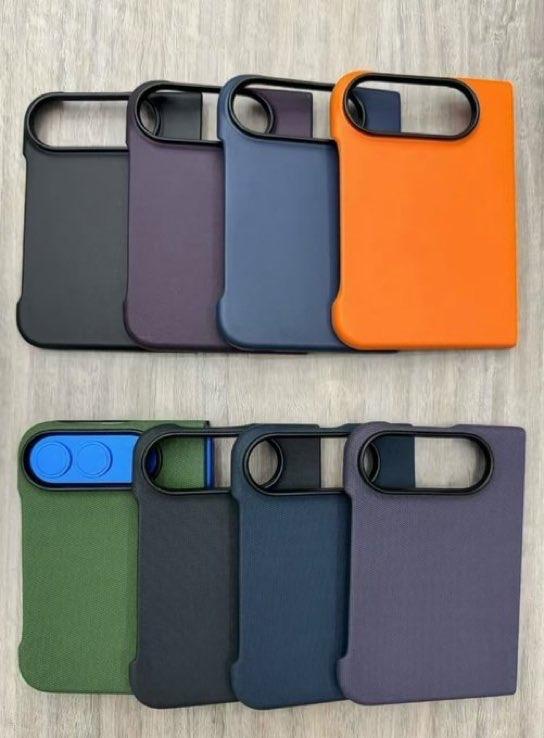
Introducing the Upcoming Foldable iPhone Ultra: A Look at Case Design Leaks The tech world is abuzz with speculation regarding Apple's foray into foldable technology, particularly with the much-anticipated release of the iPhone Ultra. Recent leaks concerning the design of the case for this innovative device have surfaced, hinting at Apple's direction for both the device itself and its accompanying accessories. The Case Design: Familiar Yet Evolving The leaked case designs suggest that Apple is taking a conservative approach to the material and structural elements of its accessories. By adhering to familiar designs that iPhone users have come to expect and appreciate, the company indicates that it might not be straying far from its established aesthetic and functional choices. This approach could provide existing iPhone users with a seamless transition to the new foldable device, as it offers a sense of continuity in terms of usability and style. The traditional materials synonymous with Apple's products, such as premium plastics and metals, are expected to remain a staple in the case's construction. The Importance of Accessories Apple's accessory ecosystem plays a vital role in its product strategy. The design of cases and other protective gear not only serves a functional purpose but also helps in reinforcing brand identity. As such, sticking with well-known materials might resonate well with loyal customers who prefer high-quality, reliable products. Insights from the Leaks Material Consistency: The materials projected in the case design appear to mirror those used in earlier iPhone models. Aesthetic Cohesion: The design is reportedly in line with Apple's sleek and minimalist style, likely ensuring a cohesive look across their product lines. Functionality: Expected features include standard cutouts for buttons and ports, which reflect user expectations for ease of use. Rethinking the Foldable Form Factor While the case designs may appear conventional, the significance of the foldable form factor cannot be understated. It signifies a shift in how devices are used, making portables even more versatile. A foldable iPhone Ultra could allow for multitasking in ways traditional smartphones cannot, creating new opportunities for both individual users and developers. However, until Apple officially unveils the iPhone Ultra, all information regarding its case and attributes should be approached with caution. Rumors and leaks can sometimes miss the mark, leading to speculation that may not reflect the final product. Conclusion: Anticipating the Official Reveal As speculation continues to grow regarding the foldable iPhone Ultra, the case leaks provide a glimpse into Apple's design philosophy. With a commitment to maintaining consistency while integrating new technology, Apple appears focused on juggling innovation with familiar user preferences. As we await the official announcement, enthusiasts and analysts alike will be keeping a close watch on further developments. Feature Expected Design Remarks Materials Premium plastics and metals Maintains quality and familiarity Aesthetic Sleek, minimalist Aligns with Apple's brand identity Functionality Standard cutouts for buttons/ports Ensures usability and ease of access Form Factor Foldable Innovative multitasking capabilities

Google’s AI Expansion Sparks Record 37% Power Use Surge In a groundbreaking development for the tech industry, Google has reported a staggering 37% surge in power consumption attributed to its rapid expansion in artificial intelligence (AI). This dramatic increase not only reflects the company's aggressive push towards AI technology but also raises significant questions about the environmental impact and sustainability of such technological advancements. Overview of Power Consumption Surge Google's power use has been consistently on the rise, mainly due to the increasing demand for data processing capabilities required by AI systems. The company’s infrastructure, which supports a multitude of AI-driven applications, has seen a transformative shift, necessitating a boost in energy resources to maintain efficiency and performance. Year Power Consumption Increase AI Project Investments 2020 15% $10 billion 2021 25% $18 billion 2022 37% $25 billion Implications for Sustainability As companies, including Google, delve deeper into AI technology, the implications for sustainability are multifaceted. While AI’s capabilities can lead to more efficient operations and innovative solutions across various sectors, its energy demands must be considered seriously. Increased Carbon Footprint: The surge in power consumption could inadvertently contribute to a higher carbon footprint, especially if energy sources remain non-renewable. Investment in Renewable Energy: Google has pledged to invest in renewable energy sources. The company aims to mitigate its environmental impact while sustaining AI growth. Innovation in Efficiency: There is ongoing research to develop AI algorithms that consume less power without compromising performance, potentially offsetting some of the increased demand. Future Directions With the current trajectory, Google's future in AI expansion looks promising yet daunting. The company is swift to acknowledge the balance that must be struck between technological progression and environmental responsibility. Several initiatives are already underway: Transition to Renewable Energy: Google has set ambitious goals for transitioning to 100% renewable energy across its global operations by 2030. Efficiency Frameworks: Establishing frameworks aimed at improving energy efficiency within its data centers is crucial for sustainable growth. Innovative Technologies: Exploring novel cooling technologies and energy-efficient hardware to mitigate power consumption while maintaining operational capabilities. Conclusion The recent report of a 37% surge in power use due to AI advancements at Google serves as a crucial reminder of the fine line between innovation and sustainability. As the tech giant continues to push boundaries in AI technology, it is imperative for industry leaders to recognize the environmental implications of their growth strategies and invest in sustainable solutions that will secure a greener future.

HyperOS Camera Update Version 6.4.000490.0 Released In the ever-evolving landscape of smartphone software, the latest update to HyperOS Camera has been officially rolled out. Marked by the version number 6.4.000490.0 , this update is aimed at enhancing the camera experience for users across global markets, including China and the rest of the world. Key Details of the HyperOS Camera Update Update Version 6.4.000490.0 Region Availability 🇨🇳 China, 🌏 Global Focus Area Camera performance and functionality Relevant Hashtags #Camera | #камера Overview This recent update is part of HyperOS's continuous effort to refine and improve the camera application embedded within its ecosystem. Although specific patch notes or feature enhancements have not been officially detailed, such version upgrades typically include improvements in image processing algorithms, bug fixes, UI optimizations, and possible new features that leverage the smartphone's hardware capabilities more efficiently. What Users Can Expect Improved camera stability and smoother user experience. Potential enhancements in photo and video quality. Optimizations for various shooting modes such as night mode, portrait, and AI-based camera functionalities. Better compatibility with a wide range of devices running HyperOS globally. Conclusion While the latest update 6.4.000490.0 may appear modest at first glance, it could provide meaningful enhancements to HyperOS users who prioritize camera performance. As the smartphone ecosystem becomes increasingly reliant on sophisticated camera software, such regular updates play a crucial role in maintaining competitive edge and user satisfaction. Users owning devices operating on HyperOS are encouraged to check for updates in their system settings to take full advantage of the latest camera improvements as soon as they become available in their region.
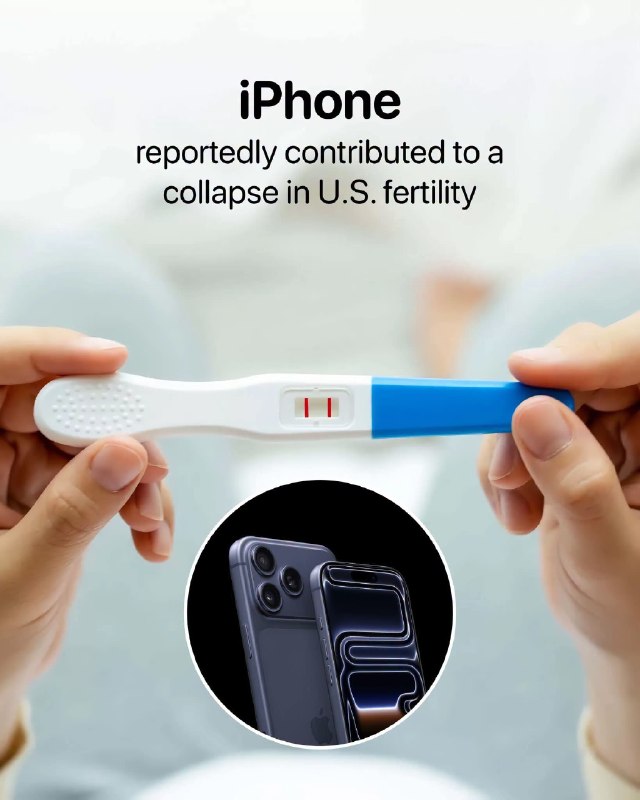
The Unexpected Impact of the iPhone on Birth Rates in the United States In an intriguing development in the field of social science, a new study from the National Bureau of Economic Research has drawn a compelling connection between the launch of Apple's iPhone and the declining birth rates in the United States. This study posits that the advent of the smartphone has significantly influenced societal behaviors, particularly with regard to family planning and unintended pregnancies. Study Overview The research undertaken by the National Bureau of Economic Research analyzed numerous demographic factors across the United States. The findings reveal a striking correlation between regions with higher-than-average iPhone ownership and lower birth rates. This correlation suggests that the smartphone has become an influential tool in the lives of individuals, shaping their decisions regarding parenthood. Findings: iPhone Ownership and Birth Rates The study highlights that areas with increased penetration of iPhone ownership experienced a notable decline in unintended pregnancies. Some key findings include: Correlation with Ownership: Regions where iPhone ownership rates were at their highest coincided with a dip in birth rates. Role in Family Planning: The availability of information and accessibility to family planning resources through mobile technology played a significant role in shaping reproductive decisions. Societal Shifts: The convenience and connectivity offered by smartphones have altered traditional social dynamics, potentially delaying family formation. Implications of the Study These findings may have far-reaching implications for policymakers, social scientists, and technology developers alike. The study indicates that technology, particularly smartphones, could be harnessed not just for communication but as a pivotal factor in public health and demographic trends. The correlation between iPhone ownership and birth rates sparks several questions concerning the broader societal impact of technology. Issues such as economic stability, access to education, and shifts in personal values regarding parenthood all intertwine with the narrative laid out by this research. Conclusion As the iPhone continues to shape modern life, this study offers an unexpected lens through which to view its impact on one of society's foundational constructs: family. The findings underscore the need for further research to explore how technology can influence human behavior on such a significant level. As we move forward in an increasingly digital age, understanding these correlations will be crucial in addressing future social and demographic trends. Summary of Key Findings Factor Implication iPhone Ownership Higher rates linked to lower birth rates Access to Information Enhanced family planning resources available Societal Shifts Delayed family formation observed This emerging perspective on the societal implications of smartphone technology opens up a new dimension of understanding the interconnectedness of technology, health, and family planning. The findings suggest that as we navigate the complexities of contemporary living, we must also consider how our devices shape not only our lives but also the makeup of future generations.
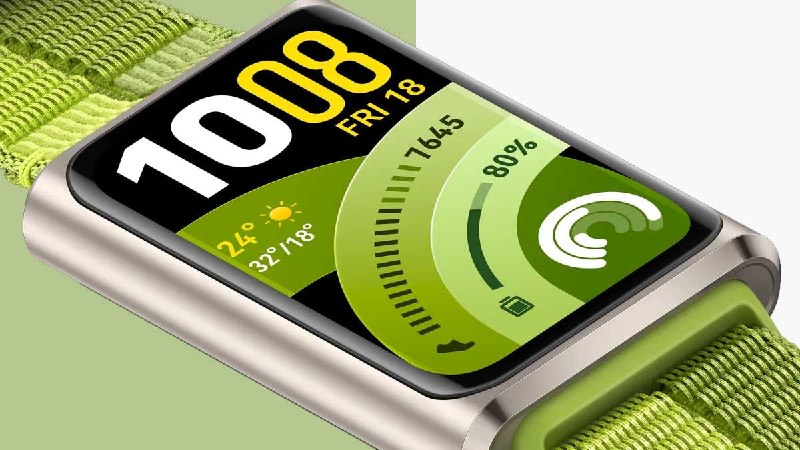
Huawei Band 11 Series Launches in India: A Comprehensive Overview The eagerly awaited Huawei Band 11 Series has officially launched in India, introducing a range of innovative features and variants that cater to diverse consumer needs. This new smart band lineup comprises three distinct models: the Standard Edition, the Metal Edition, and the Pro version. Each variant brings its own unique offerings, particularly in health and fitness tracking functionalities. Variant Breakdown The introduction of three models in the Huawei Band 11 Series signifies a strategic approach aimed at capturing a broader demographic of fitness enthusiasts and tech-savvy consumers. Standard Edition: Offers essential fitness tracking features, making it an ideal choice for casual users. Metal Edition: Combines functionality with a premium aesthetic, appealing to users looking for both style and substance. Pro Version: Packs advanced health monitoring technologies, including enhanced heart rate tracking and other smart features tailored for serious wellness participants. Highlights of Each Variant Variant Key Features Target Audience Standard Edition Basic fitness tracking Step and calorie count Sleep monitoring Casual users seeking essential health insights Metal Edition Premium metal build Stylish design Comprehensive fitness tracking Fashion-conscious individuals who prioritize aesthetics Pro Version Advanced heart rate monitoring Blood oxygen saturation analysis Extended battery life Smart notifications Fitness enthusiasts and athletes looking for detailed metrics Health Features On the Rise The Pro version of the Huawei Band 11 Series stands out with its focus on advanced health metrics. This model includes enhanced heart rate tracking and a blood oxygen saturation monitor, providing users with a more comprehensive understanding of their health. Such features are increasingly important for those engaging in rigorous training sessions and requiring precise tracking of their physical performance. Conclusion The launch of the Huawei Band 11 Series in India marks a significant step for the brand in the fitness technology market. With its diversified offerings—Standard, Metal Edition, and Pro—Huawei has adeptly positioned itself to meet the varying demands of health-conscious consumers. As the world increasingly leans into wearable technology, products like these promise to offer not just fitness tracking but an enhanced way to monitor overall health and well-being. The updated lineup is expected to garner positive reception, particularly with its enhanced focus on health features that align with the current global trend towards fitness and well-being.

HyperOS 3.1 Security App Update: Version 12.6.8 Released Xiaomi, a leading player in the tech industry, has released a significant update for its HyperOS security application. This update, version 12.6.8, is specifically targeted at users in China, enhancing the security features and overall performance of the app. Following is an in-depth overview of the update, including its features, compatibility, and installation instructions. Update Overview Attribute Details Version 12.6.8 Size 77.2MB Region China 🇨🇳 Extracted From Xiaomi 17 Pro Compatibility HyperOS 2/3 Changelog Details The 12.6.8 update comes with various enhancements and fixes that aim to improve the user experience. Here are the notable changes included in this latest version: Version Update: The app has received a new version number to reflect the latest changes. Bugs and Issues Fixes: Several bugs that were affecting the app’s performance have been resolved. General App Optimisations: Various optimizations made to enhance the app's functionalities and speed. Installation Instructions For users looking to install the update, the process is straightforward. Below is a step-by-step guide: Download the APK file from a trusted source. Open the Xiaomi File Manager app on your device. Locate the downloaded APK and initiate the installation. Install the new version over the existing one to ensure all new features and fixes take effect. Reboot your device if prompted, to complete the installation process. Congratulations, your HyperOS security app is now updated! Conclusion The HyperOS 3.1 Security App update to version 12.6.8 reinforces Xiaomi's commitment to enhancing user security while streamlining app performance. With bug fixes and general optimizations, users can expect a more robust security experience. The straightforward installation process allows users to easily upgrade their applications to enjoy the latest improvements. For further queries and support, users are encouraged to reach out to the Xiaomi Help and Support Unit @XiaomiHSU.

Samsung Galaxy S27 Pro and Galaxy S27 Ultra: New Selfie Camera Innovations The tech world is abuzz with the latest developments from Samsung as the company gears up for the launch of its highly anticipated Galaxy S27 Pro and Galaxy S27 Ultra smartphones. A notable enhancement for both devices is the introduction of a new selfie camera, aiming to elevate user experience and redefine mobile photography standards. Enhanced Selfie Camera Features Samsung has consistently set benchmarks in smartphone cameras, and the new selfie camera is expected to build upon this legacy. Users can anticipate several innovative features that promise to deliver remarkable photography results. High Megapixel Count: The upcoming selfie camera is rumored to feature a higher megapixel count than its predecessors, significantly increasing detail and image quality. Advanced Image Processing: With state-of-the-art image processing algorithms, users can expect superior performance in low-light conditions, ensuring clear and vibrant selfies. AI Enhancement: Incorporating AI-driven features, the camera may offer beauty filters and scene optimization tools, adjusting settings for ideal results in various environments. Wide-Angle Capability: Potential wide-angle capabilities will allow for group selfies or landscapes, accommodating more subjects without compromising image integrity. Comparison of Selfie Camera Specifications Feature Galaxy S27 Pro Galaxy S27 Ultra Megapixels 40 MP 50 MP Low-Light Performance Advanced Superior AI Enhancements Yes Yes Wide-Angle Capability Yes Yes Impact on User Experience The improvements to the selfie camera are poised to transform how users engage with their devices. As social media platforms continue to thrive on visual content, high-quality selfies become increasingly important, particularly among younger demographics and influencers. The Galaxy S27 Pro and Ultra models aim to cater to this burgeoning market by providing unmatched camera technology. Potential Market Response Given Samsung's history of delivering quality smartphones, industry analysts anticipate a positive reception to these upgrades. The enhanced selfie camera features may play a crucial role in attracting both existing Samsung users and potential customers considering an upgrade from competitor devices. Conclusion The new selfie camera being introduced in the Samsung Galaxy S27 Pro and Galaxy S27 Ultra is more than just a simple upgrade; it signifies Samsung's commitment to innovation in mobile photography. As we await the official launch, the tech community will be keenly observing how these advancements affect user experience and their position in the highly competitive smartphone market.

Xiaomi Auto Achieves Remarkable Delivery Milestone in June 2026 In a significant achievement for the automaker, Xiaomi Auto has once again surpassed the impressive benchmark of delivering over 30,000 vehicles in June 2026. This marks a continuation of the company's positive trajectory in the automotive market, showcasing its growing influence and capacity in a highly competitive industry. Monthly Delivery Overview Xiaomi Auto's monthly delivery figures have consistently demonstrated robust demand for its vehicles. The milestone of exceeding 30,000 units in June is not merely a statistical highlight; it reflects the company's commitment to operational excellence and market adaptation. Metric June 2026 Monthly Deliveries 30,000+ Model Split Not Provided Implications of Stable Production Demand The achievement of high delivery volumes is a clear signal of stable production demand for Xiaomi Auto's vehicles. Although specific models contributing to this volume have not been disclosed, the consistent figures imply an effective production strategy and a reliable supply chain. This stability is essential for the company to maintain consumer trust and satisfaction. Future Expansion Plans Looking ahead, Xiaomi Auto has ambitious plans for expansion beyond its current markets. The company has announced intentions to enter the European automotive market in 2027. This strategic move underlines Xiaomi's commitment to broadening its reach and capitalizing on the growing European demand for innovative electric vehicles (EVs). Conclusion Xiaomi Auto's delivery achievements in June 2026 provide a promising outlook for the company's future in the automotive landscape. By maintaining stable production and planning for strategic market expansion, Xiaomi is setting the foundation for sustained growth and success in the global automotive sector.
Xiaomi Unveils Android 17 Beta for the Xiaomi 17 and 17 Ultra Models in China In an exciting development for tech enthusiasts and Xiaomi smartphone users, the company has officially launched the registration for the Android 17 Beta program tailored for its flagship models, the Xiaomi 17 and the Xiaomi 17 Ultra. This initiative signals Xiaomi's commitment to incorporating user feedback during the operating system's development phase, thus enhancing the final product’s quality. Key Details of the Android 17 Beta Release The beta program is designed to allow a select group of users to experience the upcoming Android 17 features, while providing critical insights to the developers at Xiaomi. Below are the essential details pertaining to this beta release: Feature Details Beta Slots Available 1,000 per device Registration Window July 2 – July 8 Required OS Version OS3.0.308.0/WPACNXM and WPCCNXM Program Type Early Bird Beta Advice for Participants Expect bugs; use a secondary device if possible Registration Process and Expectations The registration for this limited beta program will open from July 2nd and will remain accessible until July 8th. Aspiring beta testers are encouraged to act quickly, as only 1,000 slots are available for each of the two supported models—Xiaomi 17 and Xiaomi 17 Ultra. Given the popularity of Xiaomi’s smartphones, these slots are expected to fill up rapidly. Participants must ensure that their devices are running on the specific required OS versions, OS3.0.308.0/WPACNXM and WPCCNXM, in order to be eligible for the beta. It is also advised that users consider using a secondary device for testing purposes, as the beta version may exhibit bugs and performance issues, which is common in early software releases. What’s to Expect from Android 17? While Xiaomi has not disclosed all the features of the anticipated Android 17, the beta program presents a valuable opportunity for users to experience new functionalities while providing feedback that could shape the final release. The inclusion of beta testers in the development process not only allows for the identification and rectification of bugs but also helps ensure that the new operating system meets the needs and expectations of its user base. As Xiaomi continues to innovate and improve its smartphone offerings, the roll-out of the Android 17 Beta represents a significant step towards delivering a refined and user-focused operating system, thereby reinforcing the company's reputation for technological excellence. In conclusion, this beta program is an excellent opportunity for Xiaomi fans to dive into the future of Android and actively contribute to its evolution. Interested users should prepare for a potentially bumpy experience and jump into the registration window when it opens.
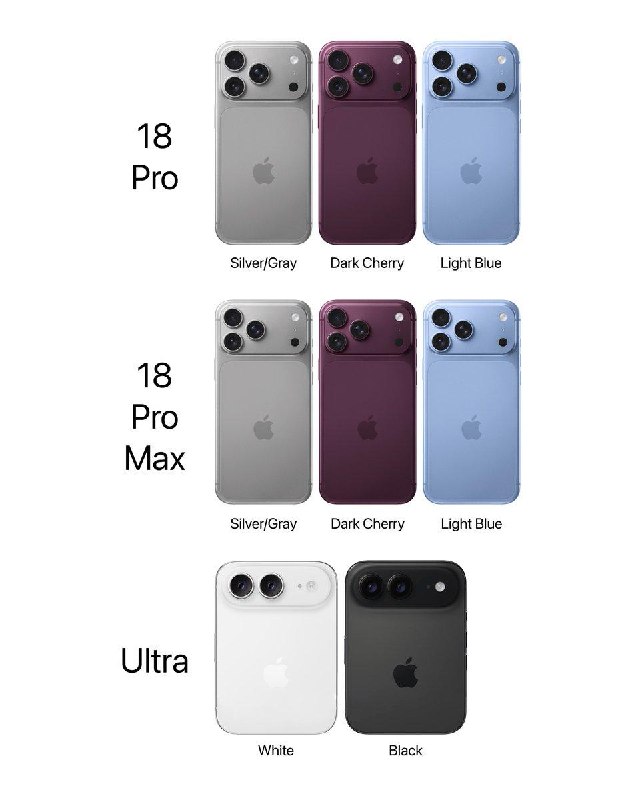
Anticipated Color Palette for the iPhone 18 Lineup The iPhone 18 series is generating significant buzz among technology enthusiasts, particularly regarding its expected color options. As Apple consistently aligns aesthetics with innovation, the new color offerings are anticipated to further enhance the appeal of its flagship devices. Exploring the Expected Color Range Based on trends and leaks emerging from the tech community, particularly insights from industry insider TechRoma, the iPhone 18 lineup is likely to feature a diverse array of colors. This introduction of fresh hues is expected to cater to a variety of consumer preferences, ensuring that each user can find a model that resonates with their personal style. Potential Color Variants Classic Space Black: A staple in the iPhone lineup, this elegant color continues to attract users who prefer a sophisticated look. Silver Starlight: Known for its sleek and clean appearance, this shade remains a popular choice among Apple enthusiasts. Midnight Blue: A deep and rich hue that appeals to those looking for a unique yet classic color option. Rose Gold: Though previously phased out, there are indications that this beloved shade might make a comeback. Emerald Green: A vibrant and eye-catching choice that has gained attention in leaks, suggesting a trend towards bolder colors. Color Strategy and Market Implications Apple's strategic choice of colors often drives market trends and influences competitor offerings. Each new color launch not only aims to attract existing Apple fans but also seeks to convert users from rival brands. Considering the tenacity of smartphone competition, the color palette could play a significant role in shaping consumer preferences and purchasing decisions in the upcoming season. Color Description Target Audience Classic Space Black Sophisticated and elegant Professionals, minimalists Silver Starlight Timeless and clean General consumers, all ages Midnight Blue Rich and classic Trendsetters Rose Gold Classic, with a modern twist Fashion-forward individuals Emerald Green Vibrant and youthful Adventurous users, tech enthusiasts Conclusion The expected color lineup for the iPhone 18 series not only reflects Apple’s dedication to blending style with functionality but also its commitment to understanding consumer desires. As we await the official announcement, the anticipated colors are likely to stir excitement and anticipation among Apple fans and tech aficionados alike. Innovations in design paired with these vivid color options could set the stage for another successful iPhone release.

iQOO's Compact Gaming Tablet Re-emerges in Rumors In the rapidly evolving world of technology, the gaming tablet segment has seen significant innovations and interest from various players. Among these, iQOO, a brand known for its high-performance smartphones, has rekindled speculation about its upcoming compact gaming tablet. This re-emergence has caught the attention of tech enthusiasts eager to learn about potential features and specifications. Background iQOO, a subsidiary of Vivo, made its name in the smartphone industry with devices tailored for gaming aficionados. The company has a reputation for integrating powerful hardware with aesthetic designs, delivering exceptional gaming experiences. The prospect of a dedicated gaming tablet aligns with its strategy to capture a larger share of the gaming market. Recent Rumors and Speculations The latest whispers about iQOO's compact gaming tablet hint at several intriguing features: Processor: It is rumored that the tablet will be powered by one of the latest Qualcomm Snapdragon chips, which is expected to offer state-of-the-art performance for gaming and multitasking. Display: A high-refresh-rate display is anticipated, ensuring smoother visuals during gameplay. This could be complemented by a resolution of at least 2K to provide an immersive experience. Battery Life: Long-lasting battery life is critical for gaming devices. Reports suggest that the tablet will boast a robust battery, probably exceeding 6000mAh, with rapid charging capabilities. Cooling Solutions: Given the intense graphical requirements of modern games, an effective cooling system may be integrated to prevent overheating during extended sessions. Gaming Features: Customizable controls and gaming-specific optimization could be highlights, enhancing user experience significantly. Market Positioning The gaming tablet market has been characterized by stiff competition, with major players like ASUS ROG, Lenovo Legion, and Apple’s iPad targeting this niche. iQOO's entry could disrupt the status quo, particularly if it manages to offer a compelling feature set at an attractive price point. Possible Release Date and Pricing While an official announcement has yet to be made, the tablet's expected launch window is speculated to align with significant tech fairs later this year or early next year. Pricing details remain under wraps, but industry experts anticipate that iQOO will position the tablet competitively to attract gamers without compromising on quality. Conclusion The resurgence of iQOO's compact gaming tablet in the rumor mill generates excitement among tech lovers and gamers alike. As the competition heats up in this segment, the success of such a device will heavily rely on its performance, features, and value proposition. Only time will tell how iQOO strategizes its approach to reclaim its stake in the gaming tablet arena. Feature Rumored Specifications Processor Qualcomm Snapdragon latest series Display High-refresh-rate, 2K resolution Battery 6000mAh or higher, fast charging Cooling System Advanced cooling technology Gaming Features Customizable controls and optimizations
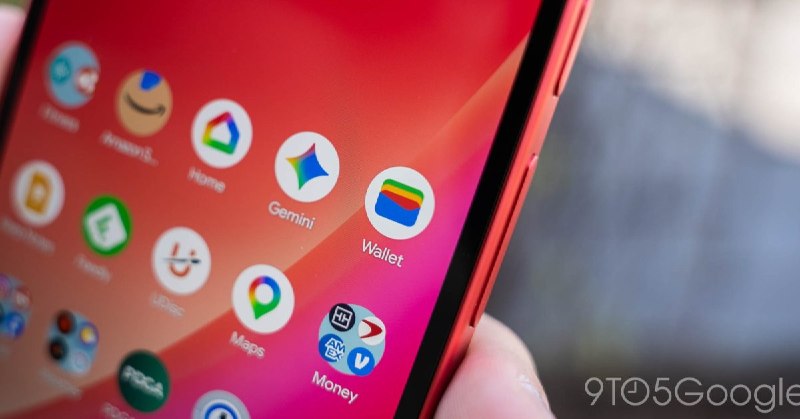
Google Wallet Enhances User Experience with New Order Tracking Dashboard In a significant development for Android users, Google has commenced the rollout of an innovative order tracking dashboard within its Google Wallet application. This new feature leverages the capabilities of Gmail to provide users with a streamlined way to monitor their online purchases. Key Features of the Order Tracking Dashboard The introduction of the order tracking dashboard represents a strategic move by Google to enhance the functionality of its Google Wallet service. Here are some of the key features that users can expect: Integration with Gmail: The dashboard automatically retrieves order confirmations from a user's Gmail account, collating relevant purchase information in one accessible location. Real-time Updates: As retailers update the status of shipped items, users will receive timely notifications, enabling them to stay informed about their deliveries. User-Friendly Interface: Designed with ease of use in mind, the dashboard presents a clear overview of pending and completed orders, along with estimated delivery dates. How It Works The order tracking dashboard functions seamlessly by integrating data from various online retailers directly into the Google Wallet application. This process is managed through the following steps: Step Description 1 Users place orders online with retailers that provide email confirmations. 2 Google Wallet accesses the relevant purchase details from the user's Gmail account. 3 The dashboard compiles the order details, including shipping status and delivery timelines. 4 Users can view their orders within the Google Wallet app and receive notifications for status changes. Benefits to Users The rollout of this feature is set to provide a range of benefits to users, including: Convenience: Users no longer need to navigate between their email and multiple retailer websites to track orders. Time-saving: The automatic retrieval of order information simplifies the tracking process, allowing users to focus on more important tasks. Enhanced Organization: Users can keep all order-related information in one place, reducing clutter and confusion. Conclusion The new order tracking dashboard in Google Wallet is a testament to Google's commitment to enhancing user convenience and functionality. By integrating this feature with Gmail, Google is not only improving the shopping experience for Android users but also setting a precedent for how digital wallets can evolve to meet the demands of modern consumers. As the feature continues to roll out, it is expected to significantly impact how users manage their online orders, potentially paving the way for further innovations in the digital payment landscape.
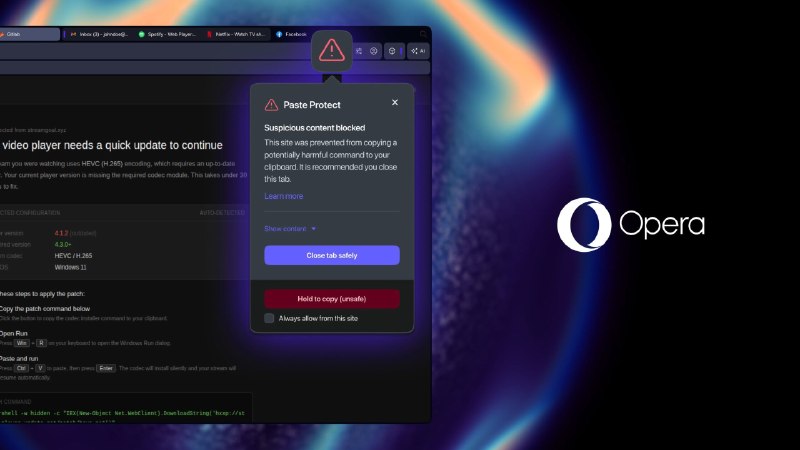
Opera Browser Enhances Security with Clipboard Protection The Opera browser has recently introduced a significant security feature aimed at safeguarding users from malicious clipboard commands. This enhancement reflects Opera's ongoing commitment to providing robust protection against evolving cyber threats, particularly in a digital landscape that increasingly exploits seemingly innocuous interfaces. Understanding the Clipboard Vulnerability The clipboard is a ubiquitous feature in most operating systems, allowing users to copy and paste text and data across applications. However, this functionality has become a target for cybercriminals who employ various techniques to exploit clipboard data for malicious purposes, such as phishing attacks and data theft. What the New Feature Entails With the recent update, Opera has implemented a safeguard that actively monitors and blocks harmful commands that attempt to manipulate clipboard content without user consent. This development is particularly crucial in preventing issues such as: Data Theft: Malicious scripts can access sensitive information copied to the clipboard. Phishing Attempts: Attackers can execute clipboard-based phishing by replacing copied URLs with malicious links. Unwarranted Actions: Unauthorized changes can occur without user knowledge, leading to potential security breaches. Benefits of Enhanced Clipboard Security The protective measures established by Opera bring forth several advantages for users: Increased User Confidence: Knowing that clipboard actions are monitored enhances the trust users have in the browser's security. Reduction of Phishing Risks: By blocking unauthorized clipboard access, the likelihood of falling victim to phishing schemes decreases significantly. Community Feedback Implementation: This update illustrates Opera's receptiveness to user feedback, effectively addressing a known vulnerability. Technical Overview To provide a clearer picture of the enhancements, the following table summarizes the differences between the previous state of clipboard functionality and the updated features: Feature Previous State Updated State Clipboard Access Open access to all scripts and commands Monitored access with blocking of malicious attempts User Notifications No notifications for clipboard changes Real-time notifications for clipboard access Data Protection Basic protection against simple phishing Advanced protection against complex injection attacks The Road Ahead for Opera As cyber threats continue to evolve, Opera's commitment to implementing innovative security measures reflects a proactive approach to user safety. The integration of clipboard protection not only underscores the importance of addressing user concerns but sets a precedent for future updates. Enhancements like these are essential in maintaining a competitive edge in the browser market, especially as user privacy and security take center stage in digital interactions. In conclusion, the introduction of clipboard protection in the Opera browser is a commendable step towards creating a safer browsing environment. As users navigate the complexities of the internet, such features will play a crucial role in ensuring that their online experiences remain secure and trustworthy.

French Presidential Candidate Urges Legislative Action Following PlayStation's Shift to Digital-Only Model In a significant response to Sony Interactive Entertainment's recent announcement regarding the discontinuation of physical disc production for its PlayStation consoles, a prominent French presidential candidate has called for legislative measures aimed at safeguarding consumer rights and promoting fair digital distribution practices in the gaming industry. This shift emphasizes the growing trend toward digital formats across various media, yet raises important concerns regarding accessibility, ownership, and the integrity of the gaming ecosystem. The Announcement and Its Implications Recently, Sony revealed plans that would mark the cessation of physical disc production for future PlayStation models. This decision is rooted in a broader industry trend where digital distribution platforms have surged in popularity, fueled by advances in internet connectivity and changing consumer preferences. Digital games offer convenience and often immediate access, yet the lack of physical media also points to critical implications for players and developers alike. Critics have raised concerns over the repercussions of moving away from physical discs, which include: Ownership issues: Consumers may grapple with questions about ownership rights and what it truly means to "own" a digital copy of a game. Accessibility: Players in regions with limited internet bandwidth may find it challenging to access or download large game files. Preservation: Digital games can potentially be lost due to server closures, platform changes, or corporate decisions. The Legislative Response In light of these developments, the French presidential candidate has proposed the introduction of legislation that would address several key areas: Consumer Rights: Regulations ensuring consumers retain rights akin to those associated with physical media, such as resale and lending rights. Digital Preservation: Policies designed to protect the future accessibility of digital games, particularly in preserving the integrity of cultural heritage. Transparency: Requirements for companies to provide clear information regarding data ownership, privacy, and user rights associated with digital purchases. Global Context and Comparisons This call for legislative action is not occurring in isolation. Several countries have begun to scrutinize the implications of digital distribution in various sectors, particularly in gaming, where the transition to digital has evolved rapidly. Below is a comparative summary of ongoing efforts worldwide regarding physical media and digital ownership rights. Country Legislative Measures Focus Areas France Proposed consumer rights protections Resale rights, digital preservation United States No federal policies; state-level discussions ongoing Consumer rights, anti-trust regulations Germany Consumer rights law includes digital goods Transparency, data ownership Japan Focus on copyright laws Ownership, digital rights management Conclusion The transition away from physical discs by major gaming companies like Sony is indicative of a broader shift within the entertainment industry toward digital-first experiences. However, the challenges posed by this evolution cannot be understated, particularly as legislators worldwide wrestle with ensuring consumer protections in an increasingly digitized marketplace. The French presidential candidate's call to action underscores the importance of proactive measures to safeguard rights and ensure that the digital future of gaming remains inclusive and equitable. This situation will undoubtedly evolve, and continued dialogue among stakeholders will be critical in shaping the future landscape of digital gaming. As this story develops, it highlights the need for a balanced approach that supports innovation while also protecting consumer interests.
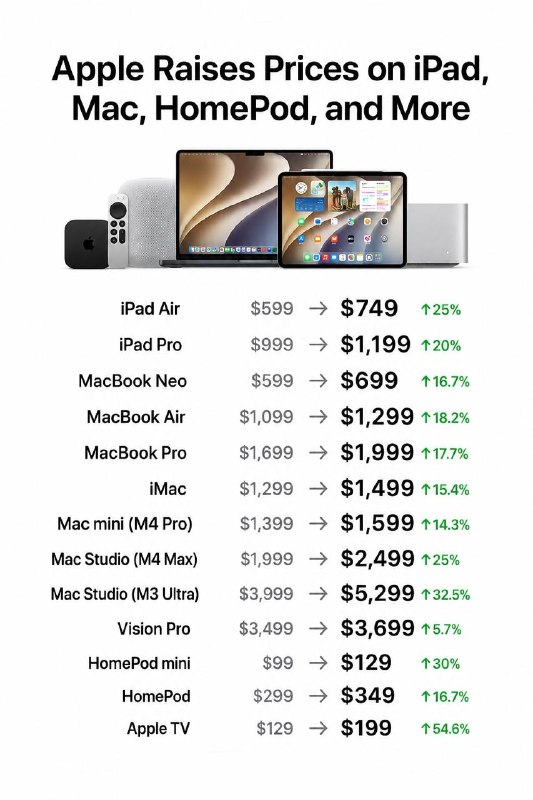
Apple Faces Challenges Amid AI Chip Demand Surge The technology landscape is rapidly evolving, and at the center of this transformation is the unprecedented demand for artificial intelligence (AI) capabilities. Among the tech giants impacted by this shift is Apple, which has recently announced price increases across most of its product lineup due to escalating component costs driven by the booming AI industry. The Rise in Component Costs As AI applications proliferate, the demand for essential hardware components—particularly memory and storage chips—has skyrocketed. This surge is not only affecting companies directly involved in AI but is also putting pressure on consumer electronics manufacturers, including Apple. CEO Tim Cook has indicated that the rising costs associated with these components have made it increasingly challenging for Apple to avoid price hikes. Tim Cook stated, "We have warned that price hikes are becoming increasingly difficult to avoid due to the competition for hardware from AI data centers and other high-demand sectors." This sentiment echoes the concerns reflected in the marketplace, where the fight for memory and storage components is intensifying among tech companies. Current Pricing Adjustments So far, Apple has managed to shield some of its flagship products—such as the iPhone, AirPods, and Apple Watches—from any price increases. However, the company has explicitly mentioned that future pricing adjustments cannot be ruled out. This uncertainty looms over both consumers and industry analysts as they navigate the implications of these changes. Product Line Price Overview Product Category Current Status Price Increase Possibility iPhones No Increase Possible AirPods No Increase Possible Apple Watches No Increase Possible Other Devices (e.g., iPads, MacBooks) Increased Prices N/A Conclusion As Apple navigates this challenging landscape, the company is not alone in facing the ramifications of the AI chip crunch. The interplay between consumer electronics and the rapidly growing AI sector signals a fundamental shift in market dynamics. With price increases already in place for many of its products and the looming possibility of adjustments across its entire lineup, Apple must strategize effectively to maintain its competitive edge while managing consumer expectations. In summary, the tech industry is witnessing a pivotal moment, and Apple's decisions in response to these challenges will undoubtedly shape the future of its product offerings and pricing strategies.
HyperOS 3.1: An In-Depth Look at the Latest Update In the evolving landscape of mobile operating systems, updates are crucial for maintaining user engagement and ensuring devices run smoothly. Recently, HyperOS introduced its latest version, HyperOS 3.1 . This update is specifically designed for users in China and is available solely on devices that have been launched with HyperOS. Key Features of HyperOS 3.1 HyperOS 3.1 brings a range of enhancements aimed at improving user experience and optimizing device performance. Below, we summarize the significant updates introduced with this version: Improved User Interface: An updated UI that enhances navigation and accessibility for users. Performance Optimization: Enhanced processing speed and reduced lag during multitasking. Enhanced Security Features: Introduction of advanced security measures to protect user data. Bug Fixes: Resolved common issues faced by users in previous versions for a smoother experience. Compatibility and Availability This latest update is exclusively available for devices that were originally launched with HyperOS. It is important to note that users outside of China may not have access to this particular update, emphasizing HyperOS’s focus on the local market. Community Engagement The launch of HyperOS 3.1 is more than just a software update; it also marks an opportunity for community engagement. Users are encouraged to share their experiences and feedback on the new features, contributing to further enhancements in future updates. For individuals interested in engaging with a broader audience and sharing insights about HyperOS, the official community can be accessed through their social media platform. Conclusion HyperOS 3.1 represents a significant milestone for the operating system, promising improved functionality and user experience for its dedicated user base in China. As technology continues to evolve, such updates not only reinforce the reliability of a platform but also cater to the specific needs of its users. Feature Description User Interface Upgraded for better accessibility and navigation Performance Enhancements to speed and multitasking efficiency Security New measures implemented to safeguard user data Bug Fixes Resolutions to common previous issues In conclusion, HyperOS 3.1 not only showcases the commitment to continuous improvement but also highlights the importance of user feedback in forging the future of mobile technology.

OnePlus ColorOS 16 Update: A Leap Towards Personalization The latest iteration of OnePlus's operating system, ColorOS 16, has officially rolled out, bringing a plethora of exciting new features aimed at enhancing user experience and personalization. This update signifies a crucial development for OnePlus users, particularly with its focus on customization. Key Features of the OnePlus ColorOS 16 Update Among the most notable enhancements is the introduction of customizable fingerprint animations. This feature allows users to tailor their device’s unlocking sequence visually, introducing a fresh and engaging element to the user interface. Custom Fingerprint Animations The standout feature is undoubtedly the ability to: Customize Fingerprint Animations: Users can now choose from a variety of animation styles to personalize how their device reacts upon unlocking. Add Emojis: A unique twist on the customization process allows users to integrate emojis into their fingerprint animations, adding a layer of fun and individuality. A Major Improvement Over Previous Versions This update is not just a trivial enhancement but rather a substantial improvement over previous iterations of ColorOS. The addition of customizable fingerprint animations demonstrates OnePlus’s commitment to providing a more tailored experience for its users. Feature Previous Versions ColorOS 16 Fingerprint Animations Standard animations with no customization Fully customizable animations with emoji integration User Personalization Limited options Extensive personalization options available User Experience Basic unlocking process Interactive and engaging unlocking experience Conclusion In summary, the OnePlus ColorOS 16 update brings significant advancements that focus on user customization and experience. The ability to personalize fingerprint animations, especially with the exciting addition of emojis, reflects a trend towards making technology more fun and accessible. For OnePlus fans and users, this update is not just an improvement—it's a major step forward in making their devices uniquely their own. As OnePlus continues to innovate, it is clear that the company remains dedicated to enhancing user satisfaction through personalized technology.

HyperOS Global Updates: Key Developments from July 2026 On July 2, 2026, notable updates emerged from HyperOS, a sophisticated operating system that aims to revolutionize user interaction with technology. This latest round of enhancements presents a range of features geared toward improving user experience, expanding hardware compatibility, and bolstering security measures. Below, we delve into the significant updates and their implications on both consumers and developers. Introduction to HyperOS Introduced with the promise of delivering a seamless integration of software and hardware, HyperOS has gradually established itself as a strong contender in the operating systems market. Its unique architecture promotes versatility, catering to a broad spectrum of devices, from personal computers to rugged industrial applications. Latest Updates Overview Feature Description Impact Enhanced User Interface The latest version presents a streamlined UI that emphasizes user-centric design. Improves accessibility and user satisfaction. Security Updates Integration of advanced security protocols, including AI-driven threat detection. Reduces risks associated with cyber threats. Hardware Compatibility Broadened support for various device types, including IoT gadgets. Increases usability across different platforms. Developer Tools New tools added for developers to optimize applications on HyperOS. Facilitates innovation and application development. Enhanced User Interface The updated user interface of HyperOS stands out with its modern design and intuitive navigation. By simplifying menu structures and enhancing visual elements, HyperOS aims to create a more engaging user environment. Feedback from beta testers has indicated that these changes significantly enhance usability, particularly for novice users. Strengthened Security Measures In today’s digital landscape, security remains a top priority. HyperOS has integrated cutting-edge security enhancements that leverage artificial intelligence for threat detection and prevention. This proactive approach not only mitigates potential vulnerabilities but also builds user confidence in the system's reliability. Regular security updates ensure that users remain protected against emerging threats. Expanded Hardware Compatibility The operating system has also made strides in hardware compatibility, ensuring that it seamlessly operates across a variety of devices. This update focuses on integrating support for Internet of Things (IoT) devices, allowing users to connect their smart home gadgets and wearables effortlessly. This flexibility promotes a more cohesive technology ecosystem for users. Developer Tools Enhancement The introduction of new developer tools within HyperOS marks a significant advancement for app creators. These tools are designed to streamline the development process, improving the performance and compatibility of applications built for the operating system. Additionally, comprehensive documentation and APIs facilitate a smoother integration process, encouraging a broader range of applications for users. Conclusion The updates announced on July 2, 2026, are a testament to HyperOS's commitment to innovation and user satisfaction. By enhancing the user interface, reinforcing security, expanding hardware compatibility, and providing robust developer tools, HyperOS aims to solidify its position in the competitive landscape of operating systems. As technology continues to evolve, HyperOS seems well-prepared to adapt and thrive in the dynamic digital realm. Future Prospects As HyperOS continues to evolve, stakeholders will be keenly observing its market response and user adoption rates. With a focus on innovation and security, the future appears promising for HyperOS, positioning it as a front-runner in the next era of digital operating systems.
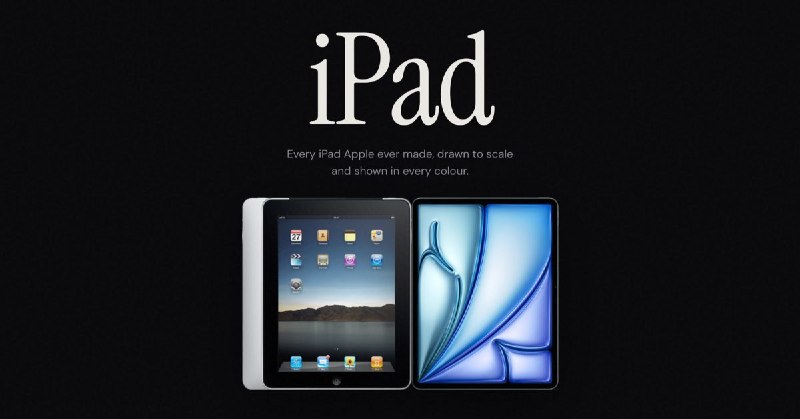
The Evolution of the iPad: A Comprehensive Interactive Timeline The iPad has become one of the most iconic devices in the realm of consumer technology since its initial release in 2010. With each iteration, Apple has introduced innovative features that have transformed how users interact with digital content. An exciting new interactive timeline has emerged, allowing enthusiasts and consumers to explore the history of every iPad ever released. This article delves into the significance of this timeline while providing a detailed look at the evolution of the iPad series. The Birth of a Category The first iPad was released on April 3, 2010, and it marked the introduction of a new product category: the tablet. Apple’s vision for the iPad combined portability with the functionality of a laptop, effectively appealing to a vast audience ranging from casual users to business professionals. Key Milestones in iPad History Over the years, the iPad has seen numerous iterations and updates. Below is a summary of the major milestones in the development of the iPad: Year Model Key Features 2010 iPad (1st generation) 9.7-inch display, A4 chip, support for 3G 2011 iPad 2 Thinner design, A5 chip, dual cameras 2012 iPad (3rd generation) Retina display, A5X chip, 4G LTE support 2012 iPad Mini (1st generation) 7.9-inch display, A5 chip, lightweight design 2013 iPad Air (1st generation) 30% lighter, A7 chip, slimmer bezels 2014 iPad Mini 3 Touch ID, gold finish 2015 iPad Pro (1st generation) 12.9-inch display, A9X chip, Apple Pencil support 2016 iPad Pro (9.7-inch) True Tone display, smaller form factor 2017 iPad (5th generation) A9 chip, 9.7-inch display 2018 iPad Pro (2nd generation) Face ID, Liquid Retina display, USB-C 2020 iPad (8th generation) A12 Bionic chip, improved performance 2021 iPad Pro (3rd generation) M1 chip, 12.9-inch Liquid Retina XDR display 2022 iPad Air (5th generation) M1 chip, improved camera performance The Current State of iPad Technology The latest models of the iPad continue to push boundaries, featuring advanced processors such as the M1 chip, which enhances performance significantly for professional-grade applications. The recent emphasis on augmented reality capabilities and seamless integration with Apple's ecosystem highlights Apple’s commitment to innovation and user experience. Interactive Timeline: A Tool for Exploration The newly released interactive timeline serves as a valuable resource for those wishing to delve deeper into the history of the iPad. Users can explore key features, specifications, and learn about each model’s impact on the market. This immersive tool captivates and informs, making it easier to grasp how the iPad has evolved over the years. Conclusion The iPad remains a pivotal product in Apple’s lineup and the broader technology landscape, influencing how we consume media, work, and communicate. As we continue to witness advancements in device technology, the interactive timeline allows us to appreciate the impressive journey of the iPad. From its inception to its current status as a robust multi-purpose device, the iPad has truly transformed our digital lives.

Integration of Car Keys into Apple Wallet: A New Era for Vehicle Convenience The innovation landscape in the automotive and technology sectors continues to evolve rapidly. A notable development is the anticipated integration of car keys into the Apple Wallet, particularly for a significant new vehicle brand. This seamless combination promises to transform the way users interact with their vehicles, making it easier and more convenient than ever. What This Means for Consumers The integration of digital car keys into Apple Wallet signifies a major leap forward in automotive technology and consumer convenience. Users can expect to experience a myriad of benefits including: Enhanced Accessibility: Users will be able to unlock and start their vehicles straight from their iPhones or Apple Watches, eliminating the need for traditional key fobs. Increased Security: Apple employs advanced encryption and security protocols to safeguard digital keys, ensuring user safety and vehicle protection. Convenience: With a digital key, users can access their vehicles with just a tap on their devices, streamlining the entire process of getting in and starting the car. Details on the Vehicle Brand Though specific details regarding the vehicle brand have yet to be officially disclosed, insights suggest that it will be a major player in the automotive industry. This integration could mark a significant partnership as both technology and automotive brands seek to adapt to the increasing demand for digital solutions. Potential Implications for the Automotive Industry This innovation is not merely a technological enhancement; it represents a shift in consumer expectation within the automotive realm. The following implications may arise: Increased Adoption of Digital Solutions: As consumers grow accustomed to using their smartphones for various tasks, the demand for digital vehicle keys is expected to rise significantly. Competitive Edge: Vehicle manufacturers who invest in integrating technology into their offerings may find themselves with a competitive advantage as consumers gravitate towards convenience and modern experiences. Innovation in Vehicle Functions: The collaboration between tech and automotive industries may pave the way for further innovations, including remote vehicle management, diagnostics, and enhanced vehicle functionality via mobile apps. Summary of the News Aspect Details Integration Car keys in Apple Wallet Vehicle Brand Major new vehicle brand (details pending) Security Advanced encryption and protocols Consumer Benefits Enhanced accessibility, security, and convenience Conclusion The forthcoming integration of car keys into Apple Wallet presents a watershed moment for both technology and automotive sectors. As consumers embrace more digital solutions in their daily lives, this synergy offers a glimpse into a future where convenience, security, and advanced technology converge. Stay tuned for further announcements as the details unfold surrounding this revolutionary integration.
New Case Design Leaks for the Anticipated Foldable iPhone Ultra As excitement builds around Apple's much-rumored foldable iPhone Ultra, new details have emerged regarding the device’s protective casing. Recent leaks suggest that Apple may not be implementing significant changes to its accessory line, signaling a commitment to the materials and design ethos that iPhone users have come to expect over the years. Insights from the Case Design Consistency in Design: Rather than introducing radical modifications, the leaked case design indicates that Apple aims to maintain a familiar look and feel. Material Usage: The materials appear to align closely with those used in previous iPhone models, further emphasizing Apple's inclination toward continuity. User Familiarity: By sticking with well-known design approaches, Apple seems to prioritize user comfort and familiarity. Despite these insights, it is essential to approach this information cautiously. As with all leaks, until Apple makes an official announcement, these details should be viewed as speculative and subject to change. What This Means for iPhone Users The decision to retain established designs in accessories could be viewed positively by many iPhone users. A consistent accessory line allows for easier upgrades and compatibility across devices, while also minimizing any learning curve associated with new designs. Conclusion As we await further announcements from Apple regarding the foldable iPhone Ultra, this leaked case design serves as a glimpse into the company's design philosophy. Should these characteristics hold true, users can expect a seamless transition to the Ultra, retaining comfort and familiarity in their accessory choices. Features Current iPhone Models iPhone Ultra (speculated) Material Standard iPhone Materials Similar Materials Design Changes No Radical Changes Consistent Design Approach User Experience Familiar Expected to Remain Familiar In summary, while the foldable iPhone Ultra holds promise for innovation, its accessory design appears to reflect a dedication to maintaining the elements that have long defined the iPhone experience.

OPPO and OnePlus: Pioneering Innovations in the Smartphone Landscape The smartphone ecosystem continues to evolve at an unprecedented pace, with numerous brands introducing groundbreaking technologies and user-centric designs. Among these contributors, OPPO and OnePlus have emerged as key players, consistently pushing the boundaries of innovation. Together, they represent a commitment to superior technology and user experience, making waves in the competitive mobile industry. Introducing the OPPO/OnePlus Hub Recently, OPPO and OnePlus announced a collaborative initiative referred to as the OPPO/OnePlus Hub . This platform serves as a central repository for information regarding the latest updates, products, and community-driven news about both brands. The initiative aims to enhance user engagement and streamline information dissemination across devices. Key Features of the OPPO/OnePlus Hub Unified User Experience: The Hub provides seamless integration for users of both brands, allowing them to navigate between devices effortlessly. Real-Time Updates: Consumers can anticipate a continuous flow of information regarding software upgrades, device releases, and brand announcements. Community Engagement: Users are encouraged to share their experiences, feature requests, and feedback directly through the Hub, fostering a stronger relationship with the brands. Strategic Importance of the Hub The launch of the OPPO/OnePlus Hub is not merely a marketing tactic; it is a strategic move aimed at consolidating the community around both brands. As the smartphone marketplace becomes increasingly saturated, maintaining customer loyalty and engagement is paramount. Through the Hub, OPPO and OnePlus not only showcase their commitment to their customer base but also position themselves as responsive and customer-focused organizations. Upcoming Features and Expectations As the OPPO/OnePlus Hub evolves, users can expect a variety of new features that will enhance functionality and interaction. Some anticipated advancements include: Enhanced Personalization: Users may soon have the ability to customize their experience based on preferences and usage patterns. Integration with Smart Devices: Future updates may include compatibility with other smart devices in the OPPO and OnePlus ecosystems, allowing for centralized control of smart home technologies. Exclusive Content: The Hub may also offer exclusive news, tutorials, and promotional content tailored for its community members. Conclusion The establishment of the OPPO/OnePlus Hub marks a significant step in the companies' vision to redefine user experience in the smartphone industry. By focusing on community engagement and seamless technology integration, OPPO and OnePlus are poised to strengthen their market presence and customer loyalty in an ever-competitive landscape. Feature Description Unified User Experience Seamless integration for users navigating between OPPO and OnePlus devices. Real-Time Updates Continuous flow of information on software upgrades and product releases. Community Engagement Direct channels for users to share experiences and provide feedback. Upcoming Features Enhanced personalization and integration with smart devices expected in future updates. As OPPO and OnePlus drive towards a more connected and engaged customer experience, the tech community watches with anticipation for what innovative developments are next on the horizon.

Achieving Multilingual Fluency: The Impact of an Underrated Smartphone App In an era defined by globalization and connectivity, the ability to communicate in multiple languages is not just an asset; it has become a necessity. For many language enthusiasts and professionals alike, the quest to achieve fluency can be daunting. However, one individual has recently shared their transformative experience of attaining proficiency in five different languages, attributed primarily to an underrated smartphone application. A Journey Through Language Learning The user embarked on their language learning journey motivated by both personal and professional aspirations. They aimed to enrich their travel experiences, enhance their career opportunities, and engage more deeply with diverse cultures. Initially overwhelmed by the vast array of language-learning tools available, they discovered a less mainstream app that would eventually become their go-to resource. The Underrated App: Features and Benefits This smartphone application sets itself apart through its unique approach to language learning, incorporating several distinct features that make the process more engaging and effective. Here are some of the key functionalities: User-Friendly Interface: The app is designed with simplicity in mind, allowing users to navigate through lessons easily. Gamification: It employs game-like elements that encourage repeated practice and reward progress, keeping learners motivated. Speech Recognition: This feature provides instant feedback on pronunciation, enabling users to improve their speaking skills. Cultural Insights: The app includes lessons that cover cultural nuances, enhancing the user's understanding and appreciation of the language. Personalized Learning: Users can customize their learning paths based on their interests and competency levels. Languages Gained and Time Invested Through dedicated use of the app, the individual reported achieving functional fluency in five languages: Spanish, French, Mandarin, German, and Italian. Their experience illustrates that consistent practice—just 30 minutes a day—can yield significant results over time. Below is a breakdown of the languages learned and the time context: Language Estimated Time Spent (Hours) Proficiency Level Achieved Spanish 100 Conversational Fluency French 80 Intermediate Mandarin 120 Basic Conversational German 90 Intermediate Italian 70 Conversational Fluency The Impact of Technology on Language Learning This individual's success story underscores a larger trend: the role of technology in facilitating language acquisition. Traditional methods of language study often require significant financial and temporal investment. Still, smartphone apps democratize access to language learning tools, enabling individuals to immerse themselves in new languages conveniently and affordably. Conclusion The journey to multilingualism is varied and deeply personal. The experience shared by this individual not only highlights the capabilities of an underrated language-learning app but also emphasizes the importance of consistency and engagement in the learning process. As technology continues to evolve, tools like these will likely play an increasingly pivotal role in bridging language barriers and fostering global communication.
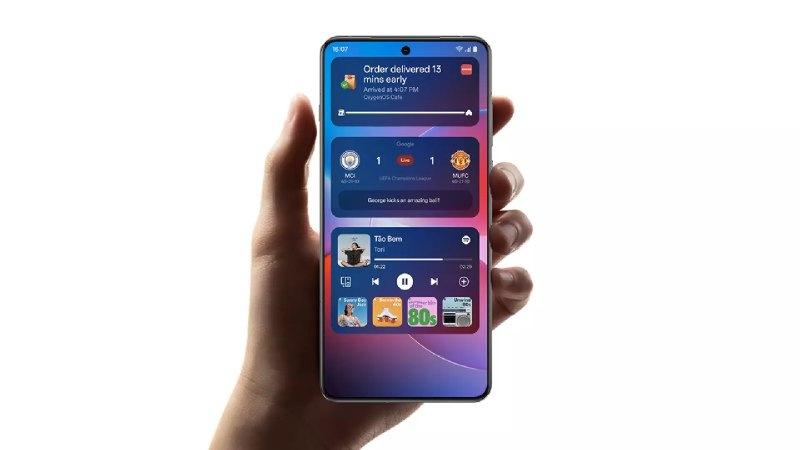
Discontinuation of OxygenOS and Realme UI: Transition to ColorOS for OnePlus and Realme Devices A significant shift is occurring in the Android ecosystem as reports emerge detailing the impending discontinuation of OxygenOS for OnePlus devices and Realme UI for Realme smartphones. Moving forward, both device lineups will transition to ColorOS, marking a new era for the two brands under the ownership of Oppo. This decision is particularly notable considering the distinct identities that OxygenOS and Realme UI have cultivated since their inception. The Shift to ColorOS The announcement, while still unconfirmed by official channels, indicates that OnePlus and Realme will be standardizing their software experiences by adopting ColorOS, which has been established as Oppo's in-house Android skin. This consolidation aims to streamline software development and provide users with a more unified experience across the brands. Rationale Behind the Discontinuation Operational Efficiency: By converging their software platforms, Oppo can optimize resource allocation, thereby enhancing overall operational efficiency. Unified User Experience: A single operating system will help deliver a consistent user experience, making it easier for consumers to navigate their devices. Enhanced Features: Users can expect to gain access to a wider array of features and updates, which will be uniformly applied across all OnePlus and Realme devices. Implications for Users This transition presents both opportunities and challenges for existing OnePlus and Realme users. For some, the integration of ColorOS may bring enhanced functionality and better support, while others may miss the unique, stock Android-like experience that OxygenOS and Realme UI offered. Below is a comparative overview of anticipated features and differences: Feature OxygenOS Realme UI ColorOS User Interface Clean and minimalistic Vibrant and feature-rich Modern with various customization options Software Updates Regular and timely Frequent but often less predictable Consistent and integrated across devices Customization Extensive, but maintains stock feel Highly customizable with themes Moderate customization but feature-complete Performance Optimized for speed and efficiency Rich with features that may affect speed Balanced performance across all devices Future Developments As the industry evolves, this strategic pivot could potentially alter the competitive landscape, especially in the mid-range and flagship smartphone segments. A successful integration of ColorOS could pave the way for improved performance and user satisfaction across OnePlus and Realme's offerings. Conclusion The move towards ColorOS represents a bold step for OnePlus and Realme as they aim for greater synergy under the Oppo umbrella. As both companies prepare for this transition, users will be closely observing how their devices adapt to the changes and what new experiences ColorOS will bring to the table. The full transition is expected to unfold in the coming months, and both brands are likely to provide more official statements and updates to keep users informed.