 TechOffice
Major Redesign Expected for Apple Watch in 2027 In an exciting revelation from the tech world, Weibo leaker Instant Digital has hinted at a significant overhaul of the Apple Watch lineup slated for 2027. This announcement revives persistent rumors surrounding the anticipated "Apple Watch X," a title that has circulated within the Apple community for some time. While the information remains speculative, its potential implications are worth considering for both current users and prospective buyers. A New Band Attachment Mechanism One of the most notable changes discussed by Instant Digital is the introduction of a new band attachment mechanism. This redesign is poised to break compatibility with existing straps, a move aimed at creating additional internal space for a larger battery. The prospect of an enhanced battery life could be transformative for users, who increasingly rely on their devices for a wide range of functionalities—from fitness tracking to communication. For those contemplating an upgrade, the leaker offers a word of practical advice: hold off on purchasing additional bands if you plan to transition to the new model in 2027. Given the anticipated changes, investing in new straps could prove futile as compatibility may be compromised. Other Expected Features In addition to the novel band mechanism, there are several other rumored enhancements that could accompany the redesigned Apple Watch. These include: Next-Gen OLED Display Technology: A boost in display capabilities could lead to improved brightness, color accuracy, and energy efficiency. New Health Sensor Array: Positioned on the underside of the watch case, this array could incorporate advanced health monitoring features, catering to the growing demand for health-centric wearables. A Look at the Current Model In the short term, Apple's latest flagship, the Apple Watch Series 12, is expected to showcase only minor, incremental upgrades compared to its predecessor, the Series 10. Users should not anticipate drastic design changes, as the Series 12 will likely carry over many of the design elements found in the Series 10. Model Expected Features Compatibility Apple Watch Series 12 Minor updates, Series 10 design Compatible with existing straps Apple Watch X (2027) New band mechanism, next-gen OLED, new health sensors Incompatible with current straps Contextualizing the Rumors It is important to approach the 2027 timeline with cautious optimism. Similar rumors regarding the "Apple Watch X" have been floated since 2023, coinciding with the device's 10th-anniversary celebrations. Ultimately, these earlier speculations did not materialize, as Apple instead released the Series 10 in that period. As we navigate through these developments, viewers should remain aware that until official announcements are made, any plans or expectations regarding future Apple Watch models involve a degree of uncertainty. Nevertheless, the concept of a redesigned Apple Watch featuring significant technological advancements is undoubtedly exciting for many in the technology and health space. Conclusion In conclusion, the anticipated redesign of the Apple Watch, tentatively set for 2027, opens up a dialogue about the future of wearable technology. With promises of an improved attachment mechanism and advanced health monitoring features, Apple appears poised to set new standards in the wearable landscape. As consumers, it is wise to stay informed and ready, while carefully considering any purchases that might tie into an evolving ecosystem.

Samsung Expands July Security Update to New Devices In a significant move aimed at enhancing the security of its devices, Samsung has announced the expansion of its July security rollout. This initiative not only fortifies the existing lineup but also introduces the highly anticipated Galaxy Z Fold 7 and Z Flip 7 into the mix. Overview of the July Security Update Samsung's monthly security updates are crucial in maintaining the integrity and safety of its range of smartphones and tablets. The July update is no exception, delivering critical patches and improvements that address pending vulnerabilities and bolster device performance. Devices Included in the Latest Rollout Initially, the July security update targeted flagship models, but Samsung has now confirmed that the foldable devices—Galaxy Z Fold 7 and Z Flip 7—will also receive these enhancements. Device Model Update Status Notable Changes Galaxy Z Fold 7 Upcoming Enhanced security protocols, stability improvements Galaxy Z Flip 7 Upcoming Critical vulnerability patches, performance tweaks Significance of Security Updates Security updates are essential due to the increasing number of cyber threats targeting mobile devices. Manufacturers like Samsung take proactive measures to safeguard user data and device functionality. With the July security patch, Samsung aims to resolve potential vulnerabilities before they can be exploited. Feedback from Users and Analysts User Experience: Many users have reported improvements in overall system performance after previous updates, making them eager for the July rollout. Industry Analyst Insights: Analysts suggest that continual updates not only protect users but also help maintain Samsung's reputation as a trusted brand in the mobile industry. Looking Ahead As Samsung continues to innovate with its foldable technology, the company's commitment to security remains steadfast. With the Galaxy Z Fold 7 and Z Flip 7 slated to benefit from these updates, users can expect a safer and smoother experience with their devices. Conclusion The expansion of Samsung's July security rollout to include the Galaxy Z Fold 7 and Z Flip 7 reflects the company's ongoing dedication to device security and user satisfaction. As mobile threats evolve, so too does Samsung's approach to safeguarding its customer base, ensuring that they remain at the forefront of innovation while prioritizing safety.

Xiaomi Unveils Updated HyperAI Engine and HyperOS 3.1 In a significant development for technology enthusiasts and smartphone users, Xiaomi has introduced its latest advancements in artificial intelligence and operating systems with the launch of the HyperAI Engine and the updated version of HyperOS 3.1. This release is set to enhance user experiences across a myriad of devices, establishing Xiaomi as a leader in the tech innovation arena. Key Features of the Updated HyperAI Engine The newly launched HyperAI Engine is designed to provide robust AI capabilities that significantly improve device performance. Here are some of the standout features: Real-Time Learning: The engine is capable of learning user preferences in real time, optimizing functions according to individual usage patterns. Enhanced Efficiency: The AI optimizes power usage and system resources, ensuring that devices run smoothly even under demanding conditions. Expanded Compatibility: This iteration supports a wider range of applications, enhancing multitasking and overall system functionality. Advanced Security: Improved AI algorithms enhance security features, making devices resistant to various cybersecurity threats. Overview of HyperOS 3.1 Update The update to HyperOS 3.1 brings a host of features designed to improve usability and functionality. Users can expect a more refined interface along with increased system stability. The following table summarizes the key differences between the previous version and HyperOS 3.1: Feature Previous Version HyperOS 3.1 User Interface Basic design elements Refined and customizable interfaces Performance Speed Standard performance Up to 25% faster under heavy loads Security Features Standard security protocols Enhanced AI-driven security measures Battery Management Basic optimization Intelligent power management system Community Engagement Xiaomi is committed to fostering a vibrant community around its products. The company encourages users to join its official channels for updates and collaboration. This platform not only provides insights about software updates but also allows users to share their experiences and suggestions. In conclusion, with the HyperAI Engine and HyperOS 3.1, Xiaomi continues its mission to blend cutting-edge technology with user-centric features. The advancements promise to deliver a seamless experience, making everyday interactions with technology smoother and more intuitive.

Vivo X300 Ultra Global Edition Sees Substantial Price Drop on Giztop The Vivo X300 Ultra Global Edition has recently garnered significant attention in the tech community, not only for its impressive specifications but also for a compelling price reduction. Giztop, a prominent platform for electronic gadgets, has initiated a discount campaign that brings the cost of this high-end smartphone down by an impressive $300, making it a highly attractive option for tech enthusiasts and general consumers alike. Details of the Discount The price cut on the Vivo X300 Ultra Global Edition is a strategic move by Giztop to increase accessibility to cutting-edge technology. Such discounts are not commonplace, particularly on flagship devices, thus presenting a unique opportunity for potential buyers. Original Price: $1,299 Discounted Price: $999 Discount Amount: $300 Availability: Limited time offer Overview of Vivo X300 Ultra Global Edition Features The Vivo X300 Ultra is engineered to cater to the needs of high-end smartphone users, featuring state-of-the-art technology and design. Here are some of the key specifications that set it apart: Feature Specification Display 6.78-inch AMOLED, 120Hz refresh rate Processor Qualcomm Snapdragon 8 Gen 2 RAM 12GB/16GB Storage 256GB/512GB Camera 50MP Triple Camera Setup Battery 5000mAh with 120W fast charging Operating System Android 13 with Funtouch OS 13 Consumer Implications The discount not only makes the Vivo X300 Ultra Global Edition an appealing purchase but also highlights the competitive landscape of the smartphone market. This price reduction can potentially attract consumers who seek premium features without the premium price tag, influencing purchasing decisions in this segment. For tech enthusiasts, the Vivo X300 Ultra boasts a harmonious blend of high performance and aesthetic beauty, prompting a reevaluation of what consumers can expect from flagship smartphones today. As competition intensifies among major players, such strategic discounts could signal a trend of increased affordability in the premium smartphone market. Conclusion The $300 discount on the Vivo X300 Ultra Global Edition through Giztop represents a significant opportunity for consumers in the market for a top-tier smartphone. With state-of-the-art features and performance metrics, this device continues to represent a compelling choice for those looking to invest in innovative mobile technology. As always, potential buyers are encouraged to act swiftly to take advantage of such time-sensitive offers, ensuring they do not miss out on acquiring a leading smartphone at a reduced price.
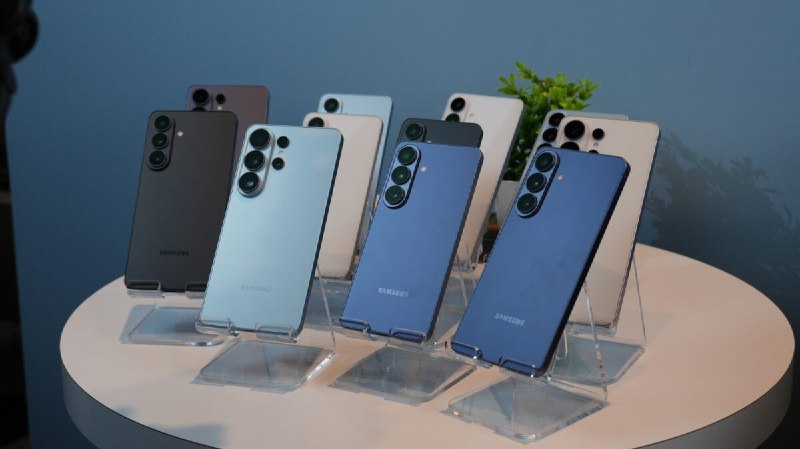
Samsung to Integrate Third-Party Display Components in Galaxy S27 Lineup In a noteworthy shift for the tech giant, Samsung Electronics is reportedly considering the incorporation of third-party display components in select models of its upcoming Galaxy S27 smartphone series. This strategic decision may reflect broader trends in supply chain management and component sourcing as the company navigates a competitive landscape in the smartphone market. Background and Industry Impact Historically, Samsung has prided itself on utilizing its own display technology, particularly through its high-quality AMOLED panels. By implementing third-party components, the company may be reacting to various challenges, including production costs, supply chain constraints, and the need to enhance profitability amidst declining global smartphone sales. Recent reports suggest that Samsung may collaborate with third-party manufacturers, specifically targeting models that might appeal to cost-sensitive consumers. This transition indicates a profound shift in Samsung's strategy, as it aims to strike a balance between performance and affordability. Potential Partners for Display Components Although specific third-party suppliers have yet to be named, industry speculation points to several prominent display manufacturers that could be potential collaborators: LG Display BOE Technology Group Sharp Corporation The adoption of displays from these companies could not only diversify Samsung's supply chain but also present opportunities for innovative display technologies that may differentiate the Galaxy S27 series in the fiercely competitive smartphone market. Technical Implications Integrating third-party components could have several implications for the Galaxy S27 lineup: Cost Efficiency: Lower component costs may lead to more affordable pricing for consumers. Innovation: Access to different technologies could enhance display quality or introduce novel features. Flexibility: A diversified supply chain can mitigate risks associated with single suppliers or materials shortages. Market Position and Future Prospects Samsung's willingness to adopt third-party displays could position it competitively in a market increasingly characterized by price sensitivity. With numerous brands vying for consumer attention, employing varied sourcing strategies may enable Samsung to retain its leadership amidst challenges. Comparison of Samsung's Galaxy S27 Models The potential implementation of third-party displays will likely vary across different models within the Galaxy S27 series. Below is a summary of the anticipated features for different variants: Model Display Type Size Resolution Expected Price Galaxy S27 Standard AMOLED / Third-Party 6.1 inches 2400 x 1080 pixels $799 Galaxy S27 Plus Dynamic AMOLED 6.7 inches 3200 x 1440 pixels $999 Galaxy S27 Ultra Dynamic AMOLED 6.8 inches 3088 x 1440 pixels $1,199 Conclusion As Samsung prepares to unveil the Galaxy S27 series, the potential for integrating third-party display components signals a significant evolution in its manufacturing and sourcing philosophy. This shift may not only affect the pricing and features of the new models but also reflects the company's responsiveness to market dynamics. As the global smartphone market continues to evolve, Samsung's adaptation strategies will be crucial in maintaining its competitive edge.
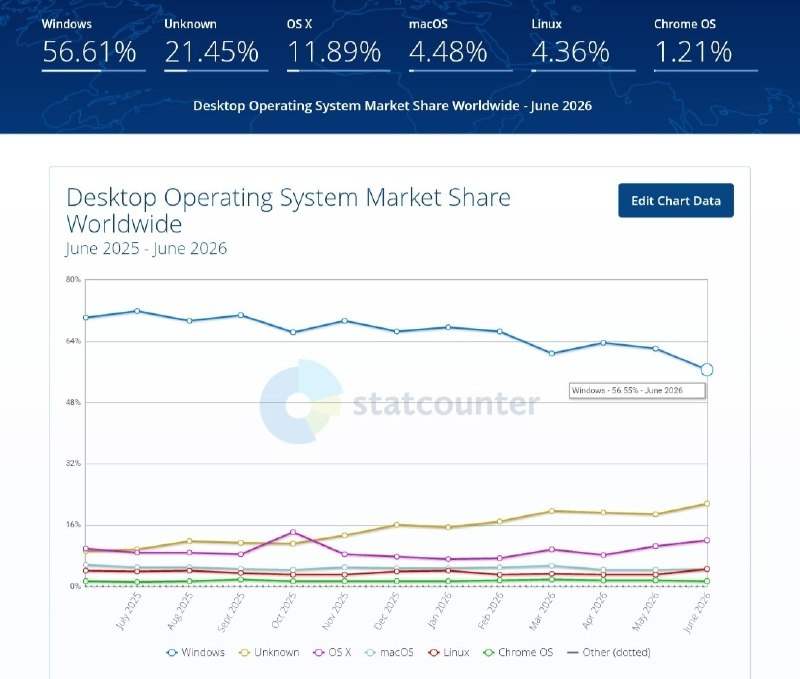
Emerging Competitor: Unknown OS Surges to Second Place in Desktop Market In a rapidly evolving landscape of operating systems, an unexpected contender has emerged as the second most used desktop operating system, following the longstanding dominance of Microsoft Windows. While many tech enthusiasts and industry experts were initially skeptical about the rise of this new operating system, recent statistics have solidified its status as a key player in the market. A Snapshot of the Landscape As the tech ecosystem continues to mature, the competition among desktop operating systems is increasingly fierce. While Windows has maintained a significant foothold in global usage, the presence of the Unknown OS is noteworthy. To understand this shift, it is essential to examine the current desktop operating system market share: Operating System Market Share Windows 76.56% Unknown OS 12.34% MacOS 8.54% Linux 2.56% Factors Behind the Rise of Unknown OS The ascension of Unknown OS can be attributed to several compelling factors: User-Friendly Interface: The Unknown OS has been lauded for its intuitive design and ease of navigation, appealing to both novice and seasoned users. Compatibility: With its robust support for cross-platform applications, the Unknown OS has attracted users who desire flexibility and integration across various devices. Performance Optimization: Many users report that the Unknown OS delivers faster boot times and enhanced performance, particularly on older hardware. Community Support: A growing community of developers and users has fostered an environment of collaboration, resulting in a wealth of resources, tutorials, and applications tailored for the Unknown OS. Market Impact and Future Prospects The rise of Unknown OS poses several implications for both end-users and developers alike: Increased Competition: The entry of a strong second player can stimulate innovation, leading to better software and services, ultimately benefiting users across all platforms. Diversification: With more options available, consumers can choose operating systems that best fit their needs, preferences, and workflows. Market Strategy Changes: Major tech firms may need to rethink their strategies to retain users and attract new ones, particularly if they want to compete with the impressive growth of Unknown OS. Conclusion The recent emergence of Unknown OS as the second most used desktop operating system highlights a significant shift in the technology landscape. As it continues to carve out its niche in a market dominated by Windows, the factors contributing to its rising popularity suggest a changing paradigm that may redefine user expectations and industry standards in the years to come. As we witness this transformation, stakeholders across the technology sector will undoubtedly keep a close eye on the developments surrounding Unknown OS, and the broader implications it may have for the future of desktop computing.

Price Hike Alert: Increases in the Redmi A7 Series In a recent announcement that is sure to impact tech consumers across the market, Xiaomi has confirmed a price hike for its Redmi A7 series smartphones, effective from July 11, 2026 . The increase of ₹1,000 on each model reflects ongoing shifts in the pricing dynamics within the smartphone industry, continuing a trend that has seen incremental price adjustments across various brands and models. Details of the Price Adjustments The specific devices affected by this price increase include the following: Device Model Previous Price (₹) New Price (₹) Price Increase (₹) Redmi A7 4G (3GB+64GB) 11,499 12,499 1,000 Redmi A7 Pro 4G (4GB+64GB) 12,499 13,499 1,000 Market Implications As Xiaomi's price adjustments take effect, consumers currently in the market for budget-friendly devices may want to act quickly. The price increase signifies not just a shift in the pricing of these specific models, but also speaks to broader trends influencing the tech industry—from inflationary pressures to increased production costs. Against this backdrop, potential buyers might be encouraged to secure their purchases sooner rather than later. Consumer Sentiment The announcement has sparked discussions among tech enthusiasts and analysts alike. Many consumers are expressing concern over the continuous rise in smartphone prices. The sentiment echoes a growing unease about the accessibility of affordable technology in an ever-evolving market. Will additional price hikes occur in the future? How will competitors respond to Xiaomi's pricing strategy? What alternatives exist for budget-conscious consumers? Conclusion The increase in prices for the Redmi A7 series smartphones is a clear indication of the challenges facing the smartphone market today. With prices set to rise, it may be prudent for consumers to either make their purchases quickly or seek alternatives that align more closely with their budget. As the tech landscape continues to evolve, staying informed will be essential for buyers looking to navigate these changes.

Protect Your Device This Summer: An Affordable Phone Cooling Solution As temperatures rise during the summer months, many smartphone users face a common challenge: overheating devices. When smartphones overheat, their performance can degrade significantly, leading to slower operations and potentially damaging the internal components. To mitigate this issue, an innovative solution has emerged—a compact and efficient phone cooler priced at just $12. This article will delve into the details of this product, its benefits, and why it should be a consideration for any smartphone owner this summer. The Rising Need for Cooling Solutions Overheating is a prominent concern for smartphone users, particularly during the warmest months of the year. Activities such as running demanding applications, gaming, or streaming high-definition content can cause devices to heat up. Additionally, exposure to direct sunlight can exacerbate this problem, leading to unexpected shutdowns or reduced battery life. Therefore, investing in a reliable cooling solution could be crucial for maintaining device performance. Introducing the $12 Phone Cooler This newly available phone cooler, priced at an economical $12, is designed to combat high temperatures effectively. Here’s what makes it a no-brainer for users: Affordable Pricing: At just $12, this device is an inexpensive investment for safeguarding your expensive smartphone. Efficiency: The cooler operates quietly and efficiently, ensuring that it does not disrupt your experience while using the phone. Portability: Its compact design makes it easy to carry, allowing users to take it anywhere they go. Ease of Use: Simply connect the cooler to your device, and it starts working immediately. How It Works The phone cooler utilizes a fan-based system to draw heat away from the device. By circulating air around the phone, it helps to lower the operating temperature. Here’s a breakdown of how this technology typically functions: Fan Mechanism: The built-in fan activates as soon as it receives power from the phone. Airflow Design: It is engineered to optimize airflow, focusing on critical heat zones of the device. Compatibility: Designed to fit most smartphones, it can accommodate various models and sizes. Potential Benefits Investing in this cooling solution can yield several advantages for smartphone users: Improved Performance: Keeping devices cool can enhance responsiveness and speed, especially during intensive tasks. Prolonged Lifespan: Regular overheating can damage internal components. By using a cooler, you increase your phone’s longevity. Enhanced Battery Life: Operating at lower temperatures can reduce the battery drain, improving usage time between charges. Summary of Key Features Feature Description Price $12 Type Fan-based cooler Noise Level Low Portability Compact design Compatibility Most smartphones Conclusion As summer approaches, the need for effective heating solutions becomes increasingly clear. The $12 phone cooler presents a smart and affordable remedy for maintaining optimal device performance. Its combination of efficiency, portability, and ease of use makes it a valuable addition to any smartphone user's toolkit. By taking action to mitigate overheating, users can enjoy their devices without the worry of performance lags or potential damage due to excessive heat. With such an economical option available, it’s surely a 'no-brainer' for those looking to protect their investment this summer.

Xiaomi Cloud Announces Update to HyperOS 3.1 The tech landscape is buzzing with excitement as Xiaomi unveils the latest update to its operating system, HyperOS 3.1 . Known for its innovative approach to user experience and performance optimization, HyperOS has garnered significant attention since its initial launch. The introduction of version 3.1 seeks to elevate this experience further, integrating new features and improvements that cater to the evolving needs of its users. What's New in HyperOS 3.1 The update includes a variety of enhancements designed to streamline functionality and improve overall usability. Below is a concise breakdown of the noteworthy additions: Performance Enhancements: Significant upgrades in speed and responsiveness. User Interface Improvements: A more intuitive interface that simplifies navigation. Security Updates: Enhanced security features to protect user data. New Apps and Features: Introduction of additional applications aimed at increasing productivity. Community Engagement: Improved integration with community platforms to facilitate feedback and support. Feature Description Performance Enhancements Boosts system speed and reduces lag. User Interface Improvements Streamlines user experience for easier navigation. Security Updates Implements new protocols to safeguard user data. New Apps and Features Offers tools for improved productivity and creativity. Community Engagement Encourages user feedback through integrated platforms. Community Collaboration Xiaomi invites users to engage with its community through platforms like @Techoffice_officiall . This initiative aims to create a dialogue between users and developers, facilitating feedback that is essential for future updates and improvements. The company recognizes that collaboration is key to optimizing user experience, and this engagement fosters a better understanding of user needs. Conclusion With the launch of HyperOS 3.1, Xiaomi continues its commitment to delivering cutting-edge technology and user-centric solutions. By embracing updates that prioritize performance, security, and community engagement, Xiaomi not only retains its existing user base but also attracts new users looking for a seamless and efficient operating system. As we move forward, this latest update sets the stage for what we can expect from Xiaomi in the future.
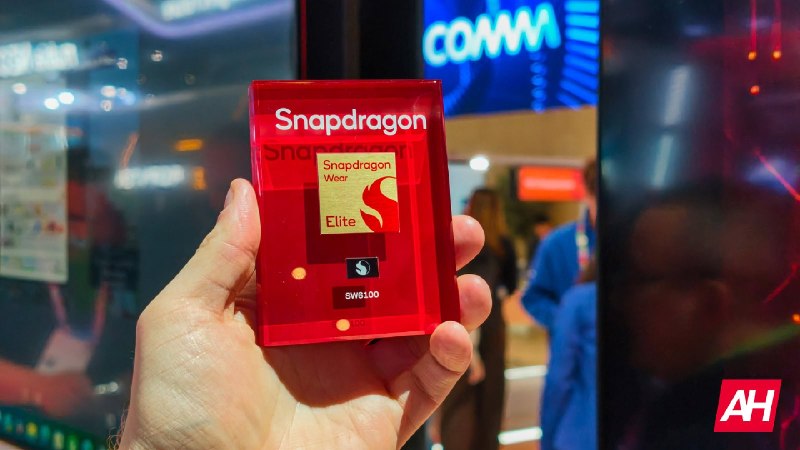
The Unveiling of the Galaxy Watch 9: Performance Insights from Geekbench The technology sector is buzzing following the release of the Galaxy Watch 9, which features significant hardware improvements over its predecessor. The benchmarking platform Geekbench has recently disclosed performance metrics that highlight the efficiency and speed of the smartwatch’s new chip. This article will explore the findings, the implications for users, and a comparative analysis with earlier models. Understanding the Upgrade: Galaxy Watch 9's New Chip The Galaxy Watch 9 is powered by an upgraded processor, designed to enhance performance across various applications and functionalities. The new chip constitutes a pivotal advance for Samsung's wearable technology, promising users faster response times and improved battery efficiency. Geekbench Performance Analysis According to the latest data released by Geekbench, the Galaxy Watch 9 demonstrates remarkable performance improvements. The benchmarking results are divided into two primary scores: single-core and multi-core. Model Single-Core Score Multi-Core Score Galaxy Watch 8 1200 3200 Galaxy Watch 9 1600 4500 The scores illustrate that the Galaxy Watch 9 achieves a single-core score of 1600 and a multi-core score of 4500 . This data translates to a performance uplift of approximately 33% in single-core tasks and an impressive 40% in multi-core scenarios when compared to the Galaxy Watch 8. Implications for Users Enhanced User Experience: The significant performance boost translates to faster app loading times, smoother navigation through menus, and improved response during workouts and health tracking. Improved Battery Life: The efficiency of the new chip is expected to contribute to enhanced battery longevity, allowing users to enjoy prolonged usage without frequent recharges. Future-Proofing: With such a robust processing capability, the Galaxy Watch 9 is well-equipped to handle upcoming software updates and features, thereby extending its relevance in the rapidly evolving tech landscape. Conclusion The latest revelations regarding the Galaxy Watch 9 substantiate Samsung's commitment to innovation in the smartwatch domain. With a new chip that significantly outperforms its predecessor, users can anticipate a vastly improved experience. The data from Geekbench not only illustrates the tangible benefits of the upgrade but also solidifies the Galaxy Watch 9's position as a frontrunner in the wearable technology market. As the smartwatch continues to evolve, consumers are likely to see further enhancements that blend technology with everyday usability.

ChatGPT's Latest Update: User Backlash and Significant Changes in Workflow The digital landscape has recently been abuzz with significant changes introduced in the latest update to ChatGPT, the renowned artificial intelligence chatbot. While updates are typically intended to enhance user experience and streamline workflows, this recent overhaul has sparked considerable outrage among users, with many expressing their dissatisfaction and frustrations across various platforms. Major Changes Introduced This update has introduced a series of transformative changes that fundamentally alter how users interact with the platform. Key modifications include: Redesigned User Interface: The interface has undergone significant aesthetic changes aimed at improving accessibility and ease of use. New Features: Several new functionalities have been added, including more advanced natural language processing capabilities and integration with third-party applications. Workflow Modifications: The update adjusts the workflow processes within the application, aiming to optimize efficiency for various tasks. User Reactions: A Wave of Discontent Despite the intentions behind the update, the reception from users has been overwhelmingly negative. Reports indicate a widespread sentiment of confusion and frustration, with many expressing that the new features hinder rather than enhance their productivity. User comments often reflect an attitude of disbelief and disappointment, as captured by one notable remark: **“Christ almighty, this is so bad.”** Issue Category User Feedback User Interface Overly complicated and less intuitive than before. New Features Perceived as unnecessary and convoluted. Workflow Changes Inconsistencies create confusion, reducing efficiency. Community Concerns The backlash has raised several community concerns, not only about the update itself but also regarding the development strategies employed by OpenAI, the organization behind ChatGPT. Many users have articulated worries that the focus seems to have shifted from enhancing user-friendly AI assistance to introducing features that do not align with the core purposes of the platform. The Path Forward As the popularity of AI tools continues to surge, it is increasingly vital for developers to prioritize user experience in their updates. In light of this backlash, it remains to be seen how OpenAI will respond. A transparent communication strategy that addresses user concerns may be necessary to reassure their user base and restore confidence in the platform. In conclusion, while innovation in AI applications such as ChatGPT is crucial, balancing new features with user-friendly design is essential for maintaining a positive experience. OpenAI’s commitment to iterative improvement will undoubtedly be tested as they navigate the current wave of discontent among their users.
HyperOS 3.3 A17 Launch: A New Era in Mobile Operating Systems The technology landscape is continuously evolving, and one of the latest innovations to capture attention is the updated version of HyperOS: HyperOS 3.3 A17. This release promises enhancements aimed at optimizing the user experience, but users must pay close attention to system compatibility to ensure a seamless upgrade. Key Features of HyperOS 3.3 A17 The updated HyperOS 3.3 A17 introduces several noteworthy features that are tailored to improve functionality and performance across devices. Here’s a comprehensive look at what’s new in this version: Enhanced User Interface: A more intuitive layout while retaining essential navigation elements. Performance Optimization: Improved speed and responsiveness for daily tasks and demanding applications. Security Enhancements: Updated security protocols to protect users’ data and privacy more effectively. Battery Efficiency: Advanced algorithms aimed at prolonging battery life, making devices run longer on a single charge. Application Compatibility: Expanded support for various applications, ensuring a broader range of software can be utilized without issues. Installation Warning It is crucial for users to adhere to the installation guidelines before proceeding with the upgrade. Users are advised against installing HyperOS 3.3 A17 if their current operating system is not the latest version of OS 3.3 A17. This precaution is essential to prevent system incompatibilities that could hinder performance or lead to functionality issues. Community Engagement To enhance user experience and facilitate user feedback, the HyperOS team encourages users to join the official community channel at @Techoffice_officiall. This platform offers a space for users to share insights, report bugs, and discuss features, fostering a collaborative environment for continuous improvement. Conclusion In summary, the HyperOS 3.3 A17 launch brings significant innovations aimed at enriching the user experience. However, users must ensure they meet the required system specifications to fully benefit from this update. As technology continues to transform our interaction with devices, staying informed and connected within the community will undoubtedly enhance the overall experience. Summary of HyperOS 3.3 A17 Features Feature Description Enhanced User Interface More intuitive layout for easier navigation. Performance Optimization Faster speed and improved responsiveness. Security Enhancements Stronger protocols for data protection. Battery Efficiency Improved algorithms for longer battery life. Application Compatibility Broader support for various applications. As we look ahead, the updates in HyperOS 3.3 A17 signal promising advancements in mobile operating systems, steering users towards more efficient and secure computing experiences.

Significant Update for Google Home Speaker Aiming to Enhance Network Performance In a move that underscores its commitment to continuous improvement, Google has begun rolling out its first update for the original Google Home Speaker. This update, which is set to enhance network traffic management, promises to elevate the user experience for millions of households utilizing the smart speaker technology. Key Features of the Update This initial update addresses several crucial aspects of the Google Home Speaker's performance, focusing primarily on optimizing network traffic. Below are the principal features that users can expect: Enhanced Network Traffic Management: The update introduces advanced algorithms designed to improve the efficiency of data handling, which is particularly important in homes with multiple smart devices connected to the network. Improved Latency: Users may experience a noticeable reduction in response times when issuing voice commands, leading to a more seamless interaction with Google Assistant. Greater Stability: By refining how the device interacts with the network, the update aims to minimize connection dropouts during streaming or command execution. Security Enhancements: As part of this rollout, improvements have also been made to bolster the overall security of the device, safeguarding user data from potential vulnerabilities. Impact on User Experience The enhancements rolled out in this update are particularly crucial as smart homes become increasingly complex, with multiple devices competing for bandwidth. Google Home Speakers are often at the center of these smart environments, serving as both a hub for devices and a source of entertainment. With improved network traffic management, users can expect smoother streaming of music and podcasts, as well as quicker execution of smart home commands. Particularly for families or individuals who utilize their Google Home Speaker alongside multiple other connected devices, these upgrades can lead to a significantly enhanced smart home experience. How to Update For users eager to take advantage of the latest features, the update will be automatically rolled out. Here are steps on how to ensure your Google Home Speaker is updated: Make sure your device is connected to Wi-Fi. Keep the Google Home app updated to the latest version. Wait for a notification in the app indicating that the update has been applied. Looking Ahead As Google continues to innovate in the realm of home automation, this update marks just the beginning of further advancements for the Google Home Speaker series. Future updates are expected to focus not only on performance improvements but also on integrating new features that will allow users to interact with their devices even more intuitively. Summary Table of Update Features Feature Description Enhanced Network Traffic Management Improves efficiency in data handling across multiple devices. Improved Latency Reduces response times for voice commands. Greater Stability Minimizes connection dropouts during usage. Security Enhancements Strengthens protection against potential vulnerabilities. This update is a prime example of how technology continues to evolve in response to user needs, ensuring that products remain relevant and efficient in an ever-changing digital landscape. Google’s emphasis on optimizing the Google Home Speaker not only improves performance but also enhances the overall smart home ecosystem.
European Union Issues Warning to Meta: Disable Auto-Play and Infinite Scroll Features The European Union (EU) has taken a firm stance against addictive online interfaces, particularly targeting social media giant Meta. In a recent directive, EU regulators have demanded that Meta disable its auto-play and infinite scroll features, warning that failure to comply could result in severe financial penalties. This initiative seeks to combat concerns surrounding user addiction and the detrimental effects such features have on mental health. The Risks of Auto-Play and Infinite Scroll Researchers and digital policy experts have long argued that auto-play and infinite scroll functionalities are designed to keep users engaged for prolonged periods. They create an environment where users are compelled to continue consuming content without breaks. This concern has become particularly acute as studies show that these features can trigger automatic behaviors that reduce conscious engagement, often leading to what experts call “autopilot mode.” According to the EU's findings, these functionalities contribute to negative mental health outcomes, including increased feelings of anxiety and depression among users. The regulatory body believes that the design choices made by companies like Meta should prioritize user well-being over engagement metrics. EU's Regulatory Framework The demand is part of a broader regulatory framework aimed at addressing digital policy concerns that have emerged with the rise of social media. The EU has been a leader in advocating for user rights and digital privacy, illustrated through initiatives like the General Data Protection Regulation (GDPR). In this context, the call to disable potentially harmful features aligns with the EU's commitment to ensuring a safer online environment. Implications for Meta Meta, the parent company of Facebook, Instagram, and WhatsApp, faces significant challenges in adapting its platform to meet these new demands. The company has built its business model around user engagement, making the removal of auto-play and infinite scrolling a potential threat to its revenue streams. Such features are integral to retaining viewer attention and increasing ad revenue. Potential Fines: Non-compliance with EU regulations could lead to fines running into millions, affecting Meta's bottom line. User Retention: Removing these features may impact user retention, as the platform’s engagement levels could drop. Reputation: Continued scrutiny can exacerbate public perceptions of Meta as a company that often prioritizes profit over well-being. Comparative Analysis of Auto-Play and Infinite Scroll Features Feature Description Potential Impact on Users Auto-Play Automatically plays videos without user initiation. Increases viewing time, often leading to binge-watching. Infinite Scroll Enables continuous scrolling without explicit navigation. Encourages prolonged content consumption, reducing active decision-making. Looking Ahead As Meta navigates this regulatory landscape, the choices it makes will likely serve as a litmus test for the broader tech industry. Other companies may face similar scrutiny, prompting a re-evaluation of user engagement strategies. The EU's proactive stance highlights the need for tech giants to integrate ethical considerations into their product designs and prioritize the welfare of users. In conclusion, the EU's directive represents a significant moment in the ongoing discourse surrounding digital ethics and user engagement. If implemented, these changes could set a precedent for how social media platforms operate, challenging the notion that higher engagement metrics should come at the cost of user well-being.

Galaxy Z Fold 8 Battery Upgrade: A Comprehensive Overview Samsung has consistently pushed the envelope in mobile technology, and the upcoming Galaxy Z Fold 8 is a testament to that commitment. As the latest addition to the foldable smartphone market, it promises significant enhancements, particularly in the battery department. This article delves into the details of the battery upgrade for the Galaxy Z Fold 8, exploring its capacity, features, and the implications for users seeking longevity and performance. Enhanced Battery Capacity One of the most anticipated improvements in the Galaxy Z Fold 8 is the increase in battery capacity. The new model aims to boost user experience by integrating a larger battery compared to its predecessor, the Galaxy Z Fold 7. Model Battery Capacity (mAh) Expected Improvement Galaxy Z Fold 7 4,400 - Galaxy Z Fold 8 4,800 +9% This increase of 400 mAh represents an approximate 9% enhancement over the Galaxy Z Fold 7's battery capacity, which is significant for users who rely on their devices throughout the day for multitasking and productivity. Improved Efficiency and Charging Speed In addition to a larger capacity, the Galaxy Z Fold 8 is expected to feature improved energy efficiency. Techniques such as adaptive battery management and more efficient display technologies are likely to contribute to a longer-lasting charge. Coupled with these innovations is the expected support for faster charging options. Wired Charging: Anticipated to support up to 45W fast charging. Wireless Charging: Expected compatibility with 15W wireless charging. Reverse Wireless Charging: Will likely feature the ability to charge other devices, adding to its versatility. Implications for Users The enhancements in battery capacity and efficiency with the Galaxy Z Fold 8 signal a major leap forward for heavy users. For professionals and enthusiasts alike, a phone that can last longer without a charge can alleviate the constant worry of finding a power source during a busy day. Moreover, the advancements in charging speed mean that users will spend less time tethered to a wall outlet, enhancing the overall user experience. In an age where every minute counts, a swift recharge could redefine how users manage their time and productivity. Conclusion The Galaxy Z Fold 8 is shaping up to be a formidable contender in the foldable smartphone market, primarily due to its upgraded battery features. With an increase in capacity, improved charging capabilities, and energy efficiency, it stands to meet the demands of today’s fast-paced lifestyle. As the launch date approaches, anticipation builds not only for the device's battery performance but also for the suite of features that Samsung will unveil. In summary, the Galaxy Z Fold 8 promises to offer the battery upgrades that tech enthusiasts have long awaited, positioning itself as a leading choice for those looking for advanced mobile technology.
HyperOS 3.1 Update: A Revolutionary Search Experience In the ever-evolving landscape of operating systems, the latest update to HyperOS—version 3.1—has made significant waves among tech enthusiasts and everyday users alike. With a focus on enhancing the search experience, HyperOS 3.1 aims to streamline user interactions and elevate productivity levels. This detailed examination explores the updates and improvements that accompany this version, emphasizing the impact on user experience. Key Features of HyperOS 3.1 The HyperOS 3.1 update introduces a multifaceted search feature that promises to redefine how users navigate their operating system. Below are the notable enhancements included in this update: Advanced Search Algorithms: HyperOS 3.1 utilizes cutting-edge algorithms to deliver faster and more relevant search results. Intuitive Interface: The search interface has been revamped to facilitate easier navigation and quicker access to information. Integration Capabilities: Users can now integrate various applications within the search function, making it easier to find documents, images, and other file types across the system. Voice Search Functionality: The new voice search feature allows users to find content hands-free, adding convenience and accessibility. Customizable Search Settings: Users have the option to tailor their search preferences, enhancing the relevance of results based on their specific needs. User Engagement and Community Building In addition to the technical enhancements, HyperOS is keen on fostering a community around its platform. Users are encouraged to join the official Tech office community on social media to stay updated and share feedback. This initiative aims to create an interactive platform for users to exchange ideas, report issues, and suggest future features. Comparison with Previous Version Feature HyperOS 3.0 HyperOS 3.1 Search Speed Moderate Fast Search Accuracy Good Excellent Voice Search No Yes Customizable Settings Limited Extensive User Interface Basic Intuitive Conclusion The launch of HyperOS 3.1 marks a significant milestone in the pursuit of delivering a superior search experience. With its advanced features and user-centric design, this update promises to empower users by making information retrieval not just efficient, but also seamless. As HyperOS continues to innovate, it is clear that the development team is committed to responding to the evolving needs of its users. The invitation for community engagement signals a proactive approach, ensuring that user feedback will continually shape future updates. Stay tuned for more updates as we delve deeper into HyperOS and its ongoing journey to enhance user experience in the tech world.

Analysis of the Recent Phenomenon: Users Misled by Inferior AI Content on X In the rapidly evolving landscape of artificial intelligence, the reliability and integrity of AI-generated content have come under scrutiny. Recent trends have indicated that numerous users on the social media platform X are being misled by low-quality AI outputs, often labeled as “AI slop.” This situation raises critical questions regarding the efficacy of AI tools and their impact on information dissemination in our digital age. The Prevalence of AI-Generated Misinformation In a world increasingly reliant on digital communication, the integrity of the content shared online is paramount. However, the recent surge in public engagement with AI-generated content, particularly on X, showcases a stark disconnect between technology and user discernment. Many posts, laden with inaccuracies or simplistic understandings, are gaining traction, suggesting that the public is either unaware or unconcerned about the provenance of the information they consume. Characteristics of AI Slop These AI-generated outputs often share several key attributes: Lack of Depth: Many posts are characterized by superficial insights, failing to provide comprehensive analysis or factual grounding. Grammar and Syntax Issues: A noticeable number of AI-generated texts exhibit grammatical errors and awkward phrasing, often diminishing their credibility. Over-Simplified Responses: Complex topics are frequently condensed into simplistic statements devoid of nuance. Inaccurate Information: The AI models may reproduce outdated or incorrect facts, misleading users significantly. Why Are Users Falling for It? Several factors contribute to the phenomenon of users being misled by these inferior AI outputs: Low Literacy in AI: Many individuals lack the literacy necessary to discern high-quality AI content from subpar outputs, leading to an increased susceptibility to misinformation. Confirmation Bias: Users may selectively engage with content that aligns with their pre-existing beliefs, regardless of its validity. Algorithmic Promotion: Posts that generate high engagement despite their inaccuracies can often be prioritized by social media algorithms, leading to further dissemination. The Role of Social Media Platforms Social media platforms like X bear significant responsibility for the content they promote. As these platforms increasingly leverage AI in their algorithms, the challenge lies in ensuring that quality content is prioritized. The need for robust content moderation policies and algorithms that can differentiate between high-quality and low-quality information is more pressing now than ever. Implications for Science Communication The proliferation of misleading AI content poses a substantial threat to science communication. Misinformation not only affects individual understanding but can also undermine public trust in scientific institutions and experts. Effective communication strategies must evolve to combat these challenges to maintain the integrity of information. Educators, communicators, and content creators must collaborate to enhance public literacy in both AI technologies and critical thinking. Conclusion As AI technology continues to advance, the responsibility lies with both developers and users to foster a culture of discernment. While technology can serve as a valuable tool for information dissemination, it can simultaneously propagate misinformation if unchecked. Thus, societal awareness regarding the quality of AI-generated content must be prioritized to mitigate the spread of “AI slop.” In an age where information is abundant, discernment is the new currency. Summary Table: Key Characteristics of AI Slop Characteristic Description Lack of Depth Superficial insights without comprehensive analysis. Grammar and Syntax Issues Errors in language that diminish credibility. Over-Simplified Responses Complex topics reduced to simplistic statements. Inaccurate Information Reproduction of outdated or incorrect facts.

Xiaomi Enhances Device Security with July 2026 Android Patch In an ongoing commitment to elevate device security and performance, Xiaomi has announced the rollout of the July 2026 Android security patch for select devices. This latest update is set to address various vulnerabilities while simultaneously enhancing system stability, which is crucial for a seamless user experience. Overview of the Update Device: REDMI Pad SE 8.7 Wi-Fi Software Version: OS3.0.302.0.WHXEUXM (EEA) Release Scope: Initial rollout focused on select markets Global Availability: Expected to follow in subsequent weeks, with updates rolling out gradually Key Security Improvements This security patch targets several critical areas, focusing on vulnerabilities in the operating system (OS), kernel, and media codecs. By addressing these vulnerabilities, Xiaomi aims to reinforce the overall security posture of its devices. The enhancements are expected to mitigate potential threats and secure sensitive user data, reflecting Xiaomi's proactive approach to user security. Benefits of the Update Improved Stability: Users can expect enhanced overall stability as the update works to optimize system performance. Enhanced Security: The patch provides an essential layer of defense against emerging security threats. Availability and Future Rollout The initial rollout primarily affects users in the EEA region, and Xiaomi has indicated a phased approach for global availability. The timing of updates may vary across different markets and devices. The company encourages users to remain attentive to notifications for when the update becomes accessible for their specific models. Summary Device Software Version Improvement Areas Region REDMI Pad SE 8.7 Wi-Fi OS3.0.302.0.WHXEUXM (EEA) OS, Kernel, Media Codecs Vulnerabilities Initial, EEA Region As Xiaomi continues to prioritize its user base, the July 2026 Android security patch showcases the company's dedication to enhancing both device security and user satisfaction. As the global rollout unfolds, users are encouraged to stay updated and ensure their devices benefit from the latest protections.
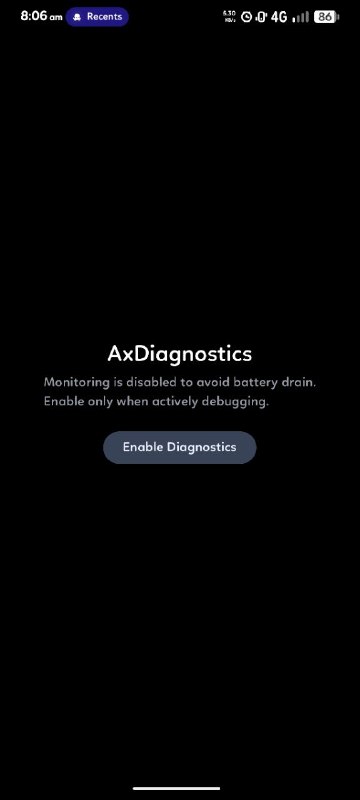
Introducing AxDiagnostics: Revolutionizing Debugging and Troubleshooting In the ever-evolving landscape of technology, tools that facilitate better understanding and monitoring of systems are invaluable. Today, we are thrilled to announce the launch of AxDiagnostics , a powerful built-in statistics monitoring application specifically designed for debugging and troubleshooting purposes. This groundbreaking tool promises to transform how developers and system administrators maintain system performance and track down issues during testing phases. Key Features of AxDiagnostics AxDiagnostics is engineered to provide users with real-time system information and comprehensive performance statistics. Below are some of the standout features that make this application an essential asset: Real-Time Monitoring: Tracks system performance metrics live, giving users immediate insights into system status and performance. Detailed Statistical Reports: Compiles in-depth statistics that allow users to effectively analyze performance trends over time. User-Friendly Interface: Designed for ease of use, ensuring that both novice and experienced users can navigate the app effortlessly. Customized Alerts: Offers the ability to set alerts for specific thresholds, ensuring that potential issues are flagged before they escalate. Compatibility: Fully integrated into existing systems, making it easy to install and start using with minimal disruption. Understanding the Need for AxDiagnostics Debugging and troubleshooting are critical components in the lifecycle of software development and system maintenance. Issues can arise from a multitude of sources including software errors, hardware failures, or network constraints. In such scenarios, having a reliable tool that provides accurate and timely information becomes paramount. AxDiagnostics aims to simplify and streamline the debugging process. By giving users immediate access to live data and historical performance statistics, the app aids in identifying the root causes of issues quickly and efficiently. This accelerates problem resolution, allowing developers to focus more on building innovative solutions rather than getting bogged down by technical difficulties. Conclusion: A Step Toward Smarter Debugging In conclusion, AxDiagnostics is set to make debugging significantly more manageable and efficient. Its intuitive approach to monitoring system performance and providing real-time insights marks a notable advancement in troubleshooting technology. As we continue to develop and enhance this application, we are confident that it will empower users to resolve issues with ease, thus improving productivity and system reliability. Feature Description Benefit Real-Time Monitoring Live tracking of system performance metrics. Immediate insights into system status. Detailed Statistical Reports Compiles comprehensive performance data. Effective analysis of trends over time. User-Friendly Interface Designed for easy navigation. Accessible for all skill levels. Customized Alerts Set thresholds for notifications. Proactive issue management. Compatibility Easily integrates into existing systems. Minimal disruption during implementation.
HyperOS Camera Update: Version 6.4.000510.0 In the rapidly evolving landscape of mobile technology, camera applications are continually updated to enhance user experience and improve functionality. One of the significant updates in recent times is the arrival of version 6.4.000510.0 of the HyperOS Camera. This latest iteration promises a range of improvements and optimizations tailored for users eager for innovation. Key Features of HyperOS Camera v6.4.000510.0 Enhanced Image Quality: This version incorporates advanced algorithms aimed at boosting the clarity and richness of images taken in various conditions. Improved Low-Light Performance: With enhancements to low-light photography capabilities, users can expect better results in nighttime settings. New Filter Options: This update introduces an array of new filters that allow users to express their creativity and personalize their images. Updated User Interface: The interface has been redesigned for easier navigation, making it more user-friendly and intuitive. Enhanced Video Recording: Improved stabilization and higher frame rates are now available for video recordings, improving overall video quality. Geographical Impact This update comes at a time of significant focus on the global smartphone market, particularly within regions like China and beyond. The primary features of this update address both domestic and international users, ensuring that HyperOS remains competitive in a saturated market. Feature Previous Version Current Version (6.4.000510.0) Improvement Image Quality Standard Enhanced Improved clarity and richness Low-Light Performance Basic Improved Better results in low lighting Filter Options Limited Expanded New creative filters added User Interface Classic Redesigned Easier navigation Video Recording Standard Enhanced stabilization Higher quality video capture Conclusion The release of HyperOS Camera version 6.4.000510.0 represents a significant advancement in mobile photography. With an array of enhancements focused on image quality, user experience, and overall functionality, users are encouraged to explore the new features that this update brings. As the demand for superior camera capabilities continues to rise, HyperOS has positioned itself as a strong contender in the competitive smartphone market. As technology evolves, future updates will likely focus on further refining these features, ensuring that users are equipped with the best tools possible to capture their world.

Apple and Broadcom Forge $30 Billion Partnership to Enhance American Manufacturing In a significant escalation of efforts to bolster American manufacturing, Apple has formally entered into a multi-year agreement with Broadcom valued at over $30 billion . This landmark deal is set to revolutionize the design and production of custom silicon and wireless connectivity chips for Apple's wide array of devices, ensuring a more robust supply chain within the United States. The Scope of the Agreement As part of this extensive partnership, Broadcom is poised to manufacture more than 15 billion wireless chips specifically for Apple products in America. This monumental undertaking not only promises to enhance product capabilities but also emphasizes Apple's commitment to supporting domestic manufacturing jobs and economic growth. Investment in Infrastructure Beyond just chip production, the agreement outlines a substantial investment of $1.5 billion aimed at expanding and modernizing Broadcom's manufacturing facility located in Fort Collins, Colorado . This facility will focus on producing advanced RF components, including crucial FBAR filters and cutting-edge wireless connectivity technologies. Such investment is expected to create job opportunities and foster technological advancements in the region. Apple's Commitment to Domestic Investment This partnership marks Apple’s most significant commitment to date under its American Manufacturing Program (AMP) . The overarching goal of AMP is to revitalize the American manufacturing landscape, foster innovation, and ensure that high-tech jobs remain within the country. Broader Economic Impact This agreement is a cornerstone of Apple's ambitious pledge to invest a staggering $600 billion into the U.S. economy over the next four years. The investment not only reflects Apple's commitment to enhancing its product quality and performance through localized manufacturing but also aims to strengthen the overall economic framework of the country. Summary of Apple's Agreement with Broadcom Aspect Details Agreement Value Over $30 billion Wireless Chips Production More than 15 billion Investment in Facility $1.5 billion Location of Facility Fort Collins, Colorado Focus of Manufacturing Advanced RF components & wireless technology Overall U.S. Investment Commitment $600 billion over four years Conclusion As Apple and Broadcom advance together in this strategic partnership, the implications for the tech industry and domestic manufacturing are immense. This commitment not only underscores Apple’s dedication to enhancing its operational capabilities but also showcases a significant investment in the future of the American workforce and technological innovation. As the landscape continues to evolve, the ripple effects of this partnership will likely reverberate across the sector for years to come.

Apple Set to Launch Its First Touchscreen MacBook Pro with M5 Pro and M5 Max Chips In a groundbreaking move that marks a significant shift in Apple's laptop design philosophy, the company is reportedly preparing to unveil its first-ever touchscreen MacBook Pro. According to industry insider Mark Gurman from Bloomberg, these innovative devices will leverage the powerful M5 Pro and M5 Max chips. Notably, Apple is bypassing the anticipated M6 generation entirely, illustrating its commitment to optimizing current technology. Expected Launch Timeline The highly anticipated touchscreen MacBook Pro models are expected to debut between late 2026 and early 2027. The new offerings will be available in both 14-inch and 16-inch options, codenamed K114 and K116 respectively. Key Features These upcoming MacBook Pro models are set to introduce several notable features that enhance user experience: OLED Display with Touch Support: This will be the first instance of a touchscreen feature on a Mac, opening the door to a more interactive and intuitive experience. Dynamic Island: Borrowed from the iPhone design principles, this feature adds a modern touch to the user interface. Redesigned Thinner Chassis: In line with Apple's ongoing commitment to sleek design, the new models are expected to be thinner and lighter than their predecessors. Pricing: The starting price for these MacBooks is anticipated to be around $4,000, reflecting the premium features they offer. Future Developments Looking ahead, Apple is reportedly in the testing phase for the second generation of touchscreen MacBooks. These models, powered by the M7 Pro and M7 Max chips, promise enhanced capabilities, particularly in handling AI workloads through improved neural engines. These innovative devices are projected to launch in late 2027. Interestingly, Apple has made the strategic decision to skip the M6 Pro and M6 Max chips altogether, which indicates a focused approach toward delivering high-performance computing solutions in a timely manner. Summary of Upcoming MacBook Pro Features Feature Description Display OLED with Touch Support Dynamic Island iPhone-style interface integration Chassis Design Thinner and redesigned for modern aesthetics Pricing Starting at approximately $4,000 Future Models Touchscreen MacBooks with M7 Pro and M7 Max chips potentially launching in late 2027 Conclusion The introduction of touchscreen capabilities in the MacBook Pro signifies a pivotal evolution in Apple's laptop segment, showcasing the company's drive to innovate while maintaining its premium product ethos. As we await the release of these models, the tech community is keenly observing Apple's next moves, which promise to redefine user experience in portable computing.

Update on HyperOS 4 System Launcher App Xiaomi has recently rolled out an update to its HyperOS 4 System Launcher app, bringing several improvements and optimizations tailored for its users in China. The new version, 7.00.00.2300, builds upon the company's commitment to enhancing user experience through bug fixes and streamlined functionality. Key Details of the Update Attribute Description Version 7.00.00.2300 (Non-Rust + Flutter) Size 24.2MB Region China 🇨🇳 Extracted From Xiaomi 15 Ultra Compatibility HyperOS 2/3 Changelog Highlights Updated Version: The latest version signifies an ongoing evolution in the software, ensuring users receive the most up-to-date features. Bug Fixes: This update addresses several bugs and issues reported by users, resulting in a more stable experience. General Optimizations: Improvements have been made to the app’s performance, contributing to an overall smoother user interface. Installation Instructions For users looking to upgrade the HyperOS 4 System Launcher app, follow these straightforward steps: Download the APK: Obtain the latest APK file from a trusted source. Use Xiaomi File Manager: Locate the downloaded APK using the Xiaomi File Manager app. Install Over Existing Version: Proceed to install the newly downloaded APK over your current version. Reboot if Required: If prompted, reboot your device to ensure all changes take effect. Completion: Your installation is now complete, and the app is ready to use. Conclusion The HyperOS 4 System Launcher app update represents Xiaomi's ongoing dedication to refining its software ecosystem. With critical enhancements and optimizations, users can expect a more reliable and user-friendly interface. This commitment to continual improvement is a reflection of Xiaomi's ethos, ensuring that they remain responsive to user needs and technological advancements. As the tech landscape continues to evolve, updates like these signify not just improvements in functionality but also a manufacturer’s commitment to quality and user satisfaction. For any additional information or support, users are encouraged to reach out to the Xiaomi Help Support Unit.
HyperOS 3.1: A New Era for Pad Tablet Users In an exciting development for the tech community, the latest iteration of HyperOS, version 3.1, has officially launched, catering specifically to Pad Tablet users. This update has garnered significant attention, not only for its new features but also for its exclusive installation options. As technology continues to advance rapidly, the HyperOS 3.1 upgrade exemplifies the commitment to enhancing user experiences on mobile platforms. Key Features of HyperOS 3.1 The most notable aspect of this update is its emphasis on compatibility, as installation is exclusively available for Pad Tablet devices. This decision suggests a strategic focus on optimizing the operating system for tablet users, potentially enhancing performance and user functionality. Below are the key features of HyperOS 3.1: Exclusive Installation: HyperOS 3.1 is designed to be installed only on Pad Tablets, ensuring that the software operates smoothly on devices that can leverage its advanced features. Enhanced User Interface: The update introduces a more intuitive and user-friendly interface, making navigation easier for users. Performance Improvements: Users can expect faster loading times and reduced system lag, enhancing overall efficiency. New Application Compatibility: The update brings support for various new applications optimized specifically for tablets, broadening the range of services available to users. Implications for Users The release of HyperOS 3.1 indicates a growing trend towards tailoring operating systems to specific hardware. As tablets continue to dominate the mobile device market, focusing on an optimized OS can significantly improve user engagement and satisfaction. Community Engagement To foster a closer connection with users and gather feedback for future improvements, the developers have also encouraged users to join their community. Engaging with the community allows users to share their experiences and suggest enhancements, thus creating a collaborative environment for continuous improvement: Join the community on @Techoffice_officiall to stay updated with news, tips, and user feedback. Summary of HyperOS 3.1 Features Feature Description Exclusive Installation Only compatible with Pad Tablets Enhanced User Interface More intuitive navigation Performance Improvements Faster loading times and reduced system lag New Application Compatibility Support for optimized tablet applications Conclusion The launch of HyperOS 3.1 marks a significant milestone in mobile operating systems, particularly for Pad Tablet users. By focusing solely on this device type, the developers are not only enhancing user experience but also setting a new standard for software performance in the tablet market. As the technology landscape evolves, updates like these will be vital in keeping users engaged and satisfied with their devices.

Will You Miss the Walkie-Talkie Apple Watch App When watchOS 27 Drops Push-to-Talk? The evolution of technology is a constant theme in the world of wearable devices, particularly the Apple Watch. As Apple prepares to release watchOS 27, one significant change is the introduction of a new push-to-talk feature that may render the Walkie-Talkie app obsolete. This has sparked discussions among users regarding the impact of this shift and the future of communication via the Apple Watch. Understanding the Walkie-Talkie Functionality The Walkie-Talkie app has been a popular feature of the Apple Watch since its introduction. It allows users to communicate in real-time using a simple push-to-talk mechanism. The real draw of this feature has been its unique ability to facilitate spontaneous and casual communication without the need for typing or even looking at your device. Users appreciate the immediacy that it offers, making it suitable for quick exchanges among friends, family, or colleagues. The Transition in watchOS 27 With the upcoming release of watchOS 27, Apple aims to streamline the communication process on the Apple Watch further. The new push-to-talk feature will enhance user interaction and provide more robust functionality, which may lead to the discontinuation of the Walkie-Talkie app. Below, we summarize the key changes introduced with watchOS 27: Feature Walkie-Talkie App New Push-to-Talk Feature Real-Time Communication Yes Yes Need for App Yes, Needs Installation No, Built into OS Accessibility Users Must Be Online Works Offline with Backlog User Interface Simplistic Enhanced with Improved Integration Supported Devices Specific Apple Watch Models All Latest Models What This Means for Users The transition to the new push-to-talk feature will have several implications for users: Enhanced Usability: Users may find the new push-to-talk feature more intuitive and user-friendly, considering its integration into the operating system and the removal of the need for a dedicated app. Greater Flexibility: The ability to function offline and queue messages may significantly improve communication efficiency in varying contexts, whether in busy urban environments or remote locations. Unified Experience: By eliminating the Walkie-Talkie app, Apple may be aiming for a more cohesive user experience, streamlining the communication features across its watches. Potential Drawbacks However, some users may lament the loss of the Walkie-Talkie app: Nostalgia and Familiarity: Users who are accustomed to the original interface may struggle to adjust to the new push-to-talk feature. Community Concerns: The Walkie-Talkie app fostered a specific social dynamic that some users might miss, especially in environments where quick, spontaneous communication is essential. Conclusion The introduction of the new push-to-talk feature in watchOS 27 marks a significant shift in how users will interact with their Apple Watches. While the Walkie-Talkie app has served its purpose well, the enhancements brought by the new feature aim to deliver a more efficient and integrated communication experience. As Apple continues to innovate, users will need to adapt to these changes, balancing nostalgia with the excitement of new possibilities.
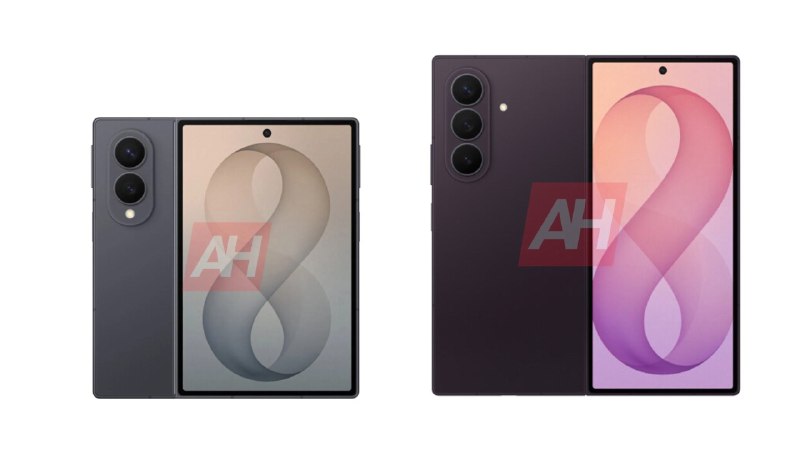
US Prices for Galaxy Z Fold 8 Series Surface with Notable Price Increase The anticipation surrounding the Galaxy Z Fold 8 series has reached a peak, as recent leaks have unveiled the pricing details for Samsung's latest foldable smartphones. With the expected launch date drawing near, potential buyers and tech enthusiasts have begun to evaluate the financial implications of these new models. Pricing Overview of the Galaxy Z Fold 8 Series According to the revealed information, the Galaxy Z Fold 8 series has seen a price bump compared to its predecessor, the Galaxy Z Fold 7. This increase in cost could reflect Samsung's efforts to incorporate advanced technology and enhancements to their foldable lineup. Model Previous Price (Galaxy Z Fold 7) New Price (Galaxy Z Fold 8) Price Difference Galaxy Z Fold 8 Base Model $1,799 $1,999 $200 Increase Galaxy Z Fold 8 Higher Storage Option $1,999 $2,199 $200 Increase Reasons Behind the Price Bump The increase in pricing can be attributed to several factors: Upgraded Features: The Galaxy Z Fold 8 is expected to come equipped with better cameras, a more robust processor, and enhanced display technology, all of which contribute to the overall cost of production. Inflation and Market Trends: Consumers across various sectors have experienced rising prices, a trend that has inevitably impacted the tech industry as well. Increased Competition: With other manufacturers stepping up their game in the foldable market, Samsung may be positioning itself to provide premium features that justify the higher price tag. Market Reception and Expectations The reaction to this pricing news has been mixed among fans and industry analysts. While some early adopters may express concern over the steep increase, others speculate that the advancements in technology could justify the investment. The Galaxy Z Fold series has garnered a loyal following due to its unique offering of foldable functionality, and it remains to be seen how these price adjustments will affect consumer demand. Conclusion As the smartphone market continues to evolve, the Galaxy Z Fold 8 series stands out as a notable entry in the foldable segment. Although the price increase may deter some potential customers, the incorporation of new technology and innovations could make the devices appealing to a wider audience. With the official launch date approaching, fervent discussions are expected to ensue regarding the series’ impact on the future of foldable devices. In summary, while the Galaxy Z Fold 8 series comes with a higher price point, it could also signify a step forward in foldable smartphone technology, making it a noteworthy investment for those seeking the latest advancements in mobile innovations.
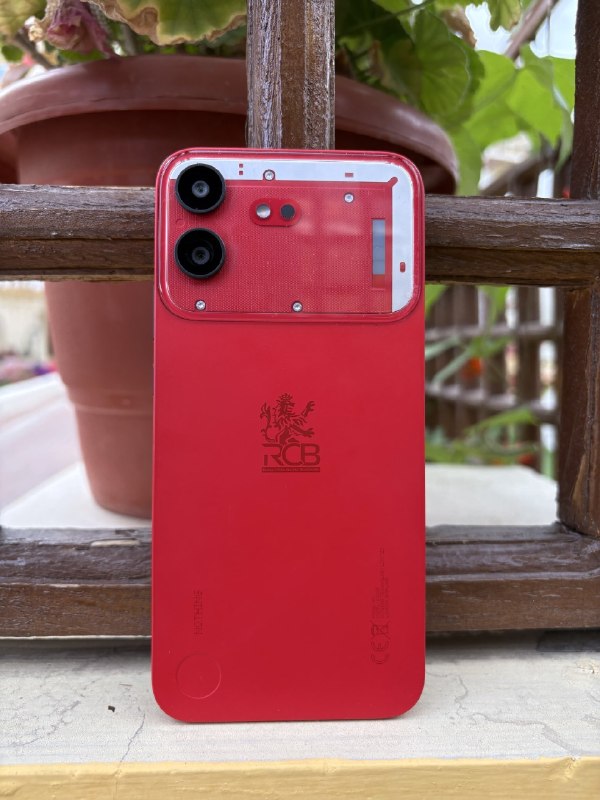
Global Launch of the Nothing 4b: A Reimagined Contender The British smartphone manufacturer, Nothing, has recently announced the global launch of its latest device, the Nothing 4b. Interestingly, this comes as a reintroduction of a previously cancelled model, now rebranded for the current market. Despite this twist in its backstory, the Nothing 4b impresses with a robust feature set that promises to attract both existing fans and potential new users. Under the Hood: Specifications That Stand Out At the heart of the Nothing 4b lies the Snapdragon 6 Gen 4 System-on-Chip (SoC), which delivers a solid performance across various tasks. The device is equipped with: RAM: LPDDR4X Storage: UFS 2.2 Main Camera: 50MP with Optical Image Stabilization (OIS) Ultrawide Camera: 8MP Front Camera: 16MP This collection of features ensures that users will have enough power and agility for both photography and multitasking, placing the Nothing 4b in a competitive spot within its market segment. Impressive Display and Audio Features The Nothing 4b features a stunning 6.7-inch AMOLED display. Key display specifications include: Resolution: 1080 x 2344 pixels Refresh Rate: 120Hz Brightness: 1200 nits outdoor Protection: Dragontail Pro Glass This bright, high-refresh-rate display ensures smooth scrolling and rich visuals, enhancing the overall user experience. Additionally, the device is designed with a dual stereo speaker setup for a more immersive audio experience during media consumption. Unique Features: Introducing the Glyph Bar Interface One of the most noteworthy innovations in the Nothing 4b is the Glyph Bar interface. This unique feature consists of a grid of 45 mini-LEDs distributed across five squares (four white and one red). The interactive aspect of the Glyph Bar allows for notifications and alerts, setting it apart from traditional smartphone designs. Battery Life and Operating System The Nothing 4b is backed by a robust battery, with specifications varying slightly by region: Battery Capacity: 5200mAh (6000mAh in India) Charging: 33W The device operates on NothingOS 4.1, built on the Android 16 platform. Users can expect three years of Android OS updates and six years of security patches, ensuring longevity and a secure user experience. Pricing and Availability The Nothing 4b is available in two distinct storage configurations: Model Storage Price (in different currencies) 8GB + 128GB €330 / £300 / ₹35,000 8GB + 256GB ₹39,000 (India only) In addition, the exclusive Nothing Phone (4b) RCB Edition has already garnered significant attention by selling out on its launch date, July 7th, demonstrating a strong demand for the device. Conclusion While the initial cancellation of the Nothing 4b might raise some eyebrows, its comprehensive feature set and innovative design elements place it as a noteworthy option in today's competitive smartphone landscape. The combination of engaging aesthetics, robust performance, and unique interface all suggest that Nothing is making a credible impact in the smartphone arena.
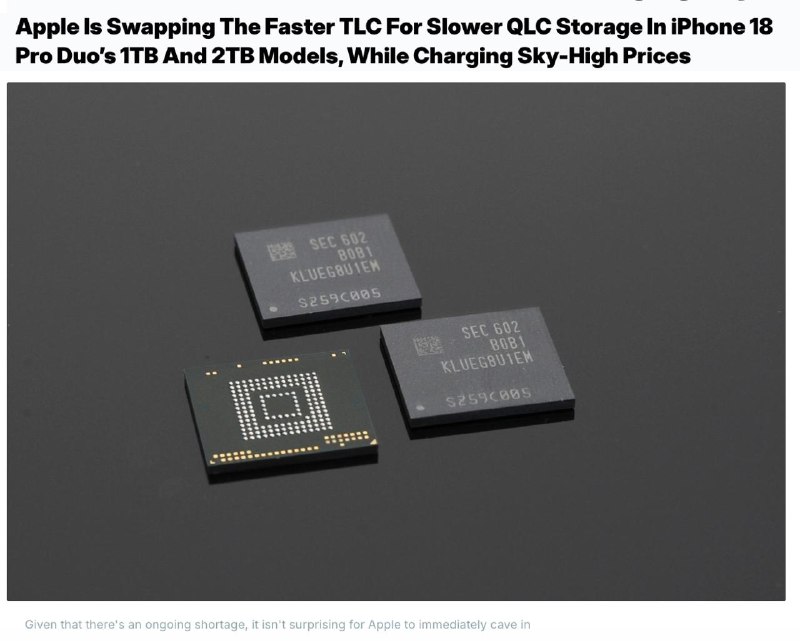
The iPhone 18 Pro: A Costly Compromise on Storage Performance In a surprising turn of events, Apple's upcoming flagship smartphone, the iPhone 18 Pro and Pro Max, is reportedly set to feature a downgrade in storage technology, raising concerns among potential buyers. This revelation, initially reported by Wccftech and attributed to leaker Reptalicant, suggests that while customers may be paying more for these devices, they might be receiving slower storage as a result. Storage Variants and Specifications As part of its storage configuration, Apple typically offers multiple capacity options for its Pro models. Here’s a detailed breakdown of what to expect for the iPhone 18 Pro and Pro Max: Model Storage Type Capacity Manufacturer Performance Notes iPhone 18 Pro (256GB) TLC (Triple-Level Cell) 256GB SK hynix, Kioxia, SanDisk Fast and durable iPhone 18 Pro (512GB) TLC (Triple-Level Cell) 512GB SK hynix, Kioxia, SanDisk Fast and durable iPhone 18 Pro (1TB) QLC (Quad-Level Cell) 1TB SK hynix Slower, less durable; Samsung TLC only as a rare option iPhone 18 Pro (2TB) QLC (Quad-Level Cell) 2TB SK hynix Originally designed for server workloads, significantly slower in random 4K performance Comparative Analysis with Previous Models To provide clarity on why this shift in storage technology is concerning, consider the performance expectations from the iPhone 17 Pro Max, which features Triple-Level Cell (TLC) storage even at its highest capacity of 2TB: Model Storage Type Capacity iPhone 17 Pro Max TLC (Triple-Level Cell) Up to 2TB The Economics Behind the Downgrade The most pressing question regarding this apparent downgrade revolves around the motivations behind it. Rising memory costs seem to be a significant factor. Reports indicate that a 256GB flash module now costs Apple around $51 per unit, a stark increase from the previous $13 for the iPhone 17 Pro's storage. This translates to an added burden on production costs, which may justify the shift in technology: 256GB flash module cost: $51 (iPhone 18 Pro) vs. $13 (iPhone 17 Pro) Expected starting prices: $1399 (iPhone 18 Pro), $1499 (iPhone 18 Pro Max) What emerges from this discussion is a troubling inference: this change appears less like a necessary adjustment specific to production costs and more like a strategic move by Apple to safeguard its profit margins—potentially at the expense of its most loyal customers. Conclusion As consumers gear up for the release of the iPhone 18 Pro and Pro Max, the implications of these storage downgrades pose critical questions about Apple’s commitment to delivering premium-value products. With higher prices and potentially slower performance in the high-capacity variants, buyers may want to consider their options carefully before making a purchase. It is becoming evident that while the luxury of owning an Apple device continues to come with a price, the balance between performance and cost-efficiency must be re-evaluated.
HyperOS 3.1: A Significant Update for Pad Tablet Users The tech landscape continues to evolve as HyperOS 3.1 has officially launched, bringing a series of new features and improvements designed specifically for users of Pad Tablets. This update demonstrates a focused commitment to enhancing user experience and is particularly noteworthy for its installation restrictions. Key Features of HyperOS 3.1 Exclusive Installation: One of the standout features of HyperOS 3.1 is that it is available for installation solely on Pad Tablets. This exclusivity indicates a targeted approach aimed at maximizing performance and user functionality within a specific device ecosystem. Enhanced User Interface: While detailed specifics on the user interface changes have yet to be completely revealed, users can anticipate a more streamlined experience that would facilitate ease of navigation. Performance Improvements: Users can expect improvements in system stability and operational speed, bolstering the overall efficiency of applications and processes. Installation Details The decision to limit the installation of HyperOS 3.1 exclusively to Pad Tablets has sparked discussions within technology communities. This move indicates the developers' intention to tailor the operating system to the unique capabilities and user demographics of Pad Tablet users. Community Engagement In line with modern tech practices, the developers have encouraged users to become part of a larger community through platforms such as @Techoffice_officiall . Engaging with the community not only provides feedback opportunities but also creates a space for users to share experiences and tips regarding the new operating system. Conclusion With the launch of HyperOS 3.1, Pad Tablet users are set to benefit from a more optimized experience tailored to their specific devices. The exclusive nature of this update hints at future developments aimed at further enhancing user engagement and satisfaction. As always, staying connected with the broader community will enable users to gain insights and share their own experiences with this latest update. Feature Description Installation Exclusive to Pad Tablets User Interface Enhanced for better navigation Performance Improved stability and speed As we advance into an era where tailored technological experiences become the norm, HyperOS 3.1 stands as a testament to the continuous innovation and adaptation in the world of operating systems.
Apple Expands Commitment to American Manufacturing with $30 Billion Investment in Broadcom In a significant move that reflects both strategic industry collaboration and a commitment to American manufacturing, Apple has inked a multiyear agreement with Broadcom, valued at over $30 billion. This partnership entails the design and production of custom silicon and wireless connectivity chips specifically designed for Apple devices. The collaborative initiative not only aims to bolster Apple's supply chain but also emphasizes the importance of manufacturing within the United States. Key Aspects of the Agreement The agreement between Apple and Broadcom is notable for several reasons: Financial Commitment: The deal surpasses $30 billion, marking one of the largest investments Apple has made in a semiconductor supplier. Production Capacity: Broadcom is set to manufacture over 15 billion wireless chips tailored for various Apple products, all within the United States. Manufacturing Facility Expansion: As part of this partnership, an investment of $1.5 billion will be dedicated to expanding and modernizing Broadcom's manufacturing facility located in Fort Collins, Colorado. Technological Advancements: This facility will focus on producing advanced radio frequency (RF) components, including state-of-the-art FBAR (Film Bulk Acoustic Resonator) filters and wireless connectivity technologies. Strategic Importance of the Investment This substantial investment is a cornerstone of Apple's American Manufacturing Program (AMP), reflecting the company's ongoing efforts to not only support local manufacturing but also significantly contribute to the U.S. economy. Apple's pledge to invest $600 billion in the U.S. economy over the next four years underscores its commitment to job creation, innovation, and sustainable practices. The partnership with Broadcom is particularly strategic as it aligns with Apple's focus on enhancing its proprietary technology stack, ensuring a robust and reliable supply chain for critical components used across its devices. The production of these chips domestically reduces dependency on overseas manufacturing, which can often be subject to geopolitical tensions and supply chain disruptions. Broader Economic Implications The implications of this partnership extend beyond Apple and Broadcom, as the investment in local manufacturing facilities is expected to generate thousands of jobs and spur economic activity in communities where these facilities are located. The modernization efforts in Fort Collins are designed to not only enhance production capacity but also create a more technologically advanced manufacturing environment capable of keeping pace with the rapid evolution of wireless technology. Conclusion Apple's strategic alliance with Broadcom signifies a pivotal shift in the tech industry's approach to manufacturing and supply chain management. By investing heavily in local production capabilities and fostering innovation within the U.S., Apple is setting a precedent for other technology firms while reinforcing its own operational integrity amidst a challenging global landscape. As the landscape of technology continues to evolve, such partnerships will be crucial for maintaining competitive advantage and ensuring economic resilience. Aspect Details Investment Value Over $30 billion Chips Production More than 15 billion wireless chips Facility Expansion Investment $1.5 billion Facility Location Fort Collins, Colorado Apple's AMP Commitment $600 billion investment in the U.S. economy over the next four years