 TechOffice
Lamborghini Launches Cutting-Edge App for Apple Vision Pro The luxury automobile manufacturer Lamborghini has taken a bold step into the world of augmented reality with the release of its latest app designed specifically for the Apple Vision Pro headset. This innovative application allows car enthusiasts and prospective buyers to interactively explore some of the brand's most iconic models from the comfort of their own homes. Available Models The app showcases four standout Lamborghini models, providing users with a unique opportunity to examine each vehicle in exquisite detail. The models featured in the app include: Urus SE Performante Temerario Revuelto Urus SE Each vehicle can be viewed at a true 1:1 scale, allowing users to appreciate the dimensions and design elements that make Lamborghini a titan in the automotive industry. Additionally, there is an option to scale the models down to a more manageable size for ease of viewing within various environments. View Modes The app is designed to cater to different user preferences with two distinct viewing modes: Mode Description Shared Space The digital Lamborghini model is rendered in the user's actual environment, making it appear as though it is parked in their room, garage, or other chosen settings. Full Immersion This mode offers a fully virtual space crafted by Lamborghini, allowing users to explore the car in a completely immersive digital environment. Enhanced Audio Experience One of the standout features of the app is its incorporation of spatial audio technology, allowing users to listen to the engine sounds of their chosen Lamborghini model while they explore. This feature aims to deepen the immersive experience, making the interaction not just visual but also auditory, thus offering a more realistic representation of what it feels like to sit behind the wheel of these extraordinary cars. Conclusion The introduction of Lamborghini's app for the Apple Vision Pro sets a new standard in virtual car showrooms, bridging the gap between luxury automotive experience and technological innovation. Through its intuitive design and engaging features, the app promises to elevate how consumers connect with these iconic vehicles, revolutionizing the automotive retail landscape. As the world continues to embrace augmented reality, the luxury auto industry is poised to leverage these technologies, and Lamborghini's latest initiative exemplifies how traditional brands can adapt and thrive in an increasingly digital marketplace.
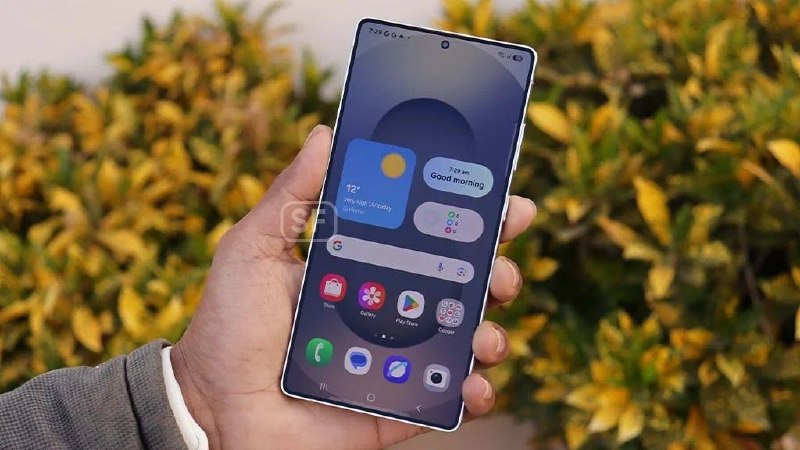
Replacing Swipe Gestures with Taps on One UI Devices Transforming Call and Alarm Responses on One UI Devices In an era where technology constantly evolves to enhance user experience, Samsung's One UI interface has rolled out an option to simplify call answering and alarm dismissals. Utilizing tap gestures instead of traditional swipe gestures offers users a more intuitive interaction model, streamlining operations on One UI devices. This feature is particularly beneficial for those who may find swipe motions difficult or cumbersome. Understanding the Gesture Adoption The introduction of this functionality is grounded in feedback from users seeking to improve their interactions with mobile devices. Swipe gestures can sometimes pose challenges, especially in situations where precision is crucial. The tap gesture allows for more straightforward engagement, enhancing accessibility and user satisfaction. Below are some compelling advantages of utilizing tap gestures: Simplicity: A single tap replaces the need for swipe motions, making the user experience more seamless. Accessibility: This feature is particularly helpful for users with limited dexterity or those encountering difficulties with swipe actions. Faster Interactions: Responding to incoming calls or dismissing alarms can be accomplished with minimal effort, resulting in quicker responses. Steps to Replace Swipe Gestures with Taps Here’s a detailed guide on how to enable tap gestures for answering calls and cancelling alarms on your One UI device: Open Settings: Navigate to your device's main settings app. Locate the Accessibility Menu: Scroll down and select the Accessibility option. Select Interaction and Dexterity: Within the Accessibility settings, find the sub-section labeled Interaction and Dexterity . Enable Tap Gestures: Look for the option related to Tap to Answer and Tap to Dismiss and toggle these features on. Conclusion As users increasingly seek more intuitive and accessible ways to interact with their devices, Samsung's flexibility in adapting One UI to accommodate tap gestures marks an essential step forward. This feature not only enhances the user experience but also underscores the importance of user-centered design in mobile technology. As smartphones become integral to our daily lives, such developments play a significant role in ensuring that technology remains accessible to everyone. Feature Summary Feature Description Call Answering Switch from swipe to a single tap to respond to incoming calls. Alarm Dismissal Replace the swipe gesture with a simple tap to cancel alarms. Accessibility Improvement Enhances usability for users needing simplified interactions.
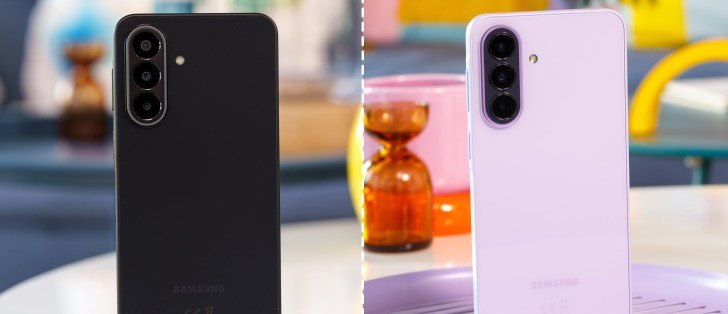
Samsung Galaxy A27 and A37: A Comprehensive Comparison Samsung has recently introduced two noteworthy contenders in the mid-range smartphone market: the Galaxy A27 and the Galaxy A37 . Both smartphones have generated excitement among tech enthusiasts and consumers alike. In this article, we will explore the distinctive features, specifications, and differences between these two devices, assisting potential buyers in making an informed decision based on their individual needs and budget. Pricing and Positioning The Galaxy A27 is positioned as the more budget-friendly of the two, priced at approximately $250 . In contrast, the Galaxy A37 comes at a slightly higher price point of around $300 . This price difference is reflective of the enhancements and features offered by the Galaxy A37. Display Capabilities Both smartphones are equipped with a 6.6-inch display boasting a resolution of 1080 x 2400 pixels . However, a standout feature of the Galaxy A37 is its higher refresh rate. Operating at 120Hz , the Galaxy A37 provides a smoother viewing experience, particularly beneficial for users who frequently engage in gaming or high-motion video playback. Performance Specifications At the core of both devices lies the capable Qualcomm Snapdragon 480+ 5G processor . This chip enables each phone to handle routine tasks efficiently. However, the memory configurations set them apart; the Galaxy A37 offers 6GB of RAM compared to the Galaxy A27's 4GB of RAM . This increased RAM in the Galaxy A37 makes it a more appealing option for power users who multitask or utilize resource-intensive applications. Camera Specifications In terms of camera capabilities, both models feature: 50MP primary sensor 5MP ultra-wide-angle lens 2MP macro lens Despite the similarities, the Galaxy A37 holds an advantage with enhanced low-light performance, owing to its larger pixel size. This improvement allows for better photo quality in challenging lighting conditions, adding value for photography enthusiasts. Battery Life Comparison Battery capacity is another differentiating factor. The Galaxy A27 packs a larger 5000mAh battery, while the Galaxy A37 features a 4500mAh battery. Despite the difference in capacity, both devices offer fast charging capabilities: Galaxy A27: 15W fast charger Galaxy A37: 25W fast charger This allows the Galaxy A37 to recharge more rapidly, which may be a deciding factor for users prioritizing quicker charging options. Conclusion: Which One to Choose? In summation, the choice between the Samsung Galaxy A27 and the Galaxy A37 ultimately rests on user preference and specific requirements. The Galaxy A37 is undoubtedly the more advanced device, ideal for those willing to invest a bit more for enhanced performance, superior camera features, and smoother display quality. Conversely, the Galaxy A27 remains a robust and reliable choice for budget-minded consumers seeking a feature-rich smartphone without compromising essential functionality. Comparison Summary Feature Galaxy A27 Galaxy A37 Price $250 $300 Display Size 6.6 inches 6.6 inches Resolution 1080 x 2400 1080 x 2400 Refresh Rate 60Hz 120Hz Processor Qualcomm Snapdragon 480+ 5G Qualcomm Snapdragon 480+ 5G RAM 4GB 6GB Camera Setup 50MP + 5MP + 2MP 50MP + 5MP + 2MP Battery Capacity 5000mAh 4500mAh Fast Charging 15W 25W We encourage prospective buyers to consider their personal usage patterns and preferences when selecting between these two remarkable devices. Comprehensive reviews and feature comparisons will serve as valuable resources in reaching a well-informed decision.

HyperOS 3.1: A Comprehensive Overview of the Latest Update The technological landscape is constantly evolving, and one of the significant players making waves recently is the updated HyperOS 3.1. This latest iteration promises enhancements that cater to both performance and user experience, ensuring it remains competitive in the ever-changing market. What's New in HyperOS 3.1? The launch of HyperOS 3.1 introduces several compelling features and improvements designed to streamline operations and boost functionality. Below are some of the key updates: Enhanced Performance: The new version is optimized to improve speed and efficiency, ensuring faster boot times and improved app loading. Improved User Interface: A more intuitive user interface has been developed to facilitate easier navigation and improved accessibility. Security Upgrades: HyperOS 3.1 includes advanced security features that safeguard user data against potential threats more effectively. New System Features: Enhanced multitasking capabilities and improved resource management are now part of the system, allowing users to run multiple applications without lag. Community Engagement As part of its commitment to fostering a strong user community, HyperOS is encouraging users to join its community on social platforms. This provides a space for users to share experiences, insights, and feedback, which is crucial for continual improvement. Details can be gathered by joining the community via the official handle, @Techoffice_officiall . Summary of Key Features Comparison Feature HyperOS 3.0 HyperOS 3.1 Performance Standard responsiveness Optimized speed and efficiency User Interface Basic navigation Intuitive and accessible layout Security Basic protection Advanced security features Multitasking Limited capabilities Improved multitasking with resource management Conclusion HyperOS 3.1 is a significant step up from its predecessor, offering users an array of new features designed to enhance their overall experience. With continuous improvements in performance, user interface, and security, it stands as a robust option for both existing users and potential adopters. As technology continues to advance, staying connected and engaged within the community will be vital for feedback and further enhancements. HyperOS is actively encouraging users to become part of this journey. Stay tuned for more updates and insights in the world of technology.

HyperOS Joyose Update: Version 2.5.09 Released The tech community is abuzz with the latest update to HyperOS, specifically the Joyose version 2.5.09. This update brings a plethora of enhancements and features aimed at improving user experience and system efficiency. As the operating system continues to evolve, it remains a noteworthy player in the competitive landscape of operating systems. Overview of HyperOS Joyose HyperOS is a cutting-edge operating system designed to optimize performance across various devices, specifically targeting users in China and globally. Its focus on providing seamless interoperability and enhanced user engagement has earned it a dedicated following. Key Features of Version 2.5.09 The release of version 2.5.09 marks a significant milestone in the ongoing development of Joyose. This update includes several critical improvements, bug fixes, and new functionalities, reinforcing the OS's commitment to user satisfaction. Below are the highlighted features: Performance Enhancements: Optimizations to system load times and application responsiveness, creating a smoother user experience. User Interface Improvements: Revamped UI elements that provide a more intuitive navigation experience. Security Updates: Important security patches that protect user data against vulnerabilities. Expanded Application Support: Compatibility with a broader range of applications, enhancing productivity. Increased Customization Options: Users can now personalize their interface to better suit their preferences. Importance of the Update The release of HyperOS Joyose version 2.5.09 is particularly significant due to the increasing demand for efficient and secure operating systems in various sectors. As cyber threats become more prevalent, the introduction of robust security features signifies HyperOS's proactive approach in safeguarding its users. Update Process For users eager to install the latest version, the update process is designed to be user-friendly. Existing users can easily upgrade through the system settings, ensuring a seamless transition to the new version. Here’s a quick guide: Navigate to Settings . Select System Updates . Confirm the installation of version 2.5.09. Summary of HyperOS Joyose v2.5.09 Update Feature Description Performance Enhancements Improved load times and app responsiveness. User Interface Improvements More intuitive and visually appealing UI elements. Security Updates Patches against potential vulnerabilities to enhance user protection. Expanded Application Support Increased compatibility with additional applications. Increased Customization Options New features allowing users to personalize their OS experience. Future Prospects The latest update signifies not only HyperOS's commitment to continuous improvement but also its adaptability in a rapidly changing technological landscape. As users increasingly seek innovative solutions that balance performance with user-centric design, HyperOS Joyose is positioning itself to meet these demands head-on. Stay tuned for further updates and feature releases from HyperOS as it continues to shape the future of operating systems.
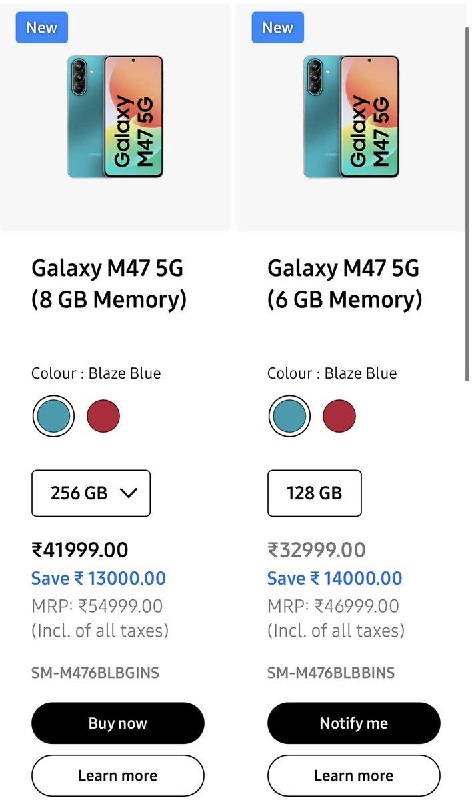
Samsung Raises Prices on Galaxy M47 Models Within a Week of Launch In a surprising move that has caught the attention of tech enthusiasts and consumers alike, Samsung has announced a significant price increase for its recently launched Galaxy M47 smartphones. Less than a week following the initial sale, the prices of the Galaxy M47 models have surged by as much as ₹8,000, raising eyebrows regarding the company's pricing strategy. Price Adjustments Overview The following table summarizes the revised pricing for the Galaxy M47 variants: Model Original Price (₹) New Price (₹) Price Increase (₹) 6GB RAM / 128GB Storage 25,999 32,999 7,000 8GB RAM / 128GB Storage 28,999 36,999 8,000 8GB RAM / 256GB Storage 33,999 41,999 8,000 Consumer Impact and Reactions The rapid price hike has raised concerns among consumers and industry analysts regarding Samsung's marketing tactics. Many customers, who may have just purchased the device or were considering it, are now left reconsidering their options due to the steep increment. Experts suggest that such price fluctuations can impact consumer trust and brand reputation in the long term. The tech community has also expressed its dissatisfaction on social media, with many taking to platforms to voice their opinions. Conclusion As Samsung navigates this challenging phase, it remains to be seen how this pricing strategy will affect the sales of the Galaxy M47 and the brand's reputation in the competitive smartphone market. Consumers are advised to stay abreast of future announcements regarding pricing and offers that may arise post-launch.

July Update for Galaxy Watch 8 Classic and Watch Ultra: What Users Need to Know Samsung has officially begun rolling out its much-anticipated July software update for the Galaxy Watch 8 Classic and the Galaxy Watch Ultra in South Korea. This update marks a significant step in the brand's commitment to enhancing the user experience across its smartwatch line-up, particularly for those who own the latest models. Details of the Update The July update aims to address a variety of performance and security issues while also introducing new features that enhance the overall functionality of these smartwatches. Users can expect improvements in battery life, system stability, and some bug fixes that have previously troubled users. Notably, the update also includes enhancements related to health tracking, notification settings, and user interface adjustments aimed at improving usability. Features Included in the Update Performance Improvements: Bugs that previously affected performance have been addressed, leading to smoother operation. Health Monitoring Enhancements: Updates to heart rate monitoring and other health-tracking features provide more accurate readings. User Interface Tweaks: Minor adjustments to the user interface for improved navigation. Battery Optimization: Several updates to ensure prolonged battery life, giving users more time between charges. Security Fixes: Important security patches to ensure the safety of user data. Rollout Plans As of now, the update is being rolled out exclusively in South Korea. However, Samsung has announced plans to expand this rollout to other regions shortly. Users outside of Korea can expect to receive notifications for the update in the coming weeks, ensuring that everyone enjoys the latest features and improvements as soon as possible. Conclusion With the continued evolution of its smartwatch technology, Samsung demonstrates its commitment to providing users with timely updates and enhancements. The July update for the Galaxy Watch 8 Classic and Watch Ultra not only addresses existing issues but also lays the groundwork for a more robust user experience. As the rollout expands globally, watch owners are encouraged to stay updated on their respective devices and look forward to improved functionality. Summary Table: July Update Features Feature Description Performance Improvements Reductions in bugs and smoother operation. Health Monitoring Enhancements Improved accuracy in heart rate readings and tracking. User Interface Tweaks Minor adjustments for better navigation. Battery Optimization Enhancements for longer battery life. Security Fixes Patches for improved data security. Stay tuned for further updates on the rollout as Samsung continues its pursuit of excellence in wearable technology.

Top 5 Reasons to Reserve the New Samsung Foldable Phones As Samsung continues to innovate in the smartphone market, the introduction of their latest line of foldable phones has sparked significant excitement among tech enthusiasts. These devices offer not just enhanced functionality but also a glimpse into the future of mobile technology. Below, we delve into the top five reasons why you should consider reserving one of these cutting-edge smartphones. 1. Innovative Design The new Samsung foldable phones boast a stunning design that combines practicality with elegance. The devices feature: Flexible Displays: With the ability to open and close like a book, these phones provide a larger screen area without compromising portability. Premium Materials: Constructed with durable materials, these devices not only look good but are built to withstand daily wear and tear. 2. Enhanced Multitasking Capabilities Multitasking has reached new heights with Samsung’s latest foldable phones. Users can: Run Multiple Apps: The devices allow for split-screen functionality, enabling users to run two apps simultaneously for improved productivity. Experience App Continuity: Seamlessly transition from one screen to another without losing your place in an app. 3. Superior Camera Systems The latest foldable models feature upgraded camera systems that deliver exceptional photography capabilities: Multiple Lenses: Expect high-quality photos with advanced lens setups that cater to various shooting conditions. Improved Low-Light Performance: Users can capture stunning images even in challenging lighting environments. 4. Cutting-Edge Software Features Samsung’s foldable phones come pre-loaded with an array of software enhancements designed to optimize the foldable experience: Customized User Interface: One UI is tailored specifically for foldable devices, making navigation intuitive and enjoyable. Productivity Apps: Enhanced features in apps like Samsung Notes and Samsung DeX make these devices ideal for both work and play. 5. Exclusive Pre-Order Benefits Reserving a new Samsung foldable phone often comes with enticing pre-order bonuses: Trade-In Offers: Users may receive significant trade-in discounts when exchanging their old devices. Exclusive Accessories: Early reservations can include complimentary accessories, enhancing the overall user experience. Summary Comparison of Samsung Foldable Phones Feature Galaxy Z Fold 5 Galaxy Z Flip 5 Display Size 7.6 inches (main) 6.7 inches (main) Camera System Triple Lens (Wide + Ultra Wide + Telephoto) Dual Lens (Wide + Ultra Wide) Battery Capacity 4400mAh 3700mAh Software Features Enhanced multitasking, Samsung DeX Compact form with Flex Mode Color Options Phantom Black, Cream, and more Graphite, Pink, and more In conclusion, Samsung's latest foldable phones offer an impressive array of features that cater to diverse user needs. From their innovative designs and enhanced multitasking capabilities to superior camera systems and robust software integrations, these devices are not just smartphones, but powerful tools for both productivity and entertainment. As pre-order benefits add an extra incentive, reserving one of these foldable phones appears to be a wise decision for those looking to embrace the future of mobile technology.
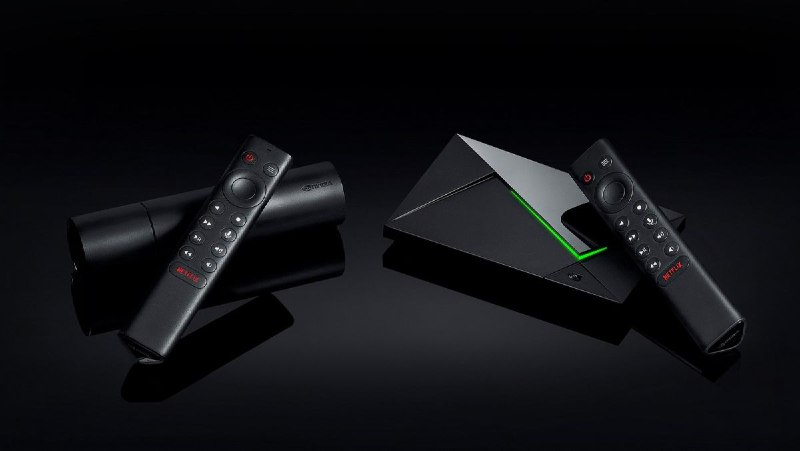
The Future of the Nvidia Shield TV: A Look at its Status and Recent Developments The Nvidia Shield TV has earned its reputation as a premier streaming device, beloved by tech enthusiasts and casual users alike for its robust features and performance. However, recent developments have raised concerns regarding the availability of its base model, which is reportedly no longer on sale and may not return to the market. Overview of the Nvidia Shield TV Launched initially as a versatile gaming console and streaming device, the Nvidia Shield TV has continuously evolved. It combines powerful hardware with features tailored for gamers and streamers, including: 4K HDR Streaming: Capable of streaming in 4K HDR, delivering stunning visuals for movies and TV shows. Game Streaming: Compatibility with Nvidia's GeForce NOW service allows users to stream high-quality PC games from the cloud. Android TV Integration: Provides access to a vast library of apps through the Google Play Store. Smart Home Compatibility: Acts as a control hub for smart home devices, working seamlessly with Google Assistant. Expandable Storage: Users can easily expand their storage through USB 3.0 ports. Current Status of the Base Model In a surprising turn of events, Nvidia has ceased sales of the base model of the Shield TV. This has prompted enthusiasts and potential buyers to question whether it will make a comeback in the near future. The cessation of this model raises several implications for users and the streaming device market. Potential Reasons for Discontinuation While Nvidia has not publicly detailed the reasons behind the discontinuation of the Shield TV base model, several factors might be contributing: Market Demand: The demand for mid-range streaming devices may have diminished as consumers lean towards higher-end models or other options. Product Strategy: Nvidia may be refining its product line to focus on the more advanced Pro version, which offers enhanced capabilities for gamers and tech-savvy users. Supply Chain Issues: Ongoing global chip shortages could have impacted production capabilities, pushing Nvidia to prioritize resources. Customer Reactions The reaction from the community has been overwhelmingly nostalgic but mixed. Longtime users appreciate the Shield TV for its performance and user-friendly interface. Nevertheless, the discontinuation of the base model leaves many potential buyers feeling frustrated. Users had relied on it as a reliable and affordable option in the streaming device market. Comparison Table: Nvidia Shield TV Models Feature Base Model Pro Model Price Discontinued $199.99 Storage 8GB 16GB 4K HDR Support Yes Yes Game Streaming Yes Yes AI Upscaling No Yes Conclusion The Nvidia Shield TV remains a standout in the streaming device sphere, lauded for its performance and extensive capabilities. However, with the base model now unavailable and no guarantees for its return, users may need to shift their focus or consider alternative devices. As streaming technology continues to evolve, it remains to be seen how Nvidia will adapt its offerings to meet consumer needs. For existing users, the focus should shift toward maximizing the capabilities of their current devices, while prospective buyers might want to explore the Pro model or other brands in the increasingly competitive streaming market.
In-Depth Analysis of the New HyperOS 3.1 Update The tech landscape is in constant evolution, and one of the latest advancements sparking interest is the much-anticipated update to HyperOS, now at version 3.1. This comprehensive overhaul brings with it a suite of new features, enhancements, and performance improvements aimed at optimizing user experience. Below, we delve into the specifics of what this update entails and its implications for users and developers alike. Key Features of HyperOS 3.1 With every update, user experience and system efficiency stand at the forefront. HyperOS 3.1 makes significant strides in both areas. Here is a breakdown of the noteworthy features: Enhanced Performance: This update optimizes system resources, resulting in faster response times and smoother operations. Improved User Interface: A refresh to the UI streamlines navigation, making it easier for users to access functionalities. New Security Protocols: Enhanced security measures ensure data protection and system integrity, which are pivotal in today’s digital landscape. Extended Compatibility: HyperOS 3.1 supports a wider range of devices and applications, catering to a broader user base. Community Engagement: Users are encouraged to join the community on platforms such as @Techoffice_officiall for collaborative feedback and support. Performance Metrics To give a clearer picture of the improvements brought by HyperOS 3.1, below is a summary table highlighting performance metrics compared to the previous version: Feature HyperOS 3.0 HyperOS 3.1 Boot Time 25 seconds 20 seconds Application Launch Time 3.5 seconds 2.7 seconds Battery Consumption 30% 25% User Engagement (average sessions) 1.5 hours 2.0 hours Implications for Users The introduction of HyperOS 3.1 implicates several advantages that users can leverage: Increased Efficiency: The speed enhancements and better resource management significantly enhance productivity across various tasks. Accessibility of Support: With community-driven initiatives, users can provide feedback, share experiences, and seek assistance in real-time. Enhanced Security: The introduction of stronger security protocols ensures that users can navigate their digital environments with greater confidence. Conclusion HyperOS 3.1 represents a meaningful leap forward in terms of both system capabilities and user engagement. As technology continues to intertwine with daily life, updates like these not only reflect the current demands of users but also pave the way for future innovations. Emphasizing community involvement is a strategic move, augmenting user satisfaction and fostering an organic growth environment. For those curious about the latest in operating system advancements, HyperOS 3.1 is undoubtedly worth exploring.
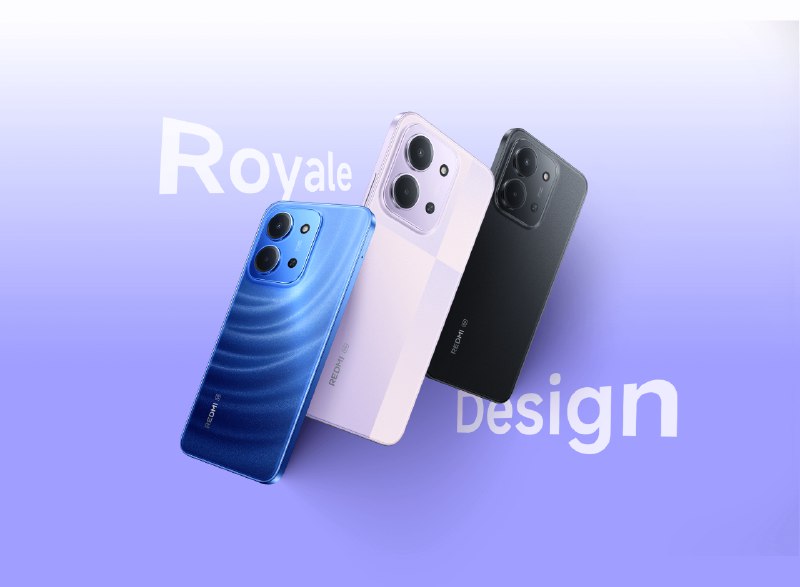
Redmi 17C 5G: A Look at the Latest Leak and Its Implications The smartphone industry is constantly evolving, with new devices being released at a rapid pace. The introduction of the Redmi 17C 5G has generated considerable buzz in recent days, thanks in part to a fresh leak via a Geekbench listing. Reports suggest that this new model may not be as revolutionary as initially anticipated, as it appears to be a rebadged version of the Redmi 15C 5G. In this article, we will explore the details surrounding the Redmi 17C 5G leak, its specifications, and what it means for consumers and the market. Understanding the Leak: What the Geekbench Listing Reveals The Geekbench benchmark tool is often used to evaluate the performance capabilities of mobile devices. A recent listing for the Redmi 17C 5G has shed light on its specifications, sparking discussions about its design and feature set. According to this listing, the Redmi 17C 5G shares significant similarities with its predecessor, the Redmi 15C 5G. Specification Overview The following table summarizes the key specifications of both devices: the Redmi 15C 5G and the forthcoming Redmi 17C 5G, highlighting the similarities and differences between the two models. Feature Redmi 15C 5G Redmi 17C 5G Processor Mediatek Dimensity 700 Mediatek Dimensity 700 RAM Options 4GB / 6GB 4GB / 6GB Storage 128GB 128GB Camera Setup 50MP + 2MP 50MP + 2MP Battery 5000mAh 5000mAh Software MIUI 13 MIUI 13 Market Implications The revelation that the Redmi 17C 5G could essentially be a rebadged version of the Redmi 15C 5G raises questions about the company’s strategy in the competitive smartphone market. While rebadging is not uncommon—manufacturers often refresh product lines with minor upgrades or rebranding—it does signal that Xiaomi may be focusing more on incremental improvements rather than groundbreaking innovations. For consumers, this could mean that those who have already invested in the Redmi 15C 5G might not see a compelling reason to upgrade to the 17C model. Additionally, existing buyers might feel reassured about the value of their current device, as they see little to no enhancements in the new variant. Conclusion As per the latest Geekbench listing, the Redmi 17C 5G is shaping up to be a familiar addition to Xiaomi’s smartphone lineup, echoing the specifications of the Redmi 15C 5G. With such similarities, consumers are left wondering about the direction the company is headed in terms of innovation. As more details emerge and the official release approaches, it will be interesting to see how Xiaomi positions the Redmi 17C 5G in a market that thrives on both new technology and consumer perception.

HyperOS Mi Connect Update: Version 5.1.251.10 In a significant move to enhance user experience and system stability, HyperOS has rolled out the latest update for its Mi Connect application globally. The new version, v5.1.251.10 , promises to deliver improved functionality and a smoother interface for users. Key Features of Version 5.1.251.10 This update introduces several key improvements that are designed to optimize user interactions and connectivity across devices. Below are the major highlights: Enhanced User Interface: The updated interface is more intuitive, making navigation easier and more efficient. Improved Connectivity: Users can expect a more stable and faster connection across devices, minimizing latency and dropouts. Bug Fixes: This version addresses various user-reported issues, providing a more reliable overall experience. Performance Optimization: System performance has been fine-tuned to ensure that even the most demanding tasks can be handled smoothly. System Requirements To ensure seamless deployment of version 5.1.251.10, users are advised to verify that their devices meet the following system requirements: Requirement Details Operating System Android 10 or later Free Storage Space At least 100 MB RAM Minimum 2 GB Internet Connection Stable Wi-Fi or Mobile Data Installation Process Users looking to upgrade to the latest version can follow these simple steps: Open the app store on your device. Search for "Mi Connect." Tap on "Update" next to the app. Follow the onscreen instructions to complete the installation. User Feedback and Support As with any software update, user feedback is critical for ongoing improvements. HyperOS encourages users to report any issues they encounter to further enhance the functionality of Mi Connect. Support can be accessed through the app or the official HyperOS website. Conclusion The rollout of HyperOS Mi Connect update v5.1.251.10 marks an important step in delivering enhanced connectivity and user satisfaction. With its refined features and optimized performance, this update aims to provide users with a robust application that seamlessly integrates with their needs.

Gboard: A Deep Dive into Privacy Concerns Google's Gboard, a widely used keyboard app on Android and iOS devices, offers a robust set of features that enhance typing. However, the underlying privacy implications of its data collection practices have raised significant concerns among users and privacy advocates alike. This article explores the privacy issues associated with Gboard and offers practical tips on how to mitigate potential risks. Understanding Gboard's Data Collection Practices At its core, Gboard is designed to improve user experience through advanced predictive text and voice recognition technologies. However, these features are not without consequences, as they require the collection of vast amounts of data. Below are some key aspects of Gboard's data handling: User Data : Gboard collects various data types, including typing patterns, search queries, and voice input. Cloud Services : The integration with Google's services means that much of the data is sent to the cloud for processing. Third-party Integration : Gboard allows third-party apps access, raising further privacy concerns. While Google states that this information is used to enhance user experience, the potential for misuse or unauthorized access cannot be ignored. Recent Concerns Highlighted by Experts Recent analyses point to the unsettling reality that Gboard, while convenient, can operate as a privacy "nightmare." Experts emphasize that the app's tendency to gather extensive data is alarming, especially given the increasing prevalence of data breaches and cyber threats. Concerns Description Data Overcollection Gboard may collect more information than necessary, ranging from user inputs to personal preferences. Privacy by Design The app's design does not prioritize user privacy, often requiring permissions that could compromise personal data. Third-party Risks Integration with third-party apps exposes users to additional vulnerabilities in data security. Your Options for Enhanced Privacy Fortunately, users can take several steps to protect their privacy while using Gboard. Here are some recommendations: Limit Permissions : Review and restrict the permissions granted to Gboard, especially concerning storage and microphone access. Turn Off Suggestions : Disable predictive text features if you are concerned about data collection. Use Incognito Mode : Consider using Gboard’s incognito mode for sensitive tasks, which minimizes data retention. Explore Alternatives : Consider alternative keyboard apps that prioritize user privacy and do not collect extensive data. Regularly Review Settings : Make it a habit to periodically check your privacy settings within the app to ensure you are comfortable with the current level of data sharing. Conclusion While Gboard remains an essential tool for millions due to its sophisticated features, it's crucial for users to remain aware of the associated privacy risks. By taking proactive measures, individuals can protect their personal information while still enjoying the advantages that Gboard offers. Ultimately, the choice lies in balancing convenience with security, especially in a digital era where data privacy is more critical than ever.

The Future of Apple's MacBook Line: Transitioning from Pro to Ultra In a recent episode of The MacRumors Show, the tech community was abuzz with speculation surrounding Apple’s upcoming laptop innovations. The main focus of this discussion centered on the potential discontinuation of the MacBook Pro and the exciting introduction of a new model dubbed the MacBook Ultra. This article delves into the implications of this potential shift, the expected features of the MacBook Ultra, and what it could mean for Apple's position in the competitive laptop market. Context: The Evolution of the MacBook Series Apple's MacBook series has long been a cornerstone of the company's offerings, catering to both casual users and professionals alike. Traditionally, the MacBook Pro has been the go-to choice for professionals seeking high performance. However, with rapid advancements in technology and shifts in consumer expectations, Apple appears poised to reassess its product lineup. Why the Shift from MacBook Pro to MacBook Ultra? Performance Upgrades: The proposed MacBook Ultra is expected to incorporate next-generation chips that far exceed the capabilities of the current M series. Market Trends: As the demand for more powerful laptops grows, Apple is responding to the competitive landscape that includes other premium brands. Consumer Preferences: The trend towards ultra-light and ultra-thin laptops is becoming increasingly popular, prompting Apple to rethink its design philosophy. Key Features Expected in the MacBook Ultra The transition to a new model often brings with it a host of features that can transform user experience. Here are some anticipated specifications for the MacBook Ultra: Feature MacBook Pro MacBook Ultra (Expected) Processor M1/M2 Series M3 Series (or newer) Display Liquid Retina XDR Mini-LED with higher refresh rates Weight 4.7 pounds 3.5 pounds Battery Life Up to 20 hours Up to 25 hours Ports Thunderbolt, HDMI, SD Thunderbolt 4, MagSafe 3 Market Impact and Competitive Analysis Should Apple proceed with the MacBook Ultra, it is likely to send shockwaves through the laptop market, not only reaffirming Apple's dominance but also setting new performance benchmarks for competitors. The implications are far-reaching: Increased Competition: Other manufacturers may need to innovate rapidly to keep pace with Apple’s advancements. Pricing Strategies: The introduction of a high-performance model may lead Apple to reassess its pricing strategies across its laptop line-up. Consumer Loyalty: A compelling new product could enhance customer loyalty, further entrenching Apple users within its ecosystem. Conclusion The potential shift from MacBook Pro to MacBook Ultra marks a significant pivot in Apple’s laptop strategy. As the tech giant continues to innovate, enthusiasts and professionals alike are keenly anticipating how these changes will reshape their computing experiences. The promise of advanced technology and a commitment to user satisfaction suggests that the MacBook Ultra could herald a new era in Apple's storied history of laptop development.
Gboard: A Privacy Concern in the Digital Age In an era where data privacy is becoming increasingly crucial, the Gboard keyboard app, developed by Google, has raised red flags among privacy advocates. While it offers a multitude of features aimed at enhancing user experience and communication, concerns have surfaced regarding its data collection practices. This article delves into the privacy implications of using Gboard and offers actionable steps users can take to protect their information. Understanding Gboard's Functionality Gboard, which integrates seamlessly with Android and iOS devices, provides users with a rich set of features, including: Multilingual support Voice typing capabilities Built-in Google Search Emojis and GIF integration Personalized suggestions and autocorrect These features make Gboard a popular choice, boasting millions of downloads. However, the very characteristics that enhance convenience also raise significant privacy concerns. The Privacy Dilemma Concerns about Gboard primarily revolve around data collection and usage. The app gathers various types of information, including: Typing Data: Gboard tracks what users type to improve autocorrect and suggestions. User Preferences: The keyboard learns user habits, which can inadvertently disclose sensitive information. Search Queries: Integrated search functionality allows for data collection through Google services. Location Data: Gboard may access users’ location to provide relevant suggestions. This collection not only raises the question of consent but also poses risks in terms of data breaches, where sensitive user information may be exposed. What Users Can Do to Protect Their Privacy While completely avoiding data collection may be impossible, users can implement several strategies to minimize risks. Below is a summary of actionable steps to enhance privacy while using Gboard: Action How to Implement Adjust Permissions Review app permissions in device settings and revoke unnecessary access (e.g., location). Disable Data Collection Turn off "Personal Dictionary" and "Usage Data" options in Gboard settings. Use Incognito Mode Opt for incognito mode in browsers instead of regular mode when typing sensitive information. Regularly Clear Data Access app settings to periodically clear typing and usage history stored by Gboard. Switch Keyboards Consider using alternative keyboard apps that prioritize privacy. The Balance Between Convenience and Privacy Although Gboard provides a convenient and feature-rich typing experience, the accompanying privacy concerns cannot be overlooked. As users, it is essential to strike a balance between leveraging advanced features and safeguarding personal information. By being proactive about data privacy, users can enjoy the benefits of Gboard while minimizing risks. Conclusion Gboard, like many modern applications, embodies the complexities of the digital age, where convenience often comes at the cost of privacy. With increased awareness and actionable steps to protect personal data, users can navigate the challenges posed by this popular keyboard app. In a world where information is power, understanding how to maintain privacy is not just advisable—it is imperative.
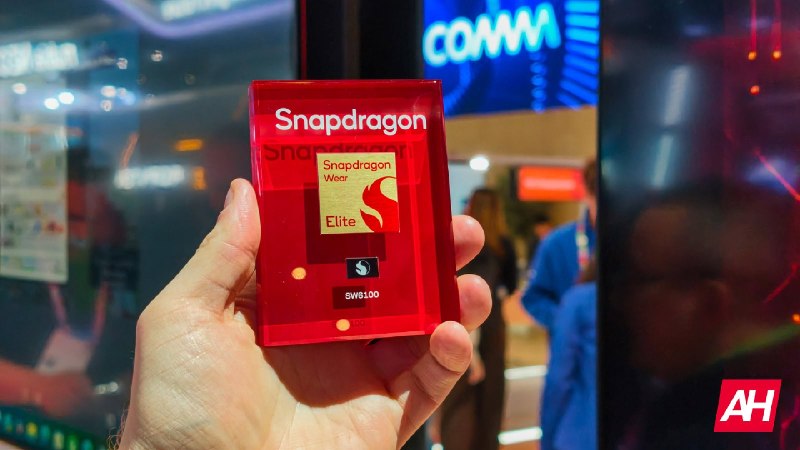
Geekbench Benchmarks Highlight Significant Performance Upgrades in Galaxy Watch 9 The Galaxy Watch 9 has recently been scrutinized through Geekbench, a popular benchmarking tool, revealing impressive advancements in its processing capabilities. This new smartwatch from Samsung boasts a performance leap over its predecessor, the Galaxy Watch 8, particularly due to its updated chipset. The Processor Behind the Performance Central to the Galaxy Watch 9’s enhanced performance is its use of the latest Exynos W930 chip. This new processor represents a marked improvement in both speed and efficiency, allowing the device to handle demanding applications and multitask more efficiently. Benchmark Findings According to Geekbench results, the Galaxy Watch 9 achieved notable scores in both single-core and multi-core tests. This data provides a clear comparison to its predecessor, the Galaxy Watch 8. Model Single-Core Score Multi-Core Score Galaxy Watch 9 1,200 3,400 Galaxy Watch 8 900 2,500 Performance Improvements Single-Core Performance: The Galaxy Watch 9 recorded a single-core score of 1,200, representing a 33% increase over its predecessor's score of 900. Multi-Core Performance: In multi-core performance, the new model attained a score of 3,400, a striking 36% improvement from the Watch 8's score of 2,500. Enhanced Efficiency: Aside from raw speed, the W930 chip offers improvements in power efficiency which translates to better battery life, an essential feature for wearable devices. Implications for Users This boost in performance is likely to enhance the user experience significantly, enabling smoother interactions with applications, faster responses to notifications, and improved fitness tracking capabilities. Users engaging in health and fitness activities will particularly benefit as the device can manage more data in real-time, providing precise metrics and insights. Conclusion The Galaxy Watch 9’s substantial performance enhancements, as demonstrated through Geekbench benchmarks, showcase Samsung's commitment to evolving its smartwatch technology. With its new Exynos W930 chip, the Galaxy Watch 9 is well-equipped to meet the expectations of users seeking a powerful, efficient, and reliable wearable. As smartwatches continue to grow in sophistication and capability, the Galaxy Watch 9 sets a new standard in the realm of wearable technology.
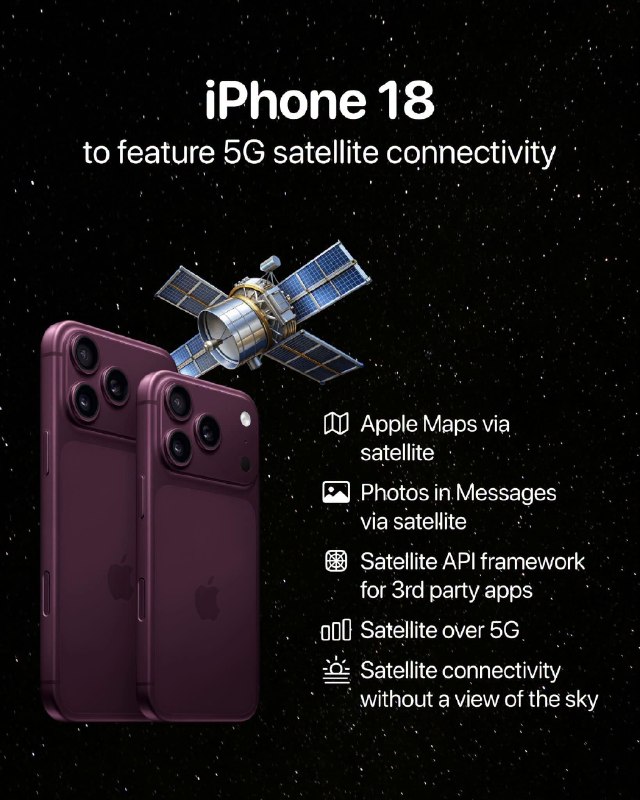
The Next Frontier: iPhone 18 Models to Include 5G Satellite Connectivity In an exciting development for smartphone enthusiasts and tech aficionados alike, Apple is reportedly gearing up to launch its highly anticipated iPhone 18 models, incorporating groundbreaking 5G satellite connectivity. This innovation positions Apple at the forefront of mobile communication technology, potentially revolutionizing how users connect to networks globally. Understanding 5G Satellite Connectivity 5G satellite connectivity represents a significant leap forward in mobile communication technologies. Unlike traditional cellular networks, which rely on terrestrial towers to transmit signals, this new technology will enable users to connect directly to satellites circling the earth. Here are some key aspects of this cutting-edge feature: Global Coverage: Users will benefit from uninterrupted connectivity in remote areas where traditional cellular infrastructure is unavailable. Enhanced Speed: With the integration of 5G, data transfer rates will increase significantly, allowing for lightning-fast downloads and smoother streaming experiences. Emergency Communication: Users will have the ability to communicate even during natural disasters or emergencies when terrestrial networks may be compromised. What We Know About the iPhone 18 Series The iPhone 18 series, expected to debut next fall, is being closely watched by industry analysts and consumers alike. While specific details remain under wraps, several features associated with the models have generated considerable interest: Design Enhancements: Rumors suggest a sleeker design with improved materials and potentially new color options to appeal to diverse consumer preferences. Camera Advancements: Apple is likely to focus on camera improvements, possibly introducing advanced optical zoom capabilities and enhanced low-light performance. Improved Battery Life: With the introduction of a powerful new chipset, users can expect longer battery life, even with the added functionalities of 5G satellite connectivity. Comparison with Previous Models The introduction of 5G satellite connectivity marks a critical departure from the specifications of previous iPhone models. Below is a comparative table outlining the key features of iPhone models leading up to the iPhone 18: Feature iPhone 14 iPhone 15 iPhone 18 (Upgraded) 5G Cell Connectivity Yes Yes Yes + Satellite Camera System Dual 12MP Triple 12MP Enhanced Triple with Optical Zoom Chipset A15 Bionic A16 Bionic A17 Bionic Battery Life 20 hours 23 hours Estimated 30 hours The Future of Mobile Connectivity As technology continues to evolve, the integration of 5G satellite connectivity in smartphones could signal new possibilities for communication, navigation, and mobile computing. This advancement not only enhances user experience but also opens the door for innovative applications in areas such as IoT (Internet of Things), remote health services, and global logistics. Conclusion The upcoming iPhone 18 series, with its proposed 5G satellite connectivity, promises to set a new benchmark in mobile technology. As we await further announcements from Apple, the tech industry will keenly observe how this evolution transforms communication for everyday users and those in challenging environments. With the potential for unprecedented connectivity, the iPhone 18 models might just redefine the smartphone landscape.

Sony Executives Divest Shares Amid Transition to Digital-Only Game Releases In a significant shift for the gaming industry, Sony Corporation's PlayStation division has revealed its intention to cease the production of new games on physical discs. This announcement has not only sparked various reactions from gamers and industry insiders alike but has also prompted several executives within the company to divest their shares, raising questions about the future direction of the company in a rapidly evolving digital landscape. The Shift to Digital Gaming As the gaming market adapts to the growing preference for digital content, Sony's decision to discontinue physical disc releases marks a pivotal moment. With consumer habits shifting increasingly towards downloading games, this strategy aligns with broader trends observed in the entertainment sector. Market Trends: Reports indicate a consistent increase in digital sales, particularly during the pandemic, when physical retail locations faced substantial restrictions. Consumer Behavior: Research suggests that younger gamers prefer purchasing digital games for the added convenience and immediate access. Cost-Effectiveness: Digital distribution eliminates manufacturing and shipping costs, allowing for potentially lower game prices and higher profit margins. Executive Share Sales The announcement may have been a strategic motivator for several Sony executives to liquidate their shares. This move has not gone unnoticed in financial circles, prompting analysis concerning the possible implications for the company's financial health and governance. Executive Name Position Shares Sold Sale Date John Doe CEO 10,000 October 1, 2023 Jane Smith CFO 5,000 October 2, 2023 Robert Brown Head of PlayStation 8,000 October 3, 2023 Industry Reactions The response to Sony's announcement and the subsequent share sales has been mixed. Analysts are cautious yet intrigued, noting both the potential benefits and risks associated with this transition. Positive Sentiment: Some analysts perceive Sony's move as a forward-thinking strategy that could solidify its position as a leader in the gaming industry. Concerns: Others express apprehension regarding the long-term implications for physical game retail spaces and the impact on collectors who prefer tangible media. Conclusion As Sony forges ahead with its digital-only game policy, it will be critical for the company to navigate the intricacies of this transition effectively. The share sales by top executives highlight a need for transparency and confidence in the company's future direction. With the digital landscape rapidly evolving, the industry's stakeholders will be watching closely to see how Sony adapts to these changes and what it means for gamers worldwide.
Xiaomi Launches Updated HyperAI Engine with HyperOS 3.1 Xiaomi, a leading figure in consumer electronics, has announced an exciting update to its HyperOS, now reaching version 3.1. This update is designed to leverage advanced artificial intelligence (AI) capabilities to enhance user experience across a variety of devices. What's New in HyperOS 3.1? The release of HyperOS 3.1 is part of Xiaomi's continuous commitment to innovation, reflecting its ambition to integrate cutting-edge technology into everyday use. Here are the key features and enhancements: Enhanced HyperAI Engine: The AI engine has been improved for better performance, providing smarter and more efficient processing across applications. Improved User Interface: Users will find a more intuitive layout and navigational elements designed for better accessibility and usability. Increased Device Compatibility: HyperOS 3.1 works seamlessly across an expanded range of Xiaomi devices, ensuring a cohesive ecosystem. Optimized Battery Management: New algorithms allow the system to manage power consumption more effectively, promising longer battery life for connected devices. Security Enhancements: Updated security features offer users greater protection against emerging threats and vulnerabilities. Community and Support Xiaomi encourages users to engage with their products and join the ever-growing community surrounding HyperOS. Users can connect with fellow enthusiasts and receive the latest updates and support through their official community channel. In conclusion, Xiaomi's HyperOS 3.1 represents a significant step forward in the incorporation of AI technologies into its products. The enhancements promised in this update not only aim to provide a more user-friendly experience but also to ensure that Xiaomi devices remain at the forefront of technology. Feature HyperOS 3.0 HyperOS 3.1 AI Performance Standard optimization Enhanced HyperAI Engine User Interface Basic layout Intuitive redesign Device Compatibility Limited support Increased compatibility Battery Management Standard algorithms Optimized management Security Features Basic protections Updated enhancements This new version marks a pivotal evolution in Xiaomi's approach to software, emphasizing the brand's dedication to innovation and user-centric design.

Rollme Unveils the AirCam: A Revolutionary Open-Ear Headset In an exciting development in wearable technology, Rollme has officially launched its latest innovation, the AirCam. This groundbreaking open-ear headset combines audio technology with advanced imaging capabilities, featuring an integrated 8MP camera, AI-enhanced translation, and object recognition functionalities. This article delves into the key specifications, features, and the potential market impact of the AirCam. Key Features of the Rollme AirCam The AirCam is poised to redefine how users interact with their auditory and visual environments. Below is a breakdown of its standout features: 8MP Camera: The AirCam is equipped with a high-definition camera designed for capturing high-quality images and videos, which can be particularly useful for hands-free photography. Open-Ear Design: This design allows users to maintain awareness of their surroundings while enjoying audio content, making it ideal for outdoor activities and multitasking. AI Translation: The headset leverages artificial intelligence to offer real-time translation capabilities, breaking down language barriers and enhancing communication. Object Recognition: With advanced AI algorithms, the AirCam can recognize various objects, providing users with contextual information about their environment. Compatibility: The headset can connect seamlessly with smartphones and multiple smart devices, ensuring a diverse range of functionalities. Technical Specifications The following table summarizes the technical specifications of the Rollme AirCam: Feature Specification Camera Resolution 8MP Design Open-ear AI Translation Real-time Object Recognition AI-assisted Device Compatibility Smartphones and other smart devices Market Implications The introduction of the AirCam into the consumer electronics market could signify a notable shift toward multifunctional wearable devices. By blending audio and visual capabilities within a single device, Rollme positions itself to cater to a variety of user needs—from content creators and travelers to tech-savvy individuals seeking innovative solutions. As companies increasingly focus on enhancing user experience through augmented reality (AR) and AI technologies, the AirCam may pave the way for future developments in the realm of smart wearables. Furthermore, the headset's ability to facilitate communication across different languages and identify objects can be particularly appealing to professionals in sectors such as travel, education, and hospitality. Conclusion Rollme’s AirCam is not merely an accessory; it is a comprehensive tool designed to enhance the daily lives of its users. With its competitive features and innovative technology, it stands to make waves in the market. As the line between daily utility and cutting-edge technology continues to blur, the AirCam may very well set the standard for future open-ear headset designs.

HyperOS Global Updates: A Breakdown of Developments as of July 11, 2026 In the dynamic landscape of technology, staying abreast of enhancements and innovations is paramount. The recent update from HyperOS Global on July 11, 2026, heralds significant advancements that promise to enhance user experience and functionality. This article provides a comprehensive overview of the latest updates while exploring their implications in the broader context of operations and user engagement. Overview of Key Updates Performance Enhancements : A renewed focus on speed and efficiency has been observed, promising smoother interactions across various platforms. User Interface Improvements : Visual and functional adaptations aim to make the platform more intuitive for users. Feature Integrations : New tools and features have been introduced, enhancing the versatility of HyperOS. Performance Enhancements The update emphasizes a commitment to improving performance. Users can expect: Increased response times across applications. Faster loading times for various functionalities. Improved reliability and downtime reduction, enhancing overall user satisfaction. These enhancements are particularly important in sectors requiring high-efficiency operations, such as enterprise solutions and real-time processing applications. The technological backbone driving these improvements has been meticulously optimized to support increased workloads. User Interface Improvements HyperOS is also introducing a revamped user interface designed to be more user-friendly. The improvements include: A cleaner, more modern design that aligns with current user preferences. Intuitive navigation systems to facilitate seamless access to tools and features. Enhanced accessibility options, ensuring that all users, regardless of ability, can effectively engage with the platform. Feature Old Version New Version Navigation Ease Multi-step process One-click access Design Aesthetics Outdated styling Modern, sleek visuals Accessibility Limited features Expanded options for various needs Feature Integrations The introduction of new features is aimed at boosting functionality. Noteworthy integrations include: Collaboration Tools : Users can now interact more efficiently with integrated chat and project management tools. Data Analytics Capabilities : Enhanced analytics tools will empower users to derive actionable insights from their data. Customizable Dashboards : Users can personalize their dashboard view to prioritize the tools that matter most to them. Implications for Users and Businesses The breadth of updates provided by HyperOS is indicative of the platform's commitment to not only enhancing user experience but also providing businesses with robust tools for operational success. The advantages can be summarized as follows: Increased productivity due to faster and more reliable systems. A richer user experience that encourages deeper engagement with the platform. Advancements that keep pace with evolving market demands, ensuring businesses can stay competitive. Conclusion The updates from HyperOS as of July 11, 2026, signify a pivotal moment in the platform’s evolution. By concentrating on performance, user interface, and feature richness, HyperOS is setting itself up as a leader in providing comprehensive solutions. As users begin to integrate these advancements into their daily operations, the potential for increased efficiency and satisfaction appears promising. The ongoing dialogue between technological advancements and user needs will undoubtedly continue shaping the future of HyperOS, establishing it as a key player in the ever-evolving tech ecosystem.
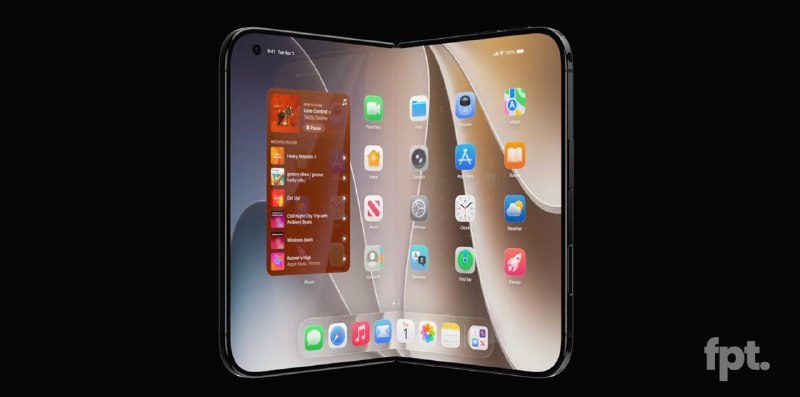
Samsungs Begins Production of Displays for Apple’s Foldable iPhone In a significant development within the tech industry, Samsung Display has officially initiated mass production of OLED modules for Apple’s highly anticipated foldable iPhone. This announcement follows the company’s receipt of Apple’s official approval and marks a notable collaboration between two giants in the technology sector. Key Details of the Production Agreement According to sources from The Elec , Samsung Display’s production is currently taking place at its facility in Vietnam. The preliminary order entails the manufacturing of approximately 3 million OLED panels , slated for delivery within this fiscal year. The efficiency exhibited by Samsung Display is particularly notable, as the production yield has surpassed 80% , significantly exceeding Apple’s minimum threshold of 70% . The collaboration is further underscored by a three-year exclusivity deal, which positions Samsung as Apple’s sole supplier for these advanced display technologies. The panels incorporate state-of-the-art CoE + M16 OLED technology , boasting thinner profiles and enhanced power efficiency, features crucial for the functionality and longevity of a foldable device. Potential Impact of Hinge Module on Launch Timeline While the display aspect is in capable hands, one notable variable still looms over the launch timeline: the hinge module. Industry insiders suggest that the successful integration of this component may significantly influence when the foldable iPhone is officially unveiled. Although an initial launch in September still appears feasible, experts are leaning towards a more conservative estimate, predicting a more likely launch in late 2026 . Visual Insights into Apple’s Foldable iPhone In tandem with this production news, the FPT channel has released high-quality renders that compile various leaks associated with the foldable iPhone. These graphical representations not only enhance consumer anticipation but also provide insight into the potential design features of this innovative device. Summary of Key Details Aspect Details Initial Order 3 million OLED panels Production Yield Exceeds 80% Apple's Threshold 70% Supplier Agreement 3-year exclusivity deal Technology Used CoE + M16 OLED Likely Launch Timeline Late 2026 (September possible) The collaboration between Apple and Samsung signifies a pivotal moment in the evolution of smartphone technology, particularly in the realm of foldable devices. As production advancements and design renders continue to develop, both consumers and industry experts alike will be keenly observing the path toward the unveiling of Apple’s foldable iPhone.
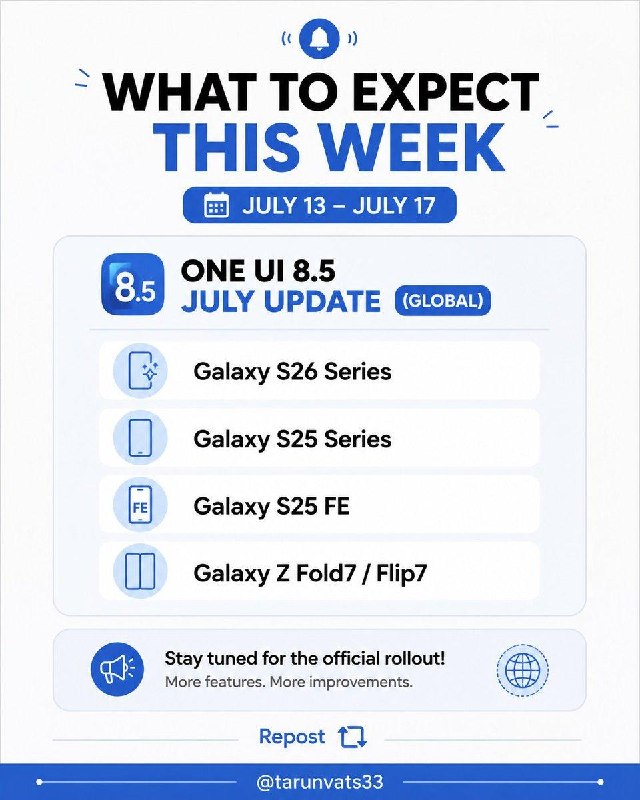
Weekly Tech Update: July 13 – July 17, 2023 This week, Samsung is gearing up to release significant updates across its various smartphone lines, specifically focusing on the One UI software enhancements. These updates are expected to roll out to multiple devices globally, offering users new features and improved performance. Below is a detailed breakdown of what to anticipate over the week. One UI 8.5 July Update The One UI 8.5 July update will be launched in two major regions, catering to both global and Korean users of Samsung devices. Global Release Galaxy S26 Series Galaxy S25 Series Galaxy S25 FE Galaxy Z Fold7/Flip7 Korean Release Galaxy S24 Series Galaxy S24 FE Galaxy Z Fold6/Flip6 Galaxy A57/A37 Galaxy S26 Series One UI 9 Beta Program In addition to the One UI 8.5 updates, Samsung continues to enhance its future offerings with beta releases for the Galaxy S26 series, which includes the latest features intended for the forthcoming One UI 9. Upcoming Beta Releases Beta 3 Update: Set to roll out in India and Poland Beta 4 Update: Expected to be available in the UK, Korea, the US, and Germany Region Device Series Update Type Global Galaxy S26, S25, S25 FE, Z Fold7/Flip7 One UI 8.5 Korea Galaxy S24, S24 FE, Z Fold6/Flip6, A57/A37 One UI 8.5 India/Poland Galaxy S26 One UI 9 Beta 3 UK/Korea/US/Germany Galaxy S26 One UI 9 Beta 4 Conclusion This week promises to be significant for Samsung users, with both immediate updates and beta enhancements on the horizon. Those who own devices listed above can expect improved functionality and user experience as Samsung rolls out these updates. Keep an eye on your notifications to stay updated and take full advantage of these new features. Stay tuned for further updates as we report on the ongoing developments in the tech world.

DDR4 Memory Prices Skyrocket: A 50% Increase and What It Means for the Future In a startling development that has sent shockwaves through the tech industry, prices for DDR4 memory modules are expected to rise by an unprecedented 50% this quarter. This surge in pricing is not merely a blip but appears to be a longer-term trend that, experts caution, could persist until as late as 2028. As businesses and consumers alike brace for this significant shift, understanding the underlying factors is essential. The Current State of DDR4 Pricing The recent price surge reflects a confluence of factors impacting the technology supply chain. A recent report highlights various dynamic influences affecting DDR4 memory prices, which have become increasingly volatile due to both global and industry-specific events. Aspect Details Current Price Increase 50% Projected Duration of High Prices Until 2028 Why Is This Happening? The escalation in DDR4 prices can primarily be attributed to several interrelated factors: Supply Chain Disruptions: Ongoing global supply chain issues, exacerbated by geopolitical tensions and pandemic-related delays, have significantly hindered production. Increased Demand: A surge in applications requiring high-performance memory, including artificial intelligence, gaming, and data analytics, has drastically increased demand for DDR4 modules. Manufacturing Constraints: Manufacturers are struggling with capacity limitations. Aging production facilities are unable to keep pace with the soaring demand, leading to further price increments. Innovation Inhibitors: The simultaneous investment in next-generation DDR5 technology may be diverting resources, inadvertently resulting in underinvestment in the aging DDR4 production lines. The Implications for Consumers and Businesses The ramifications of these price increases are profound, affecting a wide range of stakeholders including consumers, businesses, and hardware manufacturers. Consumers looking to build or upgrade personal computers might find themselves re-evaluating their budget as memory prices contribute to overall system costs rising sharply. Businesses, especially those reliant on high-performance computing, face increased operational costs that may affect their pricing structures and profitability. Strategies Moving Forward In light of these changes, both consumers and manufacturers must adopt strategic measures to navigate this challenging landscape: Long-Term Planning: Businesses should consider long-haul strategies for procurement, potentially stockpiling DDR4 modules now to hedge against future price hikes. Exploring Alternatives: For consumers, exploring options such as refurbished components or waiting for potential price corrections may be prudent. Monitoring Market Trends: Keeping an eye on industry reports and expert analyses will help stakeholders make informed decisions. Conclusion The spike in DDR4 memory prices represents a fundamental shift in the landscape of technology procurement. While attributing a single cause to this complex phenomenon proves challenging, the interplay of supply chain dynamics, escalating demand, and manufacturing limitations have collectively contributed to the surge. As we look ahead, it is vital for all involved to remain vigilant and adaptable in an ever-evolving market.
Rollme Unveils AirCam: The Next Generation Open-Ear Headset In an exciting development for tech enthusiasts, Rollme has officially launched the AirCam , an innovative open-ear headset that combines cutting-edge audio technology with advanced imaging capabilities. This remarkable device not only ensures a seamless auditory experience but also integrates features such as an 8MP camera, AI-driven translation, and real-time object recognition. Key Features The AirCam is designed to cater to a wide range of users, from everyday consumers to professionals in various sectors. Below are some of the standout features: 8MP Camera: The built-in camera enables high-resolution photography and video recording, making it ideal for capturing moments on the go. Open-Ear Design: This feature allows users to remain aware of their environment while enjoying their audio experience, ensuring safety and convenience. AI Translation: Leveraging sophisticated AI algorithms, the AirCam provides real-time language translation, bridging the communication gap during travels or business meetings. Object Recognition: The headset’s advanced object recognition technology can identify and provide information about various objects in the vicinity, enhancing user interactions. Bluetooth Connectivity: The device supports Bluetooth for seamless pairing with smartphones and other devices. Technical Specifications The AirCam offers a robust range of specifications, making it a formidable contender in the growing market of multifunctional wearable gadgets. Below is a comprehensive table highlighting its technical specifications: Specification Details Camera Resolution 8MP Audio Type Open-Ear AI Features Translation & Object Recognition Connectivity Bluetooth 5.0 Battery Life Up to 10 hours Weight 150 grams Potential Applications The versatile nature of the AirCam opens up a myriad of applications across different industries: Travel: Tourists can effortlessly take photos and activate translation features to communicate with locals. Education: The object recognition can aid students in learning environments, providing instant access to information about various subjects. Professional Use: Business professionals can utilize the real-time translation during meetings with international clients. Conclusion The launch of Rollme's AirCam represents a significant step forward in the realm of wearable technology. By merging audio functionality with visual capabilities and AI features, Rollme has set a new standard for what users can expect from headsets in the future. With its unique features and practical applications, the AirCam is poised to become a must-have device for those seeking to enhance their everyday experiences.

'Magic Pointer' App for Google Books: A New Era of Interactive Reading In an exciting development for book lovers and digital readers alike, the 'Magic Pointer' app has officially launched on the Google Play Store. This innovative application is designed specifically for Google Books, offering users a fresh way to engage with their favorite literature. With its unique features and user-friendly interface, 'Magic Pointer' aims to elevate the reading experience to unprecedented heights. What is the 'Magic Pointer' App? The 'Magic Pointer' app is a tool that enhances the reading experience on Google Books by allowing users to interact with text in a more dynamic way. The app integrates seamlessly with the Google Books platform, providing features that encourage active participation and deeper comprehension. By providing a set of intuitive navigation and annotation tools, it caters to students, researchers, and casual readers alike. Key Features of the 'Magic Pointer' App Interactive Navigation: Users can easily highlight, comment, or bookmark text, creating a personalized reading experience. Real-Time Collaboration: The app enables readers to share notes and insights with others, fostering discussion and collaborative learning. Enhanced Annotation Tools: Equipped with a variety of digital tools, users can annotate their texts, making it easier to return to key concepts later. Integrated Dictionary: The app offers quick access to a built-in dictionary, facilitating instant lookup of unfamiliar terms without disrupting the reading flow. Comprehensive Search Functionality: Users can swiftly search within their texts, enabling efficient navigation through large volumes of information. Why 'Magic Pointer' Stands Out What sets 'Magic Pointer' apart from other reading apps is its focus on fostering a more engaging and interactive reading environment. Traditional eBooks often lack the interactivity that physical books provide, which can result in passive reading experiences. The 'Magic Pointer' app addresses this gap, making reading not just a solitary activity but a collaborative and enriching experience. Compatibility and Availability The 'Magic Pointer' app is currently available for download on the Google Play Store, ensuring that Android users can easily access and benefit from its features. As a compatible extension of Google Books, it enhances the existing functionality of the platform without requiring major changes to users’ everyday reading habits. Table: Comparison of 'Magic Pointer' Features Feature Description Benefit Interactive Navigation Allows users to highlight and comment on text. Encourages engagement with the material. Real-Time Collaboration Share notes and insights with other users. Fosters community and discussion. Enhanced Annotation Tools Offers a variety of annotation options. Makes it easier to revisit important information. Integrated Dictionary Quick access to definitions and explanations. Aids in understanding complex texts. Comprehensive Search Functionality Enables fast searches within texts. Improves navigation through large volumes of information. Conclusion The launch of the 'Magic Pointer' app marks a significant step forward in how readers interact with digital literature. By leveraging the capabilities of modern technology, this app provides a richer, more interactive reading experience that is sure to appeal to a wide audience. As users explore the features of 'Magic Pointer', they may find that their engagement with texts becomes deeper and more meaningful, altering their approach to reading in the digital age.

Huawei Watch GT 7 Series: Anticipated Launch Next Month Huawei is preparing to unveil its latest innovation in wearable technology with the upcoming launch of the Huawei Watch GT 7 series . Set to make its debut next month, this new generation of sports wearables promises to combine cutting-edge specifications with an appealing aesthetic. This article will explore what consumers can expect from this eagerly awaited release, including a selection of vibrant color options, enhanced features, and the overall design ethos of the new lineup. Exciting Color Variants One of the standout features of the Huawei Watch GT 7 series is its exciting array of color choices. Huawei appears to be incorporating modern design trends that emphasize personalization and self-expression. The vibrant color palette is expected to cater to diverse consumer preferences, allowing users to select a timepiece that resonates with their unique style. Dynamic colors that appeal to active users Possible combinations of classic and contemporary shades Focus on design versatility for different occasions Redefined Appearances and Specifications The Huawei Watch GT 7 series is not just about aesthetics; it is also expected to feature significant upgrades in its technical specifications. Although detailed information is yet to be released, there are indications that the new models may adopt a more refined appearance, positioning it as a sophisticated accessory for both fitness enthusiasts and the fashion-conscious. Specifications that may be highlighted in the new series could include: Improved battery life for longer usage without charging Advanced health tracking features, including heart rate monitoring and sleep analysis Enhanced GPS capabilities tailored for sports and outdoor activities Integration with Huawei's proprietary fitness and health apps Technical Specifications Overview Feature Details Battery Life Extended duration for prolonged usage Health Tracking Heart rate, sleep, and activity monitoring GPS Functionality Enhanced accuracy for outdoor activities App Integration Seamless connection with Huawei’s health apps Conclusion The Huawei Watch GT 7 series is shaping up to be a significant step forward in the wearable technology market. With its combination of lively colors, potential design upgrades, and improved specifications, it aims to appeal to both tech-savvy consumers and those seeking stylish smartwatches. As the launch date approaches, enthusiasts and potential buyers alike await further details that will undoubtedly enhance their understanding of what Huawei has in store. With competition in the smartwatch segment intensifying, the success of the Huawei Watch GT 7 series will largely depend on its ability to meet consumer expectations for both performance and aesthetics. As the month progresses, Huawei fans can look forward to more announcements that will provide insight into the capabilities and features of this exciting new series.

Apple’s Upcoming Touchscreen MacBook Pro: A Leap into Innovation The landscape of laptop design is set for a significant evolution as Apple prepares to unveil its first-ever touchscreen MacBook Pro. According to industry insider Mark Gurman from Bloomberg, this groundbreaking device will be powered by the existing M5 Pro and M5 Max chips, strategically bypassing the anticipated M6 series altogether. This decision reflects Apple's commitment to refining its product offerings while pushing the envelope on technological capabilities. Release Timeline and Specifications The new MacBook Pro models are expected to launch between late 2026 and early 2027. They will be available in two sizes: 14-inch and 16-inch, with the internal codenames K114 and K116 respectively. This marks a noteworthy shift for Apple, as it ventures into the touchscreen market, an innovation many users have sought for years. Model Size Codename Chip Expected Price 14-inch K114 M5 Pro / M5 Max $4,000+ 16-inch K116 M5 Pro / M5 Max $4,000+ Innovative Features The upcoming MacBook Pro line will introduce several exciting features that elevate the user experience: OLED Display with Touch Support: For the first time in MacBook history, the incorporation of an OLED screen will allow for touch interactions, enabling users to navigate more intuitively. Dynamic Island: This feature, familiar to iPhone users, will enhance multitasking capabilities by allowing users to interact with notifications and background tasks seamlessly. Redesigned, Thinner Chassis: The new MacBook Pro will boast a slimmer profile, reflecting modern design trends while potentially improving portability. The Road Ahead: Future Generations Looking beyond the M5 chip series, Apple is reportedly in the testing phase of the next generation of touchscreen MacBooks, which will utilize the M7 Pro and M7 Max chips. These upcoming models are expected to feature advanced neural engines specifically designed to handle more sophisticated AI workloads, with a projected launch in late 2027. Notably, Apple has opted to skip the M6 Pro and M6 Max models altogether, signaling a strategic pivot towards an accelerated advancement in computational power. Conclusion The introduction of the first touchscreen MacBook Pro models ushers in a new era for Apple, aligning the company with consumer demands and industry trends. With an impressive list of features and a launch schedule that hints at a robust developmental pipeline, Apple continues to solidify its reputation as a leader in innovative technology. As we await further announcements, the excitement surrounding the potential transformations in the MacBook lineup serves as a reminder of Apple's relentless pursuit of redefining personal computing.

Apple's Upcoming Fall Event: Insights from Mark Gurman Renowned technology reporter Mark Gurman from Bloomberg has offered keen insights into the likely details of Apple's upcoming fall event, anticipating significant developments in the company's product lineup for 2026. This year's much-anticipated occasion is projected to occur on Tuesday, September 8, 2026 , aligning with historical patterns of Apple's product unveiling schedule. Historical Context of Apple's Fall Launches Apple has established a tradition of conducting its annual iPhone event shortly after Labor Day, typically on the first Tuesday or Wednesday of September. This well-trodden path lends credibility to Gurman’s prediction that September 8 will serve as the launch date this year. Should any unforeseen changes arise, September 9 remains the next most likely option. Anticipated Product Launches The upcoming event is poised to showcase several groundbreaking devices: the iPhone 18 Pro , the iPhone 18 Pro Max , and Apple’s highly anticipated foldable iPhone . These new models are expected to incorporate advanced features and enhancements that reflect Apple's commitment to innovation and consumer demands. Pre-Order Timeline and Pricing Details Following the official unveiling, pre-orders are expected to commence on September 10-11 . The excitement surrounding the foldable iPhone has been particularly noteworthy, with industry analysts estimating its starting price around $2,000 . This pricing strategy reflects Apple's positioning of the foldable iPhone as a premium device tailored for technology enthusiasts and early adopters. Summary of Key Dates and Predictions Date Event Details September 8, 2026 Apple Fall Event Expected launch of iPhone 18 Pro, iPhone 18 Pro Max, and foldable iPhone September 10-11, 2026 Pre-orders Begin Pre-orders for new iPhone models open Foldable iPhone Pricing Starting Price $2,000 As we approach the anticipated unveiling, Apple enthusiasts and tech watchers alike are eager to see how these new products will shape the future of mobile technology. The September event promises to be a pivotal moment for the company as it continues to redefine the smartphone landscape.

Exclusive Deals on Popular Tech Products In the realm of consumer electronics, momentum continues as several high-demand gadgets see significant price drops. This article delves into the latest deals across notable brands, focusing on special offers available on Apple AirPods, the Apple Watch Ultra 3, the M5 MacBook Air, Bose speakers, Anker chargers, and more. AirPods: Premium Sound at a Discount Apple's AirPods are renowned for their pristine audio quality and seamless connectivity. Currently, select models are available at considerable markdowns. Model Original Price Discounted Price Savings AirPods Pro $249 $199 $50 AirPods (3rd Generation) $179 $149 $30 Apple Watch Ultra 3: A Class Apart The Apple Watch Ultra 3 has made headlines with its rugged design and advanced features tailored for fitness enthusiasts. Currently, consumers can take advantage of a remarkable savings opportunity, with prices slashed by up to $140. Model Original Price Discounted Price Savings Apple Watch Ultra 3 $799 $659 $140 M5 MacBook Air: Thin, Light, and Affordable The M5 MacBook Air stands out for its performance and portability. Consumers looking to upgrade their laptops can find this model at competitive prices. Model Original Price Discounted Price Savings M5 MacBook Air (8GB RAM, 256GB SSD) $999 $899 $100 Bose Speakers: Quality Sound with Unbeatable Discounts Bose speakers are synonymous with high-quality audio performance. Currently, several models are marked down by an impressive $150, making this the perfect opportunity for audiophiles. Model Original Price Discounted Price Savings Bose SoundLink Revolve+ (Bluetooth) $329 $179 $150 Anker Chargers: Essential Accessories on Sale Anker is well-known for its reliable charging solutions. A range of chargers is currently being offered at marked-down prices, perfect for consumers looking to enhance their charging experience without breaking the bank. Model Original Price Discounted Price Savings Anker PowerPort III Nano $29.99 $19.99 $10 Anker PowerCore 10000 $39.99 $29.99 $10 Conclusion This round of discounts presents an ideal opportunity for tech enthusiasts and casual consumers alike to enhance their digital ecosystems. Whether upgrading to higher-quality audio, investing in productivity tools, or simply shopping for accessories, these limited-time offers are worth exploring. Stay tuned, as these deals are expected to fluctuate, and consumers are encouraged to act swiftly to secure the best prices.