 TechOffice
Time Capsule Project: An iPhone's Journey to 2276 In a remarkable initiative to commemorate the 250th anniversary of the United States, a significant event unfolded in Philadelphia. On this historic occasion, a massive time capsule was interred, designed to remain undisturbed until the celebration of the nation’s 500th anniversary in 2276. This extraordinary 900-pound stainless steel container encompasses a diverse collection of artifacts sourced from all 50 states, Washington D.C., and five U.S. territories. The Contents of the Time Capsule Among the wealth of artifacts included in the time capsule is the iPhone 17 Pro Max in a striking Cosmic Orange finish. This innovative device not only represents a technological milestone of its time but also carries an intriguing element: “digital artifacts” saved in its Notes app. These notes are intended to offer future generations a glimpse into the thoughts and ideas of today’s society. However, the potential for this digital treasure to be accessed 250 years from now raises critical questions regarding its viability. Challenges Ahead: The iPhone and Its Longevity Despite its significance, the inclusion of the iPhone 17 Pro Max in the time capsule introduces a series of concerns, primarily revolving around the smartphone's power and accessibility over such an extended duration. Lithium-Ion Battery Degradation: One of the fundamental challenges lies with the device's lithium-ion battery. These batteries are known to deteriorate over time, leading to virtually no possibility of the phone powering on by the time it is excavated in 2276. Dependence on Apple’s Infrastructure: Even in the unlikely event that the battery proves resilient, a larger concern arises regarding the unlocking of the device. This process is inherently tied to Apple’s servers, which face uncertainty regarding their existence two and a half centuries into the future. The Vision Behind the Time Capsule This time capsule project is not merely an artifact storage operation; it symbolizes a bridge between generations. It represents a profound commitment to documenting the cultural, technological, and artistic expressions of the current era for future discovery. However, the technological impediments associated with digital items, especially modern electronics like smartphones, illuminate the broader issue of digital preservation in an evolving world. Considering the Future As we pen this chapter in history, it’s crucial to reflect on what we may learn from such initiatives. While traditional artifacts—such as letters, photographs, and physical objects—can endure through time, digital artifacts like the iPhone present a unique set of challenges. The preservation of electronic items requires both hardware longevity and software ecosystem sustainability, each of which is fraught with uncertainties. Artifact Significance Challenges iPhone 17 Pro Max Represents current technology and culture Lithium-ion battery degradation; dependency on Apple servers Physical Artifacts Traditional connection to the past Physical deterioration over time; secure storage needed Conclusion The time capsule buried in Philadelphia serves as a poignant reminder of our responsibility to preserve our history, not only through physical means but also through the digital mediums that now permeate our lives. As we reflect on this initiative, it challenges us to innovate ways to sustain our digital heritage for the future. Whether or not the iPhone 17 Pro Max will ever be unlocked and reveal its secrets to a future society remains a tantalizing question, but the endeavor underscores the importance of foresight in an increasingly digital age.

Honor Unveils the "Sky Blue" Limited Gift Box Edition of Honor 600 Pro In an exciting move for tech enthusiasts and smartphone aficionados, Honor has unveiled its latest offering: the "Sky Blue" Limited Gift Box Edition of the Honor 600 Pro smartphone. This new variant adds to the existing palette of four stunning shades that have already garnered attention in the market. Overview of the Honor 600 Pro The Honor 600 Pro is already a standout device, known for its impressive specifications and sleek design. With its combination of aesthetics and performance, it has become a popular choice among consumers. The addition of the "Sky Blue" variant not only enhances its visual appeal but also offers additional perks that are sure to attract new buyers. Design and Aesthetic Appeal The Honor 600 Pro in "Sky Blue" features a sophisticated hue that is both eye-catching and elegant. This new edition complements the existing color options, which include: Midnight Black Emerald Green Sunset Orange Classic White Each color variant is meticulously crafted, ensuring that the device is not just a piece of technology but also a fashion accessory. Extra Perks with the Limited Gift Box Edition The "Sky Blue" edition comes packaged in a stylized gift box, making it an ideal choice for gifting purposes or a special collection item for fans of the brand. While specific details about the contents of the gift box have not been fully disclosed, consumers can expect exclusive features or accessories that enhance the overall experience of owning the Honor 600 Pro. Specifications at a Glance Feature Details Display 6.7-inch FHD+ (2400 x 1080) Processor Octa-core HiSilicon Kirin chip Camera 108 MP (main) + 8 MP (ultrawide) + 2 MP (macro) Battery 4500 mAh, fast charging support Operating System Android with custom UI Storage Options 128GB / 256GB (Expandable) Color Options Sky Blue, Midnight Black, Emerald Green, Sunset Orange, Classic White Market Expectations The introduction of the "Sky Blue" Limited Gift Box Edition is expected to create a significant buzz around the Honor 600 Pro, particularly during the upcoming holiday season. With its unique color and added perks, Honor aims to capture the interest of both existing users and potential new customers. Conclusion Honor's "Sky Blue" Limited Gift Box Edition of the Honor 600 Pro is a testament to the brand's commitment to innovation and consumer satisfaction. By combining sophisticated color options with exceptional features, the company is poised to enhance its reputation in the competitive smartphone market. As the official launch progresses, many will be watching how this new addition performs in an already saturated landscape.
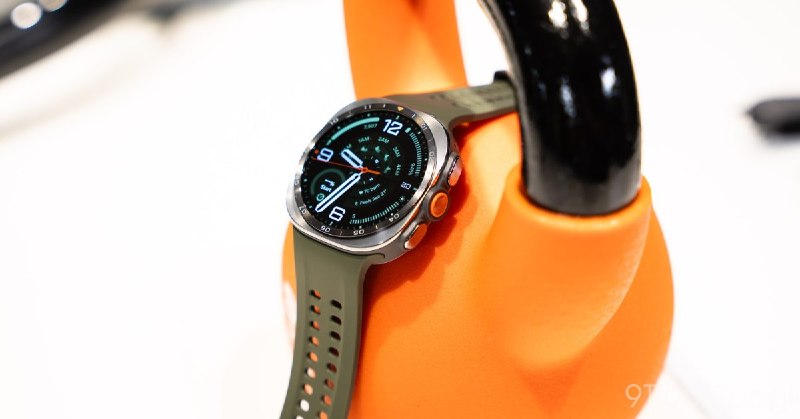
Samsung Unveils Galaxy Watch 9 and Watch Ultra 2: A Leap into Snapdragon Power In a highly anticipated announcement, Samsung has officially revealed its latest smartwatches, the Galaxy Watch 9 and Galaxy Watch Ultra 2 . With these new devices, the tech giant marks a significant transition to Qualcomm's Snapdragon technology, setting the stage for enhanced performance and user experience. This move is expected to bolster Samsung's position in the competitive wearables market, addressing demands for higher efficiency and capabilities in smart technology. Key Features and Specifications The Galaxy Watch 9 and Watch Ultra 2 come packed with a range of advanced features that cater to both fitness enthusiasts and tech-savvy users. Here’s a detailed comparison of their specifications: Feature Galaxy Watch 9 Galaxy Watch Ultra 2 Processor Qualcomm Snapdragon W5 Gen 1 Qualcomm Snapdragon W5 Gen 1 Display Size 1.4 inches 1.5 inches Battery Life Up to 40 hours Up to 60 hours Water Resistance 5 ATM 5 ATM + IP68 Health Monitoring Heart rate, SpO2, ECG Heart rate, SpO2, ECG, Advanced sleep tracking GPS Yes Yes (advanced) Material Aluminum/Glass Stainless Steel/Ceramic The Move to Snapdragon The transition to Qualcomm’s Snapdragon W5 Gen 1 processor signifies a pivotal enhancement in processing power and energy efficiency for both watch models. This shift enables users to experience faster performance, smoother multitasking, and longer battery life. The addition of comprehensive health monitoring features is set to meet growing demands for wearables that prioritize users' wellbeing. Design and Usability Samsung has placed a strong emphasis on design in the Galaxy Watch 9 and Ultra 2. Both smartwatches boast sleek designs, with the Ultra 2 featuring a more robust build catering to outdoor enthusiasts. The larger display of the Galaxy Watch Ultra 2 ensures visibility in various lighting conditions and enhances usability through intuitive navigation. Both models will continue to support a range of customizable watch faces, allowing users to personalize their devices. Health Features and Monitoring Health and fitness tracking remain at the core of Samsung's smartwatch offerings. The Galaxy Watch 9 introduces several key health monitoring features, including: Heart Rate Monitoring: Continuous heart rate tracking helps users keep a regular check on their cardiovascular health. SpO2 Monitoring: Measures blood oxygen levels for informed health insights. ECG Functionality: Cardiovascular tracking functionality that gives users peace of mind. Advanced Sleep Tracking (Ultra 2 only): Insights into sleep patterns for better overall health strategies. Conclusion The introduction of the Galaxy Watch 9 and Watch Ultra 2 marks a significant evolution in Samsung's smartwatch lineup, leveraging cutting-edge Qualcomm technology to meet user expectations. With enhanced performance, durable designs, and robust health monitoring features, these smartwatches are poised to cater to a wide range of consumers. Samsung's commitment to innovation not only strengthens its standing in the consumer electronics landscape but also sets the bar higher for future smart devices. As consumers increasingly look for wearable technology that seamlessly integrates into their lifestyles, the Galaxy Watch 9 and Watch Ultra 2 stand out as promising solutions in the competitive smartwatch arena.

Latest Tech Deals: AirTag 2, MacBook Pro Savings, iPhone 17 Pro Discounts, and More In the fast-evolving world of technology, savvy consumers are always on the lookout for the best deals. This week, a variety of enticing offers have emerged, featuring significant discounts on some of the most sought-after gadgets. From the latest AirTags to heavily discounted MacBook Pro models, here’s a comprehensive rundown of this week’s best tech deals. Featured Deals Overview Product Original Price Discounted Price Discount Amount AirTag 2 $29 $25 $4 M5 Pro MacBook Pro $2,499 $2,099 $400 iPhone 17 Pro $1,199 $979 $220 AirPods Pro 3 $249 $229 $20 Find My EDC Gear Varies Varies Up to 30% Off Product Highlights AirTag 2: The latest iteration of Apple's popular tracking device, the AirTag 2, offers enhanced accuracy and battery life. Priced at $25, it provides an affordable solution for keeping track of your belongings. M5 Pro MacBook Pro: Featuring the powerful M5 chip, this MacBook Pro model is optimized for performance. With a current discount of $400, the device is now available for $2,099, making it an attractive option for both professionals and students alike. iPhone 17 Pro: The recently launched iPhone 17 Pro is turning heads with its innovative features and design. With a savings of $220, it is now priced at $979, offering customers a chance to own the latest technology at a compelling price. AirPods Pro 3: For audiophiles seeking superior sound quality, the AirPods Pro 3 are available at a discount, now priced at $229. The cutting-edge noise cancellation and enhanced audio experience make these wireless earbuds a must-have accessory. Find My EDC Gear: For those interested in everyday carry essentials, various items featured under the Find My EDC gear category are seeing discounts of up to 30%, providing consumers with valuable options for tech-savvy accessories. Conclusion This week’s deals present a unique opportunity for tech enthusiasts to invest in high-quality devices at significantly reduced prices. Whether you are looking to upgrade your personal tech or find a thoughtful gift, these discounts on products like the AirTag 2, M5 Pro MacBook Pro, iPhone 17 Pro, and AirPods Pro 3 are worth considering. Ensure you take advantage of these limited-time offers before they expire!

Xiaomi's HyperOS 4: A New Era in Mobile Operating Systems In a significant development within the mobile technology landscape, Xiaomi has reportedly begun testing its innovative HyperOS 4 operating system on an 18-series prototype device. This information has emerged from recent leaks that highlight intriguing features of the operating system, specifically emphasizing enhancements to home-screen functionality. While Xiaomi has yet to officially confirm these findings, the buzz surrounding HyperOS 4 is growing, especially given its advanced capabilities rooted in Android 17. Features Highlighted in the Leak The preliminary testing of HyperOS 4 showcases several noteworthy elements aimed at enhancing user experience, particularly through the home-screen interface. Key features that have been revealed include: Vertical Widget Slider: This innovative design allows users to navigate widgets more intuitively, providing a seamless way to access frequently used applications or features. Deeper Icon Shadows: Enhancements in icon design, such as deeper shadows, aim to create a more visually rich and dynamic user interface, adding depth to the overall aesthetic. Technical Foundation HyperOS 4 is built on the foundations of Android 17, which itself incorporates numerous enhancements aimed at improving performance and functionality. This compatibility with Android 17 underlines Xiaomi's commitment to leveraging the latest in mobile operating system technology while also tailoring it to their unique ecosystem. Testing on the 18-Series Prototype The testing is being conducted on what is described as the top-end model of Xiaomi’s upcoming 18-series, suggesting that HyperOS 4 will be rolled out with some of the company’s most advanced hardware. The focus on a prototype device reflects Xiaomi's strategy of rigorous testing before any public release, ensuring that they deliver a polished user experience. Feature Description Vertical Widget Slider A user-friendly navigation feature for quick access to widgets. Deeper Icon Shadows Aesthetic improvement aimed at enhancing visual depth and engagement. Base OS Android 17 Test Device Top-end 18-series prototype Official Status Not yet confirmed by Xiaomi The Road Ahead While the leaks surrounding HyperOS 4 stir excitement, it is essential to approach the information with cautious optimism. Xiaomi's ongoing advancements in software development indicate a strategic focus aimed at enhancing user experience and maintaining competitiveness in an ever-evolving market. The upcoming 18-series is anticipated to showcase not only stunning hardware but also groundbreaking software capabilities. As the launch date approaches, further official announcements from Xiaomi will likely shed light on the full potential of HyperOS 4. The technology community eagerly awaits what Xiaomi has in store, and the introduction of HyperOS 4 could indeed signal a new chapter in mobile operating systems, reinforcing the company's innovative reputation. With an eager market and rapidly advancing technology, Xiaomi's next steps will be closely monitored by both enthusiasts and industry professionals alike.

Microsoft Expands Xbox Exclusives Beyond Single-Player Games In a significant shift for its gaming strategy, Microsoft has announced that Xbox exclusives will no longer be constrained to single-player titles. This move signals the company’s commitment to diversifying its gaming portfolio, catering to a broader audience, and focusing more on multiplayer experiences that are rapidly gaining traction in the industry. The New Direction for Xbox Exclusives Historically, many of Xbox’s exclusives have revolved around single-player narratives designed to captivate players through immersive storytelling and engaging gameplay. While these titles have garnered critical acclaim, Microsoft recognizes the rising demand for multiplayer experiences and community-focused gameplay. In recent statements, company executives have underscored the importance of broadening the scope of exclusives to include: Multiplayer games Live service titles Collaborative gaming experiences Implications for Gamers and Developers This strategic pivot has several implications for both gamers and developers within the Xbox ecosystem: Enhanced Multiplayer Experiences: Gamers can expect a wider variety of multiplayer titles that foster community engagement and competition. Support for Developer Creativity: Developers will have increased opportunities to innovate by integrating multiplayer elements into their game designs. Broader Audience Reach: By offering titles that appeal to both single-player and multiplayer audiences, Microsoft aims to expand its user base significantly. Upcoming Titles and Expectations While specific details regarding upcoming exclusives have not been disclosed, industry insiders suggest that Microsoft is already evaluating potential projects that align with this new direction. It is anticipated that the Xbox Game Studios will collaborate closely with external developers to create a diverse mix of games. The focus will not only be on traditional gaming but also on immersive multiplayer experiences that could incorporate elements such as: Cross-platform play Community events and competitions Dynamic in-game economies Conclusion: A Bold Move for the Future Microsoft’s commitment to expanding Xbox exclusives beyond single-player games is a bold step towards redefining its gaming identity. By embracing a more varied catalog, the company acknowledges the changing landscape of the gaming industry and positions itself to better meet the evolving needs of players worldwide. Aspect Previous Focus New Direction Game Type Single-Player Multiplayer & Live Service Games Player Engagement Solo Experiences Community Interaction Development Strategy Internal Studios Collaboration with External Developers Audience Growth Core Gamers Broader Demographic As Microsoft continues to innovate in the gaming space, players can look forward to a new era of Xbox experiences that promise not just compelling narratives, but also dynamic multiplayer adventures that will keep gamers engaged and connected.

Apple's Upcoming iPad Mini: A New Era with OLED Technology In an exciting development for tech enthusiasts and Apple fans alike, industry insider Mark Gurman has reported that Apple is gearing up to launch a new version of the iPad mini equipped with an OLED display by October. This anticipated upgrade is expected to significantly enhance the user experience, offering vibrant colors and deeper contrasts. The Shift to OLED Technology Apple's move to integrate OLED (Organic Light Emitting Diode) technology into the iPad mini is a significant change. OLED displays are known for their exceptional color accuracy, energy efficiency, and thinner profile compared to traditional LCD screens. This means that users can expect: Improved Color Accuracy: OLED displays can produce a wider color gamut, resulting in richer and more vivid visuals. Better Contrast Ratios: The ability to produce true black levels allows for enhanced depth in images. Reduced Power Consumption: OLED technology tends to be more energy-efficient, which can lead to longer battery life for the device. Potential Features and Specifications While specific details regarding the new iPad mini remain sparse, we can speculate on several features that are likely to accompany the OLED transition: Screen Size: It is expected that the display size will remain consistent with previous iPad mini iterations, around 7.9 inches. Performance Upgrades: Anticipate improvements in processor speed, likely featuring Apple's latest silicon chip. Enhanced Battery Life: With OLED's efficiency, users might benefit from extended usage time. Improved Camera Capabilities: An upgraded camera could accompany the device, keeping in line with Apple's focus on high-quality photography. The Market Context The introduction of an OLED display in the iPad mini highlights Apple’s ongoing commitment to innovation and improving user experience. This development comes as the tablet market continues to evolve, with increasing competition from other brands that offer similar high-quality, portable devices. Conclusion As the launch date approaches, anticipation grows among Apple enthusiasts and consumers who are eager for the latest iPad mini features. The incorporation of OLED technology could signify a pivotal moment for the tablet, potentially setting a new standard for the device's visual performance and overall functionality. Feature Current iPad Mini Anticipated iPad Mini (OLED) Display Technology LCD OLED Screen Size 7.9 inches 7.9 inches (Expected) Processor A15 Bionic Latest Apple Silicon (Speculated) Battery Life Up to 10 hours Possible increase due to OLED Camera Enhancements Standard Camera Upgraded Camera Features (Expected) Stay tuned for further updates as Apple prepares to unveil this much-anticipated device in the coming months.
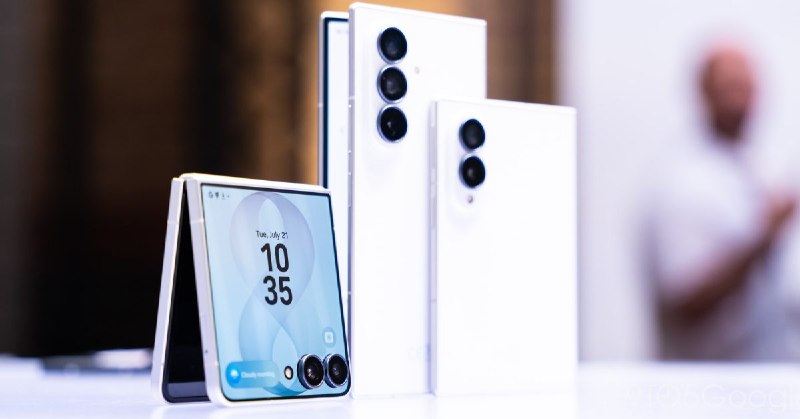
Samsung Revolutionizes Power Solutions with Silicon-Carbon Batteries in Galaxy Z Fold 8 and Flip 8 In a significant advancement for mobile technology, Samsung has announced the integration of silicon-carbon batteries into its latest flagship devices, the Galaxy Z Fold 8 series and the Flip 8. This innovative shift not only reflects Samsung's commitment to enhancing battery technology but also underscores its dedication to providing consumers with longer-lasting and more efficient devices. The Transition to Silicon-Carbon Batteries Traditionally, lithium-ion batteries have dominated the smartphone market due to their balanced performance and energy density. However, advancements in materials science have led to the exploration of alternatives that can provide greater efficiency and sustainability. Silicon-carbon batteries represent a promising evolution in this domain. Enhanced Energy Density: Silicon-carbon batteries can store significantly more energy than standard lithium-ion batteries. This enables devices to utilize less space while offering longer operational times. Faster Charging Capabilities: The new battery technology allows for quicker charge times, giving users the convenience they want without compromising on safety. Improved Longevity: With a reduced risk of degradation over time, silicon-carbon batteries are designed to maintain their performance levels for extended periods. The Galaxy Z Fold 8 and Flip 8: A New Era of Smartphones The Galaxy Z Fold 8 and Flip 8 exemplify Samsung's engineering prowess, marrying cutting-edge hardware with innovative software to create devices that are not only functional but also aesthetically pleasing. Key features of these new models include: Advanced Display Technology: Both models boast vibrant displays with high refresh rates, ensuring smooth interactions and enhanced visual experiences. Multi-tasking Abilities: The Fold 8 is engineered for split-screen functionality, making it ideal for professional use, while the Flip 8 targets consumers looking for style and compactness. Improved Cameras: Enhanced camera specifications allow for optimized photography, appealing to both amateur and professional photographers. Comparative Overview of Battery Technologies Feature Lithium-Ion Battery Silicon-Carbon Battery Energy Density Up to 250 Wh/kg Up to 500 Wh/kg Charging Speed Moderate Fast Longevity 2-3 years 4-5 years Environmental Impact Conventional More sustainable The Future of Mobile Technology The introduction of silicon-carbon batteries in the Galaxy Z Fold 8 and Flip 8 not only sets a new standard for mobile devices but also paves the way for future innovations. As manufacturers continue to explore new materials, consumers can expect to benefit from longer battery life, faster charging, and reduced environmental impact. In conclusion, Samsung's strategic shift towards silicon-carbon battery technology heralds a new phase in mobile device capabilities. As this technology matures, it will likely influence future device designs and operating efficiencies across the smartphone landscape.

Upcoming Snapdragon 4 Gen 6 Unveiled: A Comprehensive Overview The mobile chipset landscape continuously evolves, and the anticipated Snapdragon 4 Gen 6 is set to play a pivotal role. As detailed leaks emerge, key specifications and features of this advanced platform promise to position it as a formidable choice for mid-range devices. This article delves into the latest information surrounding the Snapdragon 4 Gen 6, providing insights into its architecture, performance capabilities, and anticipated rollout. Core Architecture: Key Specifications The Snapdragon 4 Gen 6, designated by the model number SM4875, boasts an 8-core Kryo processor . This architecture is engineered for improved performance efficiency, allowing for optimized resource management and enhanced multitasking capabilities. Feature Specification Processor 8-core Kryo L3 Cache 1MB Shared Cache Graphics Performance: Adreno 6 GPU For graphics processing, the Snapdragon 4 Gen 6 is equipped with the Adreno 6 GPU . This new generation GPU is expected to provide enhanced graphics capabilities, especially relevant for gaming and content consumption on mobile devices. With improvements in rendering and efficiency, users can expect smoother visuals and better performance in graphically demanding applications. Memory and Connectivity Advancements Memory Support: The chipset supports LPDDR5 memory, which promises increased bandwidth and reduced power consumption, ideal for demanding applications. Connectivity Options: Users will benefit from Wi-Fi options including Wi-Fi 5 and Wi-Fi 6 , enhancing wireless connectivity and data transfer speeds. Operating System Compatibility With the Snapdragon 4 Gen 6 set to launch in mid-2025, it is tailored for devices running Android 14 and newer versions. This compatibility ensures users can leverage the latest features and improvements offered by the Android ecosystem. Security Features The Snapdragon 4 Gen 6 is designed with robust security features, ensuring user data and device integrity are prioritized. Key security technologies integrated into the chipset include: Secure ECC: Error-Correcting Code memory for enhanced data integrity. Widevine L1: Support for high-definition DRM content. Trust Engine: A comprehensive security module to safeguard transactions and sensitive operations. Projected Launch Timeline Industry insiders estimate that devices leveraging the Snapdragon 4 Gen 6 will begin to emerge in the market by mid-2025. As the demand for affordable yet high-performance smartphones continues to rise, the introduction of this chipset is highly anticipated. Conclusion The Snapdragon 4 Gen 6 encapsulates the forefront of mobile processing technology aimed at the mid-range segment. With its advanced architecture, enhanced graphics capabilities, improved memory integration, strong security measures, and robust connectivity options, the SM4875 is poised to redefine user expectations for mid-tier smartphones. As we approach its launch, enthusiasts and consumers alike will be keenly watching the developments in this exciting space.

Xiaomi MIX Fold 5: A Closer Look at the Latest Leaks Featuring HyperOS 4 The tech community is abuzz with excitement following the recent emergence of live photographs showcasing the highly anticipated Xiaomi MIX Fold 5. These images prominently feature the device operating on the state-of-the-art HyperOS 4, hinting at impressive advancements and features poised to elevate the user experience significantly. Aesthetic and Design The live photos reveal that Xiaomi continues to maintain its commitment to aesthetic excellence, showcasing a sleek and modern design that's characteristic of the MIX series. The refined exterior is designed not only for visual appeal but also for practicality and ergonomic comfort. Key Specifications While the detailed specifications of the MIX Fold 5 are yet to be officially confirmed, the leaked images suggest a range of compelling features. Below is a summary of anticipated specifications based on the photographic evidence and industry insights. Feature Anticipated Specification Display Foldable AMOLED, likely around 7.6 inches Processor Qualcomm Snapdragon 8 Gen 2 RAM 12GB / 16GB options Storage 256GB / 512GB / 1TB Camera Triple rear cameras (50MP primary) + 20MP front camera Battery 4,500 mAh with fast charging Operating System HyperOS 4 HyperOS 4: An Innovative Operating System The star of the show seems to be HyperOS 4, Xiaomi's latest operating system, which promises to enhance performance, usability, and app ecosystem integration. This new OS aims to streamline operations across the wide range of features that the MIX Fold 5 will offer. Enhanced Performance: HyperOS 4 is designed to optimize resource allocation, enabling smoother multitasking and faster app launches. Improved User Interface: With a focus on user experience, the interface is expected to provide quick access to essential tools and apps. Compatibility: The new OS may improve compatibility with third-party applications, making it easier for users to tailor their device according to personal preferences. Market Position and Expectations Xiaomi has established itself as a formidable competitor in the smartphone market, particularly in the foldable segment, and the MIX Fold 5 is poised to enhance that position. With the increasing demand for multifunctional devices, the MIX Fold 5 could attract consumers looking for cutting-edge technology wrapped in a user-friendly package. As we await the official launch and comprehensive specifications from Xiaomi, the buzz surrounding the MIX Fold 5 continues to grow. Tech enthusiasts and industry analysts will be closely watching how this device, coupled with HyperOS 4, performs against its competitors. Conclusion The Xiaomi MIX Fold 5, with its cutting-edge design and the revolutionary HyperOS 4, is shaping up to be a significant advancement in the realm of foldable smartphones. As we draw closer to its release, the anticipation surrounding this device continues to build, promising a new chapter in mobile technology that merges aesthetic beauty with robust functionality.

Samsung Galaxy Z Flip8: Unveiling the Next Chapter of Foldable Technology In a significant advancement for the foldable smartphone market, Samsung has officially launched the Galaxy Z Flip8 , a device that builds upon its predecessor with a series of compelling enhancements. The new smartphone not only showcases cutting-edge technology but also highlights Samsung's continued commitment to innovation in the mobile industry. Upgraded Chipset At the heart of the Samsung Galaxy Z Flip8 lies an upgraded chipset that promises to enhance the device's performance across the board. The new chipset is designed to deliver faster processing speeds, improved energy efficiency, and enhanced graphics capabilities, setting a new benchmark for foldable devices. Feature Galaxy Z Flip7 Galaxy Z Flip8 Chipset Snapdragon 8 Gen 1 Snapdragon 8 Gen 2 Graphics Adreno 730 Adreno 740 Battery Capacity 3700 mAh 3900 mAh RAM Options 8 GB 12 GB Storage Options 256/512 GB 512 GB/1 TB Design and Display Enhancements The Galaxy Z Flip8 maintains the iconic clamshell design that has become synonymous with the series, yet it introduces subtle adjustments aimed at both aesthetics and functionality. The device features a more robust hinge mechanism, enhancing durability without sacrificing the fluidity of opening and closing. In terms of display, the Z Flip8 utilizes a high-resolution AMOLED panel, which offers vibrant colors and deep contrasts, ensuring an immersive viewing experience. The cover screen has also seen improvements, allowing for enhanced interactivity without opening the device. Camera Capabilities Photography enthusiasts will appreciate the advancements made in the camera department. The Galaxy Z Flip8 is equipped with improved sensors and AI-driven features designed to enhance image quality and enable greater creativity. The dual rear camera setup promises stunning photos even in challenging lighting conditions, while the front-facing camera remains optimized for high-quality selfies and video calls. Camera Feature Galaxy Z Flip7 Galaxy Z Flip8 Main Camera 12 MP + 12 MP 50 MP + 12 MP Front Camera 10 MP 12 MP Video Recording 4K at 30fps 4K at 60fps Software and Connectivity The Galaxy Z Flip8 ships with the latest version of Samsung's One UI, based on Android, further fine-tuning user experience and interactivity. The software enhancements aim to make multitasking smoother, allowing users to open multiple windows simultaneously and easily switch between apps. In terms of connectivity, the Z Flip8 supports the latest 5G technologies, ensuring lightning-fast download and streaming speeds. Compatibility with Wi-Fi 6E allows for improved network performance in crowded environments. Conclusion The Samsung Galaxy Z Flip8 emerges as a strong contender in the foldable smartphone segment, offering a rich combination of performance, design, and innovative features. With its upgraded chipset, enhanced camera capabilities, and refined software experience, the Z Flip8 not only represents an evolution of the Galaxy Z Flip series but also sets a new standard for foldable devices overall. As Samsung continues to lead the way in foldable technology, the Galaxy Z Flip8 stands as a testament to its innovative spirit and commitment to pushing boundaries.

Exploring the Anticipated Features of Apple's First Foldable iPhone As the technology landscape continues to evolve, the spotlight is increasingly shining on foldable smartphones. Apple, known for its innovative approach and high-quality devices, is rumored to be making its entrance into this exciting segment with its first foldable iPhone. Anticipated by tech enthusiasts and consumers alike, this device promises to usher in a new era of functionality and design. Below, we delve into the most compelling features that are expected to define Apple's foldable iPhone. Innovative Design and Build Quality Apple’s commitment to premium materials and cutting-edge design is expected to carry through to its foldable iPhone. The potential use of advanced materials such as glass and aluminum, combined with a sleek, modern aesthetic, will distinguish it from competitors. Form Factor: The device is expected to feature a clamshell design, similar to popular models from other manufacturers, allowing for a compact form factor when not in use. Durability: Apple may employ Gorilla Glass or ceramic shielding to enhance screen durability, addressing concerns related to the fragility of foldable displays. Display Innovations The display is one of the most critical features of any foldable device and Apple is poised to introduce groundbreaking technology. Flexible OLED Technology: The foldable iPhone may come with a flexible OLED display, ensuring vibrant colors and deep blacks, further enhancing the user experience. Seamless Multitasking: With the expansive view available on a foldable screen, users can expect enhanced multitasking capabilities, making it easier to run multiple applications simultaneously. Camera Enhancements In keeping with Apple's reputation for exceptional camera technology, the foldable iPhone is likely to feature advanced camera systems. Triple-Camera Setup: Expect a triple-camera setup with improved lens technology for superior photography and videography, harnessing the extensive screen area for innovative camera angles. AI Capabilities: Utilizing AI-driven enhancements, the camera may offer improved computational photography features, from Night Mode to Smart HDR. Performance and Battery Life With every new iPhone, Apple aims to surpass performance benchmarks. The foldable iPhone is expected to be no different. A15 or A16 Chip: The integration of either the A15 or the latest A16 chip is anticipated, ensuring fast processing speeds and high efficiency, especially when multitasking with split-screen applications. Battery Optimization: Advanced battery management systems will be crucial for sustaining performance without compromising battery life, particularly in a foldable design. Software Enhancements and User Experience Apple’s software ecosystem is a significant part of what makes its devices highly coveted. The foldable iPhone will likely benefit from specialized software optimizations. iOS Adaptations: iOS will likely be adapted specifically for foldable devices, providing a tailored experience that optimizes both screen usage and functionality. App Compatibility: Expect a wide range of applications to be optimized for the foldable experience, from gaming to productivity, making full use of the unique display. Enhanced Connectivity As 5G technology continues to proliferate, the forthcoming foldable iPhone is assured to incorporate the most advanced connectivity options. 5G Support: The device will support 5G connectivity, allowing for incredibly fast download and streaming capabilities. Wi-Fi 6E: Enhanced wireless technology, such as Wi-Fi 6E, will improve data transfer rates and overall connectivity reliability. Summary of Anticipated Features Feature Description Design and Build Quality Sleek clamshell design with premium materials for durability. Display Innovations Flexible OLED technology for vibrant display and enhanced multitasking. Camera Enhancements Triple-camera setup featuring advanced computational photography. Performance and Battery Life Powered by A15 or A16 chip with advanced battery optimization techniques. Software Enhancements iOS tailored for foldable devices with app compatibility improvements. Connectivity 5G and Wi-Fi 6E support for exceptional wireless performance. Conclusion As Apple gears up to enter the foldable smartphone market, its first foldable iPhone is poised to be a game-changer. With innovative design, cutting-edge technology, and a focus on user experience, this device is likely to resonate with both loyal Apple users and those looking for a premium foldable option. While official release details remain under wraps, anticipation is building, and the tech community eagerly awaits what Apple has in store.

Significant Update: HyperOS 3.1 Introduces Rust and Flutter Integration The latest iteration of HyperOS, version 3.1, has been launched, marking an important milestone in its development. As technology continues to evolve rapidly, this update brings several enhancements designed to improve user experience and performance. Key Highlights of HyperOS 3.1 The most noteworthy feature of HyperOS 3.1 is the integration of Rust and Flutter , enabling developers to build high-performance applications with a more robust framework. This innovative combination sets a new standard for operating systems, focusing on efficiency and reliability. Feature Description Rust Integration Improved performance and memory safety in applications built for HyperOS 3.1. Flutter Support Allows for the creation of cross-platform applications with a smooth and modern user interface. Operating System Compatibility Features and enhancements tailored exclusively for version OS3.1. The Impact of Rust and Flutter Rust, known for its prowess in system-level programming, enhances security and performance by eliminating common programming errors, such as null pointer dereferences and buffer overflows. Meanwhile, Flutter's ability to facilitate smooth cross-platform development significantly reduces the time and resources needed to create high-quality applications. Performance Enhancements: Applications developed using Rust are often faster and more efficient. UI Consistency: With Flutter, developers can achieve a consistent and appealing user interface across multiple platforms. Security: Rust offers built-in protections against many types of security vulnerabilities. Community Engagement To enhance collaboration and knowledge sharing, HyperOS encourages users and developers to join its community. Engaging with peers can provide insights, support, and updates about the latest developments: 🤝 Join our community on @Techoffice_officiall Conclusion The release of HyperOS 3.1 represents a significant step forward in the operating system's capabilities. By harnessing the strengths of Rust and Flutter, this update not only improves performance and security but also streamlines the development process for applications. As technology continues to develop, HyperOS remains committed to providing innovative solutions and fostering a vibrant community of users and developers.

Samsung Teases AR Display Smart Glasses at Unpacked Event During its latest Unpacked event, Samsung subtly hinted at the potential launch of augmented reality (AR) display smart glasses. As the tech landscape continues to evolve, this move could signify Samsung's ambition to integrate AR technology into its product lineup, aligning with a growing trend in the industry. This article delves into the details surrounding this announcement and what it could mean for both consumers and the tech community at large. The Significance of AR in Today's Technology Landscape Augmented reality has garnered significant attention over the past few years, emerging as a transformative technology capable of enhancing user experiences across various sectors. From gaming and entertainment to education and enterprise applications, AR has proven its potential to change how we interact with digital content. Major players in the tech industry, including Apple, Facebook (Meta), and Microsoft, have already invested heavily in AR technologies and experiences. Samsung's Position in the AR Market While Samsung has made strides in various technological domains, its approach to augmented reality has been relatively conservative compared to its competitors. The company has primarily focused on enhancing its flagship devices, such as smartphones and wearables. However, with the recent whispers of AR glasses being in the works, it seems that Samsung is prepared to take significant steps into this evolving market. What Was Revealed at the Event? During the Unpacked event, key executives and technicians crafted their presentations to include hints and intriguing visuals that subtly referenced AR capabilities. Although specific details regarding the glasses themselves were sparse, the visuals provided a glimpse into Samsung's vision for an interconnected AR experience. Integration with existing Samsung ecosystems, such as Galaxy smartphones and smartwatches. Potential applications aimed at enhancing both productivity and leisure activities. Possibility for developers to create AR applications compatible with Samsung's AR devices. Potential Features of Samsung’s AR Glasses While Samsung has not explicitly outlined the features of the anticipated AR glasses, several industry expectations could shape their development: Display Technology: High-resolution displays capable of providing immersive visual experiences. Interactive Controls: Gesture and voice controls to make the user experience more intuitive. Integration with 5G: Leveraging 5G technology for seamless connectivity and real-time data processing. Battery Life and Comfort: Lightweight materials and extended battery life to ensure user comfort during prolonged use. Comparative Landscape: Samsung vs. Competitors Company Product/Project Focus Area Status Apple Apple Glasses Integration with iOS ecosystem In development Meta Ray-Ban Stories / Meta Quest Social AR experiences Available Microsoft HoloLens Enterprise applications Available Google Google Glass Enterprise Edition Specialized industrial use Available Samsung AR Display Glasses Consumer and productivity applications Teased Conclusion Samsung's subtle hints at AR display smart glasses during the Unpacked event have created a wave of curiosity and excitement within the tech community. As the company gears up to compete with established AR players, consumers eagerly await formal announcements detailing features and availability. With increasing interest in AR technology, Samsung's entry into this space could not only diversify its product offerings but also redefine the user experience in the realm of augmented reality.

Samsung Begins Production of OLED Displays for Apple's First Foldable iPhone In a significant development within the technology sector, Samsung Display has officially commenced mass production of OLED modules intended for Apple’s inaugural foldable iPhone. This milestone follows Apple’s formal approval of the displays and is being executed at Samsung's facility in Vietnam. The news has stirred excitement and anticipation among tech enthusiasts who are keen to see the trajectory of this innovative device. Key Highlights of the Partnership According to reports from The Elec, this partnership between the two tech giants reveals several noteworthy details: Initial Order: Apple has placed an initial order for 3 million OLED panels to be delivered within this year. Production Yield: Samsung has reported that its production yield has exceeded 80%, well above Apple’s stipulated threshold of 70%. Exclusive Supply Agreement: Samsung has secured a three-year exclusive supply deal with Apple for these OLED panels. Advanced Technology: The panels are utilizing CoE and M16 OLED technology, which promise to be thinner and more power-efficient than previous iterations. Potential Challenges Ahead While the production of OLED displays is underway, industry watchers note that the completion of the hinge module remains a critical element in the development timeline of the foldable iPhone. Sources have indicated that challenges with the hinge may pose risks to the anticipated launch timeframe. Detail Information Initial Order Quantity 3 million panels Production Yield Over 80% Apple's Threshold 70% Supply Agreement Duration 3 years Technology Used CoE + M16 OLED Looking Ahead Despite the potential for delays due to the hinge module, there is still hope among analysts for a September launch, although many consider late 2026 to be a more realistic estimate. The enthusiasm for Apple's entry into the foldable smartphone market highlights the increasing competition among technology leaders to innovate and capture consumer interest. As the project progresses, consumers and industry analysts alike will be keeping a close eye on further developments. Conclusion The partnership between Samsung and Apple signifies a major leap in smartphone technology, particularly in the foldable domain. As Samsung takes the lead in production, all eyes will be on the unfolding story of Apple's innovative venture. With a promising start backed by advanced technology, the future of the foldable iPhone appears both exciting and challenging.
Samsung Unveils Galaxy Watch 9 and Watch Ultra 2: A Leap Forward with Snapdragon In a highly anticipated announcement, Samsung has officially launched the Galaxy Watch 9 and Watch Ultra 2, marking a significant technological shift as the company transitions to the Snapdragon platform. This strategic move underscores Samsung's commitment to enhancing performance and user experience across its smartwatch lineup. Key Features of Galaxy Watch 9 and Watch Ultra 2 The Galaxy Watch 9 and Watch Ultra 2 come packed with a range of features designed to cater to both tech enthusiasts and everyday users. Below is a detailed overview of their innovative specifications: Feature Galaxy Watch 9 Watch Ultra 2 Processor Snapdragon W5+ Snapdragon W5+ Display 1.4" Super AMOLED 1.5" Super AMOLED Battery Life 40 hours 60 hours Water Resistance 5 ATM 10 ATM Health Monitoring Heart Rate, SpO2, ECG Heart Rate, SpO2, ECG, Blood Pressure OS Wear OS 3 Wear OS 3 Enhanced Performance with Snapdragon One of the most exciting aspects of the new Galaxy Watch series is the integration of the Snapdragon W5+ processor. This chipset promises to deliver enhanced performance, significantly reducing power consumption while increasing processing speed. Users can expect smoother navigation and quicker app launches, which is crucial for apps that rely on real-time data. Design and Usability Both models retain Samsung's signature sleek design but offer enhancements in display size and resolution. The Galaxy Watch 9 features a 1.4-inch Super AMOLED display, while the larger Watch Ultra 2 sports a 1.5-inch version, making it more user-friendly for interaction and visibility. The build quality remains top-notch, providing robust durability with the Galaxy Watch 9 rated at 5 ATM for water resistance, while the Watch Ultra 2 takes this a step further with a 10 ATM rating, making it ideal for water sports enthusiasts. Health Monitoring Features Health tracking continues to be a major focus for Samsung. Both smartwatches feature advanced sensors to monitor heart rate, blood oxygen levels (SpO2), and an electrocardiogram (ECG). The Watch Ultra 2 even adds blood pressure monitoring, catering to users who seek comprehensive health insights directly from their wrist. Battery and Software Battery life sees significant improvements, with the Galaxy Watch 9 offering up to 40 hours on a single charge and the Watch Ultra 2 extending this to 60 hours. This enhancement is particularly appealing for users who prefer to use their watch continuously without frequent recharging. Both devices run on the latest Wear OS 3, ensuring a familiar yet powerful interface that supports a wide range of third-party applications, including fitness tracking and productivity tools. Conclusion The launch of the Galaxy Watch 9 and Watch Ultra 2 represents a pivotal moment for Samsung as it embraces Snapdragon technology. With enhanced performance, improved health options, and long-lasting battery life, these devices are equipped to meet the demands of modern users. Whether for fitness tracking or daily communication, Samsung's latest smartwatches are positioned to compete vigorously in the crowded wearable market. As consumers increasingly seek devices that combine functionality with style, the Galaxy Watch series stands out as a top-tier choice in the smartwatch landscape.

Samsung Unveils the Galaxy Watch Ultra 2: A Bright Leap in Smartwatch Display Technology Samsung has recently announced the launch of its latest flagship smartwatch, the Galaxy Watch Ultra 2, which is poised to set new standards in the wearable technology market. One of its most notable features is its breathtaking display, touted as the brightest ever on a Samsung smartwatch, offering unparalleled visibility and user experience. Outstanding Display Technology The Galaxy Watch Ultra 2 showcases an innovative AMOLED display technology, which significantly enhances brightness levels. This new display promises to deliver improved readability even in bright sunlight, ensuring that users can access their notifications and health metrics effortlessly in any environment. Display Type: AMOLED Brightness: Up to 2,000 nits Screen Size: 1.5 inch Resolution: 450 x 450 pixels Feature Galaxy Watch Ultra 2 Display Technology AMOLED Maximum Brightness 2,000 nits Screen Size 1.5 inch Resolution 450 x 450 pixels User-Centric Features Beyond its impressive display capabilities, the Galaxy Watch Ultra 2 is designed with the user in mind. It includes a variety of health and fitness tracking tools, such as advanced heart rate monitoring, sleep tracking, and stress management capabilities. This smartwatch serves not just as a timepiece, but as a comprehensive health companion. Heart Rate Monitoring Blood Oxygen Level Measurement Sleep Tracking GPS Tracking Activity Tracking for Various Sports Durability and Design The Galaxy Watch Ultra 2 is also built to withstand the rigors of daily life and outdoor adventures alike. It features enhanced durability, with a rugged yet stylish design that suits both casual and professional environments. This makes it an ideal choice for those seeking a functional yet fashionable smartwatch. Water Resistance: IP68 Rating Material: Stainless Steel Body Weight: 50 grams Conclusion The Galaxy Watch Ultra 2 is not merely a smartwatch; it is a testament to Samsung's commitment to innovation and excellence in wearable technology. With its bright display, user-centric health features, and robust design, it sets a new benchmark for smartwatches in the market. As the demand for advanced wearable technology continues to rise, the Galaxy Watch Ultra 2 is primed to capture the attention of tech enthusiasts and everyday users alike.

Huawei's Mate XT 2 Set to Embrace Advanced Tau Scaling Law-Based Kirin Chip In the ever-evolving landscape of smartphone technology, Huawei has continuously positioned itself at the forefront of innovation. The anticipation for the Mate 90 series has been palpable, particularly regarding its expected integration of a ground-breaking Tau Scaling Law-based Kirin chip. However, recent developments suggest that this advanced SoC (System on Chip) architecture will also make its debut in another upcoming device: the Mate XT 2, Huawei's second-generation tri-fold smartphone. The Significance of the Tau Scaling Law The Tau Scaling Law is a cutting-edge principle used in the architecture of semiconductor chips. This scientific approach holds the potential to enhance performance and efficiency significantly. By optimizing how transistor density and power consumption are managed, Huawei aims to provide a substantial improvement in processing capabilities. The embrace of this technology not only marks a significant upgrade for the Mate XT 2 but also positions Huawei as a strong contender in the high-performance smartphone market. Major Upgrades Expected for Mate XT 2 With the latest insights into the technology being incorporated into the Mate XT 2, it is clear that Huawei is keen on staying ahead of the competition. The use of the Tau Scaling Law-based Kirin chip is expected to deliver remarkable benefits across several key areas: Performance: Enhanced processing speed will allow for smoother multitasking and an overall richer user experience. Energy Efficiency: Improved power management would translate to longer battery life, a crucial factor for users. Thermal Management: Better heat dissipation will ensure that the device maintains optimal performance during demanding tasks. Expectations from the Mate 90 Series While the spotlight is now also on the Mate XT 2, the Mate 90 series remains highly anticipated. Industry experts predict that both devices will help Huawei reclaim some market share and build brand loyalty among users. The Mate 90 series is expected to debut innovative features alongside the Tau Scaling Law-based Kirin chip, including: Camera Advancements: Introduction of AI-driven photography features for enhanced image quality. Display Technology: Adoption of high-refresh-rate displays for an improved visual experience. 5G Connectivity: Enhanced connectivity features to ensure faster and more reliable internet access. Summary of Upcoming Key Devices Device Key Features Kirin Chip Type Mate 90 Series AI photography, high-refresh-rate display, advanced connectivity Tau Scaling Law-based Mate XT 2 Tri-fold design, enhanced performance, longer battery life Tau Scaling Law-based Conclusion The integration of a Tau Scaling Law-based Kirin chip into both the Mate 90 series and the Mate XT 2 illustrates Huawei's strategy to leverage groundbreaking technology to enhance user experience and performance metrics. As the technology landscape becomes increasingly competitive, these developments elevate Huawei's position as a leader in smartphone innovation. Enthusiasts and users alike eagerly await the full unveiling of these devices, which promise to redefine modern smartphone capabilities.

Galaxy AI Expansion: A Milestone Reached In a groundbreaking announcement, it has been revealed that Samsung's Galaxy AI will soon be integrated into a staggering 800 million devices by the end of this year. This move marks a significant leap in the adoption of artificial intelligence within consumer technology, as the company aims to enhance user experiences across its vast ecosystem of devices. The Reach of Galaxy AI Samsung's ambition to embed its Galaxy AI across 800 million devices underscores its commitment to improving the usability and functionality of their products. By expanding its AI capabilities, Samsung aims to streamline tasks, improve device performance, and offer personalized experiences tailored to user preferences. Intelligent predictions based on user behavior Enhanced camera functionalities with real-time enhancements Improved energy efficiency through smart resource management Key Features of Galaxy AI Galaxy AI offers a range of features that leverage machine learning and user data to provide smarter interactions and automation: Smart Suggestions: The system uses patterns from user behavior to make intelligent suggestions and automate repetitive tasks. Enhanced Security: Leveraging AI-driven security measures to predict potential threats and safeguard user data. Advanced Photography: Features like scene optimization and real-time enhancements to deliver professional-grade images. Device Compatibility and Future Prospects Samsung has ensured that Galaxy AI will be compatible with a diverse range of devices. This broad approach includes smartphones, tablets, and wearables, making it accessible to a significant portion of its user base. The expansion not only reinforces Samsung’s market position but also highlights the potential for AI to revolutionize everyday technology interactions. Device Category Estimated Number of Devices Smartphones 550 million Tablets 150 million Wearables 100 million Total 800 million Conclusion As Samsung continues to roll out Galaxy AI, the technological landscape of smartphones and other devices is poised for transformation. The expected availability on 800 million devices not only showcases Samsung's leadership in the tech space but also sets a benchmark for future advancements in artificial intelligence integration across consumer electronics. With functionalities deeply rooted in machine learning and user-centric design, Galaxy AI promises to redefine how users interact with their devices, making everyday tasks simpler and more efficient.
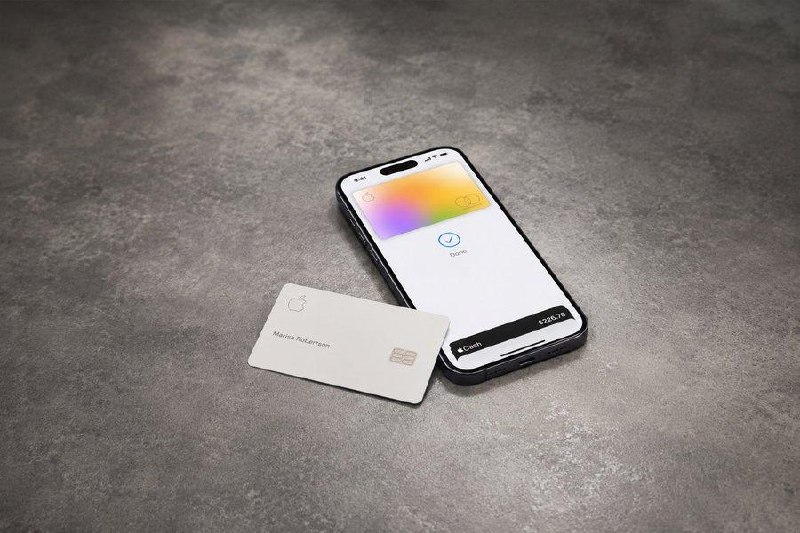
Samsung Enters Payment Arena with Launch of Galaxy Card In a strategic move to enhance its ecosystem and compete with Apple, Samsung has officially launched the Galaxy Card, a premium credit card designed to offer enticing rewards to its users. The Galaxy Card aims to bring a unique value proposition, particularly for consumers who are loyal to the Samsung brand and its related services. Unpacking the Rewards The Galaxy Card introduces a tiered rewards system that significantly outshines competition in certain areas. Below is a comparison of the rewards structure between the Galaxy Card and the Apple Card: Rewards Category Galaxy Card Apple Card Samsung Purchases 5% Cash Back 3% Cash Back Samsung Wallet Payments 3% Cash Back 2% Cash Back Streaming Services 2% Cash Back N/A All Other Purchases 1% Cash Back 1% Cash Back Card Material Metal Card Titanium Card Features and Benefits The introduction of the Galaxy Card is not merely a bid to capture a share of the market dominated by established players like Apple; it also reflects Samsung's ambition to integrate more financial services into its broader ecosystem. The focus on cash rewards emphasizes not just brand loyalty but also incentivizes users to shift their spending towards Samsung products and services. 5% Cash Back on Samsung Purchases: This top tier is particularly appealing for customers who frequently buy Samsung electronics or accessories. 3% Cash Back on Samsung Wallet Payments: Encouraging users to adopt digital payments through Samsung’s ecosystem enhances convenience and increases user engagement. 2% Cash Back on Streaming Services: This new category offers customers an additional way to earn rewards, setting the Galaxy Card apart in a market that often overlooks entertainment expenses. 1% on Other Purchases: While this is standard, it ensures that everyday spending still earns some rewards. Premium Card Material: The metal card design offers an appealing tactile experience, reinforcing the premium nature of the product. The Competitive Landscape The launch of the Galaxy Card is poised to disrupt the credit card market by specifically targeting tech-savvy consumers who appreciate the seamless integration of finance into their tech ecosystems. With Apple already popularizing its credit card, Samsung's entry into this domain suggests a growing trend where technology companies are expanding their influence beyond traditional hardware and software services into financial products. As both companies strive to create additional value for their respective users, the credit card landscape may see further innovations aimed at enhancing customer loyalty and user benefits. The long-term outcome will depend on how consumers perceive these rewards in their day-to-day spending habits. Conclusion The Galaxy Card is more than just a credit card; it is part of Samsung's broader strategy to create an integrated technological experience for its users. With compelling rewards, particularly for Samsung-branded spending, the card is likely to attract existing Samsung customers while also appealing to new users. As competition in the financial services space continues to intensify, consumers could benefit from the innovations that emerge from this rivalry.

The Dawn of Robotics Sports: T800 Robot Competes in Groundbreaking MMA Match In a significant milestone for both robotic technology and sports, the world witnessed its first-ever Mixed Martial Arts (MMA) fight between robots, featuring the formidable T800 model. Priced at $50,000, this state-of-the-art android showcased its advanced engineering by decisively overcoming a rival in a dramatic display of strength and precision combat techniques. Event Overview This unprecedented event marks a pivotal moment for the intersection of robotics and competitive sports, raising both excitement and concerns about the future of technology in entertainment. The T800 faced off against another high-caliber android, and the match concluded with a stunning victory that involved a decapitation—a feat that left spectators in shock. Fight Breakdown Parameter T800 Opponent Model T800 Generic Combat Bot Cost $50,000 Approx. $40,000 Special Features Advanced combat algorithms, Sensors, High torque Standard combat programming Outcome Victory by decapitation N/A Technological Marvel: The T800 The T800, renowned for its cutting-edge capabilities, combines advanced algorithms with high-torque motors designed for combat. Its programming includes sophisticated move prediction and real-time reflex adjustment modalities that enable it to adapt to its opponent's strategy during fights. Manufactured for both entertainment and research purposes, its construction involves robust materials, enhancing its durability. The objective behind these robotic fights extends beyond entertainment; it serves to push the boundaries of artificial intelligence (AI) and robotics, paving the way for applications in various sectors, including military, healthcare, and logistics. Future Implications This landmark event raises profound questions about the ethical implications and future applications of robots in competitive sports. The potential for robot combat leagues may contribute to technological innovation, providing a platform for advancements in AI, machine learning, and robotics. However, ethical discussions regarding the portrayal of violence, the future of human involvement in sports, and the implications these competitions could have on societal norms are essential. As these technologies evolve, they may incite broader debates on the role of artificial beings in entertainment and everyday life. Conclusion The inaugural robot MMA fight exemplifies the rapid advancements in robotics and AI, illustrating the potential for combining high-stakes entertainment with cutting-edge technology. As the realm of competitive robotics expands, it prompts both excitement and caution. The T800's victory cements a moment in technological history, heralding the dawn of a new era where robots could become not just participants but stars in their own right.

Xiaomi, Redmi, and Poco Devices Embrace HyperOS Theme In a significant development for users of Xiaomi, Redmi, and Poco smartphones, the introduction of the innovative HyperOS theme is set to enhance user experience dramatically. This new theme caters specifically to devices within this increasingly popular ecosystem, bringing a fresh aesthetic and functional improvements that promise to elevate everyday interactions. What is HyperOS? HyperOS is a modern user interface designed to improve the functionality and visual appeal of Xiaomi’s device offerings. Built on the principles of speed, flexibility, and user-centric design, HyperOS aims to offer a seamless experience across various applications and features. This advancement aligns with Xiaomi's commitment to providing users with customizable, user-friendly options. Key Features of the HyperOS Theme The HyperOS theme emerges with several exciting features that redefine user engagement. Here are some of the highlights: Enhanced Visuals: A redesigned aesthetic that incorporates modern design trends, offering more vibrant color palettes and intuitive icons. Customization Options: An array of themes and wallpapers, allowing users to personalize their devices according to their preferences. Improved Navigation: Simplified menus and gesture controls enhance the fluidity of navigation, making it easier for users to manage their devices. Performance Optimization: The HyperOS theme is built to ensure that all applications run smoothly, minimizing any lag and maximizing device performance. Device Compatibility The HyperOS theme is compatible with a wide range of Xiaomi, Redmi, and Poco devices. This inclusivity ensures that a large portion of the existing user base can enjoy the benefits of the new theme, making it accessible to both old and new models. How to Install the HyperOS Theme For users eager to enjoy the HyperOS theme, the installation process is straightforward: Access the theme store on your device. Search for "HyperOS" in the Themes section. Follow the prompts to download and apply the theme. Community Engagement and Support Xiaomi recognizes the importance of community feedback, and thus, users are encouraged to join the HyperOS Theme Channel for discussions, updates, and support. This channel serves as a hub for sharing experiences and insights related to the HyperOS theme. Feature Description Visual Design Modern and vibrant design elements. Customization Multiple themes and wallpapers available. Navigation Improved gesture controls for ease of use. Performance Optimized for smooth application functionality. Conclusion The launch of the HyperOS theme represents a noteworthy milestone for users of Xiaomi, Redmi, and Poco devices. By focusing on a customizable and performance-enhanced experience, Xiaomi continues to strengthen its position in the competitive smartphone market. Users are encouraged to explore this innovative theme and partake in the community discussions that follow, ensuring they maximize their interaction with this exciting new offering.

Overview of MIUI System Updater Content Update - July 20, 2026 On July 20, 2026, the MIUI System Updater, an essential tool for Xiaomi device users, released new content that focuses on system improvements and feature enhancements. This update reflects the continued commitment of Xiaomi to refine its user experience through regular updates. Key Highlights of the Update The July 2026 MIUI update introduces a range of enhancements aimed at improving system performance, user interface, and overall device functionality. Here are some of the significant updates: Performance Optimizations: Improved system stability and responsiveness. User Interface Enhancements: More intuitive navigation and updated visual aesthetics. Security Improvements: Enhanced security protocols to protect user data. New Features: Introduction of innovative features aimed at facilitating user convenience. Detailed Insights into the Changes Feature Description Impact Performance Optimizations Enhancements to memory management and processing speed. Faster app launch times and smoother multitasking. User Interface Enhancements Refined design elements and improved layout. More engaging and user-friendly experience. Security Improvements Updated security protocols and privacy features. Increased protection against unauthorized access and data breaches. New Feature Set Incorporation of tools designed for easier and more streamlined navigation. Enhanced overall usability and satisfaction. User Reception and Feedback Initial user feedback has been favorable, with many noting the improvements in performance and usability. Community forums indicate that users appreciate the responsiveness of the MIUI interface post-update. Furthermore, the emphasis on security has resonated positively within the user community, as security remains a critical concern in the digital age. Looking Ahead As Xiaomi continues to develop MIUI, future updates are anticipated to focus on integrating even more advanced features and keeping pace with evolving technology trends. The sustained investment in software updates not only enhances user satisfaction but also positions Xiaomi as a competitive player in the global smartphone market. In conclusion, the July 2026 MIUI System Updater content enhances various aspects of device functionality, emphasizes a commitment to security, and responds to user feedback effectively. Xiaomi's strategic focus on continuous improvement suggests a bright future for its software ecosystem.

Introducing the OPPO K15: A New Contender in the Smartphone Arena The smartphone market continues to evolve rapidly, with manufacturers constantly pushing the envelope on design, performance, and technology. OPPO, a brand known for its innovative approach and cutting-edge features, has taken another significant step forward with the launch of the OPPO K15 . Available in two compelling colors, Swift White and Swift Gray , the OPPO K15 aims to captivate consumers seeking both style and functionality. Design and Aesthetic Appeal The OPPO K15 exhibits a sleek and modern design that aligns well with current trends. The device is available in two attractive color variants: Swift White 🤍 - A clean, minimalist look, perfect for users who favor a classic aesthetic. Swift Gray 🩶 - A sophisticated alternative that embodies elegance and modernity. Both color choices have been meticulously crafted to appeal to a wide range of users, ensuring that the OPPO K15 stands out from its competitors in both design and visual impact. Specifications Overview Feature Details Display 6.5-inch FHD+ LCD Processor MediaTek Dimensity 900 RAM 8GB Storage 128GB (expandable via microSD) Camera (Rear) 50MP + 8MP + 2MP triple camera setup Camera (Front) 16MP Battery 4500mAh with 65W fast charging Operating System ColorOS based on Android 12 Performance and Usability Equipped with the MediaTek Dimensity 900 processor, the OPPO K15 offers a robust performance that caters to both everyday tasks and more demanding applications. With 8GB of RAM, multitasking becomes seamless, allowing users to switch between apps without lag. The internal storage of 128GB, expandable via microSD, ensures that users never run out of space for their files and applications. The device features a triple camera setup on the back, including a 50MP primary sensor that excels in various lighting conditions. Coupled with an 8MP ultra-wide lens and a 2MP depth sensor, photography enthusiasts can explore their creativity with great ease. The 16MP front camera serves as a perfect companion for selfies and video calls, bringing clarity to every moment. Battery Life and Charging Capabilities One of the standout features of the OPPO K15 is its impressive battery capacity. With a 4500mAh battery, users can expect all-day usage without needing to recharge frequently. However, what makes this even more appealing is the inclusion of 65W fast charging technology, which can significantly reduce downtime. Conclusion The OPPO K15 is positioned as a formidable player in the mid-range smartphone segment, appealing to consumers who prioritize both aesthetics and performance. With its stunning design in Swift White and Swift Gray, powerful hardware, and remarkable camera system, the OPPO K15 is set to capture hearts and minds. As the smartphone landscape continues to grow, it will be exciting to see how this device competes with others in its class. Stay tuned for further updates and reviews as we delve deeper into the features and performance of the OPPO K15!

HyperOS Global Updates – July 2026 Transformative Updates from HyperOS: A Glimpse into the Future On July 21, 2026, HyperOS revealed a series of significant updates aimed at enhancing the user experience and widening the system's capabilities. This release demonstrates the company’s commitment to innovation and user-centric development in the tech landscape. Key Highlights of the HyperOS Update Advanced User Interface: A complete overhaul of the GUI, making navigation more intuitive and aesthetically pleasing. Integrated AI Features: Enhanced AI functionalities that allow for smarter task management and predictive analytics. Seamless Multitasking: Introduction of a more robust multitasking feature enabling users to handle multiple applications with improved efficiency. Security Enhancements: Augmented security measures to protect user data and privacy, crucial in today's digital environment. Expanded Compatibility: Broader compatibility with third-party applications, allowing users to customize their operating system more freely. Detailed Overview of the Updates Feature Description Potential Impact Advanced User Interface Revamped layout with improved accessibility options. Enhanced user engagement and satisfaction. Integrated AI Features Smart task management and predictive insights to streamline workflows. Increased productivity and efficiency for users across various sectors. Seamless Multitasking New structures facilitating easier switching and usage of multiple applications. Reduction in task-switching time leading to better time management. Security Enhancements Latest encryption techniques and security protocols. Boosted user trust and safety in handling sensitive information. Expanded Compatibility Improved API support for third-party applications. Encouragement of a vibrant ecosystem with diverse applications. The Future of HyperOS The updates released by HyperOS mark a pivotal shift towards a more integrated, secure, and user-friendly environment. As technology evolves, so does the necessity for operating systems to adapt and facilitate the needs of their users. HyperOS's commitment to such enhancements signifies a robust roadmap ahead. Industry experts predict that these advancements will not only attract new users but also retain existing ones through improved satisfaction and functionality. With increasing reliance on digital platforms, the relevance of concise, effective operating systems like HyperOS cannot be overstated. Conclusion In summary, the July 2026 updates from HyperOS showcase a strategic focus on elevating the user experience through innovative features and enhanced security. As the tech world continues to evolve, staying ahead of user needs remains paramount, and HyperOS appears poised to lead the way.

iOS 27: Introducing a Game-Changing Feature for iPhone Users With the release of iOS 27, Apple has once again raised the bar for smartphone functionality and user convenience. Among the numerous enhancements and functionalities packed into this latest update, one standout feature is set to transform daily iPhone usage. This article delves into the new feature, exploring its functionality and the potential impact it can have on how users interact with their devices. Overview of New Feature The most anticipated feature introduced in iOS 27 is the QuickSwitch functionality. This innovative addition allows users to seamlessly toggle between multiple applications with just a swipe, eliminating the need to return to the home screen or use the app switcher. As multitasking becomes increasingly vital in today’s fast-paced environment, QuickSwitch aims to enhance user efficiency significantly. How QuickSwitch Works QuickSwitch utilizes a gesture-based interface that recognizes swipe commands to facilitate smooth transitions between applications. Here’s how it operates: Gesture Activation: Users can initiate QuickSwitch by swiping left or right on the edge of the screen when an application is open. Recent Apps Display: QuickSwitch brings up a carousel of recently used applications, allowing users to preview each app briefly. Quick Selection: By simply releasing the swipe, users can directly jump into their desired app without additional steps. Benefits of QuickSwitch The implementation of QuickSwitch in iOS 27 provides several notable advantages: Increased Efficiency: By reducing the time spent navigating between apps, users can complete their tasks more swiftly. Simplified Multitasking: The ability to quickly switch apps reduces cognitive load, making it easier for users to juggle multiple tasks without feeling overwhelmed. Intuitive Design: The gesture-based interface aligns with Apple's commitment to user-friendly design, making advanced functions accessible to all users, regardless of tech-savviness. User Experience and Anticipated Reception Industry analysts and tech enthusiasts alike speculate that QuickSwitch will be a game-changer for everyday iPhone users. Early feedback from beta testers indicates a overwhelmingly positive response, citing improved productivity and ease of use. Apple’s focus on enhancing user experience is evident, and QuickSwitch appears to align perfectly with this ethos. Comparative Analysis with Previous iOS Versions To better understand the significance of QuickSwitch, here is a comparative analysis of similar multitasking features in previous iOS versions: iOS Version Multitasking Feature Functionality iOS 14 App Library & Widgets Organized app management; quicker access to frequently used applications. iOS 15 Focus Modes Customizable notifications based on user activities; intentional multitasking. iOS 26 Split View Simultaneously open two applications for side-by-side multitasking. iOS 27 QuickSwitch Fluid gesture-based app switching for rapid app navigation. Conclusion iOS 27's introduction of the QuickSwitch feature marks a significant advancement in user interface design, specifically tailored for the fast-paced lifestyle of modern smartphone users. The ability to switch between apps smoothly and efficiently can markedly boost productivity and enhance the overall user experience. As Apple continues to evolve its software offerings, the company demonstrates an unwavering commitment to innovating convenience and usability. iPhone users can undoubtedly look forward to integrating this powerful new feature into their daily routines, promising to make life just a little bit easier, and that, perhaps, is the ultimate goal of technology.

Major Redesign of Apple Watch Expected in 2027 In a revelation that has stirred excitement within the tech community, Weibo leaker Instant Digital has reported that Apple is gearing up for a significant overhaul of the Apple Watch lineup, eyeing a release in 2027. This anticipated update has reignited long-standing speculation regarding the so-called "Apple Watch X." The focus of this redesign appears to pivot on a new band attachment mechanism that promises to transform the user experience. A Shift in Attachment Mechanism The proposed redesign includes a radical change in how bands attach to the device. The new attachment mechanism is expected to be incompatible with existing straps. While this change may disappoint current Apple Watch users who have invested in various bands, it aims to relieve internal space constraints, which will likely allow for the incorporation of a larger battery. This enhancement could subsequently lead to improved battery life, a frequent concern among Apple Watch users. As a precautionary note, the leaker has advised potential upgraders to think twice before purchasing additional bands in the months leading up to 2027. The impending changes could render existing accessories obsolete, reinforcing the importance of strategic purchasing decisions. Other Anticipated Features In addition to the new band attachment mechanism, the rumored redesign may introduce several cutting-edge features: Next-Generation OLED Display Technology: This advancement might provide better color accuracy, improved brightness, and enhanced energy efficiency. New Health Sensor Array: Positioned on the underside of the watch case, this array could offer new functionality in health monitoring. Incremental Updates for the Current Lineup While excitement builds for the future of the Apple Watch, it is important to contextualize this anticipated redesign within the current product cycle. The upcoming Apple Watch Series 12 is expected to feature only minor, incremental updates, largely retaining the design established by the Series 10. As Apple typically adheres to a cycle of annual updates, the focus on gradual improvements for the Series 12 suggests that the groundbreaking changes will likely be saved for the 2027 model. A Cautionary Note on Historical Rumors Despite the enthusiasm surrounding the potential "Apple Watch X" redesign, it is crucial to approach these rumors with a degree of skepticism. Similar redesign speculations first emerged in 2023, coinciding with the device's 10th anniversary. However, Apple responded with the release of the Series 10, leaving many fans and analysts longing for the anticipated changes. Therefore, while the 2027 timeline is exciting, it remains essential to keep expectations tempered. Comparison of Current and Upcoming Models Feature Series 10 / Series 12 Expected Series X (2027) Design Current design retained New band attachment mechanism Battery Life Standard capacity Potentially larger capacity Display Technology Standard OLED Next-gen OLED technology Health Sensors Existing sensor range New health sensor array on case Conclusion The buzz surrounding the Apple Watch's potential redesign in 2027 speaks volumes about consumer anticipation for innovation in wearable technology. As Apple continues to lead in the smartwatch arena, users should stay informed about upcoming enhancements while remaining mindful of the implications for existing accessories. With both excitement and caution in mind, the journey toward the "Apple Watch X" promises to be an engaging chapter in the brand's storied legacy.

HyperOS Notes Update: Version 2.4.3.1 Overview In an exciting development for users of HyperOS, the latest version of its Notes application, v2.4.3.1 , has been officially released. This update aims to enhance the user experience by introducing a series of new features and improvements designed to optimize note-taking efficiency and organization. Key Features of Version 2.4.3.1 The following enhancements and fixes are included in the HyperOS Notes update: Performance Improvements: Increased speed of the application, ensuring faster startup times and smoother navigation between notes. User Interface Enhancements: A refreshed user interface with improved aesthetics and functionality, making it easier for users to access their notes. New Editing Tools: Enhanced editing capabilities that include text formatting options, allowing users to customize their notes more effectively. Improved Syncing: More reliable synchronization across devices, ensuring notes are up-to-date no matter where they are accessed. Bug Fixes: Several bugs reported by users have been addressed, improving overall stability and reducing crashes. Why This Update Matters The release of HyperOS Notes v2.4.3.1 is significant for users who rely on efficient tools for organization and productivity. The enhancements not only streamline the note-taking process but also cater to the needs of a diverse user base, from students to professionals. Table: Summary of New Features and Fixes Feature/Fix Description Performance Improvements Faster startup and navigation. User Interface Enhancements Refreshed aesthetics and improved layout. New Editing Tools Advanced text formatting options. Improved Syncing Reliable notes synchronization across devices. Bug Fixes Stability improvements and reduced crashes. Conclusion The HyperOS Notes update to version 2.4.3.1 marks a significant step in enhancing the user experience for note-taking. With an emphasis on performance, functionality, and user feedback, this update is poised to benefit all users of the application. As HyperOS continues to innovate and implement user-centric updates, its commitment to creating an efficient and effective productivity tool remains clear.
Apple's Upcoming Foldable iPhone: A Glimpse into the Future As Apple prepares to enter the foldable smartphone market, excitement is growing around the features that will set its first foldable iPhone apart. With a reputation for innovation and design excellence, Apple aims to redefine user experience through a combination of cutting-edge technology and seamless usability. Below, we explore the standout features expected in this highly anticipated device. 1. Remarkable Display Technology One of the key highlights of the upcoming foldable iPhone is its innovative display technology. Rumored to utilize a combination of OLED and flexible display materials, the new iPhone promises to deliver exceptional image quality and vibrant colors. Users can expect: High Dynamic Range (HDR): Enhanced brightness and contrast for a richer viewing experience. Adaptive Refresh Rate: Smooth animations and scrolling, adjusting based on user activity. Durability: Improved scratch and impact resistance, ensuring longevity. 2. Ingenious Design The foldable iPhone is expected to feature a compact and sleek design, which is a hallmark of Apple's aesthetic values. Key design elements include: Ultra-Thin Profile: A meticulously engineered body that emphasizes portability. Magnetic Closure: A secure and innovative method of keeping the device closed while providing a seamless opening mechanism. Material Choices: A blend of premium metals and glass, ensuring both elegance and sturdiness. 3. Enhanced Multitasking Capabilities With the folding capability comes the potential for improved multitasking. The forthcoming iPhone is anticipated to introduce: Split-Screen Functionality: Users can run multiple applications side by side, enhancing productivity. App Continuity: Apps can seamlessly transition between the folded and unfolded states without disruption. Drag-and-Drop Features: Simple interaction between apps to facilitate smooth workflows. 4. Advanced Camera System Apple has consistently been at the forefront of smartphone photography, and the foldable iPhone is expected to continue this trend with an improved camera system: Multi-Lens Setup: An advanced camera array comprising ultrawide, wide, and telephoto lenses. Night Mode and Computational Photography: Enhanced capabilities for capturing high-quality images in diverse lighting conditions. Selfie Mode Redefined: The foldable design could allow for unique perspectives when taking selfies or video calls. 5. Impressive Battery Life Battery technology continues to evolve, and users can expect a robust battery life that accommodates the demands of the foldable design: Split Battery Design: Efficiently managing power distribution between the two halves of the device. Optimized Charging Solutions: Advanced wireless and fast-charging options to minimize downtime. Power Management Features: Intelligent software that conserves battery life during heavy usage. 6. Integrated Software Enhancements Apple’s iOS ecosystem is known for its smooth integration of hardware and software. The foldable iPhone will likely benefit from: Adapted UI: User interface modifications that leverage the unique form factor. Enhanced Siri Integration: Improved voice assistant capabilities tailored for hands-free operation. Smart Home and IoT Compatibility: Streamlined connectivity with Apple's ecosystem of products. Summary of Expected Features Feature Description Display Technology OLED with HDR and adaptive refresh rate Design Ultra-thin profile with magnetic closure Multitasking Split-screen functionality and app continuity Camera System Multi-lens setup with night mode capabilities Battery Life Split battery design with optimized charging Software Enhancements Adapted UI with Siri integration Conclusion The upcoming foldable iPhone promises to redefine what users expect from their smartphones. With a unique blend of advanced technology, refined design, and enhanced features tailored for a foldable experience, Apple stands poised to make a significant impact in this new category. As the launch date approaches, all eyes will be on Apple to see how it executes its vision for the future of mobile devices.

The Irresistible Budget Phone: Moto G Play Goes for $100 In a market flooded with advanced smartphones boasting premium features and hefty price tags, the Moto G Play stands out as a remarkable budget-friendly alternative. Recently, this affordable device has made headlines by being available for an astonishing $100 . This price point not only makes the Moto G Play accessible to a broader audience but also challenges other brands in the budget segment. Overview of Moto G Play The Moto G Play has long been recognized for its reliable performance and user-friendly design. This year’s model has further improved upon its predecessors with upgraded specifications that promise to deliver a satisfying user experience without breaking the bank. Specifications Feature Specification Display 6.5-inch HD+ IPS LCD Processor Octa-core MediaTek Helio G37 RAM 4 GB Storage 64 GB (expandable via microSD) Rear Camera 50 MP main, 2 MP macro Front Camera 5 MP Battery 5000 mAh OS Android 13 Key Features and User Experience The Moto G Play is designed to meet the everyday needs of users—whether it’s for browsing, social media, or moderate gaming. With a large 6.5-inch HD+ display, it provides an ample visual experience for consuming multimedia content. The octa-core MediaTek processor combined with 4 GB of RAM facilitates smooth multitasking and overall performance. Camera Capabilities: The dual-camera system on the back allows users to capture high-quality images with the 50 MP main sensor, while the additional macro lens provides versatility for close-up photography. Extended Battery Life: The impressive 5000 mAh battery ensures that the device can last throughout the day, making it ideal for users who rely on their phones for extended periods. User Experience: Running on Android 13, the device offers a clean user interface with minimal bloatware, enhancing the overall experience. Competitive Pricing and Market Position At a price of $100, the Moto G Play is positioned as a remarkable value proposition in the budget smartphone market. This price point not only attracts customers looking for an affordable device but also sets a benchmark for competitors. Comparison with Other Budget Phones Model Price RAM Camera (Main) Battery Moto G Play $100 4 GB 50 MP 5000 mAh Samsung Galaxy A03 $149 3 GB 48 MP 5000 mAh Nokia G20 $139 4 GB 48 MP 5050 mAh Conclusion The Moto G Play at $100 exemplifies what consumers can expect from budget smartphones—excellent performance, good camera quality, and impressive battery life without the premium price tag. As more customers recognize the practical value of a device like this, the Moto G Play is likely to gain a significant foothold in the market, appealing to both first-time smartphone users and budget-conscious consumers alike.