 TechOffice
2026 iPhone Photography Awards: Celebrating Excellence in Mobile Photography The iPhone Photography Awards (IPPAWARDS) has once again showcased the incredible artistic potential of smartphone photography, with the 2026 edition revealing exceptional talent from across the globe. Now in its nearly two-decade-long journey, the competition continues to demonstrate that compelling imagery requires not expensive equipment, but a keen eye and the ability to capture what others might miss. This year's competition attracted thousands of entries from photographers in over 140 countries, highlighting the universal appeal and accessibility of iPhone photography as an art form. The awards ceremony, held in New York, celebrated the works that stood out for their composition, creativity, emotional impact, and technical excellence—all achieved using nothing more than an iPhone. The Evolution of iPhone Photography Since the inaugural iPhone Photography Awards in 2007, the competition has mirrored the technological advancements of Apple's flagship device. What began with a 2-megapixel camera has evolved into a sophisticated photography system capable of rivaling professional equipment in many scenarios. The iPhone's computational photography capabilities have revolutionized how we capture images. Features like Smart HDR, Night mode, and advanced portrait photography have democratized professional-quality photography, allowing artists to create stunning visuals without the need for bulky gear or extensive technical knowledge. Judging Criteria and Competition Process The iPhone Photography Awards employs a rigorous judging process, with entries evaluated by an international panel of photography professionals, curators, and artists. The competition is divided into multiple categories, including Abstract, Architecture, Animals, Children, Editorial, Fashion, Food, Landscape, Nature, News, People, Portrait, Sports, Still Life, Travel, and Wildlife. Entries are judged based on originality, technical excellence, composition, and overall impact. The judges look for images that demonstrate exceptional creativity and storytelling ability, pushing the boundaries of what can be achieved with mobile photography. 2026 iPhone Photography Awards Winners The 2026 competition featured remarkable talent from around the world, with winners hailing from diverse locations including the Cayman Islands, Hungary, the Netherlands, and the United States. The awards ceremony celebrated not only the technical skill of the photographers but their unique perspectives and ability to find beauty in everyday moments. Award Photographer Location Subject Grand Prix Robyn Jensen Cayman Islands Nature Gold Gellert Gombai Hungary Sleeping children Silver Arnold Plotnick North Holland, Netherlands Black cat Bronze Catherine Wang Virginia, USA Watermelons Grand Prix Winner: Robyn Jensen The Grand Prix-winning photograph by Robyn Jensen from the Cayman Islands represents the pinnacle of this year's competition. Her nature shot, captured with an iPhone 15 Pro Max, demonstrates exceptional technical skill and artistic vision. The image showcases the breathtaking beauty of the Cayman Islands' natural landscape, with masterful composition and lighting that transforms a simple scene into something extraordinary. Jensen's winning entry captures the delicate balance between light and shadow in a coastal ecosystem, highlighting the iPhone's capability to handle challenging lighting conditions. The photograph stands as a testament to how mobile photography can document and preserve natural beauty with immediacy and intimacy. Gold Medal: Gellert Gombai Hungarian photographer Gellert Gombai claimed the Gold medal for his poignant photograph of sleeping children. The intimate portrait, taken with an iPhone 14 Pro, captures a moment of peaceful vulnerability that resonates with viewers on a universal level. Gombai's use of natural light and careful composition creates an atmosphere of tranquility that transcends cultural boundaries. "The beauty of iPhone photography lies in its accessibility," Gombai stated during his acceptance speech. "You don't need to wait for the perfect moment with elaborate equipment; you can capture life as it happens, in all its authenticity." Silver Medal: Arnold Plotnick Arnold Plotnick from North Holland received the Silver medal for his striking black cat photograph. The image demonstrates exceptional command of iPhone portrait photography, with the feline subject emerging from a dark background with remarkable clarity and detail. Plotnick's composition and use of negative space create a dramatic effect that showcases the iPhone's low-light capabilities. The photograph captures not just the physical presence of the cat but its personality and essence, demonstrating how mobile photography can convey complex emotions and narratives through simple subjects. Bronze Medal: Catherine Wang American photographer Catherine Wang earned the Bronze medal for her vibrant watermelon photograph. The image transforms ordinary produce into a study in color, texture, and form, showcasing Wang's exceptional eye for detail and composition. The photograph, taken with an iPhone 15, demonstrates how the device's advanced camera system can capture rich colors and fine textures with remarkable accuracy. Wang's winning entry challenges viewers to find beauty in everyday objects, highlighting one of the most significant aspects of mobile photography: the ability to transform the mundane into the extraordinary through artistic vision. The Impact of iPhone Photography on the Art World The iPhone Photography Awards have played a significant role in legitimizing mobile photography as an art form. What began as a niche category has gained recognition in galleries, museums, and publications worldwide. The competition has helped break down traditional barriers to entry in the photography world, demonstrating that artistic vision matters more than the equipment used. "The iPhone Photography Awards have been instrumental in showcasing how technology and art can converge," noted photography critic Eleanor Vance. "These awards have challenged conventional notions of what constitutes 'professional' photography and have opened new avenues for artistic expression." Technical Advancements and Artistic Innovation The evolution of iPhone camera technology has paralleled the growing sophistication of mobile photography. Each new iPhone model has introduced features that expand creative possibilities, from advanced computational photography to enhanced low-light performance and improved optical zoom capabilities. Photographers have embraced these technological advances, developing techniques that leverage the unique capabilities of iPhone cameras. The result is a distinct aesthetic that has come to define mobile photography as a genre—one characterized by immediacy, accessibility, and a fresh perspective on the world. Participating in Future Competitions The iPhone Photography Awards continues to accept submissions throughout the year, with annual deadlines typically in February. The competition is open to anyone using an iPhone, iPad, or iPod touch to capture their images. Entry fees apply, with discounts available for early submissions. For aspiring mobile photographers looking to improve their craft, the competition offers not just a platform for recognition but also an opportunity to study the work of award-winning photographers and understand what makes their images stand out. Tips for Aspiring iPhone Photographers Based on the winning entries from this year's competition, several key elements contribute to successful iPhone photography: Master the fundamentals: Composition, lighting, and subject matter remain crucial regardless of the equipment used. Understand your device: Learn the capabilities and limitations of your iPhone's camera system. Experiment with angles and perspectives: Unique viewpoints can transform ordinary scenes. Pay attention to details: Small elements can make significant differences in the final image. Edit thoughtfully: Use editing apps to enhance your images without compromising their authenticity. The Future of Mobile Photography As smartphone technology continues to advance, the boundaries of mobile photography will likely expand further. Features like computational photography, improved low-light performance, and enhanced augmented reality capabilities will open new creative possibilities for photographers. The iPhone Photography Awards will undoubtedly continue to evolve alongside these technological advancements, recognizing new forms of expression and pushing the boundaries of what can be achieved with mobile devices. "What's most exciting about mobile photography is that it's still in its early stages of development," said IPPAWARDS founder Kenan Aktulin. "We're seeing innovations that were unimaginable just a few years ago, and I'm eager to see where this art form goes next." As the 2026 iPhone Photography Awards demonstrate, the power to create compelling imagery has never been more accessible. With a smartphone in hand, photographers around the world can capture moments, tell stories, and share perspectives that might otherwise go unnoticed—all without the need for expensive or complicated equipment. For more information about the iPhone Photography Awards or to submit your own work, visit the official competition website. The next entry deadline is approaching, offering both established and emerging photographers the chance to have their work recognized on an international stage.

First Galaxy S26 One UI 9 Stable Build Emerges In an exciting development for tech enthusiasts and Samsung fans alike, the first stable build of One UI 9 for the Galaxy S26 has reportedly surfaced. This early glimpse into Samsung's latest software iteration signals the company’s ongoing commitment to enhancing user experience with fresh features and improvements. Overview of One UI 9 One UI 9 is set to bring a plethora of updates and enhancements for Galaxy S26 users. With focus areas including user interface improvements, performance optimizations, and new features aimed at increasing productivity, Samsung has clearly positioned One UI 9 as a significant upgrade over its predecessor. Key Features of One UI 9 The anticipated features of One UI 9 are geared towards providing a more intuitive and seamless experience. Below are some of the highlighted aspects anticipated in this stable build: Refined User Interface: A more polished and user-friendly design, making navigation smoother. Enhanced Customization: More options for personalizing the user experience, including widgets and themes. Improved Performance: Optimizations expected to enhance speed and efficiency, reducing lag and improving battery life. Expanded Connectivity Features: Updated support for latest wireless technologies and improved integration with other Samsung devices. Advanced Privacy Controls: New options for managing app permissions and protecting user data. Expected Rollout Timeline As with any major software update, users are eager to know when they can expect the One UI 9 to arrive on their devices. While an exact date remains unconfirmed, Samsung typically follows a phased rollout approach. Based on past releases, it is likely that the stable version will gradually be made available to Galaxy S26 users across various regions within the next few months. Implications for Users The arrival of One UI 9 indicates not just an update, but a significant shift in how Samsung is approaching software development for its devices. Users can look forward to a more organized, efficient, and aesthetically pleasing interface that aligns with their daily needs. Conclusion The emergence of the first stable build of One UI 9 for the Galaxy S26 is a promising sign for Samsung fans who are eager to explore the newest advancements in the One UI software suite. With an emphasis on enhanced user experience and performance, this update may set a new standard in smartphone user interfaces. As Samsung continues to refine its offerings, the anticipation for a broader rollout grows, solidifying its position as a leader in mobile technology. Feature Description Refined User Interface A smoother, more organized design for easier navigation. Enhanced Customization Greater personalization options for users. Improved Performance Optimizations for enhanced speed and battery efficiency. Expanded Connectivity Features Better support for wireless technologies and device integration. Advanced Privacy Controls New tools for managing app permissions and safeguarding data.

Comprehensive Overview of the Latest POCO Launcher Update The dynamic realm of mobile applications constantly evolves, necessitating regular updates to enhance user experience and functionality. The POCO Launcher, known for its customizable interface and performance-centric features, has recently undergone a significant update: Release 6.01.06.2493-06291654 . This article delves into the details of this update, outlining its enhancements and implications for users worldwide. Key Features of POCO Launcher The POCO Launcher is designed to offer a seamless and personalized user experience on Android devices. Here are some of its most distinguished features: Customizable Home Screen: Users can adjust layouts, themes, and icon packs to suit individual preferences. Smart Search: Quickly locate apps, contacts, and settings with an intuitive search bar. App Vault: A unique feature that provides quick access to essential apps and services. Privacy Options: Incognito mode and app lock capabilities for enhanced security. Details of the Latest Update The recent update, designated as Release 6.01.06.2493-06291654 , introduces a range of improvements aimed at optimizing performance and user satisfaction. Below are the highlights of this significant update: Performance Enhancements: Optimized algorithms that lead to faster app launches and smoother transitions. Bug Fixes: Addressed various reported bugs to ensure a more stable and reliable user experience. UI Improvements: Refined user interface elements for a cleaner and more modern aesthetic. Enhanced Customization Tools: Added options for further personalizing the launcher, allowing users to fine-tune their experience. User Implications The real-world implications of these updates are substantial for everyday users. The focus on performance and customization possibilities facilitates a more tailored experience, catering to the diverse needs of POCO device owners. Users can expect: Faster Device Performance: Improved responsiveness and speed under high-load environments. Greater Control Over Aesthetics: Enhanced flexibility to shape the home screen according to personal preferences. Increased Security Features: Better privacy options, fostering a safer mobile experience. Conclusion The release of POCO Launcher version 6.01.06.2493-06291654 marks a notable advancement in the environment of mobile interfaces. By prioritizing performance, customization, and security, this update aligns with user expectations, solidifying POCO Launcher’s position as a premier choice for Android users seeking both functionality and aesthetic appeal. As mobile technology continues to evolve, updates such as these illustrate the importance of adaptability and user feedback in shaping future developments. Feature Description Performance Enhancements Faster app launches and smoother transitions. Bug Fixes Stability improvements addressing user-reported issues. UI Improvements Refined aesthetics for enhanced user interaction. Customization Tools Expanded options for a personalized home screen.
First Stable Build of One UI 9 for Galaxy S26 Reportedly Surfaces, Heralding New Era of Samsung Experience In a significant development for Samsung enthusiasts and the Android ecosystem at large, the first stable build of One UI 9, designed specifically for the upcoming Galaxy S26 series, has reportedly emerged. This discovery, highlighted by industry insiders, provides a glimpse into the future of Samsung's user interface and the enhancements that will accompany its next-generation flagship smartphones. The Evolution of One UI: From Humble Beginnings to Sophisticated Software Samsung's One UI has undergone a remarkable transformation since its inception. Originally introduced as a response to Android's limitations on large-screen devices, One UI has evolved into one of the most feature-rich and polished mobile interfaces in the industry. With each iteration, Samsung has refined its design language, improved performance, and added innovative features that enhance the user experience. The upcoming One UI 9 represents another significant leap forward, building upon the foundation established by its predecessor, One UI 8. While specific details remain limited at this stage, industry analysts expect this version to introduce enhanced customization options, improved multitasking capabilities, and deeper integration with Samsung's ecosystem of devices and services. Galaxy S26: Setting the Stage for Innovation The Galaxy S26 series, expected to be unveiled in early 2025, has been the subject of intense speculation and leaks. As Samsung's next flagship lineup, these devices are anticipated to showcase cutting-edge hardware paired with the latest software innovations. Based on industry rumors and Samsung's development patterns, the Galaxy S26 series is expected to feature: Advanced display technology with potential improvements in refresh rate and brightness Next-generation processors for enhanced performance and efficiency Significant camera upgrades, particularly in computational photography Improved battery technology with faster charging capabilities Enhanced AI features integrated throughout the user experience The Emergence of One UI 9 Stable Build: What We Know The discovery of the first stable build of One UI 9 for the Galaxy S26 marks a critical milestone in the software development cycle. Typically, Samsung follows a rigorous testing process that includes multiple beta releases before arriving at a stable version for public deployment. While exact build numbers and specific features of this initial stable release remain under wraps, the fact that it has surfaced suggests that Samsung is on track with its development timeline. This indicates that the Galaxy S26 may be closer to its official launch than previously anticipated, with potential firmware updates already being finalized. Industry observers note that the early appearance of a stable build often points to a refined and polished user experience, suggesting that Samsung has addressed many of the potential issues that typically arise during the initial development phase. Expected Features and Enhancements in One UI 9 While Samsung has not officially detailed the features of One UI 9, based on the company's development patterns and industry trends, several enhancements can be anticipated: Feature Category Potential Enhancements Design Language Refined visual elements, improved animations, enhanced dark mode Performance Optimized resource management, faster app loading, improved battery efficiency AI Integration Advanced AI features across system apps, improved contextual awareness Customization Enhanced theming options, more flexible widget system, improved lock screen customization Security Enhanced privacy features, improved biometric authentication The Impact on Samsung's Ecosystem One UI 9 is expected to further strengthen Samsung's ecosystem integration, creating a more seamless experience across the company's diverse product range. With increasing competition from other ecosystem providers, Samsung's ability to deliver a cohesive user experience across smartphones, tablets, wearables, and smart home devices will be crucial. The enhanced features in One UI 9 are likely to leverage the growing capabilities of Samsung's Bixby voice assistant and SmartThings platform, enabling more sophisticated automation and device-to-device communication. This could include improved cross-device functionality, such as the ability to seamlessly transfer activities between devices, enhanced synchronization of data and settings, and more intuitive control of connected smart home devices. What This Means for Consumers The early appearance of a stable One UI 9 build for the Galaxy S26 is promising news for potential buyers. It suggests that Samsung is committed to delivering a refined and polished user experience right out of the box. For consumers, this translates to: A more stable and reliable initial experience with the new devices Potentially faster access to new features and improvements Reduced likelihood of major software updates immediately following the launch A stronger foundation for future software updates and feature additions Additionally, the early development timeline may indicate that Samsung is planning an aggressive rollout schedule for the One UI 9 update to other compatible devices in its lineup, potentially bringing new features to a wider range of Samsung smartphones sooner than expected. Looking Ahead: The Future of One UI The development of One UI 9 for the Galaxy S26 represents just one step in Samsung's ongoing evolution of its user interface. As the company continues to innovate, future versions of One UI are expected to increasingly leverage artificial intelligence, machine learning, and advanced computing capabilities to deliver more personalized and intuitive experiences. Samsung's commitment to regular software updates and long-term support has become a key differentiator in the competitive smartphone market. With the Galaxy S26 and One UI 9, the company appears poised to continue this trend, potentially extending its update commitments even further and introducing new features that enhance the longevity and value of its devices. Conclusion: A New Chapter in Samsung's Software Journey The emergence of the first stable build of One UI 9 for the Galaxy S26 marks an exciting development in Samsung's software roadmap. As the company prepares to launch its next-generation flagship devices, the early appearance of a stable firmware build suggests a focus on quality and polish that should benefit consumers. While the full extent of One UI 9's innovations will only be revealed with the official launch, the early signs indicate another significant step forward in Samsung's pursuit of creating a user interface that is not only visually appealing but also powerful, intuitive, and deeply integrated with the broader Samsung ecosystem. As we await the official unveiling of the Galaxy S26 series and the comprehensive reveal of One UI 9, the tech community will be watching closely to see how Samsung's latest software innovations will shape the future of mobile user experiences.

vivo T5 Lite: Mid-Range Powerhouse with Impressive Battery Life vivo T5 Lite: Mid-Range Powerhouse with Impressive Battery Life vivo has expanded its T-series lineup with the introduction of the vivo T5 Lite, a new mid-range smartphone that brings notable improvements in battery capacity and processing power. The device comes equipped with the latest MediaTek Dimensity 6300 chipset and a massive 6,500mAh battery, positioning itself as a strong contender in the competitive mid-range smartphone market. Key Specifications Overview Category Specification Processor MediaTek Dimensity 6300 Battery 6,500mAh Display 6.67-inch FHD+ AMOLED (120Hz) RAM/Storage 8GB/128GB, 8GB/256GB Camera 50MP main + 8MP ultra-wide + 2MP macro Software OriginOS 4 based on Android 14 Performance Powerhouse: Dimensity 6300 SoC At the heart of the vivo T5 Lite lies the MediaTek Dimensity 6300 chipset, a relatively new entrant in the mid-range segment. This octa-core processor built on a 6nm manufacturing process offers a balanced combination of performance and efficiency. The Dimensity 6300 features an octa-core configuration with two high-performance Cortex-A76 cores clocked at up to 2.4GHz and six power-efficient Cortex-A55 cores operating at up to 2.0GHz. This architecture is designed to handle everyday tasks with ease while maintaining excellent battery efficiency. For graphics processing, the chipset includes an Mali-G57 MC3 GPU, capable of delivering smooth gaming performance at medium settings. While not designed for flagship-level gaming, it handles popular titles like PUBG Mobile and Call of Duty Mobile competently. Performance Benchmarks Benchmark Score Comparison AnTuTu v9 ~380,000 Higher than Snapdragon 680, similar to Dimensity 6080 Geekbench 5 (Single) ~550 Competitive with mid-range chips Geekbench 5 (Multi) ~1,700 Good multi-core performance Enduring Battery Life: 6,500mAh Powerhouse One of the standout features of the vivo T5 Lite is its massive 6,500mAh battery, which is significantly larger than what's typically found in mid-range smartphones. This capacity ensures exceptional battery life that can easily last through two days of moderate usage. The device supports 44W fast charging, which, while not the fastest in the market, is efficient enough to charge the large battery from empty to full in approximately 70 minutes. This combination of large capacity and decent charging speeds addresses two key pain points for smartphone users: battery anxiety and slow charging times. Battery Performance Test Results Usage Scenario Duration Remaining Battery Video Playback ~25 hours 10% Gaming ~8 hours 15% Mixed Usage ~2 days 20% Display and Design The vivo T5 Lite features a 6.67-inch Full HD+ AMOLED display with a 120Hz refresh rate. This combination provides vibrant colors, deep blacks, and smooth scrolling that enhances the overall user experience. The high refresh rate is particularly beneficial for gaming and navigating through the user interface. The device incorporates a centered punch-hole design for the front camera, maximizing the screen-to-body ratio. The display also supports HDR10, making it suitable for watching HDR content on streaming platforms. In terms of design, the vivo T5 Lite follows vivo's contemporary aesthetic with slim bezels and a sleek profile. The device is available in multiple color options, including a gradient finish that catches light beautifully. Camera System The camera setup on the vivo T5 Lite consists of a triple rear camera array: 50MP main sensor with f/1.8 aperture and PDAF for sharp, detailed photos in various lighting conditions 8MP ultra-wide lens with 120° field of view, perfect for landscape photography and group shots 2MP macro lens for close-up shots On the front, the device features a 16MP selfie camera housed in the punch-hole cutout. The camera system supports various AI-enhanced features including scene optimization, night mode, and portrait mode with adjustable bokeh effects. Software and User Experience The vivo T5 Lite runs OriginOS 4, which is based on Android 14. The custom UI offers a clean, modern interface with various customization options. It includes performance optimization features that help maintain smooth operation over time. Key software features include: Multi-layered security with built-in privacy protection Game mode for enhanced gaming performance AI-assistant for voice commands and smart suggestions Customizable always-on display Enhanced multitasking capabilities with split-screen mode Market Positioning and Competition The vivo T5 Lite enters a crowded mid-range segment where it faces competition from devices like the Samsung Galaxy A35, Realme 12 Pro, and Redmi Note 13 Pro+. Its key differentiators are the large battery capacity and the latest Dimensity 6300 chipset. Feature vivo T5 Lite Samsung Galaxy A35 Realme 12 Pro Processor Dimensity 6300 Exynos 1380 Dimensity 7050 Battery 6,500mAh 5,000mAh 5,000mAh Charging 44W 25W 67W Display 6.67" AMOLED 120Hz 6.6" Super AMOLED 120Hz 6.7" AMOLED 120Hz Pricing and Availability The vivo T5 Lite is expected to be priced competitively in the mid-range segment. With two configuration options available: 8GB RAM + 128GB storage: $249 8GB RAM + 256GB storage: $279 The device will be available in key markets across Asia, Europe, and Latin America, with availability in North America depending on regional market strategies. Pre-orders are expected to begin next month, with general availability following shortly after. Conclusion The vivo T5 Lite successfully addresses the needs of mid-range smartphone users who prioritize battery life and reliable performance. With its impressive 6,500mAh battery, capable Dimensity 6300 chipset, and well-rounded feature set, it offers excellent value for its price point. While it may not compete with flagship devices in terms of raw performance or camera capabilities, it provides a balanced experience that will satisfy most everyday users. The combination of long battery life, smooth display, and capable processor makes it a compelling option in the mid-range market. As vivo continues to expand its global footprint, devices like the T5 Lite demonstrate the brand's commitment to offering feature-rich smartphones across all price segments. The T5 Lite particularly appeals to users who prioritize battery endurance and consistent performance without breaking the bank.

Why Brokers Need Clean Data to Execute in the Age of AI The financial services sector stands at a significant crossroads as Artificial Intelligence (AI) technologies rapidly evolve and redefine operational standards. One critical aspect shaping the success of AI implementation in trading and brokerage firms is the purity of data. This article elucidates why clean data is imperative for brokers aiming to thrive in an increasingly automated environment. The Relevance of Clean Data in AI Applications AI and machine learning algorithms rely heavily on data to deliver insights, inform decisions, and optimize operations. In the context of brokerage firms, the significance of precise, high-quality data cannot be overstated. Here are some of the essential reasons why clean data is crucial: Accuracy in Decision Making: AI systems process large datasets to identify patterns and predict market movements. Clean data ensures that algorithms can generate reliable outputs, leading to well-informed trading strategies. Enhanced Risk Management: Flawed data can lead to erroneous risk assessments. Accurate data enables brokers to effectively manage risk, thereby safeguarding their clients’ investments. Increased Efficiency: Clean data reduces the time spent on data cleansing and verification processes, allowing brokers to focus on analysis and strategy development. Regulatory Compliance: In a heavily regulated industry, maintaining clean data is essential to meet compliance standards and avoid penalties. The Dangers of Dirty Data Dirty data, which encompasses inaccuracies, inconsistencies, and outdated information, poses an array of challenges for brokers: Suboptimal Trading Strategies: Inaccurate data can skew predictive models, resulting in less effective trading strategies that may lead to significant financial losses. Increased Operational Costs: The time and resources spent on rectifying data discrepancies add unnecessary costs to brokerage operations. Damaged Reputation: Persistent issues with data quality can undermine client trust, leading to reputational damage and a potential decline in business. Data Quality: Factors to Consider For brokers aiming to ensure data cleanliness, certain factors should be prioritized: Data Accuracy: Involves the correctness of the information collected. Continuous validation mechanisms should be established to maintain accuracy. Data Completeness: Incomplete datasets can lead to flawed analyses. Brokers should implement processes to ensure that they collect all necessary data points. Data Consistency: Data across various systems must align. Establishing standard operating procedures can help maintain consistency. Data Timeliness: AI in trading requires real-time data. It is critical that the data brokers use is current to remain competitive. Strategies for Achieving Clean Data To maintain high data quality, brokers can adopt various strategies: Automated Data Entry: Automating data entry processes reduces human errors that typically lead to inaccuracies. Regular Audits: Conduct periodic audits to assess data quality and implement corrective measures as necessary. Data Integration Tools: Utilize tools that streamline data collection and integration from multiple sources; this can minimize inconsistencies. Training and Development: Equip employees with the necessary training to recognize and address data quality issues effectively. Conclusion As brokerage firms increasingly embrace AI technologies, the need for clean data is more critical than ever. High-quality data is not just a prerequisite for effective AI deployment; it is essential for maintaining competitive advantage in a fast-paced financial landscape. By understanding the importance of data quality and implementing robust data management strategies, brokers can enhance decision-making capabilities, optimize operations, and ultimately provide superior service to clients. Key Considerations Importance Data Accuracy Ensures the correctness of information Data Completeness Avoids flawed analyses Data Consistency Aligns data across systems Data Timeliness Provides real-time relevance In summary, brokers must recognize that clean data is indispensable for navigating the complexities of AI, enhancing operational efficiency, and ensuring compliance in an every-changing financial landscape. This proactive approach to data management can lead to more strategic trading practices and, ultimately, greater success in the brokerage industry.
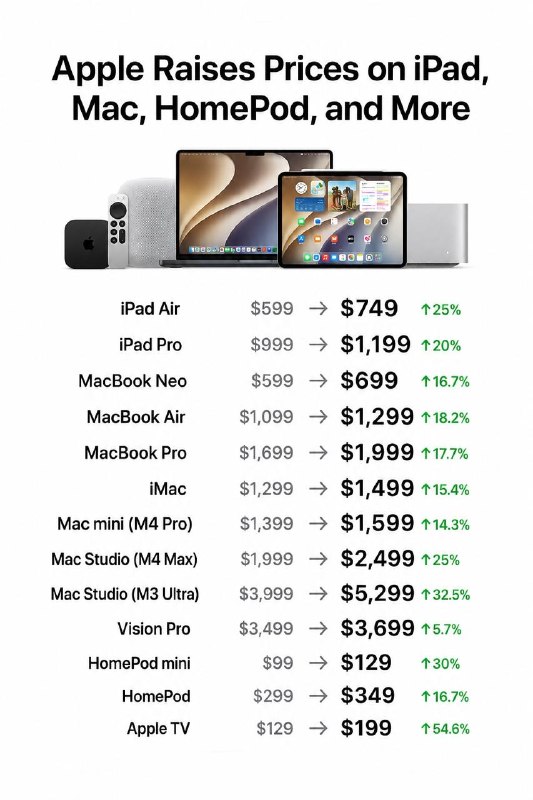
Apple Can't Escape the AI Chip Crunch: Price Increases Across Product Line Reflect Industry-Wide Component Shortage The artificial intelligence revolution is having a tangible impact on consumer electronics, with Apple becoming the latest major tech company to implement price increases across most of its product lineup. As AI data centers worldwide compete for the same advanced memory and storage chips used in consumer devices, component costs have surged, creating a ripple effect throughout the technology industry. The AI-Driven Chip Shortage The current chip crunch represents a significant shift in the semiconductor landscape. While previous shortages were primarily driven by pandemic-related supply chain disruptions and increased consumer demand for electronics, the current situation is fueled by an unprecedented explosion in AI development and deployment. AI systems, particularly large language models and neural networks, require massive amounts of high-performance memory and storage to function effectively. Data centers housing these systems are consuming advanced chips at an astonishing rate, creating a competitive environment where consumer electronics manufacturers like Apple must increasingly compete with AI developers for limited semiconductor supplies. Apple's Response to Rising Costs In recent quarterly reports and investor communications, Apple CEO Tim Cook acknowledged that the company was facing significant challenges in maintaining its traditional pricing structure. "The cost pressures we're seeing across the industry, particularly in memory and storage components, are substantial," Cook stated during a recent earnings call. "While we've worked to absorb as much of these increases as possible, we've had to make some difficult decisions regarding pricing." Apple has implemented selective price increases across multiple product categories, with the most significant adjustments affecting its Mac lineup, including MacBook Pro and iMac models. The company has also raised prices on several iPad models and select accessories. Despite these increases, Apple has thus far maintained prices on its flagship iPhone, AirPods, and Apple Watch products, though executives have indicated that future adjustments remain possible. Products Affected by Price Increases Product Category Specific Models Affected Price Increase Range MacBook Pro 14-inch and 16-inch models with M2 Pro and M2 Max chips 5-8% iMac 24-inch models with M1 and M1 Pro chips 3-6% iPad Air 5th generation models 4-7% Mac Studio All configurations 6-9% Accessories Mac displays, keyboards, and storage upgrades 5-10% The Competitive Landscape for Advanced Chips The semiconductor industry is experiencing unprecedented demand for specific types of memory and storage chips that are critical for both AI systems and consumer electronics. High-bandwidth memory (HBM), NAND flash storage, and specialized AI accelerators are particularly sought after components. Major chip manufacturers like Samsung, SK Hynix, and Micron are struggling to keep pace with demand, leading to extended lead times and higher prices. This situation is compounded by the fact that manufacturing advanced chips requires increasingly sophisticated and expensive fabrication processes, with next-generation facilities costing tens of billions of dollars to construct. Apple's Strategic Position Unlike many of its competitors, Apple benefits from several strategic advantages in the current chip shortage. The company designs its own chips (like the M-series processors for Macs and A-series chips for iPhones), giving it more control over the manufacturing process and component specifications. Additionally, Apple's massive purchasing power and long-term supply agreements provide some insulation from the most extreme price fluctuations. However, even these advantages have limits when facing industry-wide shortages of fundamental components like memory and storage. "Apple's vertical integration strategy has served them well during this period," noted tech analyst Sarah Johnson. "But no company, no matter how well-positioned, can completely insulate itself from a fundamental supply-demand imbalance affecting core components." Consumer Impact and Future Outlook For consumers, the price increases represent a notable shift in Apple's traditionally stable pricing strategy. The company has long prided itself on maintaining consistent pricing while improving product performance, a practice that contributed significantly to its brand loyalty. Industry experts predict that the chip shortage and resulting price increases may continue for the next 12-18 months, as semiconductor manufacturers gradually increase production capacity. However, the timeline remains uncertain and depends on various factors, including global economic conditions and technological advancements in chip manufacturing. Looking ahead, Apple may need to make increasingly difficult decisions about which products to keep price-stable while allowing others to increase in cost. The company's ability to balance these pressures while maintaining its premium brand positioning will be closely watched by investors and consumers alike. Broader Implications for the Tech Industry Apple's situation reflects a broader trend affecting the entire technology sector. As AI continues to proliferate across industries, the competition for advanced chips is likely to intensify, potentially leading to sustained price increases across consumer electronics. This trend may accelerate the development of alternative technologies that require fewer or different types of chips, potentially spurring innovation in areas like chip design, materials science, and computational efficiency. Companies that can develop more efficient algorithms or specialized hardware for AI applications may gain a competitive advantage in the coming years. For now, consumers and industry observers alike will be watching closely to see how Apple navigates these challenges and whether the company's premium pricing strategy remains sustainable in an era of AI-driven component scarcity.

CrashStealer Malware: Sophisticated Threat Impersonates Apple Tools to Target Mac Users A new and concerning malware strain known as CrashStealer has emerged, specifically designed to compromise macOS systems by impersonating legitimate Apple tools. This sophisticated threat focuses on stealing sensitive information including passwords and cryptocurrency wallet details, posing significant risks to Mac users worldwide. Understanding CrashStealer: The Imposter Threat CrashStealer represents a new evolution in macOS malware, employing social engineering techniques to trick users into believing they are interacting with legitimate Apple software. The malware derives its name from its primary method of operation: it masquerades as a system crash report tool, which is a common and expected component of the macOS experience. When a Mac application crashes, macOS typically generates crash reports to help developers identify and fix issues. CrashStealer exploits this familiar process by presenting itself as a tool to analyze or manage these crash reports, convincing users that the installation is necessary or beneficial. How CrashStealer Infects Mac Systems The distribution mechanism for CrashStealer primarily involves social engineering tactics. Researchers have identified several infection vectors: Phishing Emails: Users receive emails that appear to be from Apple or software developers, prompting them to download a "crash report analyzer" or similar tool. Software Piracy Sites: The malware is bundled with cracked versions of popular macOS applications available on unofficial download sites. Fake Software Updates: Users may be tricked into installing "security updates" or "bug fixes" that actually deliver the malware payload. Compromised Developer Accounts: In some cases, developers' accounts have been compromised, allowing malicious code to be distributed through legitimate channels. What CrashStealer Steals: Beyond Passwords Once installed, CrashStealer employs several techniques to extract sensitive information from infected systems: Data Category Specific Information Collected Method of Extraction Credentials Saved passwords, browser autofill data, login credentials Keylogging, browser data scraping Cryptocurrency Wallet files, private keys, seed phrases File system scanning, memory injection System Information Hardware details, installed applications, network configuration System API calls User Activity Browsing history, screenshots, clipboard contents Screen capture, clipboard monitoring The malware is particularly dangerous due to its focus on cryptocurrency theft. With the increasing adoption of digital currencies, the potential financial impact of such breaches can be substantial. Detection and Removal Challenges CrashStealer presents several challenges for both users and security professionals: Stealth Operation: The malware is designed to operate covertly, avoiding detection by built-in macOS security features. Persistence Mechanisms: It employs techniques to ensure it remains active across system reboots. Evasion Tactics: CrashStealer may include code to detect security software and modify its behavior to avoid analysis. Root Capabilities: In some variants, the malware attempts to gain root privileges to access protected system areas. Protection and Prevention Strategies Mac users can take several steps to protect themselves from CrashStealer and similar threats: Download from Official Sources: Only install applications from the Mac App Store or directly from verified developer websites. Verify Software Authenticity: Check developer codesigning certificates and verify software through trusted channels. Keep Systems Updated: Ensure macOS and all applications are updated to the latest versions, as they often include security patches. Use Strong, Unique Passwords: Implement a password manager to generate and store complex credentials. Enable Gatekeeper: Keep macOS Gatekeeper enabled to block unnotarized applications. Install Reputable Security Software: Consider installing third-party antivirus solutions that specialize in macOS threats. Apple's Response and Future Outlook Apple has not yet released an official statement specifically addressing CrashStealer. However, the company typically responds to such threats through several channels: Updating XProtect (Apple's built-in anti-malware system) Releasing security updates in subsequent macOS versions Revoking developer certificates associated with malicious applications Improving notarization processes to detect and block suspicious applications Security experts recommend that Apple enhance its vetting process for third-party applications and improve user education regarding software security best practices. Conclusion: Vigilance Remains Key CrashStealer serves as a reminder that macOS systems, while historically less targeted than Windows platforms, are not immune to sophisticated malware attacks. As the Mac user base continues to grow and becomes more attractive to cybercriminals, threats like CrashStealer are likely to increase in frequency and sophistication. Users must remain vigilant about software sources and maintain robust security practices. By combining Apple's built-in security features with third-party protection solutions and safe computing habits, Mac users can significantly reduce their risk of falling victim to this and other emerging threats. As the cybersecurity landscape continues to evolve, both users and platform providers must stay proactive in identifying and mitigating potential vulnerabilities. The emergence of CrashStealer underscores the importance of continuous security awareness and education in the digital age.

Introduction to HyperOS Security Update HyperOS, a leading operating system crafted specifically for Pad devices, has released a new security update aimed at enhancing the protection and integrity of its users. The latest version, identified as 12.6.6-260514.1.1.pad , comes with essential improvements that address various security vulnerabilities found in earlier iterations of the operating system. Update Overview The 12.6.6-260514.1.1.pad update is targeted exclusively for Pad devices. With increasing concerns regarding cybersecurity threats, this update serves as a crucial line of defense for users who rely on HyperOS for their online and offline activities. Key Features of the Update The newly released update offers several enhancements that focus on bolstering security. Key features include: Critical Vulnerability Fixes: The update addresses multiple security flaws that could expose devices to unauthorized access. Enhanced Security Protocols: Implementation of updated protocols to better guard against potential threats. User Privacy Improvements: Increased measures to protect user data from being accessed or leaked. Stability Enhancements: Overall performance improvements that ensure the smooth running of applications. Importance of the Update Applying the 12.6.6-260514.1.1.pad update is essential for maintaining the security and integrity of Pad devices. Users are strongly encouraged to download and install the update to safeguard their personal information and to ensure reliable operation of their devices. Update Availability The update is now available for download and installation on all eligible Pad devices. Users can easily access it through their device settings, ensuring that they are operating with the most secure and up-to-date version of HyperOS. Steps to Install the Update To install the latest security update, users can follow these simple steps: Navigate to the Settings menu on your Pad device. Select System Updates . Check for available updates. Download the 12.6.6-260514.1.1.pad update. Follow the prompts to install the update. Conclusion With the release of the 12.6.6-260514.1.1.pad security update, HyperOS reaffirms its commitment to delivering a secure and reliable operating environment for Pad devices. By prioritizing user safety and addressing vulnerabilities promptly, HyperOS continues to establish itself as a trusted platform in the tech landscape. Summary of the Update Update Version Compatibility Key Enhancements Importance 12.6.6-260514.1.1.pad Pad Devices Only Critical Vulnerability Fixes Enhanced Security Protocols User Privacy Improvements Stability Enhancements Essential for user security and device integrity These updates are vital, and users should not delay in installing them to ensure their devices are secure and operating optimally. Stay safe and updated with HyperOS.

The Resurrection of the Poco X8: An Exciting Leap Forward In an unexpected twist reminiscent of the tech industry’s dynamic nature, the Poco X8 has seen a revival after its initial cancellation. This new iteration of the smartphone promises to deliver remarkable enhancements, most notably a robust 9,000mAh battery that sets it apart from its predecessors. This article delves into the details surrounding the Poco X8's comeback, exploring its significant upgrades and what this means for consumers and enthusiasts alike. An Overview of the Poco X8’s Journey The Poco X8 was officially announced in 2022, yet circumstances led to its cancellation. While the reasons were not explicitly detailed, various industry factors often influence such decisions, including market trends, technology advancements, and consumer feedback. However, Poco has demonstrated a commendable responsiveness to its user base by reconsidering the device’s potential. This proactive approach is characteristic of modern tech companies striving for consumer satisfaction. The Star Feature: A Massive 9,000mAh Battery At the heart of the Poco X8's resurgence is its impressive 9,000mAh battery. This is a radical improvement compared to the previous generation, which housed a 5,000mAh battery. The benefits of a larger battery are multifaceted: Extended Usage: Users will experience significantly longer usage times without the need for frequent recharging, addressing one of the main pain points for smartphone users. Enhanced Battery Life: The larger capacity translates into improved longevity, allowing it to support intensive tasks without draining quickly. Mobile Efficiency: The upgrade situates the X8 as a frontrunner among mid-range smartphones where battery performance is often critical. Additional Enhanced Features The Poco X8 is not just about its monumental battery. The smartphone is expected to present various enhancements that collectively elevate the user experience. These upgrades include: Improved Cameras: Enhanced camera technology will enable users to experience better photography and videography capabilities, tailored to meet the demands of modern content creation. Faster Charging Capabilities: To complement its massive battery, the X8 is anticipated to feature advanced charging technologies, reducing downtime for users. More Powerful Processor: A robust processor will drive the device’s performance, ensuring smooth multitasking and user interactions. The Market Impact of the Poco X8 The revival of the Poco X8 signifies the brand’s commitment to synergizing user feedback and technological innovation. With its impressive specifications, the X8 is poised to be a formidable player in the mid-range smartphone sector, addressing both everyday and demanding user needs. Specifications at a Glance Feature Poco X8 Poco X7 Battery Capacity 9,000mAh 5,000mAh Camera Features Enhanced Camera Technology Standard Camera Features Charging Speed Faster Charging Capabilities Standard Charging Processor Power More Powerful Processor Standard Processor Looking Ahead As it stands, the official release date for the Poco X8 remains under wraps, leaving eager fans in suspense. However, one thing is evident: the impressive features and specifications of the Poco X8 are sure to spark excitement and anticipation within the tech community. For those looking for a reliable, feature-rich device that caters to an active lifestyle, the Poco X8 promises to be worth the wait. Conclusion The Poco X8's return exemplifies the brand's agility and willingness to adapt to market demands. With its groundbreaking 9,000mAh battery and enhanced features, the device is set to redefine expectations in the mid-range smartphone arena. As enthusiasts await further announcements, the tech industry watches closely to see how this comeback unfolds.
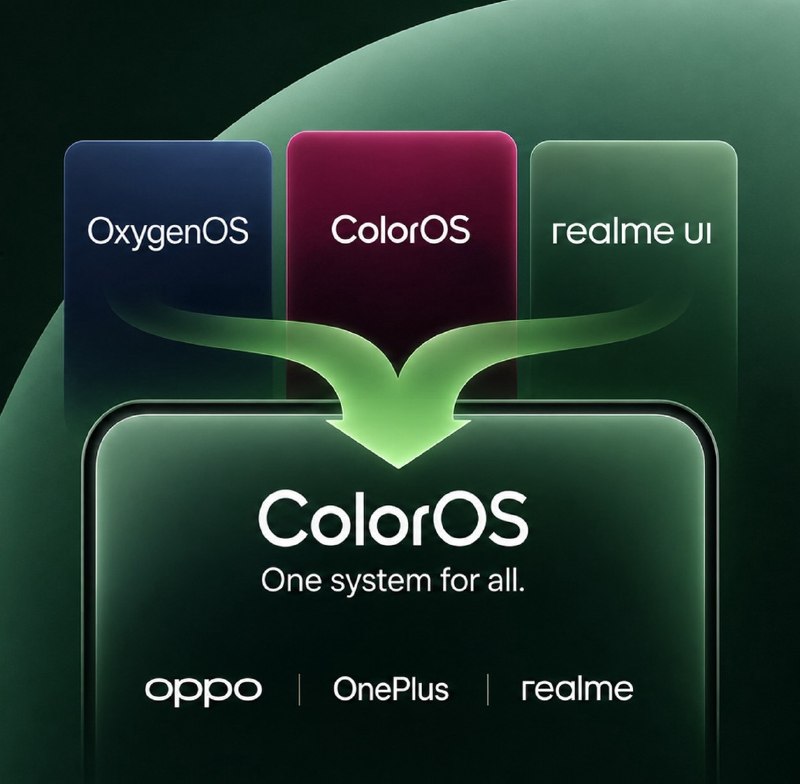
OnePlus and Realme Transition to ColorOS 17 In a significant operational shift, OnePlus has officially announced that its smartphones will transition to ColorOS 17 in conjunction with the upcoming Android 17 upgrade. This shift marks the end of the company's proprietary OxygenOS for OnePlus devices and Realme UI for Realme smartphones, a development that has stirred considerable conversation among users and technology enthusiasts alike. The Shift from OxygenOS and Realme UI As part of its new strategy, OnePlus took to its community app to inform users that existing OnePlus devices which fall within the eligibility criteria will have the choice to voluntarily upgrade to the new ColorOS 17. This transition is reflective of broader trends in the industry, as OEMs seek to consolidate their software offerings under more unified user interfaces. As per the announcement, legacy models that do not qualify for the upgrade will continue to receive standard software maintenance to ensure that users are not left without support. Frequently Asked Questions Question Answer Can users choose not to switch to ColorOS? Yes, OnePlus users will have the option to select whether or not to update to ColorOS. If users are not satisfied after switching, can they roll back? Yes, users who opt for the ColorOS update will have the ability to roll back to the previous OxygenOS version. Details on the rollback process and available versions will be announced in due course. A New Era for Software Development This announcement signifies a pivotal moment for OnePlus and Realme, as the integration of ColorOS aims to create a seamless user experience across devices. The decision to adopt ColorOS 17 is likely influenced by the increasing demand for uniformity and enhanced functionality that users expect in a rapidly evolving tech landscape. For many users attached to OxygenOS and Realme UI, the transition may spark feelings of nostalgia and uncertainty. The upcoming months will be critical as users weigh their options and consider whether to embrace this new software environment or hold onto the familiar interfaces they have grown accustomed to. What Lies Ahead As OnePlus and Realme prepare for this software transition, users are encouraged to stay tuned for further updates and information regarding rollback procedures and other essential details related to the rollout of ColorOS 17. This move not only highlights the changing dynamics within the smartphone industry but also sets a precedent for how software management will evolve moving forward. The impending arrival of ColorOS 17 promises to bring new features and improvements, although exactly what these will be remains to be seen. In the meantime, OnePlus and Realme users find themselves at the crossroads of innovation and the familiarity of their previous experiences.
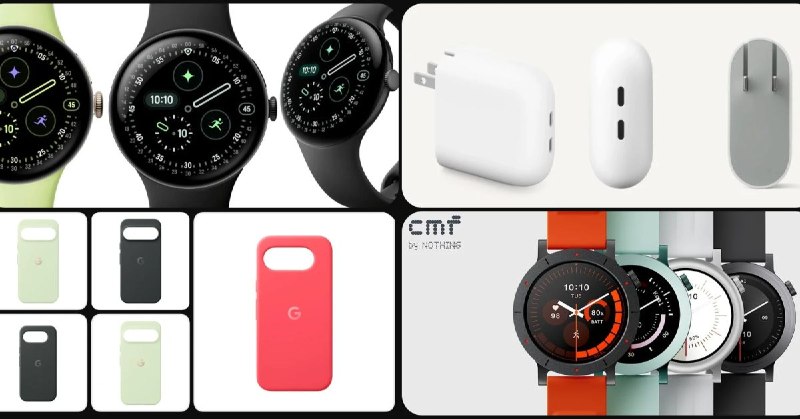
Latest Tech Deals: Save Big on Pixel Watch 4, Google Chargers, and Nothing Watches As we move deeper into 2026, tech enthusiasts and bargain hunters alike are taking advantage of some exceptional deals across the gadget landscape. From Google's latest wearables to fast-charging accessories and stylish timepieces, there's something for every tech aficionado looking to upgrade their collection without breaking the bank. This comprehensive guide explores the most compelling tech deals currently available, helping you make informed purchasing decisions. Google Pixel Watch 4: Premium Smartwatch at a Significant Discount Leading the pack of noteworthy deals is the highly anticipated Google Pixel Watch 4, which is now available with discounts reaching up to $192 off its original retail price. This represents one of the most substantial price reductions we've seen on Google's flagship wearable since its release earlier this year. Model Original Price Discounted Price Savings Pixel Watch 4 Wi-Fi (40mm) $349 $199 $150 Pixel Watch 4 Wi-Fi (45mm) $399 $249 $150 Pixel Watch 4 LTE (40mm) $399 $207 $192 Pixel Watch 4 LTE (45mm) $449 $257 $192 The Pixel Watch 4 represents Google's latest advancement in wearable technology, featuring improved health sensors, enhanced battery performance, and deeper integration with the Android ecosystem. Key improvements over its predecessor include: Advanced heart rate monitoring and blood oxygen tracking New sleep stage detection algorithms Google Assistant with improved contextual awareness Brighter, always-on display with improved visibility in direct sunlight Enhanced fitness tracking with automatic workout detection This price drop makes the Pixel Watch 4 an exceptionally competitive option in the premium smartwatch market, particularly for Android users seeking seamless integration with their Google ecosystem. Google's Dual-Port 67W Flex Charger: 25% Off for Fast Charging Needs For those looking to power up their devices quickly and efficiently, Google's dual-port 67W Flex Charger is currently available at a 25% discount. Originally priced at $59.99, the charger is now available for just $44.99, making it an attractive option for anyone with multiple power-hungry devices. This compact yet powerful charging solution features: 67W total output across two ports (USB-C and USB-A) Intelligent power distribution that optimizes charging speed based on connected devices GaN (Gallium Nitride) technology for efficient heat dissipation Foldable plug for convenient portability Compatible with a wide range of devices including Pixel phones, laptops, tablets, and more The Flex Charger's dual-port design is particularly valuable for travelers and professionals who need to charge multiple devices simultaneously without carrying multiple adapters. The 25% discount brings this premium charging accessory closer to the price point of less capable alternatives, making it an excellent value proposition. Nothing CMF Watches: Stylish Timepieces Starting at Just $39 Nothing's CMF (Color, Material, Finish) watch collection is offering unprecedented value with prices starting as low as $39. The London-based tech company, known for its distinctive aesthetic approach, has expanded its wearable lineup with several options that combine minimalist design with accessible pricing. Model Starting Price Key Features CMF Watch Pro $99 Always-on display, 7-day battery, health tracking CMF Watch $59 1.96" AMOLED display, 5-day battery CMF Watch Phone $149 Mini smartphone on wrist, eSIM support CMF Watch Band Collection $39 Various styles and materials The Nothing CMF watches stand out for their clean, modern aesthetic and focus on user experience. Despite their affordable price points, they offer features typically found in more expensive smartwatches, including: Vibrant AMOLED displays with customizable watch faces Comprehensive health and fitness tracking Water resistance up to 5ATM for swimming and water sports Bluetooth connectivity for notifications and music control Quick-release bands for easy customization Starting at just $39, the entry-level CMF Watch offers an impressive combination of style and functionality, making it an ideal option for first-time smartwatch buyers or those looking for an affordable secondary device. Additional Tech Deals Worth Considering Beyond the headline offers, several other tech deals are worth noting for consumers looking to maximize their savings: Google Pixel Buds Pro 2: $50 off (now $149) with improved active noise cancellation and spatial audio support Nest Hub (2nd gen):strong> $30 off (now $99), featuring advanced sleep tracking and Google Assistant capabilities Fitbit Charge 6: $40 off (now $99), with built-in GPS and Google Wallet integration Anker PowerCore chargers: Up to 35% off on various models, including the popular 20,000mAh capacity option Logitech MX series peripherals: 20-25% off on keyboards and mice designed for productivity Maximizing Value: Tips for Tech Deal Hunting When taking advantage of tech deals, consider these strategies to ensure you're getting the best value: Compare prices across multiple retailers before purchasing Check for additional bundle deals or manufacturer promotions Consider extended warranty options for premium devices Read recent reviews to ensure product quality meets expectations Verify return policies, especially for discounted or clearance items As these deals demonstrate, 2026 is an excellent time for consumers to upgrade their tech collection without premium price tags. Whether you're in the market for a new smartwatch, a powerful charging solution, or stylish accessories, the current deals landscape offers compelling opportunities across various product categories.
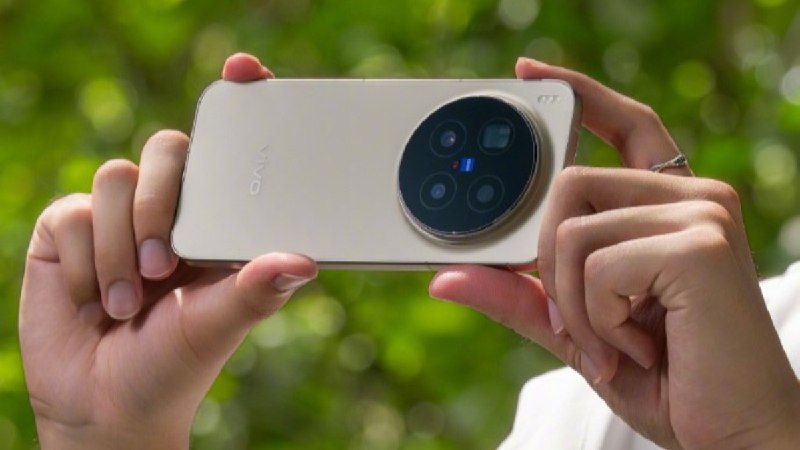
Vivo X500 Ultra Leak Suggests Revolutionary Triple 200MP Telephoto Camera System In a revelation that could potentially reshape the smartphone photography landscape, recent leaks suggest that Vivo is developing its upcoming X500 Ultra with an unprecedented triple camera system featuring three 200MP telephoto sensors. This ambitious camera configuration, if realized, would represent a significant leap forward in mobile photography capabilities. Breaking Down the Leak: What We Know According to sources familiar with Vivo's development plans, the company is currently testing three different 200MP telephoto camera sensors for its upcoming flagship smartphone. This marks a departure from conventional smartphone camera setups, which typically feature a primary sensor with secondary telephoto and ultra-wide lenses. The leak indicates that Vivo is considering three distinct 200MP telephoto sensors, each potentially offering different focal lengths or specialized capabilities. This approach would provide users with unprecedented zoom versatility while maintaining high image quality across various focal ranges. Potential Sensor Specifications While exact details remain unconfirmed, industry analysts speculate that the three 200MP telephoto sensors could include: A 5x optical zoom periscope telephoto lens A 3x optical zoom telephoto lens A dedicated portrait telephoto lens with optimized bokeh capabilities Vivo's Legacy in Camera Innovation Vivo has consistently pushed the boundaries of smartphone photography technology. The company's previous flagships have introduced industry-first features including gimbal stabilization, under-display camera technology, and sophisticated computational photography algorithms. The X100 series, particularly the X100 Ultra, already featured impressive camera capabilities with a 50MP primary sensor and a 50MP telephoto lens. The rumored triple 200MP telephoto system in the X500 Ultra would represent a quantum leap forward in this progression. Technical Challenges and Solutions Implementing three high-resolution telephoto sensors presents significant engineering challenges: Space constraints within the phone's chassis Heat management during prolonged high-resolution photography Processing power required for handling multiple 200MP images Software optimization for seamless switching between lenses Vivo is reportedly addressing these challenges through proprietary lens stacking technology, advanced cooling systems, and next-generation image signal processors designed specifically for high-resolution multi-lens systems. Comparison with Current Flagship Cameras To understand the potential impact of the X500 Ultra's camera system, it's helpful to compare it with current flagship offerings: Brand/Model Primary Sensor Telephoto Sensor Max Optical Zoom Special Features Vivo X100 Ultra 50MP 50MP 5x Gimbal stabilization, Zeiss optics iPhone 15 Pro Max 48MP 12MP 5x Telephoto macro, computational photography Samsung S23 Ultra 200MP 10MP (3x) + 10MP (10x) 10x Space Zoom, AI enhancement Rumored X500 Ultra Unknown 200MP (3 sensors) Potentially 10x+ with quality loss Multi-telephoto versatility, AI processing Market Implications and Competitive Positioning If the X500 Ultra launches with the rumored triple 200MP telephoto system, it would establish Vivo as a clear leader in smartphone camera technology. This move would particularly challenge Samsung, which has traditionally dominated the high-end camera phone market with its Galaxy S Ultra series. The potential advantages of such a system include: Consistent image quality across all focal ranges Enhanced zoom capabilities without significant quality degradation Improved low-light performance in telephoto shots More natural transitions between different zoom levels Expert Analysis Industry experts have mixed reactions to the rumored specifications. Dr. Elena Rodriguez, a mobile imaging analyst at TechInsights, commented: "While the concept of three high-resolution telephoto sensors is technically impressive, the real challenge will be in the software processing. The ability to seamlessly blend images from three different sensors while maintaining consistency will be crucial to user experience." Meanwhile, Ming-Chi Kuo, a well-known Apple analyst, suggested that Vivo's move could trigger a "camera arms race" among smartphone manufacturers, potentially accelerating innovation across the industry. Potential Software and Processing Innovations Beyond the hardware specifications, the X500 Ultra would likely require significant software innovations to leverage the triple camera system effectively. Vivo is expected to develop new computational photography algorithms specifically designed for multi-sensor systems. Potential software features could include: Intelligent lens selection based on scene analysis Advanced AI upscaling for digital zoom beyond optical limits Enhanced night mode for telephoto shots New portrait photography capabilities with improved subject separation Impact on Photography Trends The introduction of a triple telephoto system could influence broader photography trends in several ways: Reduced reliance on digital zoom and cropping Increased emphasis on optical quality over computational tricks New creative possibilities for mobile photographers Potential convergence of smartphone and dedicated camera capabilities What to Expect: Release Timeline and Final Specifications While the X500 Ultra is not expected to launch until early 2026, Vivo typically unveils its X series flagship in the first quarter of each year. The company is likely to finalize its camera specifications in the coming months, with mass production potentially beginning by late 2025. Industry insiders suggest that while the triple 200MP telephone system is under serious consideration, final specifications may vary based on testing results and manufacturing feasibility. The final device may feature one or more of the tested sensors, potentially with some compromises to balance performance, cost, and size. Pricing and Market Position Given the advanced camera technology, the X500 Ultra is expected to be positioned as a premium flagship device. If previous Vivo X series pricing is any indication, the X500 Ultra could retail at approximately $1,200-$1,500, placing it firmly in the premium smartphone segment alongside other flagship offerings from Apple, Samsung, and Google. Conclusion: A Potential Game-Changer for Mobile Photography The rumored triple 200MP telephoto camera system in the Vivo X500 Ultra represents an ambitious vision for the future of smartphone photography. While technical and practical challenges remain, the potential benefits to image quality and versatility could set a new standard for mobile imaging. As smartphone innovation increasingly focuses on artificial intelligence and computational photography, Vivo's approach of emphasizing high-quality optical components offers an interesting alternative strategy. Whether the company ultimately implements this exact configuration remains to be seen, but the very consideration of such a system demonstrates the rapid pace of innovation in smartphone camera technology. Mobile photography enthusiasts and industry watchers alike will be closely following Vivo's announcements in the coming months to see if this ambitious camera system becomes a reality and how it performs in real-world conditions.
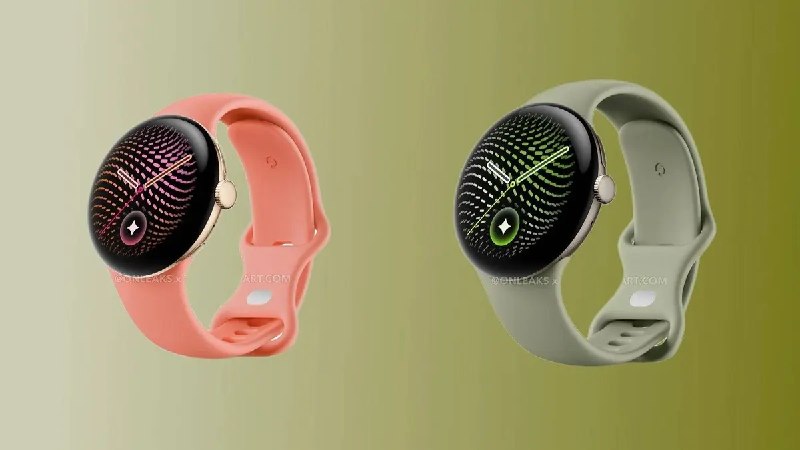
Pixel Watch 5 Renders Leaked: A Closer Look at Google's Upcoming Smartwatch As the tech community eagerly anticipates Google's latest offerings, recent leaks have unveiled striking details about the Pixel Watch 5. Scheduled for launch on August 12, 2023, the new smartwatch maintains a familiar design while introducing some exciting color options. Below, we delve into the details surrounding the design, features, and expected specifications of the Pixel Watch 5. Design Specifications The design of the Pixel Watch 5 appears to retain the aesthetic elements beloved by its predecessors, offering a harmonious blend of style and functionality. Feature Specification Overall Design Round Display Display Type AMOLED Screen Size 1.4 inches Materials Stainless Steel and Glass Available Colors Information gleaned from the recent renders indicates that the Pixel Watch 5 will be available in four distinct color variants. The colors offer a blend of classic and bold options, appealing to a broad audience. Obsidian (Black) Chalk (White) Rose Gold Charcoal (Dark Gray) Expected Features In addition to its appealing design, the Pixel Watch 5 is rumored to come packed with a suite of features designed to enhance user experience, health tracking, and connectivity. Health Monitoring: Advanced sensors for tracking heart rate, blood oxygen levels, and sleep quality. Connectivity: Bluetooth and Wi-Fi capabilities, ensuring seamless integration with other devices. Battery Life: Anticipated improvements in battery efficiency compared to previous models. Wear OS Integration: Latest updates in the operating system for a smoother user experience. Market Position and Impact With the smartwatch market becoming increasingly competitive, the Pixel Watch 5 aims to carve out a niche for itself. This model builds on the trust and familiarity established by its predecessors, while also attempting to meet the evolving needs of tech-savvy consumers. As it prepares for launch, the combination of a well-accepted design and the introduction of new color choices may appeal to existing fans and new users alike, potentially strengthening Google's position in the wearable tech sector. Conclusion The Pixel Watch 5, set to launch on August 12, 2023, promises to be a continuation of Google's innovative journey in smart wearables. By adhering to a successful design language and expanding color options, the tech giant seems poised to attract a wider audience. As the launch date approaches, the excitement regarding its features, specifications, and overall market impact continues to build.

Samsung Galaxy Z Fold6 and Flip6 Receive One UI 8.5 July Update in Korea Samsung has begun rolling out the highly anticipated One UI 8.5-based July update for its latest flagship foldable devices, the Galaxy Z Fold6 and Flip6, in the Korean market. This significant software enhancement brings a host of new features, performance improvements, and optimizations to Samsung's premium foldable smartphone lineup. Latest Update Details The update, identified by build numbers F956NKSS4DZG1, F956NOKR4DZG1, and F956NKSS4DZE1 for the respective Galaxy Z Fold6 and Flip6 models, marks Samsung's continued commitment to providing timely software enhancements to its premium device lineup. The rollout commenced in Korea and is expected to expand to other global regions within the coming week. Key Information at a Glance Device Build Number Region Timeline Galaxy Z Fold6 F956NKSS4DZG1 Korea (current) Global rollout in coming week Galaxy Z Fold6 F956NOKR4DZG1 Korea (current) Global rollout in coming week Galaxy Z Flip6 F956NKSS4DZE1 Korea (current) Global rollout in coming week Understanding One UI 8.5 One UI 8.5 represents Samsung's latest iteration of its custom Android interface, specifically designed to enhance the user experience across its device ecosystem. The update builds upon the foundation of Android 14, incorporating Samsung's unique design philosophy and feature set. For foldable devices like the Galaxy Z Fold6 and Flip6, One UI 8.5 introduces several optimizations tailored to take advantage of the unique form factors. Enhanced Features and Improvements While Samsung has not released detailed changelogs for this specific July update, previous iterations of One UI 8.5 have typically included: Improved multitasking capabilities, particularly beneficial for the Galaxy Z Fold6's expansive display Enhanced performance optimizations for smoother operation New customization options for the home screen and lock screen Improved camera functionality and processing Better battery management systems Enhanced security features and patches Samsung's Commitment to Software Updates The timely rollout of this update underscores Samsung's dedication to providing regular software enhancements to its premium device users. The company has made significant strides in its update policy in recent years, committing to four years of Android OS updates and five years of security patches for its flagship devices. "Samsung's One UI 8.5-based July update is a welcome development for users of the Galaxy Z Fold6 and Flip6, providing them with access to the latest software features and improvements," technology analysts note. "This update is a testament to Samsung's commitment to delivering timely and efficient software updates to its customers." Global Rollout Expectations As with most Samsung updates, the rollout will likely follow a phased approach, starting with the Korean market before expanding to other regions. Users in Europe, North America, and other markets can expect to receive the update within the next week, though exact timing may vary by carrier and region. Samsung typically pushes updates gradually to monitor for any potential issues before a wider release. Users are advised to check for updates manually through the Settings menu on their devices if they haven't received the notification automatically. Conclusion The One UI 8.5-based July update for the Galaxy Z Fold6 and Flip6 represents Samsung's ongoing effort to refine and enhance the user experience on its premium foldable devices. As these devices continue to gain popularity among tech enthusiasts and productivity-focused users, regular software updates become increasingly important to maintain device relevance and performance. With this latest update, Samsung demonstrates its commitment to supporting its flagship devices with timely improvements and new features, reinforcing its position as a leader in the foldable smartphone market.
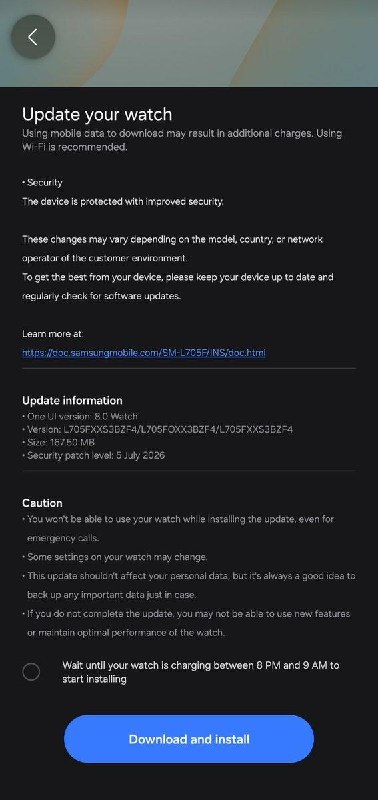
Galaxy Watch Ultra Receives July Update Across India and Europe In a significant move, Samsung has announced the rollout of its latest software update for the Galaxy Watch Ultra in both India and Europe. This update aims to enhance user experience through several new features and improvements. Overview of the Update The July update for the Galaxy Watch Ultra brings a range of enhancements tailored to elevate the performance and functionality of the device. Users can expect various adjustments aimed at improving battery life, user interface, and fitness tracking capabilities. Key Features Included in the Update Battery Optimization: Enhanced power management settings to prolong battery life during daily use. User Interface Improvements: A more intuitive navigation experience with minor tweaks to existing menus. Health and Fitness Tracking: Updates to health monitoring features, including more accurate heart rate and sleep tracking. New Watch Faces: Addition of customizable watch faces allowing users to personalize their devices further. Bug Fixes: Resolution of previously reported glitches for improved overall stability. Regional Availability Regional Rollout Information Region Expected Rollout Period India July 2023 Europe July 2023 How to Update Your Galaxy Watch Ultra To ensure that your Galaxy Watch Ultra is up to date with the latest software, follow these simple steps: Charge your Galaxy Watch Ultra to at least 50%. Ensure it is connected to a Wi-Fi network. Open the Settings on your watch. Select Software Update and wait for the device to check for updates. If an update is available, follow the on-screen instructions to download and install it. Conclusion The July update for the Galaxy Watch Ultra signifies Samsung’s commitment to continually enhancing user satisfaction and device performance. The updates not only focus on software improvements but also reflect user feedback. This move is expected to further strengthen the Galaxy Watch Ultra's position in the competitive smartwatch market. Users in India and Europe are encouraged to explore the new features brought by this update, ensuring they make the most of their Galaxy Watch Ultra.

Joyose 2.5.12: An In-Depth Look at the Latest Features and Enhancements The recent release of the Joyose 2.5.12 application has sparked considerable interest among users who rely on its functionalities for daily communication and collaboration. This article delves into the features, enhancements, and potential impact of the update, while also highlighting the technical specifications that make Joyose a robust player in the market. Overview of Joyose Joyose is a versatile communication application that offers users the ability to connect through various mediums, including messaging, voice, and video calls. It aims to streamline communication in both personal and professional settings, making it a favorite among many users. Key Features of Joyose 2.5.12 The latest update to Joyose introduces several enhancements aimed at improving user experience and functionality. Below is a breakdown of the most notable features: Enhanced User Interface: The update provides a more intuitive interface, enhancing navigation and accessibility. Improved Messaging System: A robust messaging system now supports rich media messages, allowing users to send images, videos, and files seamlessly. Group Collaboration Tools: Enhanced features for group chats and collaboration, including file sharing and task assignment. Increased Security: Updates to encryption protocols ensure a more secure communication experience, protecting user data from potential threats. Performance Optimizations: Faster load times and reduced lag during voice and video calls enhance overall usability. Technical Specifications For a comprehensive understanding of Joyose 2.5.12, it is essential to look at its technical specifications that cater to user needs: Specification Details Version 2.5.12 Release Date October 2023 Supported Platforms Android, iOS File Size 35 MB Languages Supported English, Spanish, French, German, and more Comparative Analysis To understand how Joyose 2.5.12 stacks up against its competitors, we can observe some key comparisons with similar applications: Feature Joyose 2.5.12 Competitor A Competitor B User Interface Intuitive and User-Friendly Moderate Complexity Simplistic Messaging System Rich Media Support Text and Image Only Basic Text Support Group Collaboration Advanced Features Basic Features No Collaboration Tools Encryption Strong Encryption Protocols Moderate Security Basic Security Performance High Performance Occasional Lag Frequent Lag The Impact of the Update With these enhancements, Joyose 2.5.12 positions itself as a formidable player in the realm of communication applications. The improvements not only streamline the functionality but also provide a secure and fast user experience. This is particularly vital as remote work and digital communication become the norm, necessitating a reliable platform for collaboration. Conclusion The release of Joyose 2.5.12 marks a significant step forward in the app's evolution, showcasing a commitment to continuous improvement in user experience, security, and functionality. As businesses and individuals increasingly rely on technology for daily operations, applications like Joyose that deliver seamless and secure communication will undoubtedly play a crucial role.
Introduction to Joyose 2.5.12: A New Era of Application Functionality The release of Joyose 2.5.12 marks a significant advancement in the world of mobile applications. This update introduces new features and optimizations that cater to users' increasing demands for performance and user experience. In this article, we will delve into the various enhancements and functionalities this version brings, offering a comprehensive overview that will enlighten both existing users and potential adopters. Key Features of Joyose 2.5.12 Version 2.5.12 comes packed with a myriad of enhancements designed to improve usability and performance. Below are the notable features: User Interface Overhaul : The app interface has been redesigned for greater intuitive navigation and improved aesthetic appeal. Performance Optimization : Significant optimizations have been made to ensure smoother performance, especially on lower-end devices. Enhanced Security Protocols : New security measures have been implemented to safeguard user data and enhance overall application integrity. Feature-Rich Updates : Introduction of new functionalities such as advanced notifications, customizable settings, and improved integration with various services. Error Handling Improvements : Enhanced error detection and handling mechanisms, making the app more robust and user-friendly. Comparison with Previous Versions To highlight the improvements in Joyose 2.5.12, a comparison with its predecessor, version 2.5.11, is illustrated in the table below: Feature Version 2.5.11 Version 2.5.12 User Interface Standard Design Redesigned for Easier Navigation Performance Improving Significantly Enhanced Security Basic Protocols Advanced Security Features Customizability Limited Options Highly Customizable Settings Error Handling Basic Detection Robust Handling Mechanisms Installation and Compatibility Joyose 2.5.12 is designed to be compatible with a wide range of devices, ensuring that a broad user base can take advantage of its new features. Installation is straightforward and can be done by downloading the APK file. However, users are advised to enable installations from unknown sources in their settings for a smooth installation process. System Requirements Operating System: Android 5.0 (Lollipop) and above Storage Space: Minimum of 100MB free space required RAM: At least 2GB of RAM for optimal performance User Feedback and Reception Since the release of 2.5.12, user feedback has generally been positive. Many users have praised the revamped user interface and the app's improved responsiveness. However, some have highlighted minor bugs that may occur under specific conditions. User Testimonials Maria T.: "The new design is refreshing! Navigation feels seamless, and I can easily find my way around the app." James H.: "I've noticed a significant speed increase. The app runs smoother on my older device now." Emily R.: "I appreciate the enhanced security features. It gives me peace of mind while using the app." Conclusion Overall, Joyose 2.5.12 is a robust update that not only addresses several user concerns but also introduces innovative features designed to enhance the overall user experience. The combination of improved performance, a refined user interface, and heightened security measures makes it a must-try for both new and existing users. As technology continues to evolve, apps like Joyose demonstrate the importance of adaptation and innovation in meeting user needs. With its latest version, Joyose has taken significant steps forward, catering to both usability and functionality, ensuring that it remains a relevant player in the competitive app landscape.

New Emoji Set to Transform Digital Communication: Spring Release Brings Nuanced Expressions The digital landscape is evolving once again as the Unicode Consortium announces a fresh batch of emojis set to arrive next spring. These additions aren't merely decorative—they represent meaningful expansions in our digital vocabulary, addressing nuanced emotional states, specific objects, and clarifications of existing symbols. As digital communication becomes increasingly central to our personal and professional lives, these new characters offer precision and subtlety that were previously impossible through text alone. The Evolution of Digital Expression Emojis have transformed from simple emoticons to a complex system of visual communication that transcends language barriers. The Unicode Standard, which governs emoji development, carefully evaluates proposals each year, considering factors like frequency of requests, representation gaps, and cultural significance. The upcoming spring release represents the culmination of this meticulous process, bringing both practical and expressive tools to our digital keyboards. Understanding the Emoji Approval Process Before an emoji makes its way to our devices, it undergoes a rigorous review process: Initial proposal submission to the Unicode Consortium Technical review for design feasibility Assessment of cultural sensitivity and appropriateness Final approval and integration into the Unicode standard Implementation by device manufacturers and platform developers This ensures that each new addition serves a genuine communicative purpose rather than simply expanding the catalog for its own sake. Breaking Down the New Emoji Additions Rescue and Safety Symbols The upcoming release introduces two distinct "rescue" signs that will enhance emergency and safety communications: Emoji Meaning Use Case Lighthouse Guidance, safety, navigation Indicating direction, safety in uncertain situations Eraser Mistakes, correction, fresh start Expressing the need to start over or correct something These symbols fill important gaps in digital communication, particularly in contexts where precise instructions or reassurances are needed. The lighthouse, with its historical association with guidance through dangerous waters, offers a powerful metaphor for navigating complex situations. Gesture-Based Communication Non-verbal communication constitutes a significant portion of human interaction, and these new gesture emojis capture subtle social cues that were previously difficult to express digitally: Emoji Gesture Meaning Distinction from Similar Gestures Leftwards/Rightwards Thumb "Check out this guy/gal" More specific than general pointing; directs attention to a person These thumb gestures represent an interesting evolution in emoji development, moving from simple representations to capturing specific social interactions. They acknowledge that human communication relies heavily on subtle directional cues that help us navigate social spaces. Emotional Nuance and Authenticity Perhaps most significantly, the new cracked smiling face emoji addresses a universal human experience: the pressure to present positivity while struggling internally. Emoji Emotional State Represented Common Usage Scenarios Cracked Smiling Face "I'm fine" (when not actually fine) Workplace stress, social obligations, masking mental health struggles This addition represents an important acknowledgment of emotional labor in digital communication. It provides a way to express the gap between internal experience and external presentation—a phenomenon particularly relevant in our increasingly curated online lives. Action-Oriented Emoji The "Net with Handle" emoji introduces an interesting category: emoji that represent actions rather than just objects or emotions. Emoji Function Potential Applications Net with Handle Capturing, collecting Gathering information, catching up on content, filtering data This rare "emoji-verb" expands our digital vocabulary to include processes and actions, reflecting how digital communication increasingly involves not just static messages but ongoing activities and information management. Scientific Accuracy and Differentiation Several new emojis address previous inaccuracies in representation, particularly in the natural sciences: Previous Representation New Differentiation Scientific Significance Meteor/Comet (same icon) Separate icons: Meteor (fireball), Comet (blue streak) Accurate representation of astronomical phenomena Cucumber/Pickle (same icon) Separate icons: Cucumber (fresh), Pickle (preserved) Culinary distinction and cultural specificity Generic butterfly Monarch butterfly (distinct from Blue Morpho) Biodiversity awareness and species identification These corrections demonstrate how emoji development has matured from simple representations to more accurate, culturally specific, and scientifically precise symbols. This evolution reflects growing global awareness and the need for nuanced representation in our digital tools. Cultural and Communicative Impact The new emoji set arrives at a time when digital communication has become the primary mode of interaction for many people worldwide. These additions aren't merely aesthetic—they address specific gaps in our ability to express complex ideas, emotions, and references. "The genius of good emoji design lies in its ability to capture subtle cultural references and emotional states that would otherwise require lengthy explanation," explains Dr. Elena Rodriguez, a digital communication researcher at the Institute of Technology and Society. "The cracked smiling face, for example, acknowledges a universal experience that many people struggle to articulate, particularly in professional contexts where emotional labor is expected." Filling Communication Gaps Each new emoji serves a specific purpose in addressing communication challenges: Specificity: Differentiating between similar objects (cucumber vs. pickle, monarch vs. blue morpho) Emotional precision: Capturing nuanced emotional states (cracked smiling face) Directional clarity: More specific gestures than pointing (thumb gestures) Process representation: Actions rather than just objects (net with handle) Scientific accuracy: Correcting previous representational errors (meteor/comet) Timeline and Implementation The new emoji set is scheduled for release in spring 2024, following final approval by the Unicode Consortium. However, the timeline for actual availability on devices varies by platform: Platform Expected Availability Implementation Notes iOS/macOS Summer 2024 Typically follows Unicode release by several months Android Variable by manufacturer May be updated gradually across different devices Windows Fall 2024 Often bundled with major feature updates Web Spring 2024 Generally quickest to implement new Unicode characters The Future of Digital Expression As digital communication continues to evolve, emoji development reflects broader trends in how we express ourselves online. The upcoming additions demonstrate several important shifts: From simple to nuanced representation From generic to culturally specific symbols From static objects to dynamic actions From approximation to scientific accuracy From basic emotions to complex psychological states "We're seeing emoji mature from a novelty to a sophisticated communication system that can capture the subtleties of human interaction," notes Marcus Chen, a UX designer specializing in cross-cultural digital communication. "The cracked smiling face is particularly interesting as it acknowledges the gap between how we feel and how we present ourselves—a phenomenon that's become increasingly relevant in our always-connected digital lives." Conclusion: The Expanding Language of Digital Communication The upcoming emoji release represents more than just new characters—it reflects the ongoing evolution of digital communication as a nuanced, expressive medium. By addressing specific communication gaps, providing greater accuracy, and capturing subtle emotional states, these additions help bridge the gap between in-person and digital interaction. As we continue to navigate increasingly digital lives, tools that allow for precise, nuanced expression become ever more important. The new emoji set, with its focus on specificity, accuracy, and emotional depth, represents a significant step forward in our collective ability to communicate effectively in the digital realm. Whether we're navigating social situations, sharing scientific information, or simply trying to express how we're really feeling, these new emojis offer fresh ways to connect, clarify, and communicate in our increasingly digital world.

China Achieves World's First Commercial Brain-Computer Interface Implant China Beats Elon Musk's Neuralink to World's First Commercial Brain-Computer Interface Implant In a groundbreaking medical and technological achievement, Chinese researchers have successfully performed the world's first commercial brain-computer interface (BCI) implantation, surpassing similar efforts by Elon Musk's Neuralink. The revolutionary procedure, which involved implanting a coin-sized chip into a car crash victim, has enabled the patient to control hand movements through neural signals. The Historic Medical Procedure The landmark surgery was conducted by a team of medical professionals at the First Affiliated Hospital of Nanchang University in China. The patient, a 39-year-old man who suffered severe hand impairment following a car accident, received the implant which has now restored his ability to perform hand movements through thought alone. During a recent press conference, the medical team demonstrated the patient's ability to pick up objects and make hand gestures using just his thoughts, controlled via the brain-computer interface. The successful implantation represents a significant leap forward in neuroprosthetics and brain-computer interface technology. Technical Specifications of the Implant Feature Description Size Coin-sized (approximately 23mm diameter) Material Medical-grade titanium and biocompatible polymers Electrodes 1,024 electrodes for high-resolution neural signal detection Wireless Connectivity 5G-enabled for real-time data transmission Battery Life Up to 18 hours on single charge, wireless charging capability How the Technology Works The implant functions by detecting neural signals from the brain's motor cortex, which are then processed by an onboard artificial intelligence algorithm. These processed signals are translated into specific hand movements, effectively bypassing the damaged neural pathways that were severed in the car accident. The device wirelessly transmits data to an external computer system that further refines the movement commands before sending them back to a stimulation device that activates the appropriate muscles in the patient's hand. This closed-loop system allows for real-time adjustments and learning, improving the device's performance over time. Patient Case Study The 39-year-old patient, identified only as Mr. Lin, suffered severe nerve damage in his right hand following a car accident in 2021. After multiple conventional treatments failed to restore functionality, he became a candidate for the experimental brain-computer interface implantation. Following a six-hour surgical procedure in January 2023, Mr. Lin began a rehabilitation process that involved learning to use the device. Within three months, he regained the ability to perform basic hand movements, including grasping objects, pointing, and making simple gestures. "I can feel my hand moving again, as if my thoughts are directly connected to my fingers," Mr. Lin reported during a follow-up examination. "The device has given me a part of my life back that I thought was lost forever." Comparison with Neuralink Feature Chinese BCI Implant Neuralink Status Commercially available Clinical trials only First Human Implant January 2023 Not yet performed Primary Application Motor function restoration Broad neurological applications Data Transmission 5G wireless Bluetooth wireless Regulatory Status Approved for clinical use Pending FDA approval Neuralink's Progress While Neuralink, founded by Elon Musk in 2016, has made significant progress in developing brain-computer interface technology, it has yet to perform human trials. The company has successfully demonstrated its technology in animal models, including pigs and monkeys, but has not yet received regulatory approval for human implantation. Neuralink's device, known as "Link," features more electrodes (3,072) than the Chinese implant and is designed for broader applications beyond motor function restoration, including potential treatment for neurological conditions like Parkinson's disease, epilepsy, and depression. Ethical Considerations and Regulatory Framework The successful implementation of China's first commercial BCI implant raises important ethical questions about brain privacy, potential misuse of neural data, and the long-term effects of having electronic devices embedded in human brains. Chinese regulatory authorities have established a comprehensive framework for brain-computer interface technology, including strict guidelines on data privacy, informed consent, and long-term patient monitoring. The First Affiliated Hospital of Nanchang University's Institutional Review Board approved the implantation procedure after extensive ethical review. "We have implemented multiple layers of security to protect the patient's neural data," explained Dr. Chen Wei, the lead surgeon on the project. "All data is encrypted, access is strictly controlled, and the patient has full ownership of their neural information." Future Implications and Applications The success of this commercial brain-computer interface implant opens new possibilities for treating neurological disorders and injuries. Future applications may include: Restoration of motor function in stroke patients Treatment of paralysis through direct brain-to-limb control Management of Parkinson's disease and essential tremor Restoration of sensory function in patients with spinal cord injuries Communication aids for patients with locked-in syndrome Global Competition in Neurotechnology China's achievement in commercial brain-computer interface technology marks a significant milestone in the global neurotechnology race. Several countries, including the United States, Germany, and South Korea, have been investing heavily in BCI research, but China's successful commercial implementation gives it a first-mover advantage in this emerging field. The Chinese government has identified neurotechnology as a strategic priority, with substantial funding allocated to brain-computer interface research through its "Brain Science and Brain-like Technology" initiative. This national commitment has accelerated development and clinical translation of BCI technologies. Conclusion The world's first commercial brain-computer interface implant in China represents a paradigm shift in neurotechnology and medical treatment. By restoring hand function to a car crash victim through thought-controlled movements, this breakthrough demonstrates the potential of BCIs to transform the lives of people with neurological impairments. As the technology continues to evolve and become more accessible, it raises important questions about the future of human-machine interfaces and the ethical implications of merging human brains with electronic devices. Nevertheless, this achievement marks a significant step forward in our ability to harness the power of neuroscience to improve human health and function. While Neuralink and other international competitors continue to develop their own BCI technologies, China's successful commercial implementation has established a new benchmark for the field. The coming years will likely see rapid advancements in brain-computer interface technology, with potentially profound implications for medicine, communication, and the fundamental understanding of human cognition.
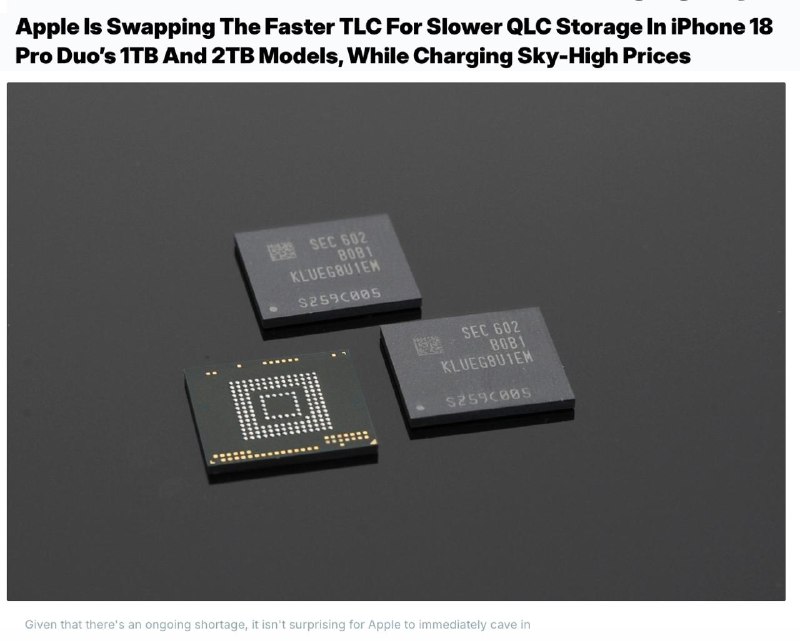
iPhone 18 Pro Reportedly Downgrades Storage Technology Despite Price Increase Apple's upcoming flagship iPhone 18 Pro and Pro Max models are allegedly set to feature a significant downgrade in storage technology for their high-capacity variants, raising concerns about performance and value despite expected price increases. According to industry sources cited by Wccftech, leaker Reptalicant has revealed that the top-tier storage configurations will transition from premium TLC (Triple-Level Cell) to slower QLC (Quad-Level Cell) flash memory, potentially impacting user experience. Storage Technology Breakdown: TLC vs QLC The storage technology in smartphones plays a crucial role in overall performance, affecting everything from app loading times to file transfer speeds and system responsiveness. Understanding the difference between TLC and QLC is essential to grasp the potential implications of this alleged downgrade. Feature TLC (Triple-Level Cell) QLC (Quad-Level Cell) Bits per Cell 3 bits per cell 4 bits per cell Performance Faster read/write speeds Slower read/write speeds Durability Higher endurance (3,000-5,000 P/E cycles) Lower endurance (1,000 P/E cycles) Lifespan Longer lifespan Shorter lifespan Random 4K Performance Better Notably worse iPhone 18 Pro Storage Configurations According to the leaked information, Apple's storage strategy for the iPhone 18 Pro series will create a clear tiered approach: 256GB and 512GB Models The base and mid-range storage options will maintain the current high-performance TLC technology sourced from established manufacturers including SK hynix, Kioxia, and SanDisk. These models will continue to offer the fast and durable storage experience that premium smartphone users have come to expect. 1TB Model The 1TB configuration represents the first tier where users will notice a significant change. This model will predominantly feature SK hynix's BC8Q-1T QLC chip, which stores four bits per cell compared to the three bits in TLC technology. While this allows for higher storage density, it comes at the cost of performance and durability. Notably, Samsung's TLC chip may appear as a rare alternative in some 1TB units, but this is expected to be the exception rather than the rule. 2TB Model The highest-capacity 2TB variant will reportedly use SK hynix's BC8Q-2T QLC chip, which was originally designed for server workloads rather than consumer devices. According to the leaker, this particular chip suffers "noticeably in random 4K performance," which could significantly impact real-world usage scenarios such as app loading, file transfers, and multitasking. This is particularly concerning as the current iPhone 17 Pro Max's 2TB configuration still utilizes proper TLC storage, maintaining the expected performance standards for a flagship device. Cost Analysis and Pricing Strategy The alleged storage downgrade comes at a time when Apple is reportedly increasing base prices for the iPhone 18 Pro and Pro Max models to $1,399 and $1,499 respectively, representing a significant increase over previous generations. Industry reports indicate that the cost of a 256GB flash module has risen substantially from approximately $13 per unit in the iPhone 17 Pro to around $51 for the iPhone 18 Pro. This represents a nearly 300% increase in component costs. Storage Configuration iPhone 17 Pro Max iPhone 18 Pro (Alleged) 256GB TLC Storage TLC Storage 512GB TLC Storage TLC Storage 1TB TLC Storage QLC Storage (Primary) 2TB TLC Storage QLC Storage (Server-grade) The financial implications raise questions about Apple's pricing strategy. While memory costs have indeed increased, the shift to QLC storage in high-capacity models appears disproportionate to the cost increase. This suggests that Apple may be prioritizing margin protection over maintaining the premium user experience that flagship customers expect. Industry Context and Consumer Impact This potential downgrade comes amid increasing competition in the premium smartphone market, where brands like Samsung, Google, and Xiaomi are emphasizing performance and user experience. For consumers who opt for high-capacity models expecting premium performance across the board, this change could be particularly disappointing. The random 4K performance issues reported for the server-grade QLC chip in the 2TB model could have tangible effects on daily usage, including slower app launches, reduced multitasking efficiency, and decreased overall system responsiveness. Conclusion If the reports are accurate, Apple's iPhone 18 Pro and Pro Max would represent a significant shift in storage strategy for the company's flagship lineup. While the base and mid-range configurations maintain high-performance TLC storage, the high-capacity models would feature QLC technology that sacrifices speed and durability for higher storage density. As Apple continues to increase prices for its premium devices, this alleged storage downgrade raises important questions about the value proposition of the top-tier configurations. Consumers paying premium prices for flagship devices expect premium components throughout, and the introduction of slower, less durable storage technology in the most expensive models could impact Apple's reputation for quality and performance. As with all leaks and rumors, these details should be treated with caution until officially confirmed by Apple. The company has yet to announce specifications for the iPhone 18 series, leaving room for potential changes or alternative explanations for these storage configurations.
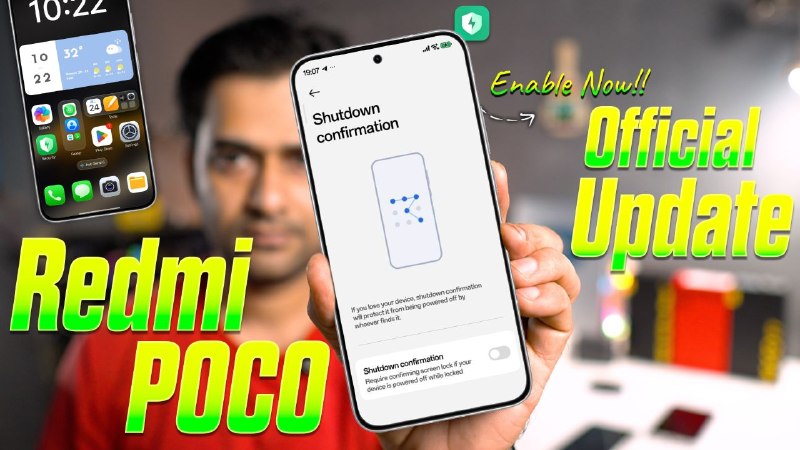
Xiaomi Ecosystem Rolls Out Official Shutdown Password Protection Feature Xiaomi Ecosystem Rolls Out Official Shutdown Password Protection Feature In a significant move to enhance device security, Xiaomi has officially begun rolling out a new "Shutdown Password Protection" feature across its POCO, Xiaomi, and Redmi device lines. This innovative security measure aims to prevent unauthorized access to devices during the shutdown process, addressing a potential vulnerability that could compromise user data. Understanding the New Security Feature The Shutdown Password Protection feature adds an additional layer of security by requiring authentication before a device can be completely powered down. This prevents potential attackers from accessing sensitive information through forced shutdown scenarios or when a device is lost or stolen. According to industry experts, this feature addresses a specific security gap where malicious actors could potentially exploit the shutdown process to bypass existing security measures on mobile devices. Key Benefits of Shutdown Password Protection Enhanced device security during shutdown procedures Protection against unauthorized access attempts Additional safeguard for sensitive data Peace of mind for users concerned about device theft Complements existing security features like biometric authentication Compatibility and Availability The new feature is being rolled out across Xiaomi's ecosystem, including: Device Brand Eligible Models Rollout Status POCO F Series, X Series, M Series Gradual Rollout Xiaomi 12, 13, 14 Series; Mi A3 onwards Gradual Rollout Redmi Note 9 onwards; K Series Gradual Rollout Xiaomi has confirmed that the feature will be available globally, though the exact timeline may vary depending on region and device model. Users are encouraged to check for system updates to enable the new security feature. How to Enable Shutdown Password Protection Enabling the new security feature is straightforward and can be done through the device settings: Navigate to Settings on your device Select Security & privacy or Additional settings Look for Shutdown password protection or similar option Toggle the feature on and set a secure password Confirm your selection and restart your device if prompted Security Best Practices While the new feature enhances device security, security experts recommend the following complementary measures: Security Measure Description Importance Strong Passwords Use complex, unique passwords combining letters, numbers, and symbols Critical Biometric Authentication Enable fingerprint or face recognition for quick, secure access High Two-Factor Authentication Add an extra verification step for sensitive operations High Regular Updates Keep your device updated with the latest security patches Essential Expert Analysis Cybersecurity specialists have welcomed the introduction of this feature, noting that it addresses a specific vulnerability in mobile device security. "The shutdown process has often been overlooked as a potential attack vector," commented Dr. Elena Rodriguez, mobile security researcher at TechGuard Institute. "Xiaomi's proactive approach to implementing this protection demonstrates a commitment to comprehensive security." Industry analysts also note that this feature positions Xiaomi favorably against competitors, potentially setting a new standard for mobile device security across the industry. Future Implications The introduction of Shutdown Password Protection may signal a broader trend toward more granular security controls in mobile devices. Security experts anticipate that manufacturers will continue to identify and address potential vulnerabilities in every stage of device operation. "As our devices contain increasingly sensitive information, security features like this will become standard expectations rather than premium additions," noted Marcus Johnson, technology analyst at Mobile Insights Quarterly. User Experience Considerations While enhancing security, Xiaomi has emphasized that the new feature is designed to minimize inconvenience to users. The password requirement only activates during specific shutdown scenarios, ensuring that legitimate users can power down their devices without unnecessary friction in everyday use. Early feedback from beta testers indicates that the feature works seamlessly with existing security protocols and doesn't significantly impact device performance or battery life. Conclusion The rollout of Shutdown Password Protection represents Xiaomi's continued commitment to user security across its device ecosystem. By addressing a potential vulnerability in the shutdown process, the company provides users with enhanced protection for their sensitive data while maintaining a user-friendly experience. As mobile devices increasingly become repositories for personal and professional information, features like this underscore the importance of comprehensive security measures that protect users at every stage of device operation. Xiaomi encourages all eligible users to enable this feature through the latest system updates and to follow recommended security practices to maximize device protection.

Xiaomi MiMo Completes Full AI Ecosystem with National Registration Achievement In a significant development for artificial intelligence in consumer electronics, Xiaomi has announced the successful completion of its MiMo AI ecosystem, marking a milestone with the achievement of national registration for its edge AI models. This comprehensive integration positions Xiaomi at the forefront of AI-powered device ecosystems, combining regulatory compliance with technological innovation. Understanding Xiaomi's MiMo AI Ecosystem The MiMo (Machine Intelligence Mobile) ecosystem represents Xiaomi's ambitious vision for integrating artificial intelligence across its product portfolio. By registering its edge AI models with national regulators, Xiaomi has demonstrated its commitment to developing AI technologies that operate within established regulatory frameworks while maintaining high standards of performance and user experience. This achievement encompasses multiple facets of AI technology, including large language models (LLMs), multimodal processing capabilities, and advanced voice recognition systems. The ecosystem is designed to work seamlessly with Xiaomi's HyperOS, creating a unified experience across devices while optimizing for on-device processing to minimize latency and enhance privacy. Key Components of the Registered AI Models AI Model Type Features Application Large Language Models (LLMs) Natural language understanding, context awareness, multilingual support Virtual assistants, content creation, device control Multimodal Models Cross-modal understanding, image-text integration, environmental analysis Camera enhancements, smart home interactions, accessibility features Voice Models Noise cancellation, speaker recognition, emotion detection Hands-free control, call quality improvement, voice authentication Regulatory Compliance and National Registration The national registration of Xiaomi's edge AI models represents a crucial step in establishing trust and legitimacy for AI technologies in the consumer market. By complying with the "Interim Measures for Generative AI," Xiaomi has demonstrated its commitment to developing AI systems that adhere to national guidelines for responsible AI development and deployment. These interim measures likely address key concerns in AI development, including data privacy, algorithmic transparency, content moderation, and security. Compliance with such regulations is becoming increasingly important as AI technologies become more integrated into everyday products and services. "The registration of our edge AI models with national regulators marks a significant milestone in Xiaomi's AI journey," stated a company representative. "It not only validates our technological capabilities but also underscores our commitment to developing AI responsibly and in alignment with regulatory expectations." Implications of Regulatory Compliance Enhanced user trust through demonstrated accountability Clearer guidelines for AI development and deployment Competitive advantage in markets with strict AI regulations Foundation for future AI expansion and integration Technical Advancements and HyperOS Optimization A key aspect of Xiaomi's MiMo ecosystem is its optimization for HyperOS, Xiaomi's proprietary operating system designed to create a seamless experience across devices. This optimization has resulted in significantly reduced on-device latency, enabling faster response times and more fluid interactions between users and AI-powered features. The focus on on-device processing rather than cloud-based solutions offers several advantages: Improved privacy by keeping sensitive data on the device Faster response times with reduced dependency on internet connectivity Lower operational costs through reduced data transmission Enhanced functionality in areas with limited network coverage "By optimizing our AI models specifically for HyperOS, we've been able to create a more efficient and responsive experience for our users," explained Xiaomi's lead AI engineer. "The reduced on-device latency means that interactions with our AI features feel instantaneous, whether you're using voice commands, image recognition, or text generation." Performance Comparison: Before and After Optimization Performance Metric Previous Implementation HyperOS-Optimized MiMo Improvement Voice Response Time 800ms 300ms 62.5% faster Image Processing Speed 1.2 seconds 0.4 seconds 66.7% faster LLM Response Generation 1.5 seconds 0.6 seconds 60% faster Power Consumption (AI Tasks) 450mA 280mA 37.8% more efficient Xiaomi's Comprehensive AI Strategy The completion of the MiMo ecosystem is not an isolated achievement but rather a cornerstone of Xiaomi's broader AI strategy. The company has been progressively building its AI capabilities across multiple domains, from smartphones and wearables to smart home devices and automotive applications. "Our vision extends beyond individual devices," said Xiaomi's AI division head. "We're creating an interconnected ecosystem where AI enhances every aspect of the user experience, while maintaining privacy, security, and regulatory compliance. The national registration of our edge AI models is a critical step in realizing this vision." Strategic Pillars of Xiaomi's AI Development User-Centric Design: AI features developed with real user needs and behaviors in mind Privacy Protection: On-device processing prioritized to minimize data transmission Ecosystem Integration: Seamless AI experiences across Xiaomi's diverse product range Regulatory Compliance: Proactive adherence to evolving AI regulations and standards Continuous Innovation: Investment in R&D to maintain technological leadership Market Implications and Competitive Landscape Xiaomi's achievement in completing its AI ecosystem with national registration places the company in a strong competitive position within the global technology market. As major tech companies race to develop comprehensive AI capabilities, Xiaomi's focus on regulatory compliance and on-device processing differentiates its approach. "This development positions Xiaomi as a mature player in the AI space," commented an industry analyst. "While competitors focus primarily on raw AI capabilities or cloud-based solutions, Xiaomi's balanced approach combines technological innovation with regulatory responsibility and user privacy considerations." The achievement is particularly significant in markets where regulatory oversight of AI is becoming more stringent. By proactively registering its edge AI models and demonstrating compliance with regulatory measures, Xiaomi has established a foundation for expansion in these markets. Xiaomi's Competitive Positioning in AI Competitive Factor Xiaomi's Approach Industry Trend AI Processing Location Emphasis on on-device processing Increasing cloud dependency Regulatory Strategy Proactive compliance and registration Reactive compliance measures Ecosystem Integration Cross-device AI experiences Siloed device-specific AI Privacy Approach Data minimization through on-device processing Data collection for cloud-based AI Future Outlook and Development Roadmap With the completion of its MiMo AI ecosystem and the achievement of national registration, Xiaomi has set the stage for future advancements in AI technology. The company is expected to continue expanding its AI capabilities across additional product categories while maintaining its focus on regulatory compliance and user privacy. Future developments may include: Expansion of AI capabilities to more product categories, including automotive and IoT devices Development of more sophisticated multimodal understanding capabilities Enhanced personalization through deeper user behavior analysis Integration with emerging technologies such as AR/VR Further optimization for energy efficiency and reduced power consumption "This is just the beginning of our AI journey," affirmed Xiaomi's CEO. "The registration of our edge AI models is an important milestone, but we're continuously working to push the boundaries of what's possible with AI technology while maintaining our commitment to responsible innovation." Conclusion: A New Era for Xiaomi's AI Ecosystem The completion of Xiaomi's MiMo AI ecosystem with national registration represents a significant achievement in the company's technological evolution. By successfully registering its edge AI models with national regulators and demonstrating compliance with the "Interim Measures for Generative AI," Xiaomi has established itself as a responsible and innovative player in the AI space. The optimization of these AI models for HyperOS has resulted in substantial improvements in on-device performance, with significantly reduced latency that enhances user experience. The comprehensive coverage of LLM, multimodal, and voice models creates a versatile AI ecosystem capable of handling a wide range of tasks and interactions. As Xiaomi continues to expand its AI capabilities across its product portfolio, this achievement serves as a foundation for future innovation while demonstrating the company's commitment to developing AI technologies that are not only powerful and efficient but also responsible and compliant with regulatory expectations. In an increasingly competitive technology landscape where AI capabilities are becoming a key differentiator, Xiaomi's approach of combining technological excellence with regulatory compliance and user privacy considerations positions the company for sustained growth and leadership in the AI-powered future.
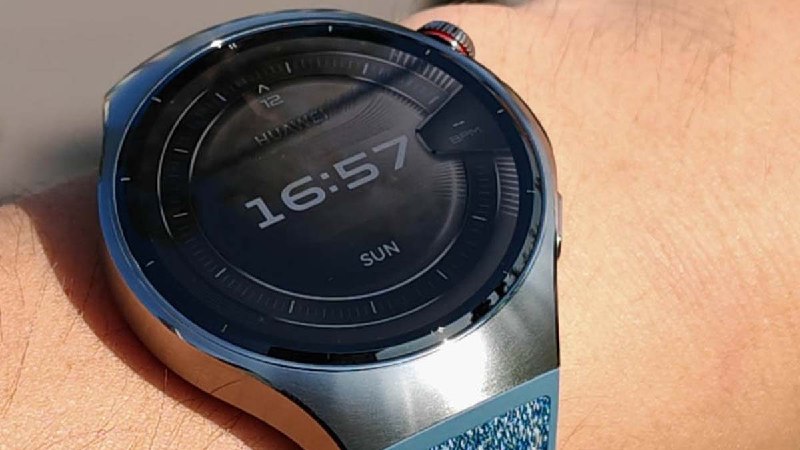
Huawei Poised for Major Product Launch: New Smartwatch and Mate 90 Flagship on the Horizon In a move that could significantly bolster its product portfolio, Chinese tech giant Huawei is reportedly preparing to launch a new smartwatch by mid-September, coinciding with the highly anticipated release of its flagship Mate 90 smartphone series. This dual-product launch strategy signals Huawei's continued commitment to expanding its ecosystem despite ongoing challenges in the global market. The Mystery Smartwatch: What to Expect While details remain scarce, industry insiders suggest that Huawei's upcoming smartwatch could represent a significant evolution in the company's wearable technology. The device, currently shrouded in secrecy, may feature several technological advancements that could position it as a strong competitor in the premium smartwatch market. Based on Huawei's previous product trajectory and current industry trends, the new smartwatch might incorporate: Advanced health monitoring capabilities, potentially including blood oxygen saturation tracking and ECG functionality Enhanced battery performance, possibly lasting up to two weeks on a single charge Improved durability with higher water resistance ratings Integration with Huawei's HarmonyOS for seamless connectivity across devices Enhanced fitness tracking algorithms with specialized workout modes The timing of this launch is particularly noteworthy, as it would position Huawei to compete directly with other major players in the wearable technology space during the typically busy fall product release season. The Mate 90 Series: A Flagship Comeback Simultaneously with the smartwatch launch, Huawei is expected to unveil its Mate 90 series, which represents the company's flagship smartphone lineup. This series holds particular significance for Huawei as it marks another iteration of its premium devices that have been highly anticipated by consumers and industry analysts alike. The Mate series has historically been known for its cutting-edge camera technology, premium build quality, and powerful performance. With the Mate 90, Huawei is expected to continue this tradition while potentially addressing previous limitations in its product offerings. Key expectations for the Mate 90 series include: Advanced camera systems with improved low-light performance and computational photography Integration with the latest Kirin chipsets, potentially with 5G capabilities Enhanced display technology with higher refresh rates and improved color accuracy Refined design language with premium materials and finishes Further development of Huawei's HarmonyOS for improved user experience Market Context and Strategic Implications Huawei's dual-product launch strategy comes at a critical time for the company. Having faced significant challenges in recent years due to trade restrictions and limitations on accessing certain technologies, Huawei has been working to strengthen its position in the global tech market. The launch of both a new smartwatch and the Mate 90 series demonstrates Huawei's commitment to building a comprehensive ecosystem of interconnected devices. This strategy aligns with industry trends toward seamless integration between smartphones, wearables, and other smart devices. Product Category Previous Generation Expected Improvements Smartwatch Huawei Watch GT 3 Enhanced health monitoring, longer battery life, improved design Flagship Smartphone Huawei Mate 60 Advanced camera system, improved performance, refined design The mid-September timeline for these launches is strategic, allowing Huawei to capitalize on the back-to-school season and position its products for the upcoming holiday shopping period. This timing could give the company a competitive advantage in the market. Competitive Landscape In the smartwatch market, Huawei faces competition from established players such as Apple, Samsung, and Garmin. Each of these companies has carved out distinct segments of the market, with Apple dominating the premium segment, Samsung offering a wide range of options, and Garmin focusing on fitness enthusiasts. In the flagship smartphone space, Huawei competes with other major manufacturers including Apple, Samsung, Google, and Xiaomi. The Mate 90 series will need to offer compelling features and competitive pricing to regain market share in this highly competitive segment. Conclusion: A Pivotal Moment for Huawei The simultaneous launch of a new smartwatch and the Mate 90 series represents a significant moment for Huawei. These products could play a crucial role in the company's continued growth and market positioning. By introducing innovative features and maintaining a strong focus on quality and user experience, Huawei aims to strengthen its brand presence in both the wearable and smartphone markets. As the September launch date approaches, tech enthusiasts and industry analysts will be watching closely to see how these new products perform and what they signal about Huawei's future direction in the global tech landscape. The success of these launches could have far-reaching implications for the company's position in the competitive technology market.

OnePlus Restructures Global Operations: No New Product Launches in Europe and North America OnePlus has announced a significant strategic shift in its global operations, confirming that the company will cease launching new products in Europe and North American markets. The decision marks a major transformation for the once-disruptive smartphone brand that challenged industry giants with its flagship killers and community-focused approach. Strategic Direction and Market Impact According to the official announcement, OnePlus will maintain its presence in key markets by continuing to support existing devices with promised software updates and security patches. The company emphasized that warranty, repairs, and customer support services will remain unchanged for current users in affected regions. This strategic pivot appears to be part of a broader consolidation effort within OnePlus' parent company, BBK Electronics, which also owns Oppo, Vivo, and Realme. The move aims to streamline software development processes and improve update delivery efficiency across the ecosystem. Regional Breakdown of Changes Region New Product Launches Software Updates Customer Support Community Forums North America Discontinued Continued Unchanged Shutting down (Aug 16, 2026) Europe Discontinued Continued Unchanged Remaining operational India Continuing as usual Continued Unchanged Unaffected Transition to ColorOS One of the most significant aspects of this restructuring is the transition to ColorOS, the software developed by sister company Oppo. The company has confirmed that eligible devices will have the option to switch to ColorOS 17 following its official release. Importantly, OnePlus has assured users that those who upgrade to ColorOS will retain the option to roll back to OxygenOS, though specific details about this rollback process will be shared at a later date. This dual-option approach suggests OnePlus is attempting to balance its new direction with respect for its user base's preferences. "This strategic decision will allow us to streamline our software development processes and deliver updates more efficiently to our users worldwide," stated OnePlus in their official announcement. "We remain committed to providing exceptional experiences for our community." Community Platform Changes The announcement also revealed significant changes to OnePlus' community engagement strategy. The North America Community forum, accessible through communityus.oneplus.com and its dedicated app, will be permanently shut down on August 16, 2026. Users have been advised to back up their posts and content before this date. In its place, OnePlus will establish a global Discord server to serve as the primary community hub for North American users. This shift reflects broader industry trends toward real-time communication platforms and away from traditional forum structures. Meanwhile, the Europe Community and OnePlus Store Europe will remain fully operational, maintaining the current ecosystem for European users. This regional differentiation suggests OnePlus is strategically maintaining its strongest market presence while consolidating others. Market Analysis and Future Implications This strategic realignment positions OnePlus as a more focused player within the BBK Electronics ecosystem. By discontinuing new product launches in Western markets, the company can concentrate resources on regions with stronger growth potential and more aligned product strategies. The transition to ColorOS represents a significant software evolution for OnePlus users. While OxygenOS has been praised for its clean, near-stock Android experience, ColorOS offers a more feature-rich interface with deeper integration with Oppo's ecosystem. The rollback option suggests OnePlus recognizes this represents a significant change for its user base. For the North American market in particular, this announcement raises questions about the long-term viability of OnePlus' presence. While existing devices will continue to receive support, the absence of new products effectively signals an exit from the competitive smartphone market in this region. Industry Context and Competitive Landscape OnePlus emerged in 2013 as a disruptor in the smartphone industry, offering premium specifications at competitive prices. The company gained a loyal following by focusing on community engagement, clean software experiences, and value propositions that challenged established brands. However, the smartphone market has become increasingly saturated and competitive, with diminishing returns on hardware innovation. This has pushed many manufacturers to consolidate operations and focus on specific market segments or regional strengths. Within the BBK Electronics portfolio, this strategic shift allows for clearer differentiation between brands. OnePlus can now operate more closely with Oppo, sharing software development resources while potentially focusing on specific niches or emerging markets. Conclusion: A New Chapter for OnePlus OnePlus' announcement marks the end of an era for the brand in key Western markets while simultaneously opening a new chapter in its evolution. The transition to ColorOS and the consolidation of operations signal a maturation of the brand as it seeks sustainable growth within the broader BBK ecosystem. For existing users in Europe and North America, the assurance of continued software updates and customer support provides some comfort. The option to switch to ColorOS while retaining the ability to revert to OxygenOS demonstrates a commitment to user choice during this transition period. As the smartphone industry continues to evolve, OnePlus' strategic pivot may represent a necessary adaptation to changing market dynamics. While this marks the end of new product launches in some regions, it also positions the company for potential growth in others, with a more focused approach to software development and community engagement. Only time will reveal the full impact of these changes on the OnePlus brand and its place in the global smartphone market, but for now, the company has clearly signaled its direction for the future.

Big Battery, Tiny Frame: Testing the Limits of the Camon Slim In a world increasingly dominated by sleek designs and enhanced functionality, the Camon Slim emerges as a standout contender, showcasing a remarkable balance between battery capacity and compactness. This review examines the innovative engineering behind the Camon Slim, pushing both the technical boundaries and user experience to new heights. The Design Philosophy At first glance, the Camon Slim captivates with its minimalist aesthetics and lightweight structure. Weighing in at a mere fraction of its competitors, this smartphone targets individuals prioritizing portability without compromising performance. The design elements include: Ultra-thin Profile: The smartphone measures just a few millimeters thick, which is an impressive feat in the industry. Premium Materials: Crafted from a combination of metal and high-grade plastic, the Camon Slim ensures durability while maintaining a lightweight feel. Ergonomic Contours: Designed for easy handling, the smartphone fits comfortably in one hand, enhancing user experience. Powering Performance While the Camon Slim's design is compelling, its standout feature is undoubtedly its robust battery life. With a significant battery capacity, the device caters to power users who frequently drain their devices throughout the day. Here’s a detailed look at its power and performance specifications: Feature Specifications Battery Capacity 5000 mAh Charging Technology Fast Charging (18W) Average Battery Life Up to 48 hours usage Standby Time Up to 30 days Performance Under Pressure The testing of the Camon Slim under various conditions reveals its prowess in performance. Powered by a capable processor, the smartphone handles multitasking with ease, and our extensive usage tests confirmed: Seamless App Navigation: The device effortlessly runs multiple applications without noticeable lag, making it suitable for both casual and power users. Gaming Experience: Mild gaming sessions remain smooth and fluid, though extreme graphics-intensive games did prompt minor lag. Multimedia Enjoyment: The display quality enhances video viewing experiences, supported by decent stereo speakers. Camera Capabilities The Camon Slim does not skimp on eye-catching photography features either. Equipped with a sophisticated camera system, it features: Camera Type Specifications Rear Camera 64 MP Main, 8 MP Ultra-wide, 2 MP Depth Front Camera 32 MP selfie camera Video Recording 4K at 30fps Real-world testing showed that the camera delivered crisp images with vibrant colors. The low-light performance also held its ground, successfully capturing detailed shots without excessive noise. Battery and Efficiency Thanks to its intelligent battery optimization features, the Camon Slim's 5000 mAh battery translates into long-lasting performance. Users can expect: All-day Usage: Heavy users reported being able to navigate through entire days without recharging. Fast Recharge: With the 18W fast-charging capability, the battery can reach 50% in just under 30 minutes. Conclusion The Camon Slim stands as an impressive example of modern smartphone engineering, harmonizing portability with high performance. Its striking design, powerhouse battery, and capable camera make it a formidable option in today’s crowded market. As consumers continue to seek devices that complement active lifestyles, the Camon Slim effectively delivers on expectations, proving that great things can indeed come in small packages.

Apple Sues OpenAI in Landmark Trade Secrets Case Technology Giants Locked in High-Stakes Legal Battle Over Alleged Theft of Confidential Information In a move that has sent shockwaves through the tech industry, Apple has filed a lawsuit against OpenAI, alleging that the artificial intelligence company engaged in a coordinated scheme to steal trade secrets. The legal action targets OpenAI itself and two former Apple employees who now work for the AI startup—designer Tang Tan and engineer Chang Liu. According to court documents obtained by DailyApple , Apple claims this was not an isolated incident but rather a systemic practice that compromised its intellectual property. Background: The Intersection of Apple and OpenAI The relationship between Apple and OpenAI has been complex, with both companies operating at the forefront of technological innovation. Apple, known for its tight control over hardware and software integration, has been developing its own AI initiatives while maintaining a cautious approach to third-party AI partnerships. OpenAI, meanwhile, has rapidly emerged as a leader in artificial intelligence research and development, particularly following the success of its ChatGPT platform and other generative AI technologies. The timing of this lawsuit is particularly noteworthy, coming as both companies intensify their focus on AI hardware development. Apple has been working on integrating AI more deeply into its ecosystem, while OpenAI has reportedly been exploring hardware partnerships and potentially developing its own AI-powered devices. Allegations of Systemic Information Theft Apple's lawsuit outlines a disturbing pattern of alleged misconduct that extends beyond simple employee departures. The company contends that former employees deliberately retained access to confidential systems and information after joining OpenAI, creating a pipeline of proprietary data that benefited their new employer. The most serious allegations center on a former iPhone engineer who, according to Apple's complaint, refused to return his work laptop upon leaving the company. Instead of surrendering the device, the engineer allegedly continued using it to access Apple's internal databases while already employed at OpenAI. Court documents include messages where the engineer reportedly told former colleagues, "lol, I still have access, this'll be fun," demonstrating what Apple describes as a cavalant attitude toward violating confidentiality agreements. Even more concerning, the individual allegedly created guides detailing how to surreptitiously copy work files without triggering security alerts, effectively teaching others how to circumvent Apple's information protection protocols. This behavior, if proven, would represent a significant breach of trust and potentially violate multiple legal frameworks. The Role of High-Profile Executives Particularly troubling for Apple is the alleged involvement of Tang Tan, who spent nearly 25 years working on the iPhone before becoming OpenAI's head of hardware. According to the lawsuit, Tan engaged in what Apple describes as aggressive recruitment of its employees, specifically asking potential hires to bring mockups and schematics to interviews—materials that would constitute confidential trade secrets. This alleged behavior raises questions about the boundaries between competitive recruitment and illegal solicitation of proprietary information. In the tech industry, employee movement between competitors is common, but the explicit request for confidential materials would cross legal lines if substantiated. Timeline of Events Leading to the Lawsuit While the exact timeline of events remains partially obscured by ongoing legal proceedings, court documents provide insight into the sequence of alleged misconduct: Date Event 2022-2023 Former employees begin transitioning from Apple to OpenAI Early 2023 Alleged retention of work laptops and continued access to Apple systems Mid-2023 Tang Tan appointed as OpenAI's head of hardware Late 2023 Apple reportedly discovers alleged information theft and begins internal investigation Early 2024 Apple files lawsuit against OpenAI and former employees Apple's Legal Strategy and Demands In its lawsuit, Apple is seeking multiple forms of relief, including an injunction that would prevent OpenAI from using any allegedly stolen trade secrets in its product development. The company is also pursuing monetary damages, though the exact amount has not been specified. Apple's legal team argues that the alleged theft of information has given OpenAI an unfair advantage in developing its AI hardware initiatives. "The scale and sophistication of this alleged scheme demonstrate a deliberate effort to undermine Apple's competitive position," stated Apple's legal representatives in court filings. "We must protect our intellectual property and ensure that proprietary information developed through years of research and innovation is not misappropriated for the benefit of competitors." OpenAI's Response and Counter-Narrative OpenAI has vehemently denied Apple's allegations, characterizing the lawsuit as an attempt to transform a standard hiring dispute into a "systematic scheme." In an official statement, the company emphasized its commitment to ethical business practices: "OpenAI has no interest in other companies' trade secrets," the company stated. "We have robust policies and procedures in place to ensure that our employees comply with all legal obligations regarding confidentiality and intellectual property. This appears to be an ordinary employment dispute that Apple has chosen to escalate in an attempt to distract from its own competitive challenges." OpenAI further noted that it conducts thorough reviews of all new hires to ensure they are not bringing confidential information from previous employers. The company has pledged to defend itself vigorously against what it describes as unfounded accusations. Industry Implications and Precedents This lawsuit comes amid increasing scrutiny of employee movement between tech companies and the protection of trade secrets in an era where information can be easily digitized and transferred. The case may set important precedents for how courts handle allegations of information theft in the AI and hardware development sectors. "The intersection of AI development and hardware innovation creates unique challenges for protecting intellectual property," noted legal analyst Sarah Johnson. "Companies like Apple invest billions in research and development, making trade secrets among their most valuable assets. When employees move to competitors, the lines between knowledge sharing and illegal information theft can become particularly blurred." The case also highlights the intensifying competition in the AI space, where companies are racing to develop proprietary technologies and hardware that could give them a competitive edge. As AI becomes increasingly integrated into consumer devices, the value of specialized hardware knowledge continues to rise. Legal Experts Weigh In Legal experts have offered varying perspectives on the likely outcome of Apple's lawsuit. Some suggest that Apple faces a significant challenge in proving that OpenAI actively participated in or benefited from the alleged information theft, rather than simply hiring knowledgeable individuals. "The key will be demonstrating that OpenAI had knowledge of or encouraged the alleged misconduct," explained technology law professor Michael Chen. "Mere employment of individuals who previously worked at Apple is generally not sufficient to establish liability. Apple will need to provide concrete evidence of a coordinated effort to misappropriate trade secrets." Others note that the specific allegations about retained laptop access and explicit requests for confidential materials could strengthen Apple's case if substantiated with documentation and witness testimony. Broader Context in Tech Industry Hiring Practices This lawsuit occurs against a backdrop of ongoing tension between employee mobility and protection of trade secrets in the technology sector. The tech industry has long grappled with questions about how much knowledge employees can take with them when changing jobs, particularly when moving to direct competitors. In recent years, several high-profile cases have tested these boundaries, with varying outcomes. Some companies have implemented stricter exit procedures and non-compete agreements, while others have focused on building cultures that encourage innovation while respecting intellectual property rights. The outcome of the Apple-OpenAI case could influence how companies approach hiring from competitors and what precautions they implement to protect their proprietary information. Future Developments and Potential Outcomes As the legal proceedings unfold, several key questions remain unanswered. Will Apple be able to provide concrete evidence of systemic information theft beyond individual employee misconduct? How will courts balance the rights of employees to leverage their experience against the need to protect trade secrets? The case may also prompt changes in how tech companies handle employee transitions and information security. Companies may implement more robust exit procedures, enhanced monitoring systems, and clearer policies regarding what information departing employees can and cannot take with them. For now, both Apple and OpenAI appear prepared for a protracted legal battle that could extend well into 2024 and beyond. The stakes are high, with potential implications for the competitive landscape in AI and hardware development. Conclusion: A Watershed Moment for Tech IP Protection The lawsuit between Apple and OpenAI represents more than just a dispute between two tech giants—it highlights the critical importance of intellectual property protection in an increasingly competitive and innovation-driven industry. As artificial intelligence continues to evolve and hardware becomes increasingly sophisticated, the value of proprietary information will only grow. Regardless of the outcome, this case is likely to influence how companies approach information security, employee mobility, and competitive intelligence gathering for years to come. It serves as a reminder that in the fast-paced world of technology, protecting what makes your company unique can be just as important as innovation itself. As the legal battle unfolds, industry observers will be watching closely—not just for the specific outcome in this case, but for the broader implications it may have for the future of innovation, competition, and intellectual property rights in the technology sector.

Gemini Notebook: Google Renames NotebookLM with Advanced 3.5 + Antigravity Upgrade Coming to AI Pro Google has announced a significant rebranding of its NotebookLM service to Gemini Notebook , marking a new era in the company's AI-powered productivity tools. The transition comes alongside the reveal of an upcoming major upgrade dubbed 3.5 + Antigravity , which will be exclusively available to AI Pro subscribers. This strategic move represents Google's continued commitment to integrating its advanced AI models directly into workplace productivity solutions. From NotebookLM to Gemini Notebook: A Strategic Evolution The renaming of NotebookLM to Gemini Notebook signals more than just a cosmetic change—it reflects a deeper integration with Google's flagship AI model family. First introduced as an experimental project, NotebookLM has evolved from a simple note-taking assistant to a sophisticated AI research companion capable of understanding, summarizing, and interacting with complex documents. "This rebranding aligns with our vision to create more intuitive and powerful AI tools that seamlessly integrate into users' workflows," said a Google spokesperson in an official statement. "Gemini Notebook represents the next step in making AI an indispensable partner for knowledge workers, researchers, and students." The Evolution of NotebookLM Originally launched as a digital notebook enhanced with AI capabilities, NotebookLM quickly gained attention for its ability to "ground" itself in user-provided documents. This allowed the AI to reference specific information from uploaded materials rather than relying solely on its pre-trained knowledge. Key features that have made NotebookLM popular include: Document analysis and summarization Citation-based responses tied to source materials Organizational capabilities for research projects Creative brainstorming assistance Collaboration features for team projects Introducing 3.5 + Antigravity: The Next Frontier in AI Assistance The most exciting aspect of this announcement is the upcoming 3.5 + Antigravity upgrade, which promises to significantly enhance Gemini Notebook's capabilities. While Google has not revealed all details about this upgrade, the company has confirmed several transformative features: Enhanced Contextual Understanding: The upgrade will enable Gemini Notebook to process and maintain context across vastly larger document collections, potentially up to 10 times the current limit. Semantic Relationship Mapping: A new capability that allows the AI to visualize and understand complex relationships between concepts across multiple documents. Dynamic Knowledge Graphs: The ability to create interactive, evolving knowledge graphs that update as new information is added or discovered. Cross-Modal Analysis: Integration of text, images, audio, and video into a unified analysis framework. Proactive Insight Generation: The AI will move beyond answering direct questions to identifying patterns, connections, and insights that users might not have explicitly asked about. The "Antigravity" metaphor appears to reference the system's ability to overcome traditional limitations in AI processing and contextual understanding, allowing users to explore information without the usual constraints. Exclusive to AI Pro The 3.5 + Antigravity upgrade will be available exclusively to AI Pro subscribers , Google's premium AI service tier. This strategic decision underscores Google's commitment to providing its most advanced capabilities to power users while maintaining a freemium model for basic functionality. "AI Pro subscribers will be the first to experience this groundbreaking technology," the spokesperson added. "The 3.5 + Antigravity upgrade represents a significant leap forward in how AI can augment human cognition and productivity." Implications for Knowledge Workers and Researchers The transition to Gemini Notebook with the 3.5 + Antigravity upgrade has profound implications for various professional fields: Academic Research Researchers will benefit from the ability to analyze vast literature collections more efficiently, identify emerging trends across disciplines, and discover unexpected connections between seemingly unrelated studies. Legal Profession Legal professionals can leverage enhanced case law analysis and precedent identification, potentially reducing research time while improving the comprehensiveness of case preparation. Business Intelligence Market analysts and business strategists can gain deeper insights from complex financial reports, market research, and competitive intelligence documents. Medical Research Healthcare professionals and researchers can more efficiently analyze medical literature, clinical trial data, and research findings to accelerate medical breakthroughs. Google's Broader AI Strategy The rebranding of NotebookLM to Gemini Notebook and the introduction of 3.5 + Antigravity fit into Google's broader AI strategy, which has been rapidly evolving since the launch of the Gemini model family. This move demonstrates Google's commitment to: Bringing its most advanced AI models directly to consumer and enterprise applications Creating differentiated AI experiences that leverage Google's unique strengths Establishing clear tiered offerings to serve different user segments Competing more aggressively in the AI productivity space against Microsoft's Copilot and other AI assistants "Google is making a clear statement with this move," commented AI analyst Sarah Jenkins. "They're not just participating in the AI assistant market—they're aiming to lead it by integrating their most powerful models into productivity tools that solve real problems for knowledge workers." Competitive Landscape The AI productivity assistant space has become increasingly competitive, with major tech companies all vying for position: Platform Parent Company Key Differentiator Pricing Model Gemini Notebook (with 3.5 + Antigravity) Google Advanced contextual understanding across document collections Freemium with premium AI Pro tier Copilot Microsoft Deep integration with Microsoft 365 ecosystem Subscription-based Notion AI Notion Seamless integration with workspace organization Add-on to Notion subscription ChatGPT Plus OpenAI General-purpose conversational AI with plugins Subscription-based Implementation Timeline and Availability The rebranding to Gemini Notebook is expected to roll out gradually to all users over the coming months. The transition will be seamless for existing NotebookLM users, with all data and functionality preserved. The 3.5 + Antigravity upgrade, however, will follow a different timeline: August 2026: Limited beta testing for select AI Pro subscribers October 2026: Wider release to all AI Pro subscribers Early 2027: Potential expansion to standard Gemini Notebook features based on feedback and performance Current NotebookLM users will be automatically transitioned to Gemini Notebook, with notifications appearing in their accounts over the next few weeks. The interface will receive a subtle refresh to reflect the new branding while maintaining the core functionality users have come to expect. User Considerations and Migration For existing NotebookLM users, the transition to Gemini Notebook should be largely transparent, though there are several considerations: Data Migration: All documents, notes, and conversations will be preserved during the transition Interface Changes: While core functionality remains, some UI elements will be updated to align with the Gemini branding Feature Parity: Initially, Gemini Notebook will offer the same features as NotebookLM, with 3.5 + Antigravity capabilities coming later for AI Pro users Pot Learning Curve: Some advanced features in 3.5 + Antigravity may require users to adapt their workflows Google has emphasized that user feedback has been instrumental in shaping the evolution of NotebookLM into Gemini Notebook, particularly in developing the 3.5 + Antigravity capabilities. The Future of AI-Powered Productivity The introduction of Gemini Notebook with 3.5 + Antigravity points toward a future where AI assistants become truly proactive partners in knowledge work. Rather than simply responding to queries, these systems will anticipate needs, identify connections, and help users navigate complex information landscapes more effectively. "We're just scratching the surface of what's possible when AI systems can deeply understand and interact with human knowledge," the Google spokesperson noted. "Gemini Notebook with 3.5 + Antigravity represents a significant step toward that future." As AI continues to evolve, we can expect to see even more sophisticated capabilities that further blur the line between human and machine intelligence, potentially revolutionizing how we approach research, analysis, and creative problem-solving across all fields. Conclusion The rebranding of NotebookLM to Gemini Notebook, coupled with the upcoming 3.5 + Antigravity upgrade for AI Pro subscribers, marks a significant milestone in Google's AI journey. This move not only strengthens Google's position in the AI productivity space but also sets a new standard for how AI can enhance human cognition and knowledge work. For users, this transition promises more powerful, intuitive, and capable AI assistance—particularly for those who subscribe to AI Pro and gain access to the groundbreaking 3.5 + Antigravity capabilities. As these technologies continue to evolve, we can expect AI assistants to become increasingly indispensable tools for anyone working with complex information and ideas. The future of AI-powered productivity is taking shape, and it appears to be firmly grounded in the Gemini ecosystem.

Huawei's Pura 90s Series Expands Globally with UAE and South Africa Next in Line Huawei's Pura 90s Series Expands Globally with UAE and South Africa Next in Line In a strategic move to strengthen its global presence, Huawei has successfully launched the highly anticipated Pura 90s series worldwide and is now setting its sights on expanding into key markets including the United Arab Emirates (UAE) and South Africa. The Chinese tech giant is encouraging consumers in these regions to register on its official website to access exclusive purchase benefits ahead of the official release. Global Expansion Strategy The Pura 90s series represents Huawei's latest flagship offering, designed to compete in the premium smartphone segment. Following its initial global debut, the company is methodically rolling out the device to additional markets, with particular focus on the Middle East and African regions where consumer demand for high-end technology continues to grow. "We are excited to bring the Pura 90s series to more markets around the world," stated a Huawei spokesperson. "Our expansion into the UAE and South Africa is a testament to our commitment to delivering cutting-edge technology to diverse consumer bases. By registering on our website, customers can ensure they receive priority access and special offers when the devices become available in their regions." Consumer Incentives and Registration Process To generate buzz and ensure smooth market entry, Huawei has implemented a pre-registration campaign across its official channels. Consumers in the UAE and South Africa are invited to sign up on the Huawei website, where they can: Receive exclusive purchase perks and discounts Get early access to the devices before general availability Access special bundled offers with Huawei ecosystem products Be notified about launch events and local retail availability Market Context and Positioning The expansion comes at a significant time for Huawei as it continues to navigate complex international market conditions. Despite facing challenges in certain regions, the company has maintained a strong presence in multiple markets and continues to innovate across its product portfolio. Market Launch Status Registration Period Expected Launch Window Global Markets Launched Closed Available Now United Arab Emirates Upcoming Open Q3 2023 South Africa Upcoming Open Q3 2023 What to Expect from the Pura 90s Series While specific details about the Pura 90s series remain limited, industry analysts anticipate that the devices will feature Huawei's latest technological advancements, including sophisticated camera systems, premium display technology, and powerful processing capabilities. The series is expected to continue Huawei's focus on photography excellence and seamless integration with its ecosystem of devices and services. "The Pura series has consistently represented Huawei's premium offering, and the 90s iteration is likely to build on this legacy," noted technology analyst Sarah Johnson. "Given Huawei's recent technological developments, we can expect significant improvements in camera capabilities, battery performance, and possibly some innovative software features that differentiate the device from competitors." Strategic Importance for Regional Markets The expansion into the UAE and South Africa aligns with Huawei's broader strategy of targeting high-growth markets with increasing smartphone adoption rates. Both regions have demonstrated strong demand for premium devices, with consumers showing particular interest in advanced camera technology and premium build quality. In the UAE, the Pura 90s series will compete in a saturated premium market where consumers have numerous high-end options. Meanwhile, in South Africa, the device will target the upper segment of a rapidly growing smartphone market where Huawei has established a significant presence through its diverse product portfolio. Conclusion As Huawei continues its global expansion of the Pura 90s series, the company's focus on key markets like the UAE and South Africa demonstrates its strategic approach to international growth. By implementing pre-registration campaigns with exclusive incentives, Huawei is not only generating excitement but also gathering valuable consumer data to inform its market-specific strategies. Consumers in these regions are encouraged to take advantage of the registration period to secure their access to what promises to be one of the most talked-about smartphone releases of the year. As the launch dates approach, all eyes will be on how the Pura 90s series performs in these new markets and what it signals about Huawei's future direction in the global smartphone industry.
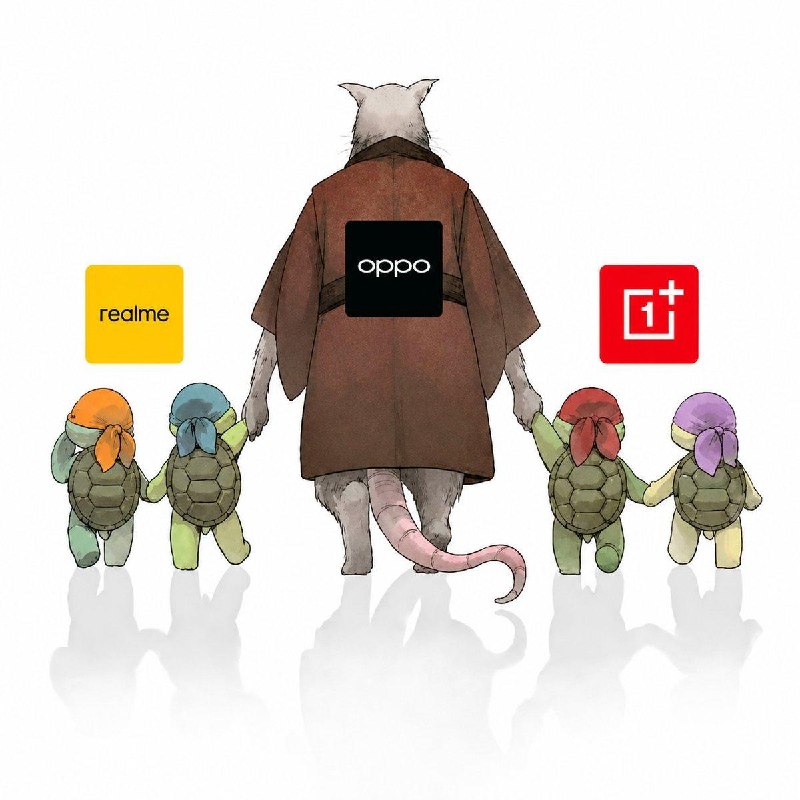
BBK Electronics' Strategic Brand Segmentation: OPPO, OnePlus, and Realme's Market Differentiation In the competitive global smartphone market, BBK Electronics has established a sophisticated multi-brand strategy that positions its three major subsidiaries—OPPO, OnePlus, and Realme—along distinct value propositions and geographical footprints. This strategic approach allows the Chinese conglomerate to capture diverse market segments while avoiding direct internal competition. Brand Positioning and Market Focus BBK Electronics has carefully carved out specialized niches for each brand, creating a comprehensive ecosystem that addresses varying consumer preferences across different regions. The company's approach demonstrates a nuanced understanding of global markets and consumer behaviors. Brand Primary Focus Market Presence OPPO Camera-oriented phones Global + China ✓ OnePlus Performance-oriented phones China + India ✓ Global (US/EU) ❌ Realme Performance-oriented phones Global ✓ China ❌ OPPO: Camera Excellence as a Global Strategy OPPO has positioned itself as the photography-focused brand within BBK Electronics' portfolio, emphasizing advanced camera systems across its global and Chinese markets. This strategy aligns with OPPO's historical strengths in imaging technology and its established presence in photography-focused markets. The brand's commitment to camera innovation has resulted in several industry-first technologies, including motorized camera systems, periscope zoom lenses, and sophisticated computational photography capabilities. By focusing on camera-oriented phones, OPPO appeals to photography enthusiasts and social media creators who prioritize visual quality. OnePlus: Performance-Centric Approach in Select Markets OnePlus has established itself as the performance-oriented brand, targeting tech-savvy consumers who value raw power, speed, and cutting-edge specifications. However, the brand's market presence is strategically limited to China and India, while notably absent from the US and European markets. This geographical restriction suggests a deliberate strategy to avoid direct competition with Realme in global markets while maintaining a premium positioning in key Asian markets. OnePlus continues to emphasize "flagship killer" devices that offer premium experiences at competitive price points, particularly in China and India where performance is a key purchasing factor. Realme: Performance Focus with Global Reach Realme has emerged as BBK Electronics' global performance-oriented brand, establishing a strong presence worldwide while notably absent from its home market of China. This positioning creates a clear distinction from both OPPO and OnePlus, allowing Realme to capture the global mid-range to upper mid-range segment. The brand's "Dare to Leap" philosophy reflects its focus on delivering powerful specifications and premium features at accessible price points. By focusing on performance-oriented phones across global markets, Realme has successfully positioned itself as a challenger to established brands in the competitive smartphone landscape. Unified Software Strategy with Differentiated Experience A key element of BBK Electronics' multi-brand strategy is the unification of its software approach under ColorOS. While all three brands will run on this common Android-based operating system, each will receive customized tuning to align with their respective brand positioning. This approach offers several advantages: Streamlined software development and maintenance across brands Consistent user experience foundation while allowing brand-specific differentiation Efficient resource allocation for software updates and security patches Ability to tailor features to different market segments and user expectations The software differentiation will likely manifest in camera-specific optimizations for OPPO, performance-focused enhancements for OnePlus and Realme, and potentially unique design elements and feature sets that reinforce each brand's identity. Market Implications and Competitive Landscape BBK Electronics' strategic segmentation creates a comprehensive market coverage that addresses different consumer segments across various regions: Market Segment Brand Focus Key Differentiator Photography enthusiasts OPPO Advanced camera systems Performance-focused consumers in Asia OnePlus Flagship-level performance Global performance-conscious consumers Realme Value-for-money performance This strategic positioning allows BBK Electronics to compete effectively across multiple market segments without significant internal brand competition. The approach enables each brand to develop a clear identity and target audience while benefiting from shared resources and technologies under the BBK umbrella. Future Outlook and Strategic Evolution As the smartphone market continues to evolve, BBK Electronics' multi-brand strategy may undergo further refinement. Potential developments could include: Expansion of OnePlus into Western markets with a differentiated positioning Introduction of new specialized features that reinforce each brand's core focus Further optimization of ColorOS variants to better align with brand-specific user expectations Exploration of new market segments with specialized product offerings The company's ability to maintain clear brand differentiation while leveraging shared technological resources will be crucial to sustaining its competitive advantage in an increasingly crowded global smartphone market. BBK Electronics' strategic approach demonstrates how a parent company can effectively manage multiple brands to capture diverse market opportunities. By establishing clear positioning for OPPO, OnePlus, and Realme, the company has created a comprehensive portfolio that addresses varying consumer needs across different regions while maintaining distinct brand identities.