 TechOffice
Samsung Health AI Consent: From Outrage to Clarification
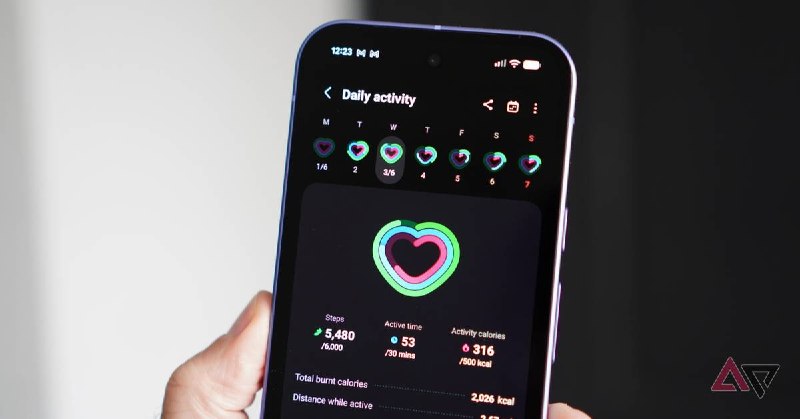
Samsung Health's AI Consent Controversy: How a Misunderstanding Sparked Privacy Concerns
In an era where data privacy has become paramount concern for technology users, recent events surrounding Samsung Health's artificial intelligence consent options have created quite a stir. What began as widespread outrage over apparent privacy violations has since been revealed as a significant misunderstanding about how user data is handled. This comprehensive examination explores the incident, its resolution, and the broader implications for digital health platforms.
Background: Samsung Health and Its AI Evolution
Samsung Health has evolved from a simple step counter to a comprehensive health and wellness platform. With millions of users worldwide, the application tracks everything from physical activity and sleep patterns to nutrition and vital signs. As part of its continuous innovation, Samsung has increasingly integrated artificial intelligence to provide personalized health insights and recommendations.
The recent update introduced AI-powered features designed to analyze user data more effectively, offering tailored health guidance based on individual patterns. However, this enhancement came with a new consent prompt that would soon become the center of a privacy controversy.
The Controversy Unfolds
The controversy began when users reported that declining Samsung's new AI consent option appeared to not delete their health data as expected. The consent prompt presented users with two choices: accept AI-powered features or decline them. According to initial reports, users who chose to decline were surprised to find that their historical health data remained accessible within the app.
What sparked particular outrage was the interpretation that Samsung might be continuing to analyze user data even after explicit consent was denied. Privacy advocates and concerned users took to social media, with some threatening to switch to competing health platforms that appeared more transparent about data handling.
User Concerns at a Glance
- Explicit consent denial not resulting in data deletion
- Potential continued data analysis without permission
- Unclear communication about data retention policies
- Perceived violation of user privacy rights
Samsung's Clarification
Following the mounting concerns, Samsung issued an official clarification that revealed a critical misunderstanding about how the consent system actually functioned. The company explained that declining AI consent did not mean deleting existing health data—rather, it simply prevented the application from using AI to analyze future data.
"The consent prompt was designed to give users control over how their data is processed, not to delete their health history," explained Samsung in a statement. "Health data is maintained for the user's benefit and continues to be accessible in the app regardless of AI consent settings."
Technical Breakdown: How the Consent System Works
To better understand the situation, it's essential to examine the technical architecture of Samsung Health's data handling. The application maintains two distinct types of data processing:
| Data Processing Type | When AI Consent is Accepted | When AI Consent is Declined |
|---|---|---|
| Historical Data Storage | Data remains accessible in the app | Data remains accessible in the app |
| AI Analysis | AI analyzes data to provide insights | AI does not analyze data |
| Basic Functionality | All features remain operational | All features remain operational |
| Data Deletion | Manual deletion required |
This technical clarification highlights that the consent option was specifically about AI processing capabilities, not about data retention. Users would need to manually delete their data if they wished to remove it from the platform, regardless of AI consent settings.
Privacy Implications and Industry Standards
The Samsung Health incident raises important questions about data privacy in health applications and the expectations users have regarding consent mechanisms. Health data is among the most sensitive personal information, making its handling particularly critical.
Industry experts note that most health platforms maintain user data for historical purposes even when specific analytical features are disabled. This approach allows users to maintain their health records while still controlling how that information is processed.
"The challenge for tech companies is balancing user privacy with the practical need to maintain health data," explained Dr. Elena Rodriguez, a digital health privacy expert. "Samsung's case highlights the importance of clear communication about what consent options actually mean in practice."
Best Practices for Health Data Consent
- Clear, unambiguous language in consent prompts
- Separation of data storage and processing permissions
- Granular control over different types of data usage
- Easily accessible data deletion options
- Transparent communication about data handling policies
User Reactions and Industry Response
Following Samsung's clarification, reactions were mixed. Some users appreciated the transparency, while others remained concerned about the initial lack of clarity. The incident sparked broader discussions about consent mechanisms in digital products.
"While I understand Samsung's explanation, the initial prompt was misleading," said one user in an online forum. "It should have been clearer that declining AI consent wouldn't delete my data."
Competing health platforms seized the opportunity to highlight their own transparent approaches to data consent. Companies like Google Fit and Apple Health emphasized their clear separation between data storage and analytical permissions.
Lessons Learned
The Samsung Health controversy offers several valuable lessons for both technology companies and users:
For Companies:
- Consent mechanisms must be unambiguous and clearly explained
- Separate different types of permissions (storage vs. processing)
- Provide educational materials about how data is handled
- Implement intuitive interfaces that guide users through privacy settings
For Users:
- Read privacy policies and consent options carefully
- Understand the difference between data storage and processing
- Regularly review app permissions and data settings
- Be aware that deleting data is typically a separate action from disabling features
Conclusion: Moving Toward Greater Transparency
The Samsung Health AI consent controversy, while ultimately based on a misunderstanding, serves as an important case study in digital privacy communication. As health technology continues to evolve, the need for clear, transparent, and user-friendly privacy controls becomes increasingly critical.
Samsung has since updated its consent prompts to provide clearer explanations about what declining AI options actually means. The company has also enhanced its educational resources to help users better understand their data privacy choices.
As digital health platforms become more sophisticated, the industry must prioritize not just innovative features, but also the clarity and transparency that users deserve. The Samsung Health incident reminds us that in the complex landscape of data privacy, communication is just as important as technology itself.
Samsung Health's AI consent sparked outrage, but it turns out it was all just a misunderstanding https://www.androidpolice.com/samsung-health-ai-consent-decline-doesnt-delete-data/ Samsung Health's AI consent sparked outrage, but it turns out it was all just a misunderstanding https://www.androidpolice.com/samsung-health-ai-consent-decline-doesnt-delete-data/


