 TechOffice
Samsung's Breakthrough Fluid AI Design System Pioneers New Era of Generative Design
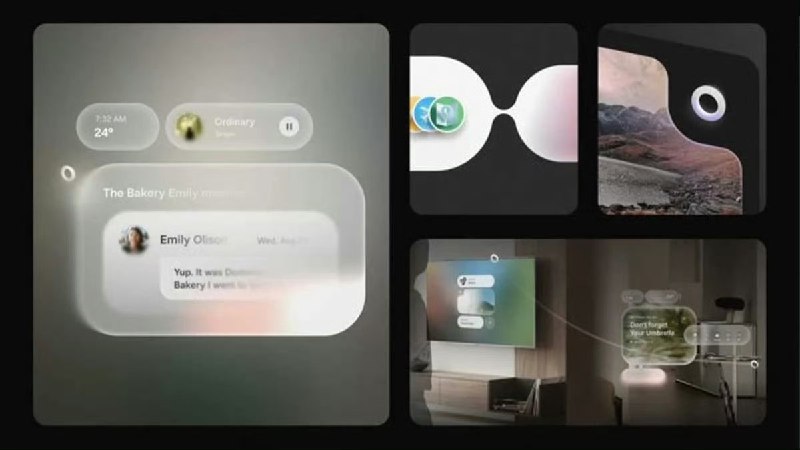
Samsung Unveils Fluid AI Design System: A Revolutionary Generative Design Philosophy
In a groundbreaking announcement that promises to reshape the future of product design, Samsung Electronics has unveiled its innovative Fluid AI Design System, a comprehensive generative design philosophy built around artificial intelligence. This ambitious initiative represents a significant leap forward in how Samsung approaches design across its vast ecosystem of products, from smartphones and wearables to home appliances and automotive displays.
The Fluid AI Design System is not merely a new design language but a fundamental reimagining of the design process itself, leveraging cutting-edge AI algorithms to create more intuitive, responsive, and aesthetically pleasing user interfaces while significantly accelerating development cycles.
Understanding the Fluid AI Design System
At its core, the Fluid AI Design System represents a paradigm shift from traditional design methodologies. Instead of relying solely on human designers to create every element, Samsung's new approach utilizes AI to generate design components that adapt to different contexts, user preferences, and device specifications.
The system is built on three fundamental principles:
- Adaptive Intelligence - Design elements that dynamically adjust based on usage patterns and environmental factors
- Generative Creativity - AI-assisted creation of novel design solutions within established parameters
- Cross-Platform Consistency - Seamless design experiences across all Samsung devices and services
Technical Architecture
The Fluid AI Design System is powered by a sophisticated neural network architecture trained on millions of design elements and user interactions. This deep learning model analyzes existing Samsung design patterns, industry best practices, and emerging design trends to generate new components that maintain brand consistency while pushing creative boundaries.
Key technical components include:
- A proprietary design language model (DLM) that understands context and intent
- Real-time adaptation algorithms that respond to user behavior and environmental conditions
- Automated compliance with accessibility standards and design guidelines
- Dynamic component generation that scales across different screen sizes and form factors
Key Features and Capabilities
The Fluid AI Design System introduces several revolutionary features that set it apart from conventional design approaches:
1. Context-Aware UI Elements
Interface components that intelligently adapt their appearance, layout, and functionality based on contextual factors such as time of day, location, user activity, and device capabilities. For example, a music player interface might transform its visual elements when connected to different audio devices or when the user is in motion versus stationary.
2. Generative Component Library
An extensive library of design elements that can be dynamically generated to meet specific needs while maintaining brand consistency. This includes buttons, icons, layouts, and animations that can be customized on-the-fly without requiring manual design intervention for each variation.
3. Predictive User Experience
By analyzing user behavior patterns, the system anticipates needs and proactively adjusts the interface to streamline workflows. This predictive capability reduces cognitive load on users and creates more intuitive interactions.
4. Cross-Device Experience Continuity
Seamless transitions between devices with contextual awareness that maintains user workflow continuity. For instance, starting a task on a smartphone and having the interface adapt appropriately when transitioning to a tablet or desktop environment.
5. Accessibility by Design
Built-in accessibility features that are automatically applied based on user preferences and system capabilities. The system generates designs that comply with accessibility standards without requiring separate design considerations.
Industry Impact: The Fluid AI Design System represents one of the most ambitious implementations of AI in consumer product design to date, potentially setting new standards for the entire industry.
Applications Across Samsung's Ecosystem
The Fluid AI Design System will be implemented across Samsung's diverse product portfolio, ensuring a cohesive experience while optimizing for each device's unique characteristics:
Mobile Devices
On smartphones and tablets, the system will enable more responsive interfaces that adapt to usage patterns, battery status, and environmental conditions. Dynamic home screens, predictive app suggestions, and context-aware notification systems will create more personalized experiences.
Wearables
For smartwatches and other wearable devices, the system will optimize interfaces for smaller screens while maintaining functionality. Adaptive layouts and gesture-based interactions will enhance usability in various contexts.
Home Appliances
Connected home devices will benefit from intuitive interfaces that adapt based on usage patterns and environmental data. Smart refrigerators, washing machines, and other appliances will feature more responsive controls and automated settings suggestions.
Automotive Integration
In Samsung's automotive displays and infotainment systems, the Fluid AI Design System will create safer, more intuitive interfaces that adapt to driving conditions and driver preferences.
Development Process and Designer Experience
Contrary to concerns about AI replacing designers, Samsung emphasizes that the Fluid AI Design System is designed to augment human creativity rather than replace it. The system provides designers with powerful tools to explore more possibilities while maintaining creative control.
The development workflow includes:
- AI-assisted ideation that generates multiple design directions based on parameters
- Real-time prototyping with adaptive components
- Automated compliance checking for design guidelines and accessibility standards
- Collaborative tools that allow seamless handoff between designers and developers
Industry Comparison
The Fluid AI Design System positions Samsung at the forefront of AI-driven design innovation. The following table compares Samsung's approach with other major design systems in the industry:
| Design System | AI Integration | Adaptability | Cross-Platform | Implementation Status |
|---|---|---|---|---|
| Samsung Fluid AI | Generative components with contextual awareness | Dynamic, real-time adaptation | Comprehensive ecosystem coverage | Recently announced |
| Apple Human Interface Guidelines | Modest AI assistance in design tools | Primarily manual adaptation | iOS, iPadOS, macOS, watchOS | Established with gradual AI integration |
| Google Material Design | AI-powered design suggestions | Some adaptive components | Android, Wear OS, Web | Established with ongoing updates |
| Microsoft Fluent Design | Basic AI assistance in tools | Platform-specific adaptations | Windows, Xbox, HoloLens | Established framework |
Expert Perspectives
Industry experts have reacted positively to Samsung's Fluid AI Design System, with many noting its potential to transform the design landscape.
"Samsung's approach represents a significant evolution in design thinking," said Dr. Elena Rodriguez, a leading expert in human-computer interaction. "By leveraging AI not just as a tool but as a collaborative partner in the design process, they're creating a system that can adapt to human needs in ways previously impossible."
Mark Johnson, design director at a major tech consultancy, added: "What's particularly impressive is how Samsung has balanced automation with human creativity. The system appears designed to enhance rather than replace designers, which is crucial for maintaining the human element in design."
Future Implications
The introduction of the Fluid AI Design System signals Samsung's long-term vision for a more adaptive, responsive, and personalized user experience across all touchpoints. As the system evolves, we can expect:
- Even more sophisticated AI capabilities that can understand complex user needs and preferences
- Integration with emerging technologies like AR/VR for immersive design experiences
- Expansion to new product categories as Samsung continues to diversify its offerings
- Potential licensing of the system to other companies, creating new business opportunities
Conclusion
Samsung's Fluid AI Design System represents a bold step into the future of product design, leveraging artificial intelligence to create more adaptive, intuitive, and aesthetically pleasing experiences. By combining generative AI with human creativity, Samsung is not just updating its design language but fundamentally transforming how products are conceived, developed, and experienced.
As this system rolls out across Samsung's ecosystem, consumers can look forward to more seamless, personalized interactions with their devices, while designers gain powerful new tools to push creative boundaries. The Fluid AI Design System may well become the benchmark against which all future design systems are measured, cementing Samsung's position as an innovation leader in the tech industry.
With this ambitious initiative, Samsung demonstrates its commitment to not just keeping pace with technological evolution but actively shaping the future of how humans interact with technology in their daily lives.
Samsung unveils Fluid AI Design System, a generative design philosophy built around AI Samsung just gave us a… https://www.gizmochina.com/2026/07/15/samsung-unveils-fluid-ai-design-system-a-generative-design-philosophy-built-around-ai/ Samsung unveils Fluid AI Design System, a generative design philosophy built around AI Samsung just gave us a… https://www.gizmochina.com/2026/07/15/samsung-unveils-fluid-ai-design-system-a-generative-design-philosophy-built-around-ai/


